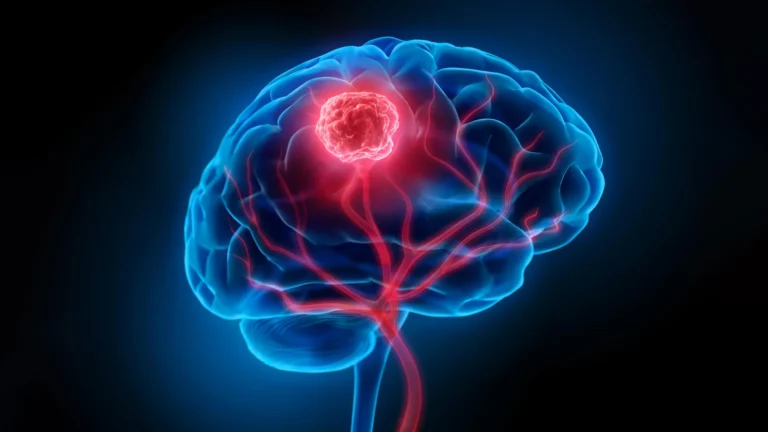










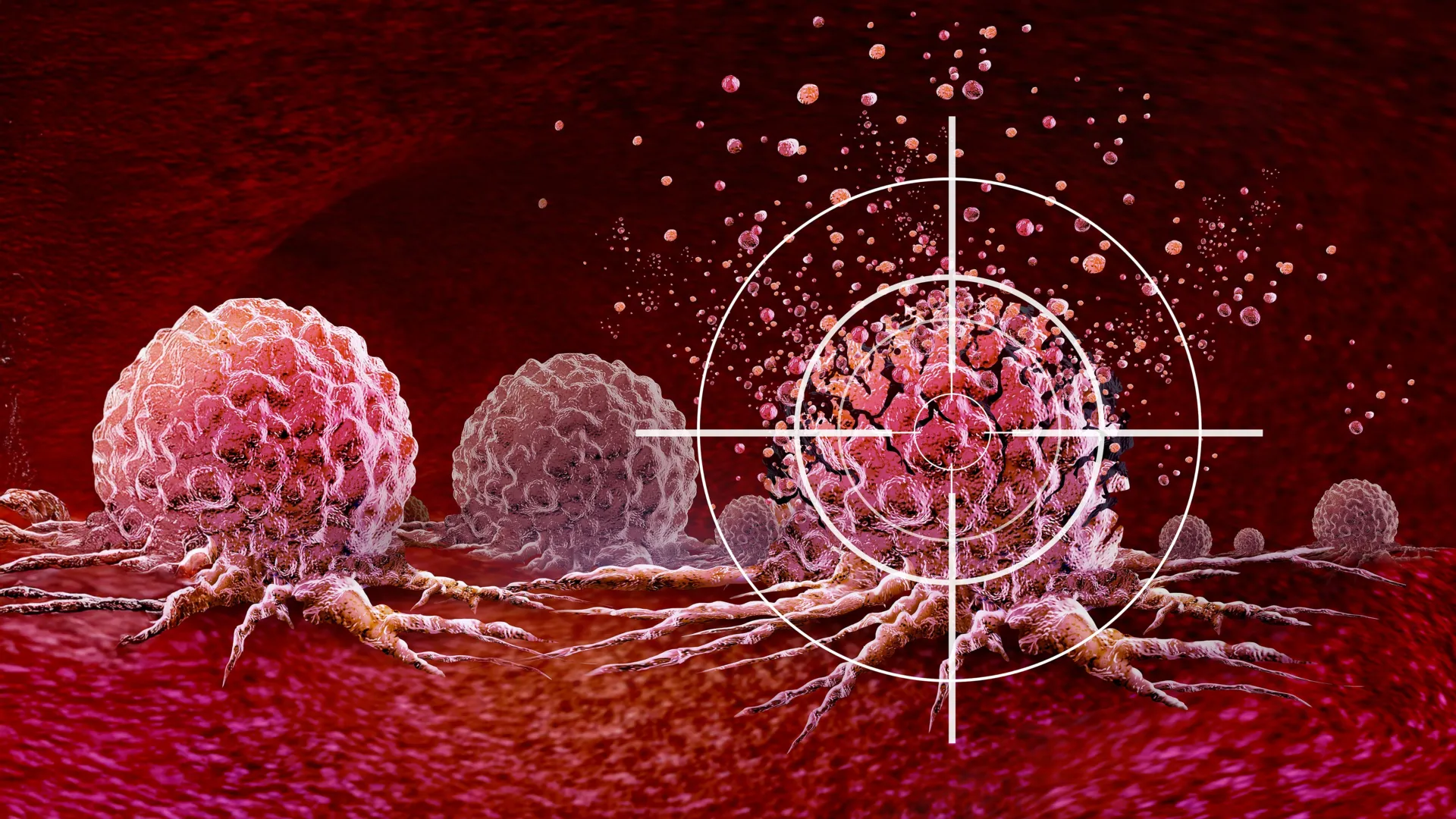
In the high-stakes world of neuro-oncology, few diagnoses carry the clinical gravity of glioblastoma. As the most common and aggressive form of malignant brain tumor in adults, it remains a formidable adversary, often rendering traditional interventions—surgery, radiation, and chemotherapy—insufficient. However, a team of researchers at the University of Virginia (UVA) Comprehensive Cancer Center has unveiled a groundbreaking experimental strategy that could fundamentally shift the paradigm of brain cancer treatment. By marrying the precision of focused ultrasound with the versatility of genetic medicine, scientists are finally finding a way to breach the brain’s most stubborn defenses.
The Challenge of the Invisible Fortress
To understand the significance of this breakthrough, one must first grasp the physical reality of the brain. The organ is protected by the blood-brain barrier (BBB), a sophisticated, highly selective semipermeable border that prevents solutes in the circulating blood from non-selectively crossing into the extracellular fluid of the central nervous system. While the BBB is essential for maintaining a healthy neural environment by shielding the brain from toxins and pathogens, it serves as a massive impediment to medicine. Many therapeutic agents designed to fight tumors are simply too large or chemically ill-suited to traverse this barrier, leaving surgeons and oncologists with limited options.
Furthermore, glioblastoma is characterized by its infiltrative nature. Unlike tumors that form neat, encapsulated masses, glioblastoma cells weave themselves into the surrounding healthy brain tissue like roots in soil. This makes "clear margins"—the holy grail of surgical oncology—nearly impossible to achieve. When microscopic clusters of malignant cells remain after surgery, they inevitably fuel recurrence, leading to a grim prognosis. With more than 13,000 lives lost annually to this disease in the United States alone, the need for a systemic, highly targeted, and penetrative treatment has never been more urgent.
A Multifaceted Genetic Strategy
Led by Dr. Roger Abounader, a professor at UVA’s School of Medicine, the research team has moved away from the "one drug, one target" philosophy. Instead, they are utilizing microRNAs—small, non-coding RNA molecules that function as master regulators of gene expression.
"This new approach could help target numerous molecules that promote cancer growth, including those for which no drugs exist, at the same time to achieve better therapies," Dr. Abounader explains.
By delivering microRNAs that suppress multiple oncogenes simultaneously, the researchers aim to cripple the tumor’s ability to grow, survive, and migrate. This "multiplex" strategy is a distinct advantage over traditional chemotherapy, which often focuses on a single metabolic pathway or protein, allowing the tumor to develop resistance over time. By hitting several targets at once, the UVA approach creates a more hostile environment for cancer cells while potentially minimizing the systemic toxicity associated with combining multiple conventional drugs.
The Mechanics of Precision: Ultrasound and Nanoparticles
The genius of the UVA strategy lies in its delivery system. Because microRNAs are delicate and cannot easily survive the journey to the brain on their own, the team encapsulated them within specialized nanoparticles. The hurdle remained: how to get these nanoparticles across the blood-brain barrier?
The solution involves a sophisticated orchestration of physics and imaging. Using MRI-guided focused ultrasound (FUS), researchers can pinpoint the tumor’s location with millimeter-level accuracy. They then introduce "microbubbles" into the bloodstream. When the focused ultrasound waves interact with these microbubbles at the target site, the bubbles oscillate, causing a temporary, reversible opening in the tight junctions of the blood-brain barrier.
This creates a brief "window of opportunity" where the nanoparticles can slip through the barrier and reach the tumor cells directly. This method allows for a high concentration of the therapeutic agent to reach the malignancy without exposing the rest of the body to high doses of medication, thereby reducing the risk of debilitating side effects.
Chronology of the Discovery
The road to this publication in the Journal of Clinical Investigation (JCI) has been paved by years of dedicated research at UVA:
- Foundation Phase: UVA established itself as a global leader in focused ultrasound research, investigating the physical interactions between sound waves and biological tissues.
- Molecular Identification: Dr. Abounader’s laboratory identified specific microRNA sequences that were most effective at suppressing glioblastoma-promoting genes.
- Integration: Researchers successfully developed the nanoparticle delivery vehicle capable of carrying the genetic payload.
- Animal Models: The team conducted rigorous testing in laboratory models of glioblastoma. The results were striking: the treatment successfully crossed the blood-brain barrier, inhibited tumor progression, and significantly extended the survival rates of the subjects.
- Peer Review and Publication: The study, involving a massive interdisciplinary team of experts, underwent rigorous peer review before its recent publication in JCI, cementing the viability of the approach in a clinical research context.
Implications for Future Oncology
The implications of this study extend far beyond the treatment of glioblastoma. If the blood-brain barrier can be opened safely and repeatedly to deliver genetic therapies, the same technology could be adapted to treat a wide array of neurological conditions, including Alzheimer’s disease, Parkinson’s disease, and various forms of metastatic brain cancer.
Dr. Abounader is optimistic about the trajectory of this work. "We are hoping to translate our findings into future clinical trials for patients with glioblastoma and other brain tumors," he says. The transition from lab bench to bedside is the next major hurdle, requiring intensive safety testing and regulatory oversight. However, the foundational proof-of-concept is now established.
Institutional Synergy: The FUSION Center and Beyond
This achievement is not an isolated event but the result of a collaborative ecosystem fostered by UVA Health. The university has aggressively invested in the intersection of technology and medicine. A key component of this success is the partnership with the Charlottesville-based Focused Ultrasound Foundation to create the Focused Ultrasound Immuno-Oncology (FUSION) Center.
The FUSION Center is the world’s first facility dedicated to exploring how focused ultrasound can be synergized with immunotherapy. By using ultrasound to prime the tumor microenvironment—potentially making it more visible to the patient’s own immune system—researchers hope to create a "dual-attack" strategy.
Furthermore, the involvement of UVA’s Paul and Diane Manning Institute of Biotechnology underscores a commitment to speed. The institute was specifically designed to accelerate the development of new medicines, bridging the gap between basic scientific discovery and clinical application. With the support of a statewide clinical trials network, UVA is positioning itself to ensure that when these therapies are ready for human testing, patients across the region will have access to them.
A Vision of the 21st Century
The recognition of the UVA Comprehensive Cancer Center as a "comprehensive" cancer center by the National Cancer Institute places it in an elite tier of institutions globally. This designation is not merely an honor; it is a mandate to pursue the most difficult, high-impact research.
"We and many others are intensively working to lighten the burden of cancer, and hopefully also completely cure it, but this requires a continued investment in cancer and medical research," says Dr. Abounader.
As we look toward the future, the work being done at UVA serves as a beacon of hope. By mastering the ability to manipulate genetic expression while simultaneously overcoming the anatomical barriers that have guarded the brain for millennia, the team is moving closer to a future where glioblastoma is no longer a terminal sentence, but a manageable—and perhaps even curable—condition.
The path ahead remains long, involving complex clinical trials and the necessity of further funding to scale these technologies. Yet, the marriage of genetic engineering and advanced biophysics represents exactly the kind of innovation needed to solve the most stubborn medical mysteries of our time. Through the persistence of the UVA research team and the infrastructure of the FUSION Center, the medical community is moving one step closer to dismantling the "invisible fortress" of the brain, offering a new lease on life to thousands of patients worldwide.