









Published: November 9, 2026
In the fast-paced landscape of modern professional life, the concept of "time scarcity" has become a defining characteristic of the morning routine. For many, the prospect of carving out an hour for a comprehensive gym session or a lengthy yoga practice feels increasingly impossible. However, a new paradigm in physical wellness—micro-stretching—is gaining traction, suggesting that intensity and duration are not the only metrics for a successful start to the day. A recently released seven-minute yoga sequence, designed to release deep-seated tension and boost metabolic alertness, is proving that profound physical shifts can occur in less time than it takes to brew a pot of coffee.
The Science of Micro-Dosing Movement
The philosophy behind the seven-minute morning stretch is rooted in the concept of "movement snacking." By distributing small, targeted sessions of physical activity throughout the day, or by prioritizing a highly efficient burst immediately upon waking, individuals can mitigate the physiological stagnation caused by eight hours of sleep.
According to sports physiologists, the primary goal of an early-morning routine should not be high-intensity cardiovascular output, but rather the restoration of mobility in the joints and the mobilization of synovial fluid. When we sleep, our muscles remain in a static state for extended periods, leading to a natural tightening of the connective tissues, particularly in the hamstrings, hip flexors, and shoulders—the "desk-worker’s triad." This seven-minute sequence acts as a systemic "reset" for the nervous system, shifting the body from a parasympathetic, sleep-dominant state into a parasympathetic-sympathetic balance that primes the body for the day ahead.
Chronology of the Routine: A Step-by-Step Sequence
The routine, led by renowned instructor Kassandra, is meticulously structured to flow from grounding poses into active lunges and, finally, into deep tissue release. No props are required, though practitioners are encouraged to utilize blocks or straps if they seek additional stability.
Phase 1: Grounding and Lateral Expansion
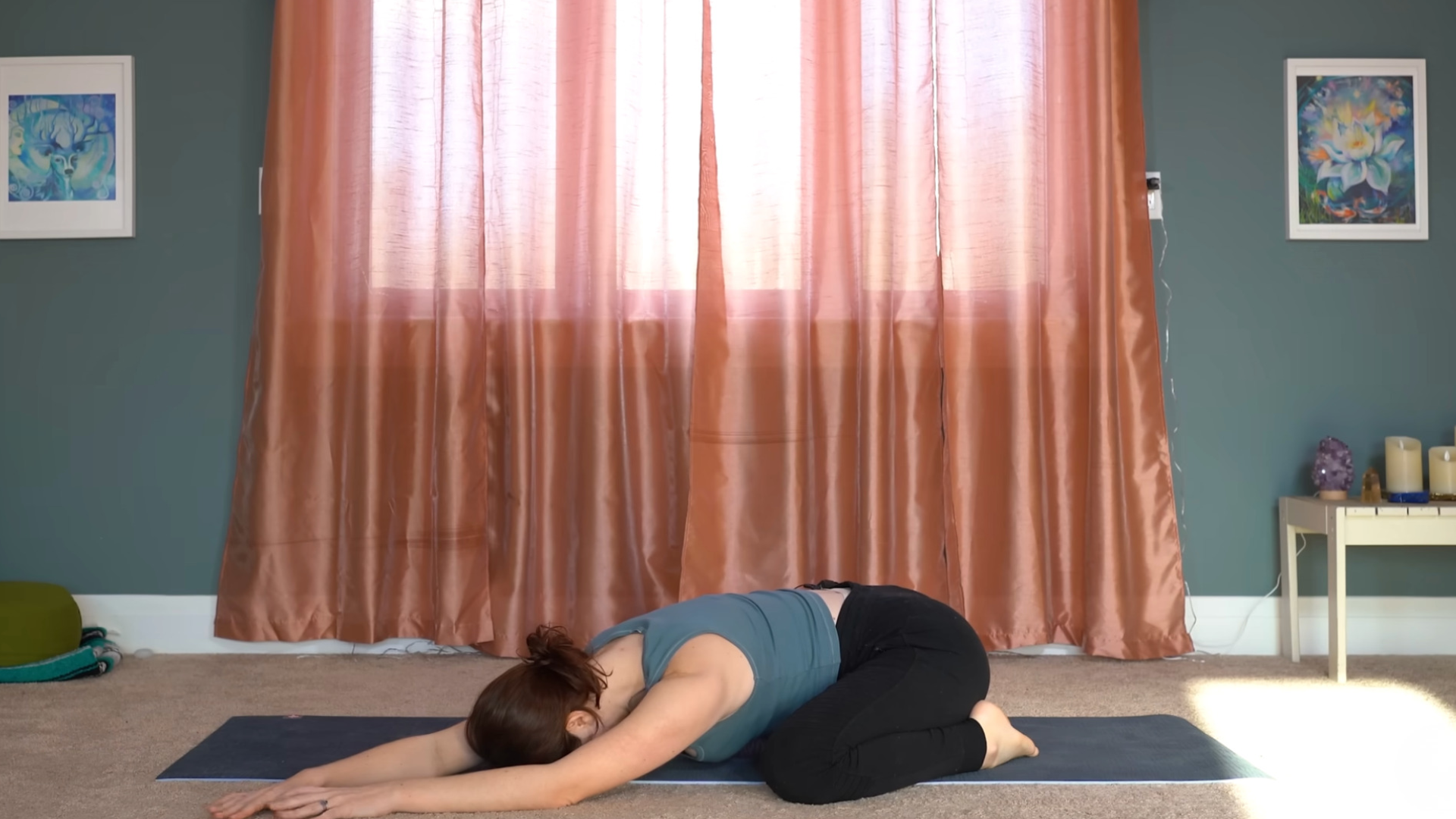
The session begins with a modified Child’s Pose (Balasana). Rather than a static, forward-folding posture, the routine introduces a lateral stretch. By crawling the fingertips toward the upper-left corner of the mat, the practitioner creates a deep, lengthening sensation along the right side of the torso. This engages the latissimus dorsi and intercostal muscles, which are often tight after sleeping in a curled position. Following three deep, intentional breaths, the hands traverse to the right side, replicating the stretch on the left. This phase is critical for establishing a rhythmic breathing pattern—the "anchor" for the remainder of the session.
Phase 2: Lower Body Mobilization
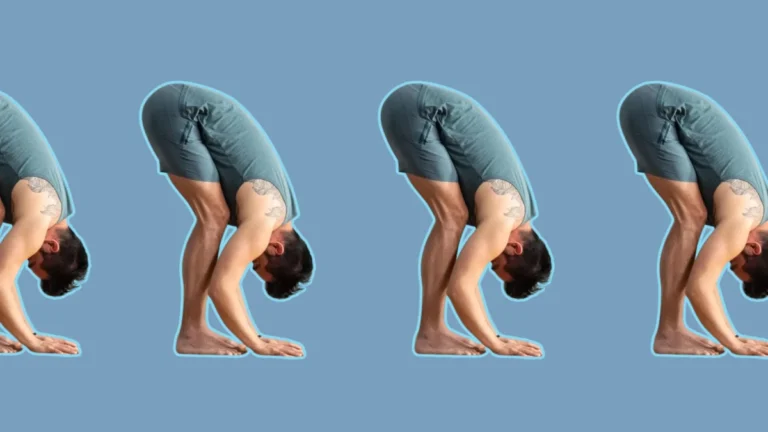
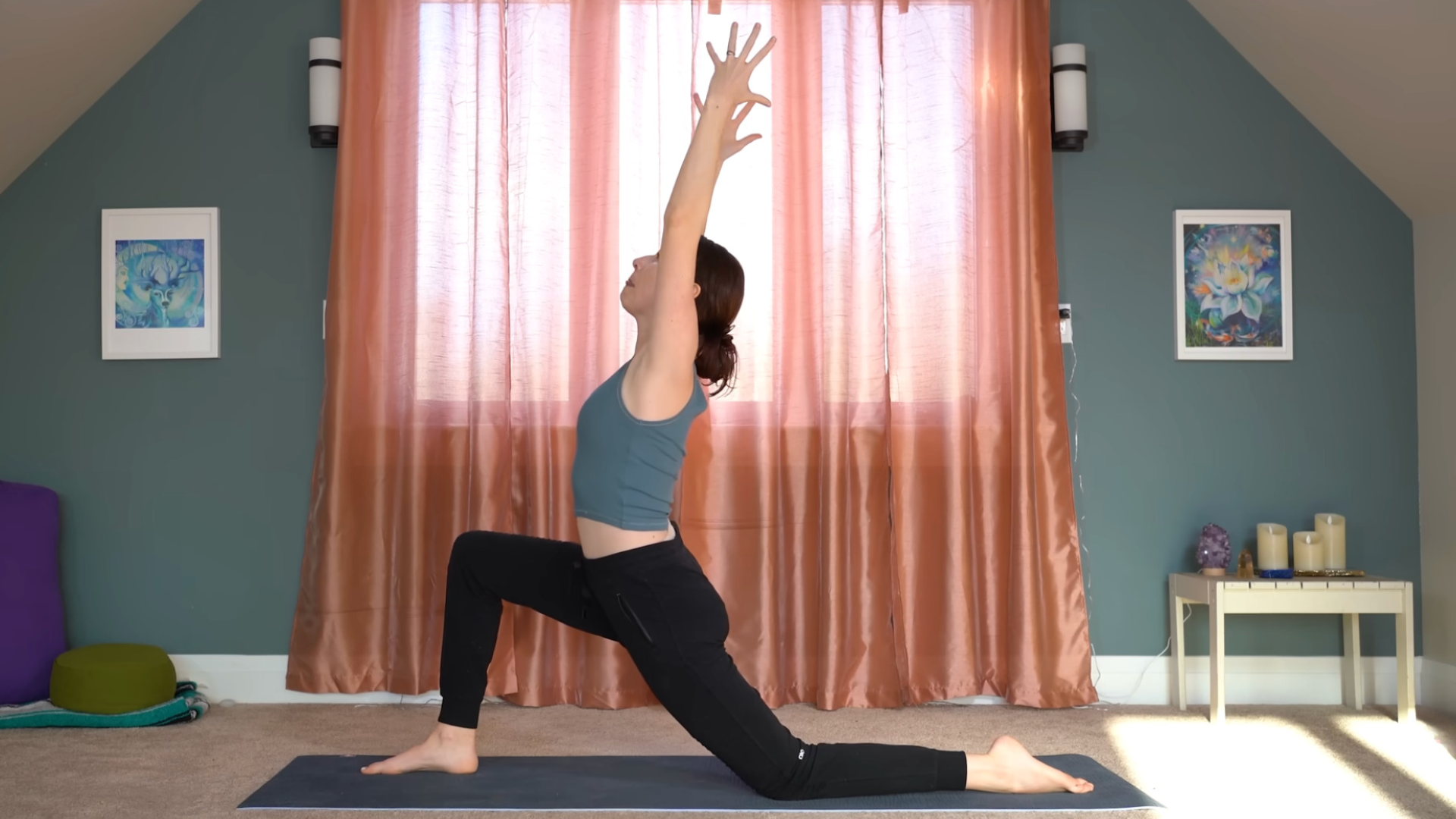
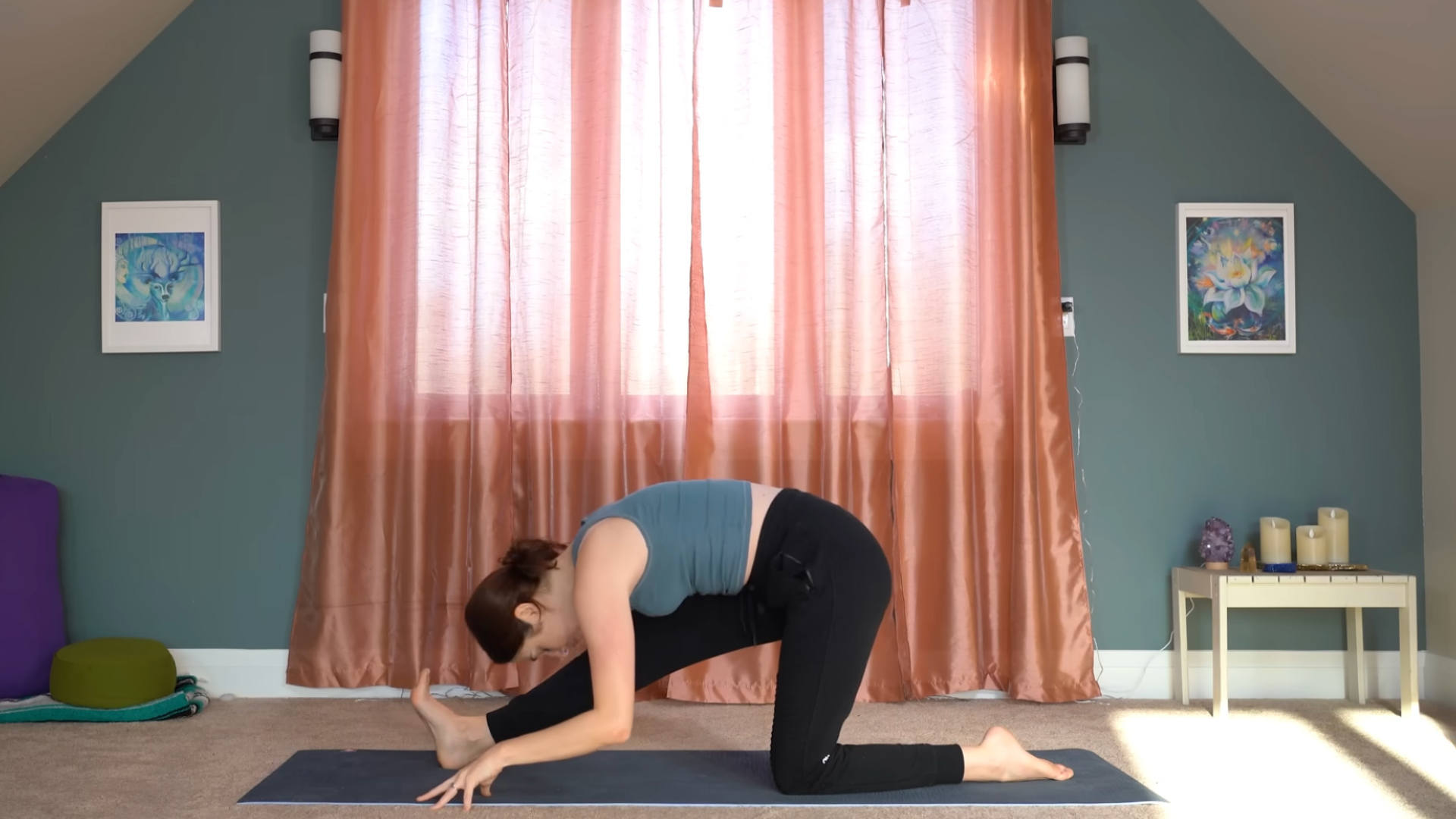
Transitioning to a Low Lunge (Anjaneyasana), the focus shifts to the hip flexors. By keeping the knee stacked over the ankle and focusing on tailbone alignment, the practitioner avoids the common error of collapsing into the lumbar spine. This is immediately followed by a Half Split (Ardha Hanumanasana), which targets the hamstrings. By extending the front leg and folding forward, the practitioner is encouraged to prioritize spinal length over depth of the fold.
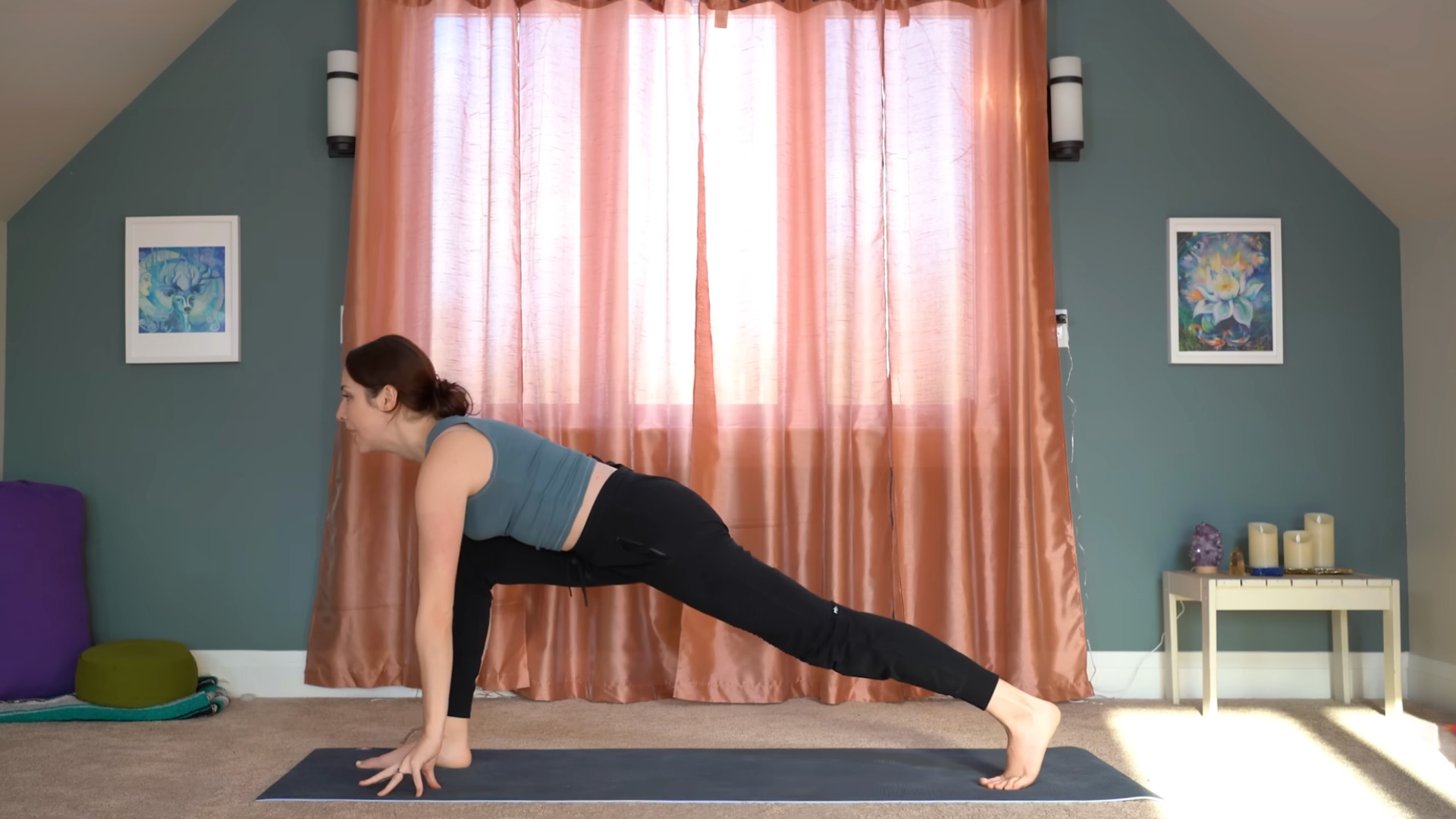
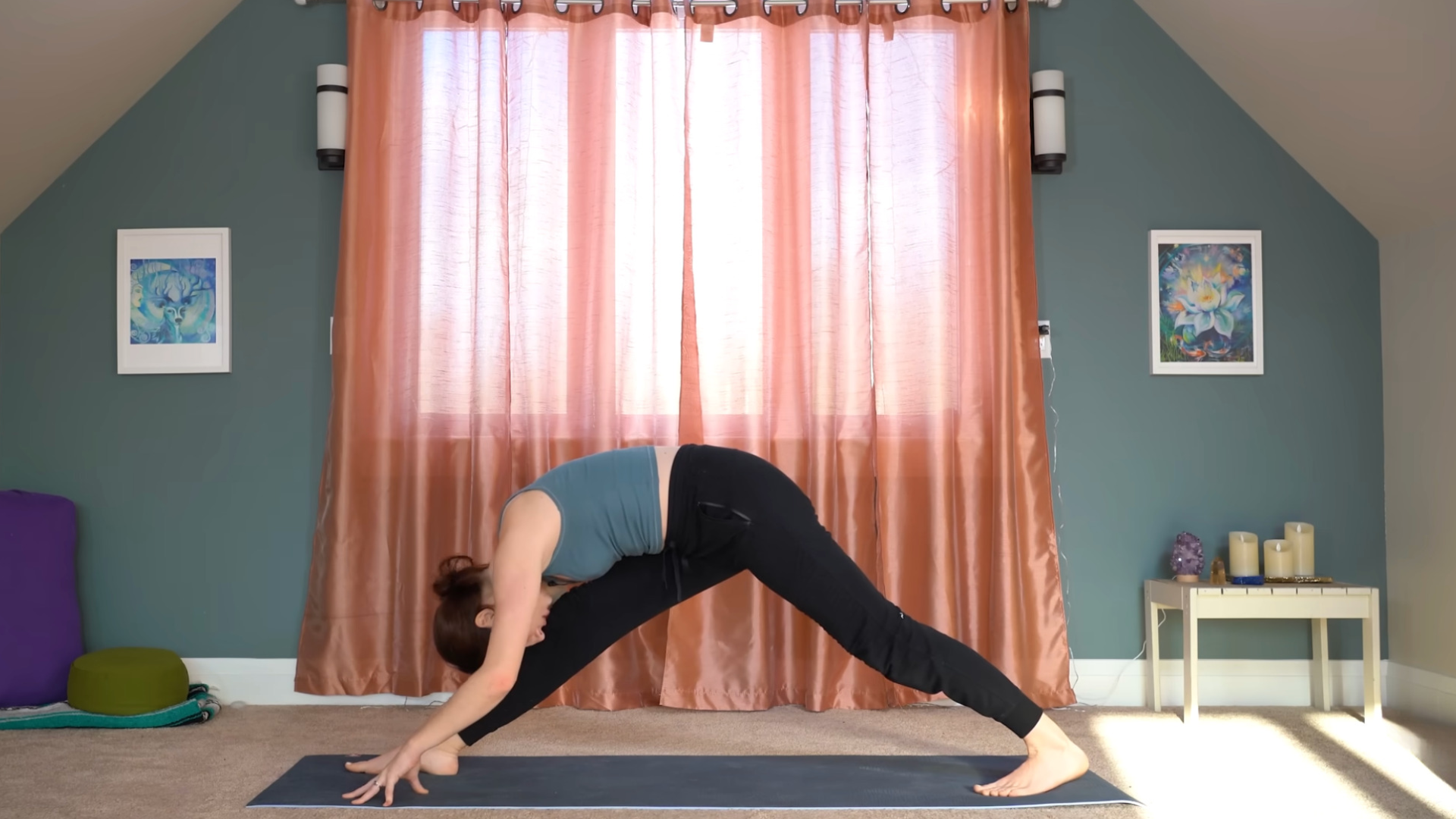
This sequence culminates in the Runner’s Lunge, where the back knee is lifted, engaging the gluteal muscles and utilizing gravity to deepen the hip opening. The integration of a Pyramid Pose variation adds an element of "intense side stretching," which helps to correct pelvic misalignment and provides a secondary, more profound release for the posterior chain.
Phase 3: Systemic Activation
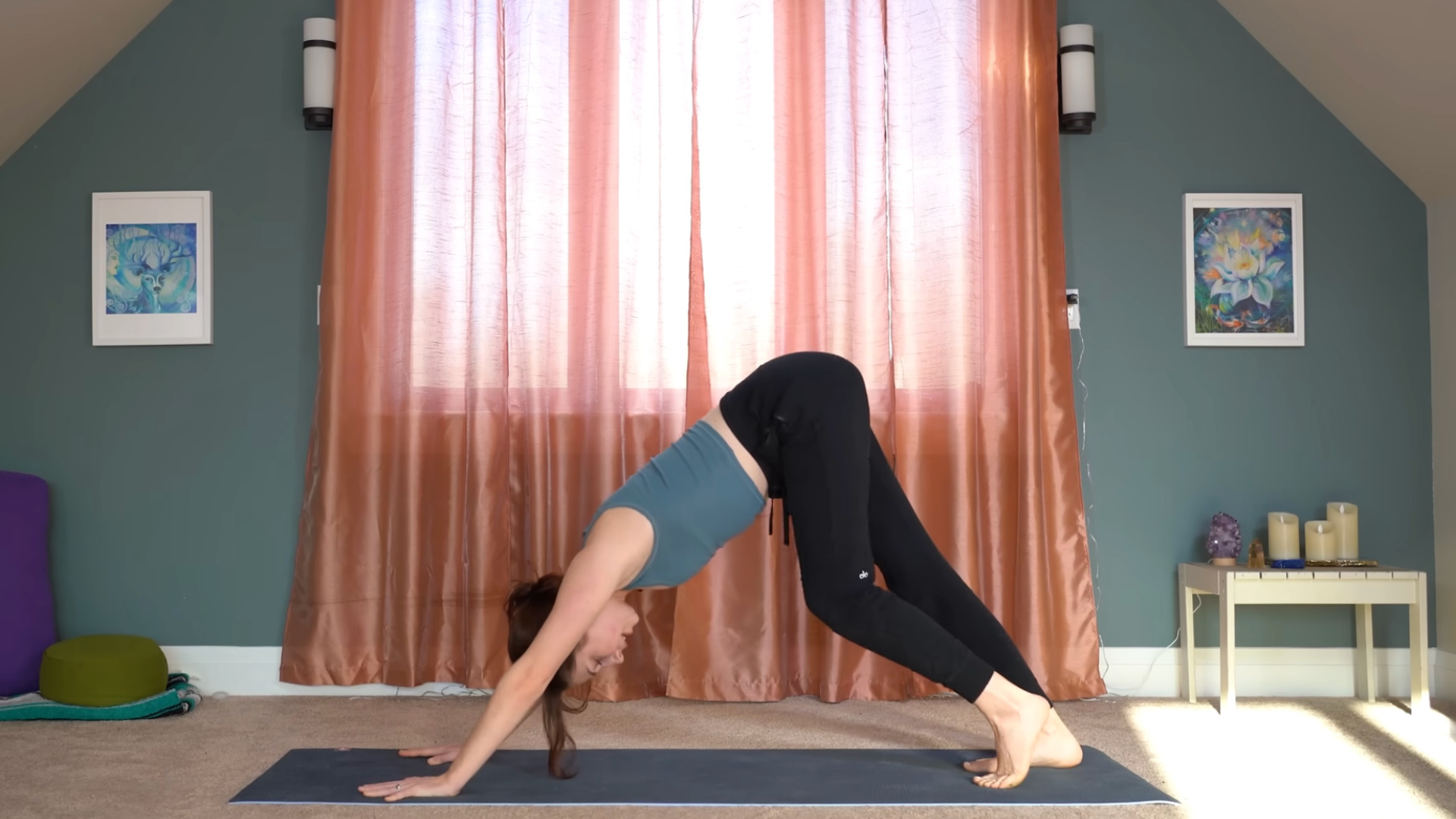
The mid-point of the routine moves into Downward-Facing Dog (Adho Mukha Svanasana). This inversion is essential for blood flow, encouraging oxygenated blood to circulate toward the head and chest. By pedaling the feet—bending one knee while straightening the other—the practitioner performs a dynamic mobilization of the calves and ankles.
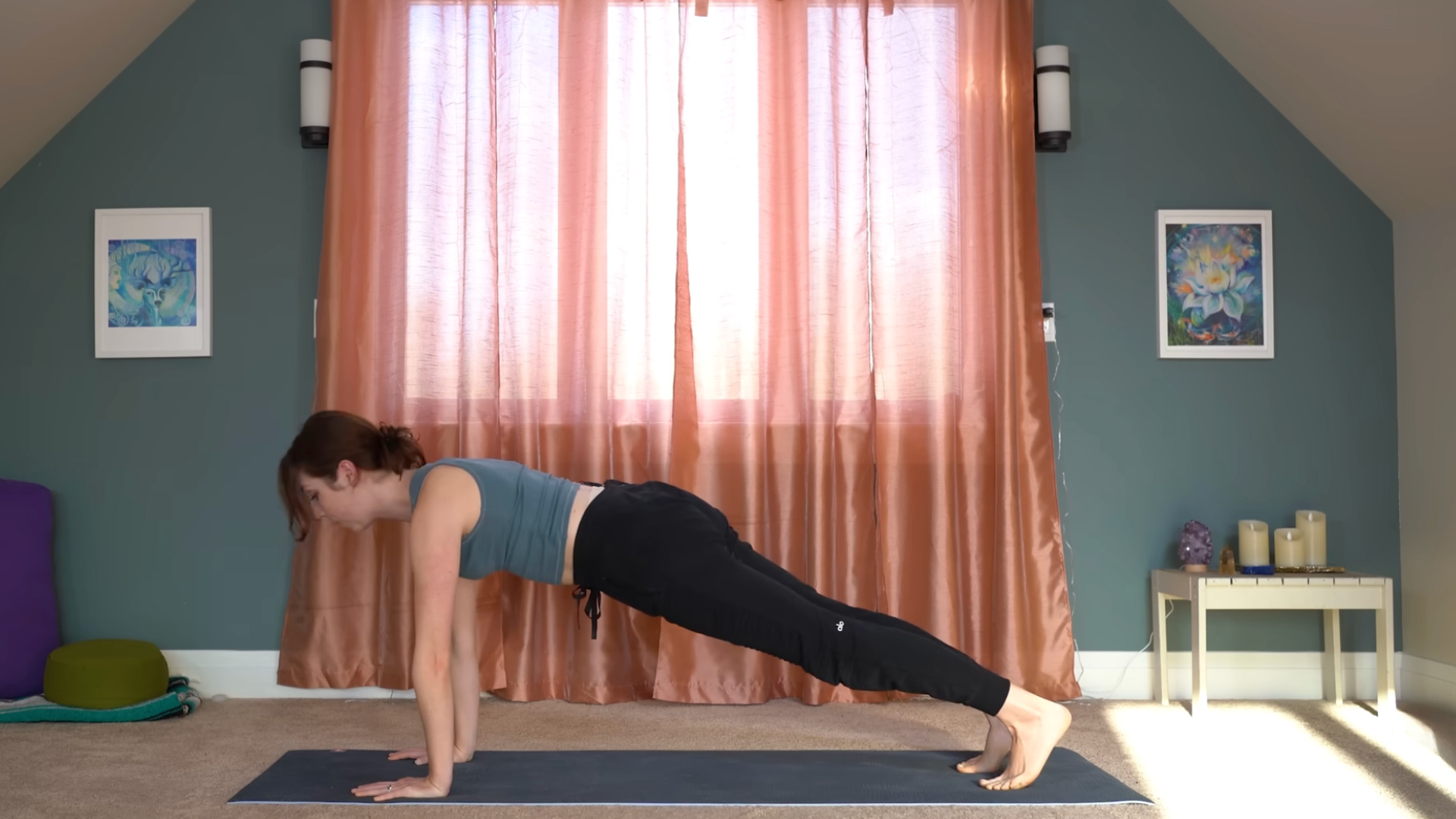
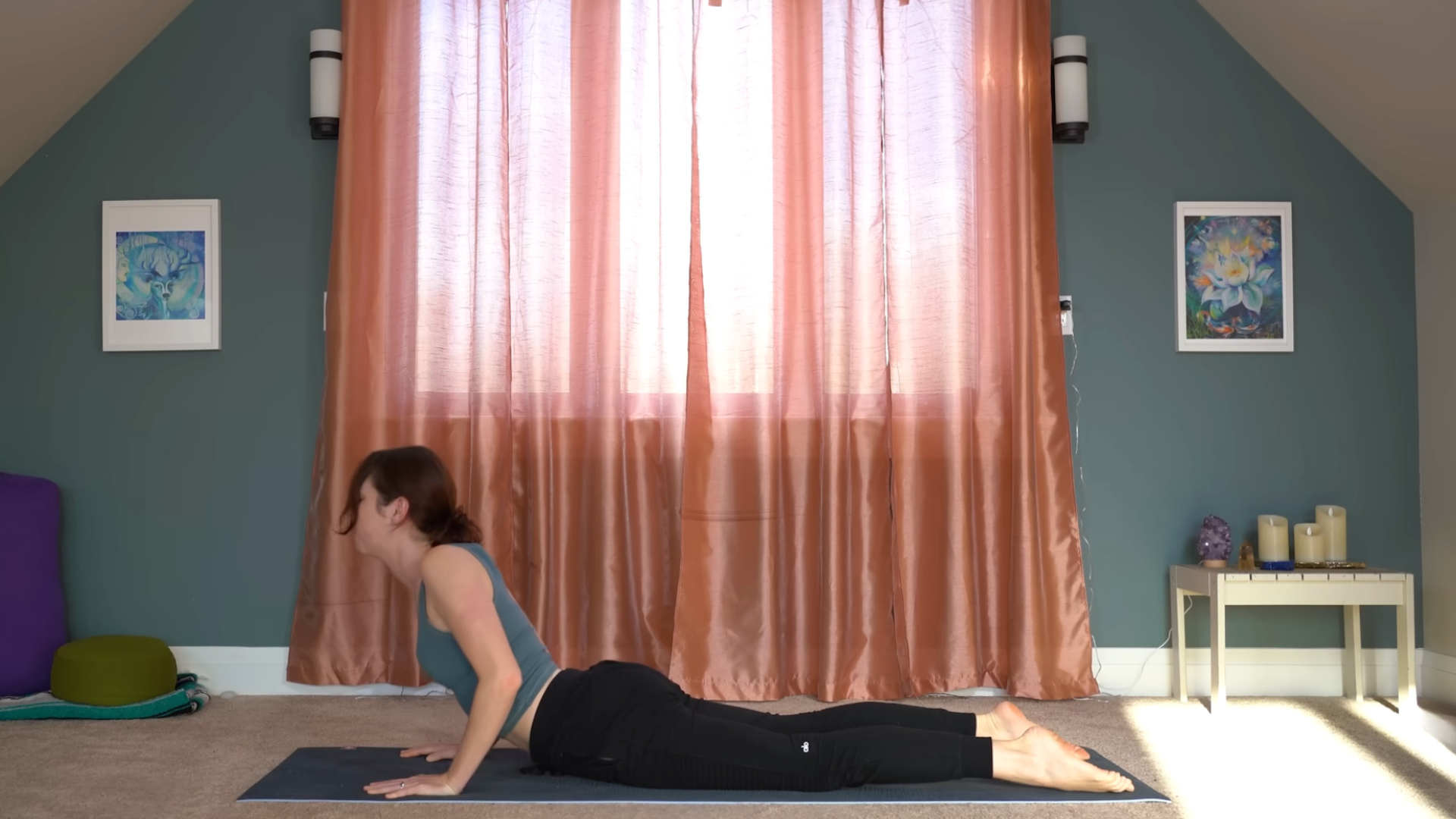
The sequence then flows into Plank Pose and subsequently to Cobra Pose (Bhujangasana). This transition is vital for core engagement and spinal extension. By lowering to the belly and lifting the chest, the practitioner strengthens the erector spinae muscles, providing a necessary counter-movement to the "hunched" posture maintained during computer use.
Phase 4: Integration and Deep Release
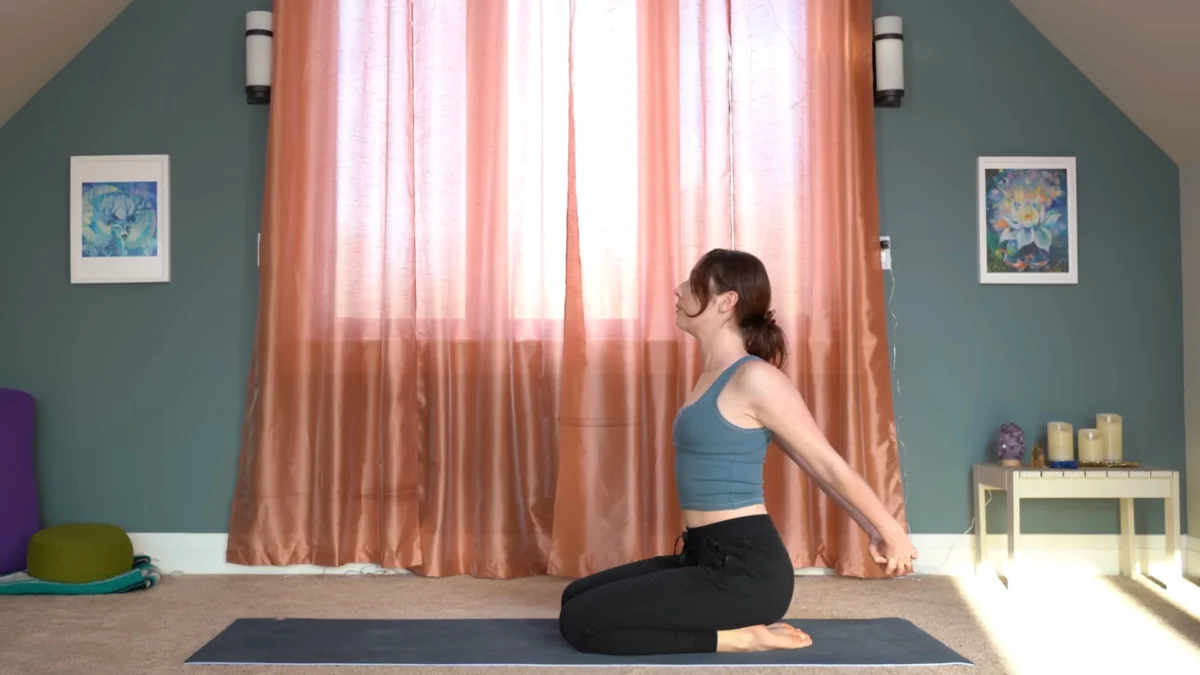
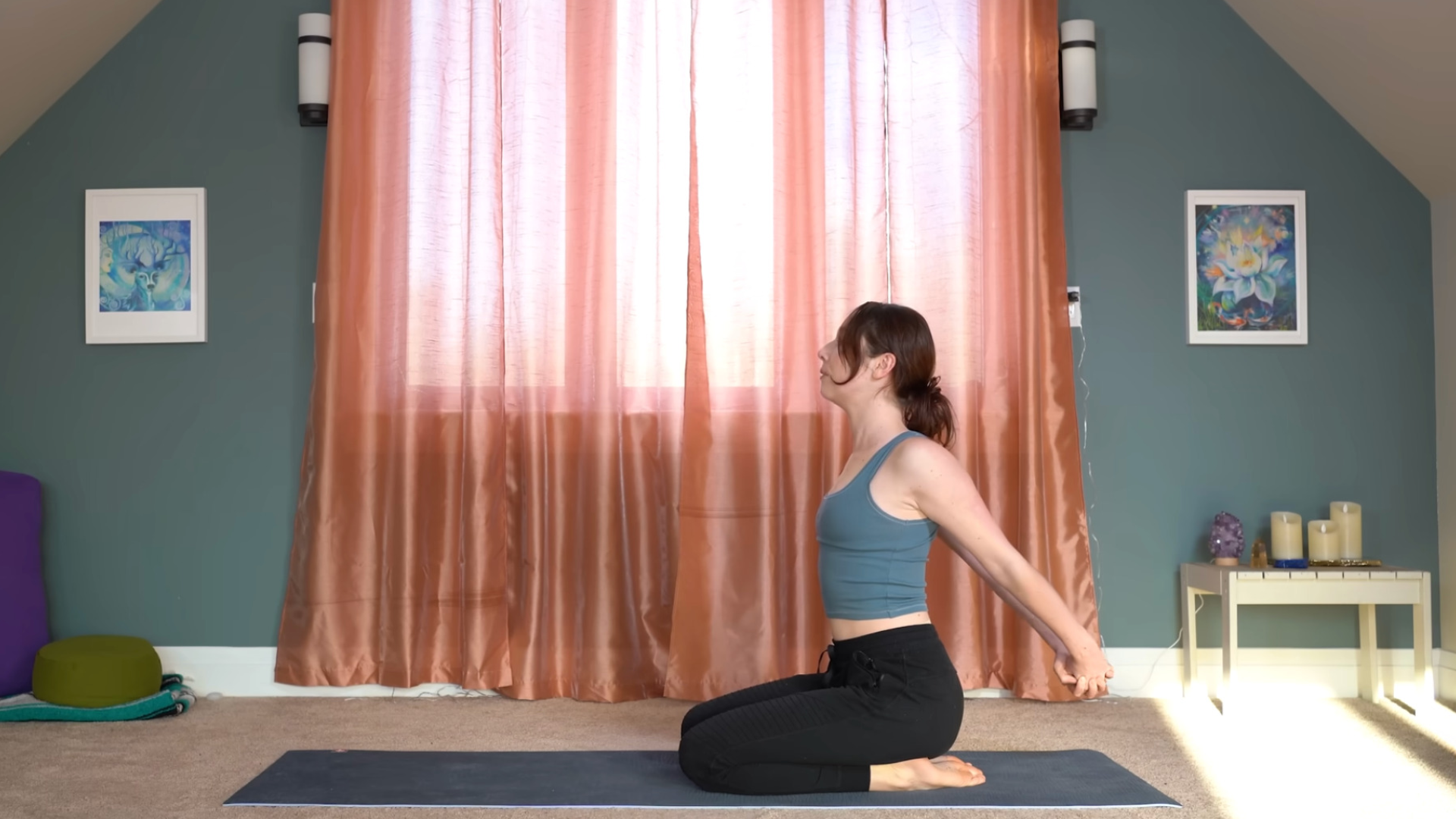
The final segment of the routine involves the Three-Legged Dog, which facilitates an asymmetrical hip-flexor stretch, and the Kneeling Shoulder Stretch/Rabbit Pose. The latter is particularly effective for releasing the trapezius and rhomboids. By interlacing fingers behind the back and lifting the knuckles, the practitioner reverses the forward-slumped shoulder position. The optional Rabbit Pose—placing the crown of the head to the mat—provides a gentle traction for the cervical spine, completing the systemic release.
Supporting Data: Why Seven Minutes Matters
While a seven-minute window may seem brief, data from the National Institute of Fitness indicates that consistent, low-intensity movement—specifically yoga—can reduce cortisol levels by up to 20% when performed within the first thirty minutes of waking. Furthermore, the combination of static holding and rhythmic movement facilitates "myofascial release," a process where the connective tissue wrapping the muscles becomes more pliable.
Research published in the Journal of Bodywork and Movement Therapies suggests that the cumulative effect of these seven-minute sessions is not merely about immediate flexibility; it is about "proprioceptive awareness." When the body is stretched effectively, the brain receives signals that reduce the "fight or flight" response, leading to increased focus and productivity during the workday.
Official Perspectives and Expert Commentary
Wellness experts have praised the accessibility of this routine. Dr. Elena Vance, a specialist in physical medicine and rehabilitation, notes: "The brilliance of this specific sequence lies in its transition from asymmetrical work to bilateral integration. Many people neglect the lateral plane of movement in their morning routines. By incorporating the side-body stretch in the Child’s Pose variation, the routine addresses the fascial restrictions that cause chronic lower back pain in sedentary workers."
However, experts also offer a word of caution. The efficacy of the routine is entirely dependent on the quality of the breath. "If a practitioner rushes through these seven minutes, they miss the point," adds yoga educator Marcus Thorne. "The breath acts as a nervous system regulator. If you are simply moving your limbs without pairing the movement to a slow, controlled inhale and exhale, you are missing 50% of the physiological benefit."
Implications for the Modern Workplace
The implications of adopting such a routine extend far beyond the yoga mat. As corporations increasingly look for ways to reduce burnout and enhance employee well-being, the "seven-minute micro-break" is being integrated into corporate wellness programs. The ability to perform this entire sequence without specialized equipment makes it a portable, scalable solution for remote and hybrid workers.
Furthermore, the shift toward shorter, high-impact routines challenges the "all-or-nothing" mentality that has plagued the fitness industry for decades. For many, the barrier to entry for exercise is the perceived requirement of a "transformation-level" workout. By democratizing movement through short-form routines, we remove the psychological hurdle of starting.
Conclusion: A Sustainable Habit
The 7-minute morning stretch is not a replacement for a comprehensive fitness regimen, nor is it a miracle cure for chronic conditions. However, as a foundational habit, it is transformative. By dedicating just 0.5% of their daily time to this sequence, individuals are finding that they can reclaim control over their physical state.
As we move into a future where time is the ultimate currency, the ability to "invest" seven minutes into the body is perhaps the most efficient transaction one can make. Whether you are a seasoned yogi or a novice looking for a way to wake up without the jittery impact of an extra espresso, this routine offers a balanced, professional, and scientifically supported path toward a better morning.