





By Keith Appleton, LMSW, Combat Veteran
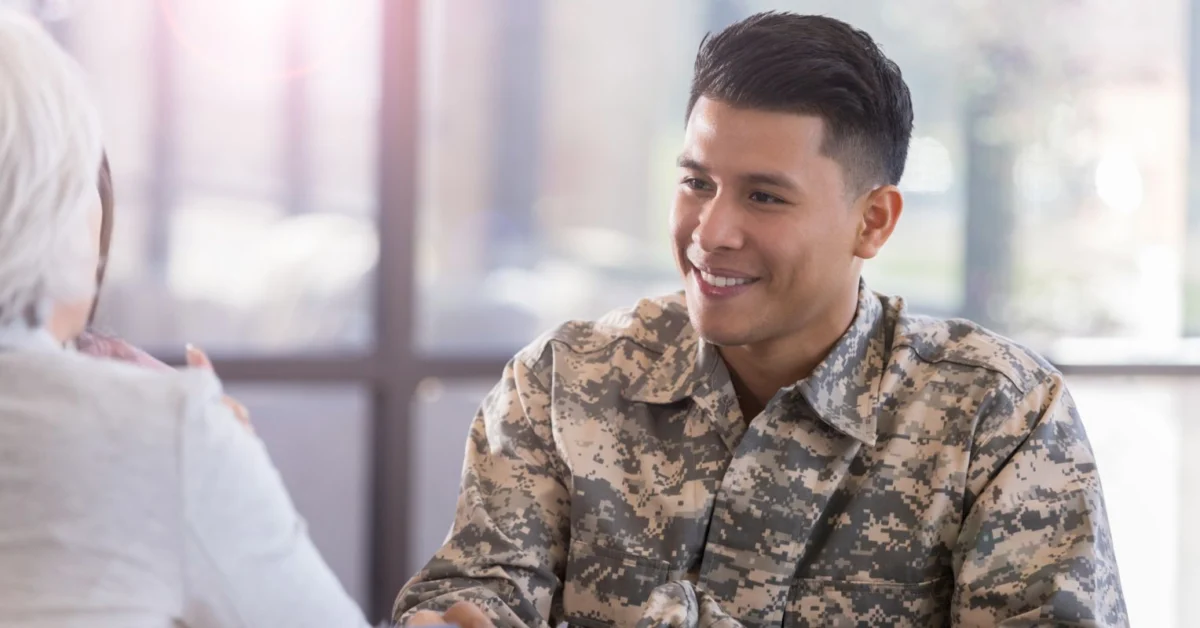
In the sterile, fluorescent-lit environment of a detox ward, a veteran sat on the edge of his bed, his bags packed, ready to walk out. He was trapped in the suffocating cycle of PTSD and substance use, convinced that the civilian clinician assigned to him was fundamentally incapable of understanding the weight of his experiences. To him, the gap between his reality—forged in the heat of combat—and the civilian world was an unbridgeable canyon.
As a fellow veteran, I understood that wall immediately. I didn’t see a "difficult patient"; I saw a soldier operating under the assumption that his mission had ended and his tribe had abandoned him. By shifting our dialogue from clinical terminology to the familiar cadence of military operations—reframing his recovery as a strategic mission—the tone changed. He didn’t just stay; he began to engage. That moment was not a fluke; it was a testament to the fact that when it comes to veteran mental health, cultural competency is not a luxury—it is a life-saving clinical necessity.
The Magnitude of the Crisis: Facts and Statistics
The statistics surrounding the veteran mental health crisis are sobering and demand an immediate, specialized response. According to data from the National Center for PTSD (2023), approximately 7% of U.S. veterans live with PTSD, a figure that surges when looking at specific combat-deployed cohorts. More concerning is the prevalence of substance-use disorders, which affect over 20% of the veteran population.
Despite these high figures, the U.S. Department of Veterans Affairs (2022) notes that more than half of those in desperate need of mental health support never receive it. The barriers are multifaceted: a pervasive stigma that equates vulnerability with weakness, and a profound, underlying belief that civilians simply "don’t get it." This is not merely a lack of trust; it is a fundamental cultural disconnect. Military service is not a career; it is a totalizing identity. It is a life built upon a foundation of structure, hierarchy, shared symbols, and the ultimate sacrifice. When that foundation is removed, the transition to civilian life often feels less like a homecoming and more like an existential exile.
The Anatomy of Identity: Why the Uniform Matters
To understand the veteran, one must understand the symbols of their service. In the military, identity is externalized through the uniform. A badge, a combat patch, a service ribbon, or the completion of a specialty school—these are not merely aesthetic decorations. They are a narrative of service, a visual shorthand that communicates where a veteran has been, what they have endured, and the specific expertise they hold.
I remember the weight of my own uniform—the Combat Action Badge positioned above my Air Assault Wings. They were not just pieces of metal; they were anchors. They marked the combat I survived and served as a universal language between soldiers. They facilitated instant connection, trust, and the ability to mentor those coming up behind us.
When a veteran transitions to civilian life, these markers are stripped away. The loss of this visual identity is more than a wardrobe change; it is a rupture in the self. As attachment theory suggests, when individuals are conditioned to value structure and loyalty, the sudden loss of their "secure base"—the military unit—triggers a state of disorientation (Bowlby, 1980). They are left without a tribe, leading to a profound sense of grief and isolation that, if left untreated, becomes the breeding ground for trauma-related disorders.
The Clinical Imperative: Encouraging a Flexible Identity
In Tribe: On Homecoming and Belonging, Sebastian Junger (2016) explores the primal human necessity of belonging to a cohesive, purpose-driven group. For veterans, therapy should not be about forcing them to "forget" the military or "assimilate" into a civilian world that they feel alienates them. Instead, it must be about helping them evolve that identity.
Clinicians must guide veterans through the grief of losing their former role while helping them forge new, adaptive attachments. This is the shift from the narrow identity of "I was a soldier" to the broader, enduring identity of "I am a leader, a mentor, and a protector." This is not a denial of the past; it is an expansion of the mission. When a therapist encourages a veteran to identify as a leader, they are tapping into the core of military training, utilizing the veteran’s existing strengths to help them navigate civilian hurdles.
The Family as the Hidden Frontline
One of the most overlooked aspects of veteran care is the role of the family. Too often, the veteran is treated in a vacuum, while the family members who witness the daily struggles of PTSD or moral injury are left in the dark. This is a critical failure in the system.
Families are not just passive observers; they are the primary support structure. By involving them in the clinical process, therapists can help the entire family system reframe the veteran’s experience (Bowen, 1978). I once treated a veteran struggling with intense moral injury—the profound psychological distress resulting from actions (or inactions) that violate one’s own moral or ethical code (Davis, 2023). By bringing his spouse into the therapy sessions, we were able to dismantle his shame. We reframed his service not by his perceived "failures," but by his role as a provider and a protector. The family, once empowered with the right tools, becomes a primary driver of long-term healing.
Applying Military Principles to Trauma-Informed Care
There is a natural, often untapped, synergy between military leadership principles and trauma-informed clinical care. Veterans are conditioned to respond to mentorship, empathy, and clear, mission-focused guidance.
When a therapist asks a veteran about their Military Occupational Specialty (MOS), or inquires about the history behind their service medals, they are doing more than "getting to know" the patient. They are establishing a therapeutic alliance. They are acknowledging the veteran’s culture.
- Structure: Just as in the military, trauma-informed approaches like Cognitive Behavioral Therapy (CBT) and Eye Movement Desensitization and Reprocessing (EMDR) provide a structured, goal-oriented path forward (Shapiro, 2018).
- Mission-Focus: Veterans are accustomed to discipline. Framing therapy as a "mission" to regain one’s life provides a familiar framework that motivates engagement.
- People-First Leadership: The military’s emphasis on taking care of one’s own mirrors the tenets of trauma-informed care, where safety and trust are prioritized above all else.
Healing Through Narrative: Honoring the Whole Deployment
Therapy for veterans is often hyper-focused on the "trauma." While addressing combat trauma is vital, focusing exclusively on the horror of deployment ignores the rest of the story. Veterans also carry memories of camaraderie, pride, and the profound beauty of shared struggle.
I often think of the desert sunsets after a sandstorm or the specific, adrenaline-fueled pride of crossing a finish line after an Army Ten-Miler, carrying our company guidon in 110-degree heat. These are not trivial memories. They are the bedrock of post-traumatic growth (Dell’Osso et al., 2022). By integrating these positive, pride-filled narratives into the therapy process, we allow the veteran to build a more coherent self-narrative. Trauma is a part of their experience, but it is not the whole of their experience.
The Path Forward: A Call to Action
As we look toward the future of veteran care, we must demand more than just standard clinical protocols. We need a fundamental shift in how we approach the service member’s transition home. To truly serve those who have served, we must commit to the following:
- Mandatory Cultural Competency Training: Clinicians, social workers, and primary care providers should receive specialized training in military culture to better understand the nuances of the veteran experience.
- Integrated Family Support: Expanding clinical models to include spouses and families as essential partners in the healing process.
- Narrative-Based Therapy: Moving beyond trauma-only treatment to include the exploration of pride, purpose, and the positive aspects of military identity.
- Community-Based Reintegration: Fostering local "tribes" where veterans can continue to exercise their leadership and protective roles in civilian life.
Veterans carry their experiences with them—these are invisible badges that deserve recognition, not avoidance. When delivered with cultural competence, therapy becomes more than a clinical intervention. It becomes a new mission. It calls on the veteran’s innate courage, honors the complexity of their past, and provides the map for them to write the next, and perhaps most important, chapter of their story.
The uniform may be off, but the mission continues. It is time we ensure our veterans have the support, understanding, and structure required to win this battle as well.
References
- Bowen, M. (1978). Family Therapy in Clinical Practice. Jason Aronson.
- Bowlby, J. (1980). Attachment and Loss: Vol. 3. Loss, Sadness and Depression. Basic Books.
- Davis, L. Y. (2023). Moral Injury: The Hidden Adversary of War.
- Dell’Osso L, et al. (2022). Post Traumatic Growth (PTG) in the Frame of Traumatic Experiences.
- Hurley, E. C. (2021). A Clinician’s Guide for Treating Active Military and Veteran Populations with EMDR Therapy. Springer Publishing.
- Junger, S. (2016). Tribe: On Homecoming and Belonging. Twelve.
- National Center for PTSD. (2023). PTSD in Veterans: Facts and Figures.
- Shapiro, F. (2018). Eye Movement Desensitization and Reprocessing (EMDR) Therapy. Guilford Press.
- U.S. Department of Veterans Affairs. (2022). National Veteran Suicide Prevention Annual Report.