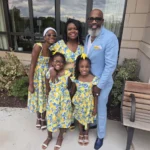









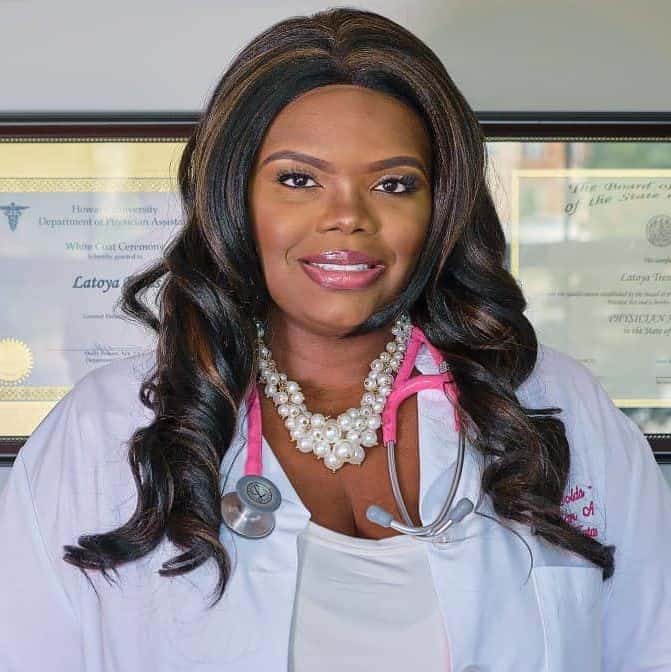
For many, a cancer diagnosis is a moment where the world stops. For LaToya Bolds-Johnson, a physician assistant with years of clinical experience, a diagnosis of stage 3 triple-negative breast cancer (TNBC) at age 36 was not just a medical crisis—it was a profound intersection of her professional life and her personal survival.
As Breast Cancer Awareness Month highlights the necessity of early detection and innovation, Bolds-Johnson’s story serves as a poignant case study. Her journey through immunotherapy and clinical research underscores a critical truth: clinical trials are not merely a "last resort" for the terminally ill, but a vital engine of progress that requires diverse participation to ensure that tomorrow’s treatments work for everyone.
The Reality of Triple-Negative Breast Cancer
Breast cancer is not a monolith; it is a complex, heterogeneous group of diseases defined by molecular profiles. While the American Cancer Society estimates over 320,000 new cases of invasive breast cancer in the U.S. annually, the specific subtype dictates the prognosis and the therapeutic path.
Bolds-Johnson was diagnosed with triple-negative breast cancer (TNBC). Unlike hormone receptor-positive or HER2-positive cancers, which can often be managed with targeted therapies that block specific proteins, TNBC lacks these markers. Consequently, it is historically more aggressive and prone to rapid recurrence.
For patients like Bolds-Johnson, the "standard of care" has been limited for decades. However, the landscape is shifting rapidly. The integration of immunotherapy—treatments that harness the body’s own immune system to identify and destroy cancer cells—has provided new avenues of hope. Yet, the efficacy of these treatments depends on rigorous testing, data collection, and the inclusion of diverse patient populations in clinical trials.
A Chronology of Advocacy and Resilience
LaToya Bolds-Johnson’s path from clinician to patient, and finally to research advocate, is a blueprint for proactive patient engagement.

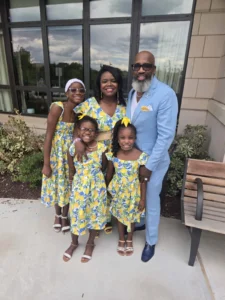
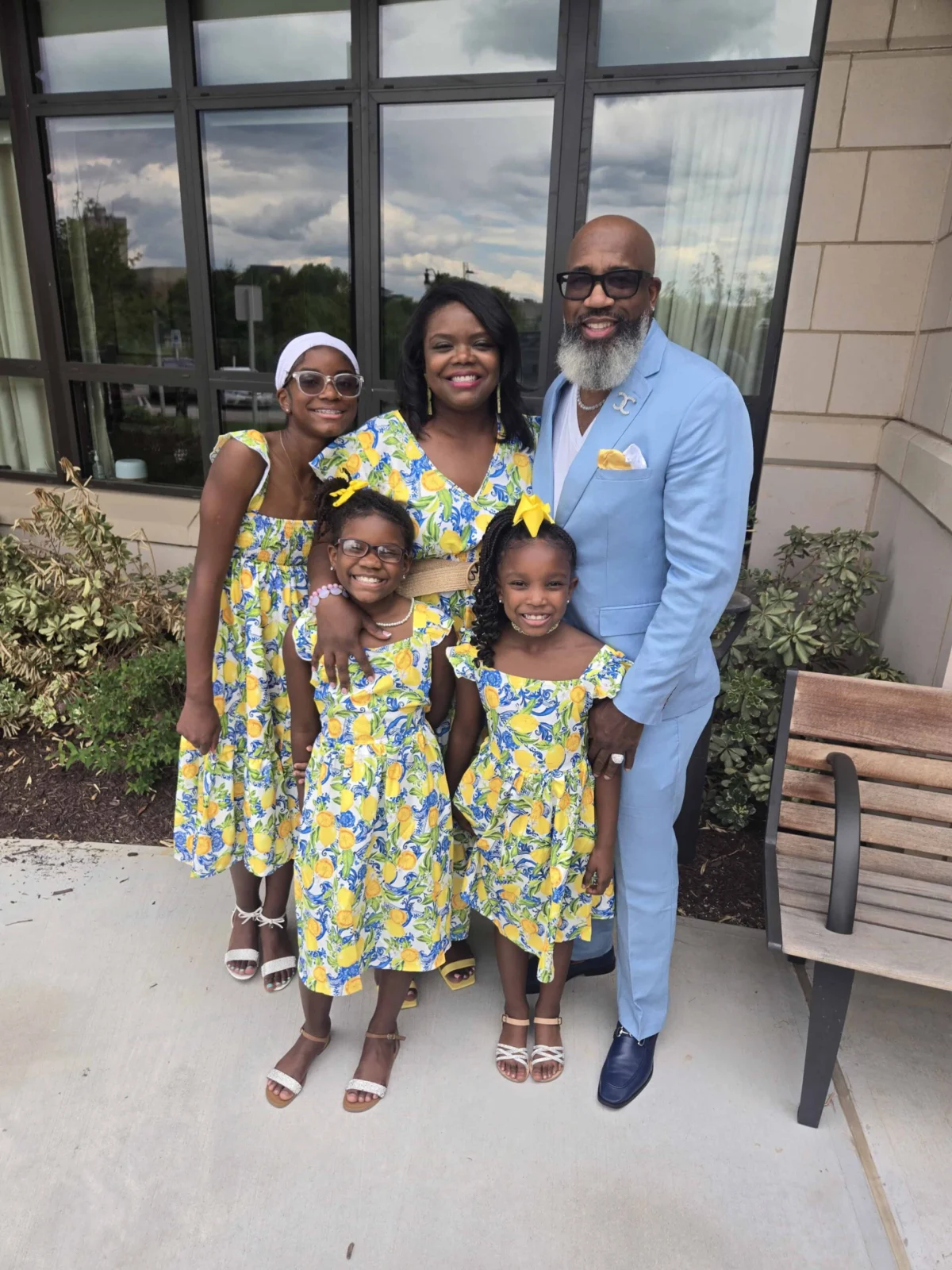
- July 2021: The diagnosis. At 36, with three young daughters, Bolds-Johnson’s life transitioned from caregiver to patient. She faced the daunting reality of stage 3 TNBC, requiring an immediate and intensive treatment plan.
- The Treatment Phase: Moving beyond standard chemotherapy, Bolds-Johnson sought to understand her options. Her clinical background allowed her to navigate the complexities of her diagnosis, eventually leading her to participate in an immunotherapy-based clinical trial.
- April 2023: A milestone in survivorship. Bolds-Johnson completed her treatment cycle. However, as she notes, the "cancer journey" is rarely linear. The psychological and physical residual effects of the diagnosis remain, fueling her transition into full-time advocacy.
- Present Day: Bolds-Johnson has returned to the academic and clinical sphere, not as the physician assistant she was, but as a clinical research sub-investigator. Her work now focuses on clinical trial equity and ensuring that the next generation of patients has a better experience than the last.
Supporting Data: Why Clinical Trials Matter
The skepticism surrounding clinical trials is common, yet the data suggests they are the most effective way to refine medical science. Clinical trials are structured, supervised research studies designed to evaluate the safety and efficacy of new treatments.
The "Medical Trust Fund" Concept
Bolds-Johnson famously describes her participation in a clinical trial as building a "medical trust fund" for her daughters. Just as one saves money for a child’s future, Bolds-Johnson invested her time and health into the research ecosystem to ensure that if her children ever face a similar diagnosis, the medical tools available will be more advanced, more targeted, and more effective.
Addressing Health Disparities
Clinical research faces a persistent challenge: the lack of diversity in study participants. When trials lack representation across different racial, ethnic, and socio-economic backgrounds, the resulting data may not reflect the biological realities of the broader population. Bolds-Johnson’s advocacy emphasizes that for cancer care to truly improve, the "trial population" must look like the "patient population."
Official Perspectives: The Role of the Medical Community
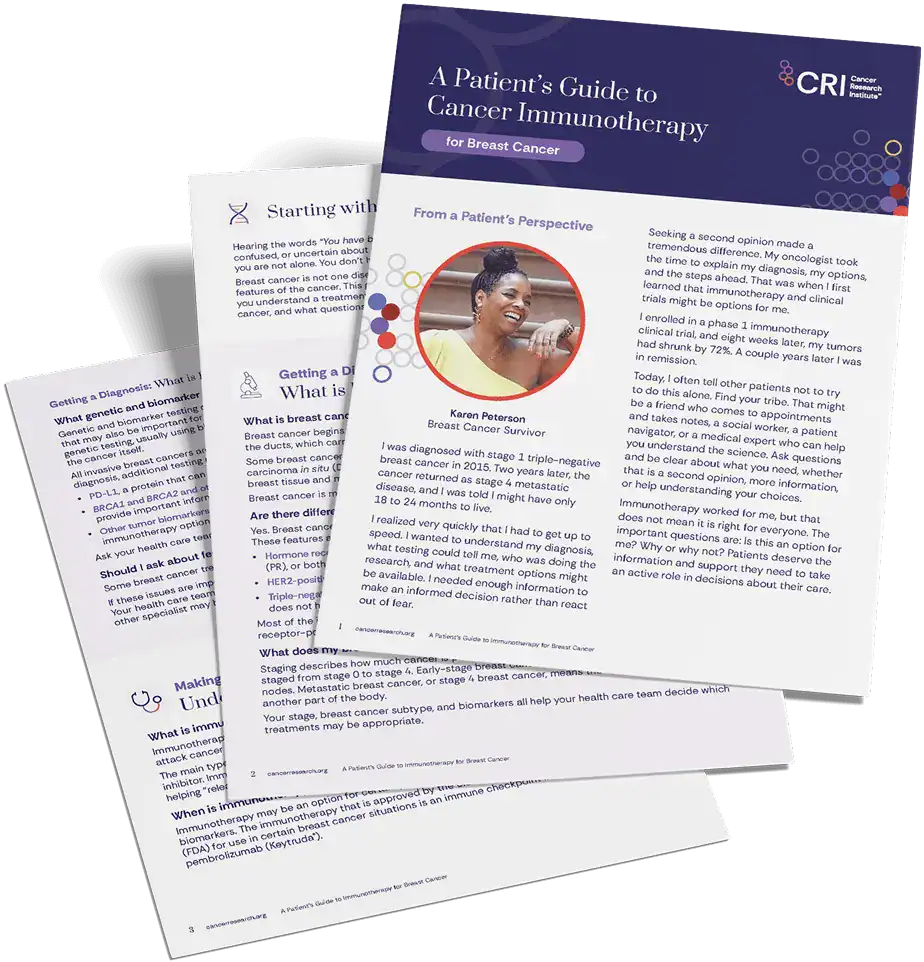
The medical community, including organizations like the Cancer Research Institute (CRI), emphasizes that trials are a standard component of high-quality cancer care.
Experts maintain that clinical trials are essential for:
- Safety Monitoring: Trials are subjected to intense scrutiny by the FDA and Institutional Review Boards (IRBs).
- Access to Innovation: Participants often gain early access to breakthrough therapies (such as checkpoint inhibitors, cancer vaccines, and cell-based therapies) that may not be available for years in the standard market.
- Combinatorial Efficacy: Researchers are currently studying how to pair immunotherapy with traditional treatments like radiation and antibody-drug conjugates to maximize results while minimizing toxicity.
Implications for Future Patients
The implications of Bolds-Johnson’s journey are clear: patients must become their own best advocates. This means moving past the stigma that "clinical trial" equates to "giving up." In reality, it often means choosing a path that utilizes the most cutting-edge science available.
How to Navigate Your Options
For those newly diagnosed or seeking secondary opinions, the conversation with a care team should be exhaustive. Bolds-Johnson recommends asking the following:
- "Are there any clinical trials that match my specific tumor profile?"
- "How would participating in this trial change my current treatment schedule?"
- "What are the known risks and the potential benefits compared to the current standard of care?"
- "How can I ensure my treatment team coordinates with the clinical research team?"
Breaking Down the Myths: A Clinical Trial FAQ
To demystify the process, it is helpful to address common concerns directly:
Are trials safe?
Safety is the primary focus of every trial. Participants are monitored more closely than patients receiving standard care, with constant oversight by independent boards.
What about placebos?
In oncology, the use of a "pure" placebo (a pill with no medicine) is extremely rare and unethical. When a placebo is used, it is almost always in addition to the standard of care. You are never left without treatment.
Will it be too expensive?
While insurance coverage varies, many clinical trials cover the costs of the experimental drug and the extra monitoring tests associated with the research. Patients should always consult with a financial navigator at their cancer center.
Do I have to stop seeing my primary oncologist?
In most cases, no. Clinical trials often work in tandem with your existing care team. Your primary doctor remains a vital part of your support system, even if the research is conducted at a specialized center.
Conclusion: Turning Lemons into Pink Lemonade
LaToya Bolds-Johnson’s story is a testament to the power of personal agency in the face of systemic challenges. Through her children’s book, When Life Gives You Lemons, Make Pink Lemonade, she teaches her daughters—and by extension, the public—that hope is not passive. It is something we build through action, inquiry, and the courage to participate in scientific progress.
As the medical community continues to unlock the potential of immunotherapy and precision medicine, the stories of patients like Bolds-Johnson will remain the heartbeat of the movement. Her transition from patient to sub-investigator is the ultimate "full circle" moment, proving that when we share our experiences and demand better access to research, we do more than just fight a disease; we pave the way for a future where cancer is no longer a death sentence, but a manageable, and perhaps one day, preventable condition.
For patients and families looking to explore these avenues, resources such as the CRI’s Clinical Trial Finder are available to help identify opportunities tailored to individual biological profiles. Advocacy starts with a question; progress starts with a choice.