










By Editorial Staff | November 10, 2026
In an era defined by persistent digital connectivity and the rapid pace of modern life, the human nervous system is frequently trapped in a cycle of "fight or flight." For many, the simple act of intentional breathing has become a radical form of self-care. Radiance Basden, a certified yoga instructor and wellness advocate, is championing a return to basics: utilizing breathwork, mindful stretching, and the restorative power of the natural world to recalibrate the body and mind.
Basden’s approach is not merely a spiritual suggestion; it is rooted in a growing body of clinical evidence that suggests outdoor environments act as a biological reset button for the stressed human system. As we navigate the complexities of 2026, the intersection of somatic movement and nature-based grounding has emerged as a critical pillar for mental resilience.
The Science of "Green Exercise"
The premise behind Basden’s work is supported by robust environmental psychology. Research published in reputable journals, including the National Center for Biotechnology Information (NCBI), consistently highlights that time spent in natural settings—often referred to as "green exercise"—can significantly reduce cortisol levels, lower blood pressure, and improve mood markers.
When we practice mindfulness outdoors, we engage in a sensory feedback loop. The ambient sounds of the wind, the texture of the ground, and the quality of natural light provide "soft fascination," a psychological concept where the brain is gently engaged without being overstimulated. Unlike the harsh, flickering blue light of digital screens, natural environments allow the parasympathetic nervous system to take dominance. By teaching the body that it is safe, we move from a state of survival to one of restorative wellness.
A Chronology of the 11-Minute Reset
To help individuals integrate these practices into their daily routines, Basden has developed an 11-minute protocol designed to be performed in any outdoor space—whether a park bench, a garden, or a quiet rocky clearing. The following sequence is designed to move the practitioner from a state of high tension to grounded presence.
The Preparation: Establishing the Foundation
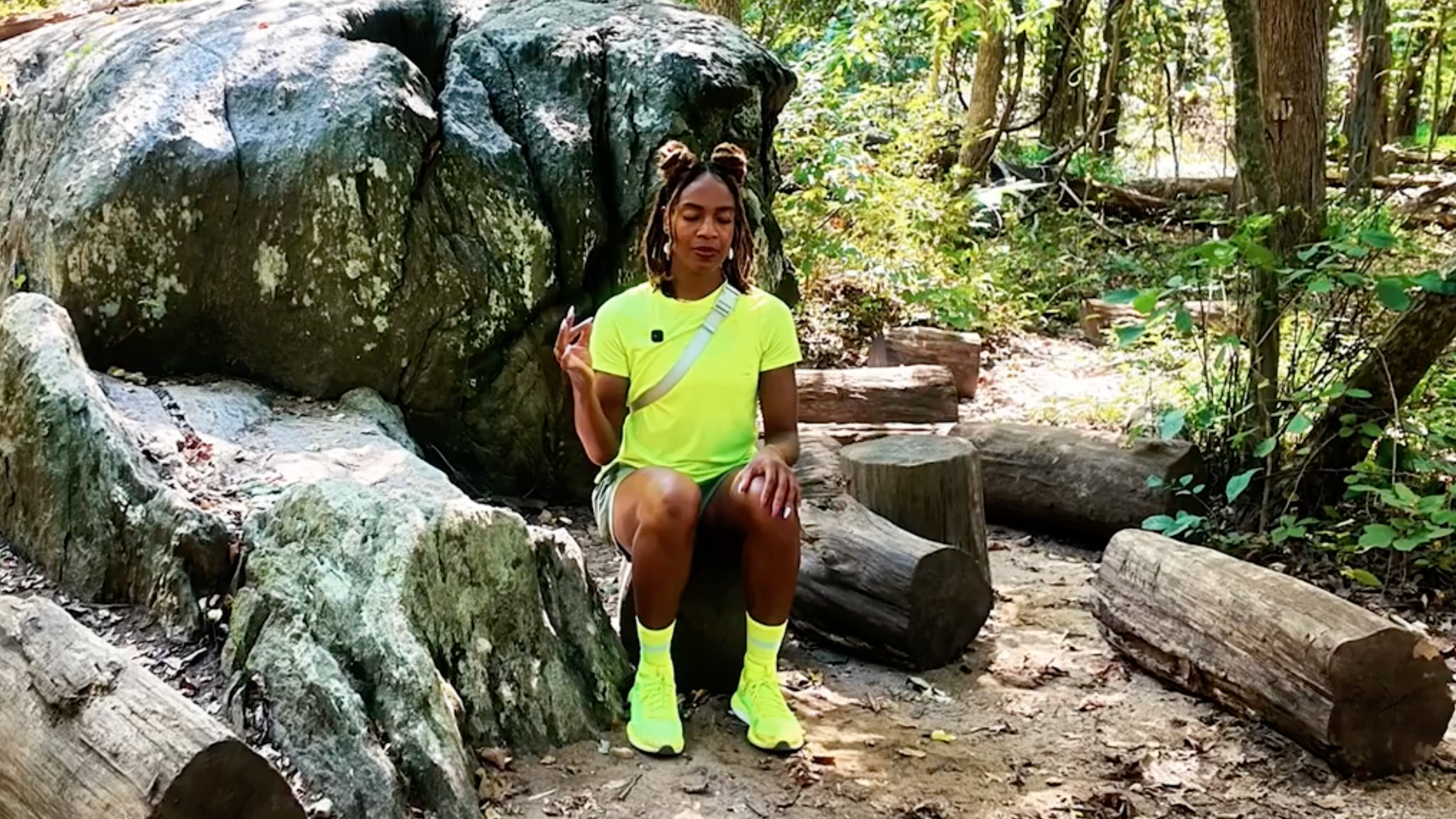
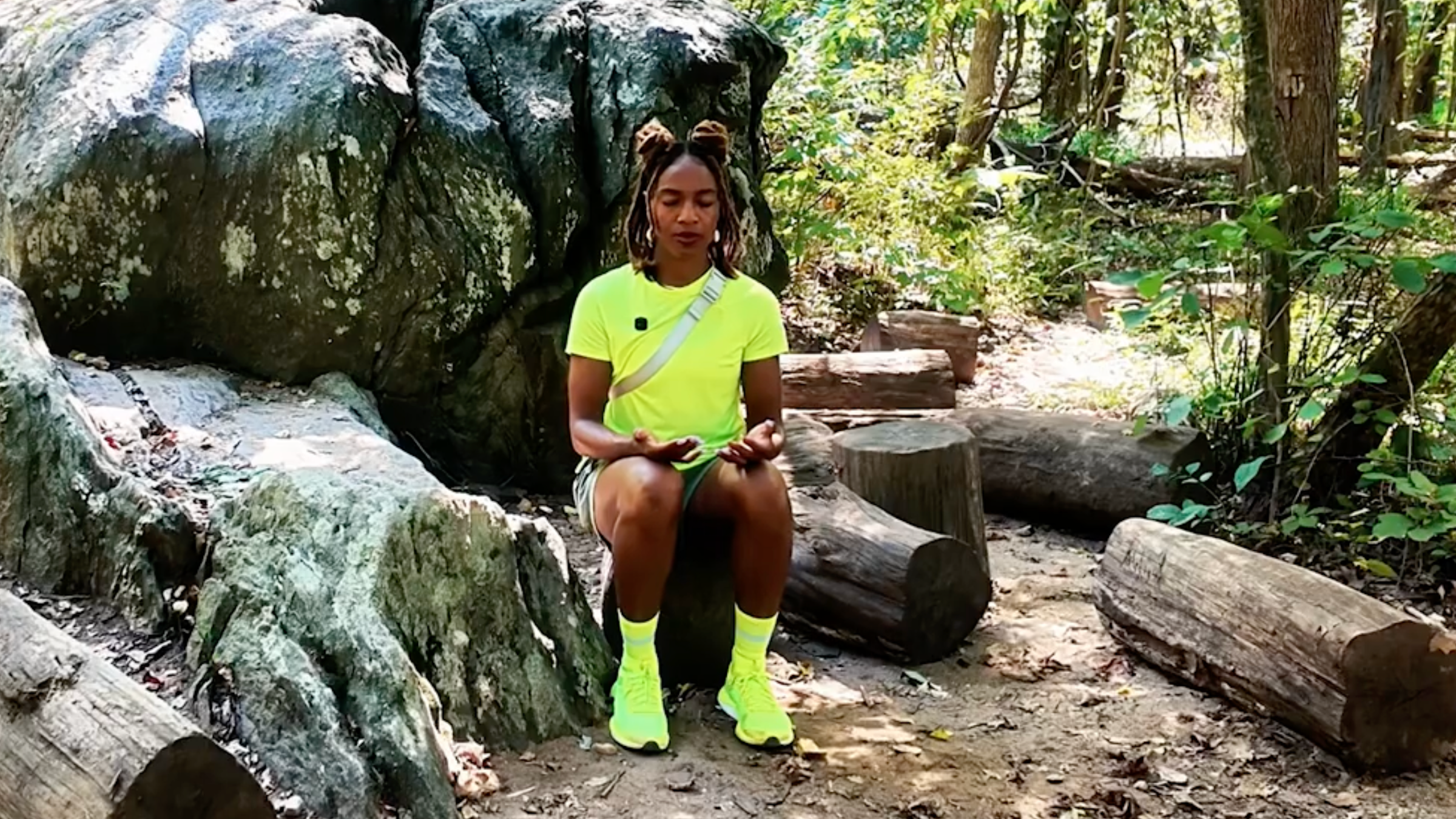
The practice begins with the selection of a supportive seat. Whether utilizing a bench, a chair, or a natural stone, the goal is to establish a firm connection between the body and the earth.
- Alignment: Ensure feet are planted firmly, acting as an anchor.
- Scan: Perform a mental check-in, consciously releasing tension from the shoulders, jaw, and hands.
- Initial Breath: Engage in three deep, deliberate cycles of breathing—inhaling through the nose to energize, and exhaling through the mouth to release stored carbon dioxide and stress.
The Humming Breath (Bhramari)
The first active phase involves the "Humming Breath." By inhaling through the nose and creating a sustained humming sound on the exhale, the practitioner stimulates the vagus nerve. This vibration is not just internal; it has a physiological effect on the nervous system, encouraging a state of calm. Basden suggests repeating this five times, allowing the duration of the hum to be dictated by the length of the breath.
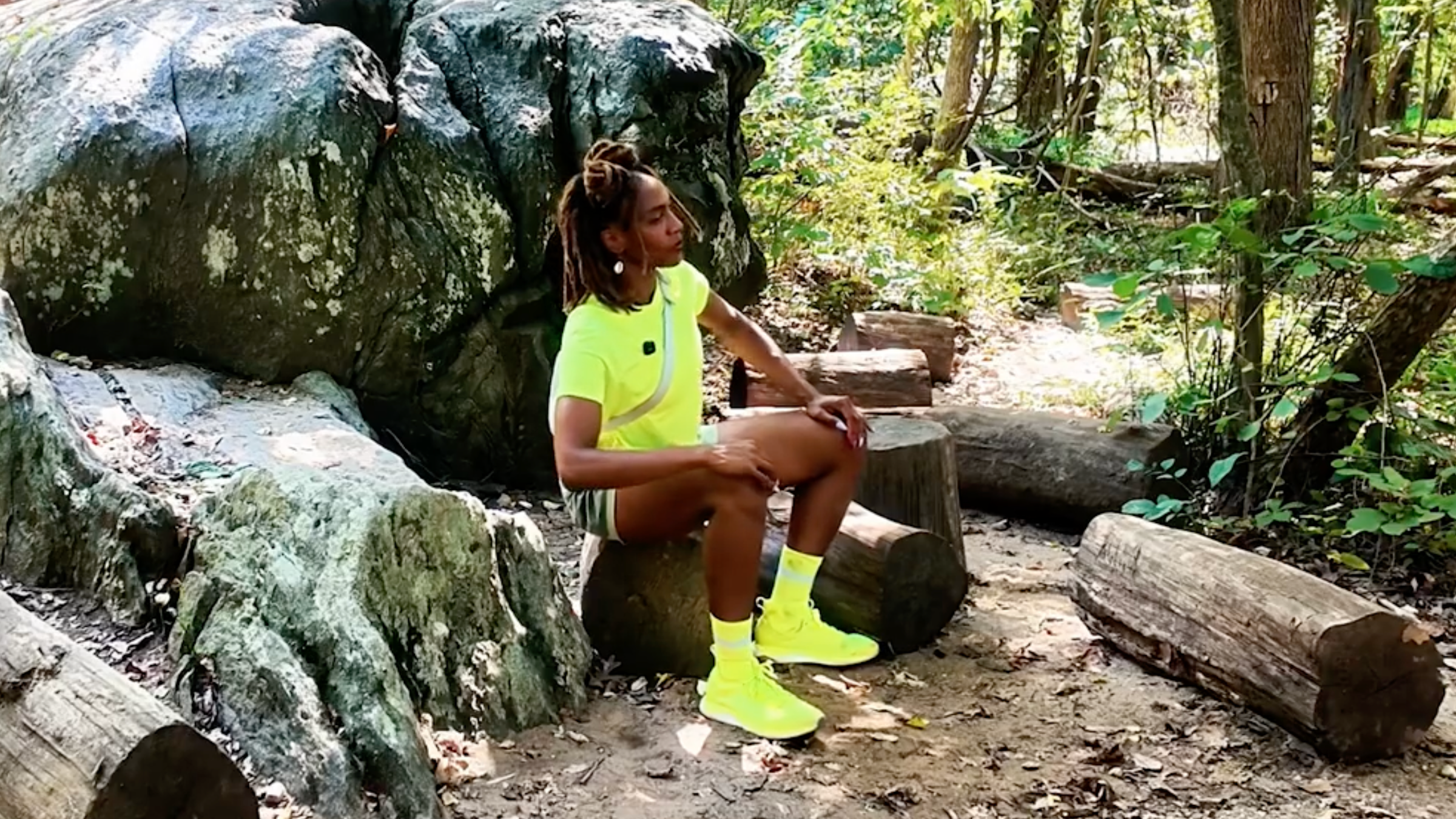
The Mobility Phase: Hip Circles
After a brief pause to observe the internal vibrations, the focus shifts to the hips—a primary storage site for emotional and physical tension. With feet shoulder-width apart, the practitioner leads with the shoulders, rotating the torso in large, intentional circles. Moving eight times in one direction and then reversing the flow encourages synovial fluid to lubricate the hip joints and invites the practitioner to identify and "breathe into" areas of tightness.
The Flow: Seated Cat-Cow
This sequence translates the traditional floor-based yoga posture into a seated format, making it accessible to those with limited mobility.
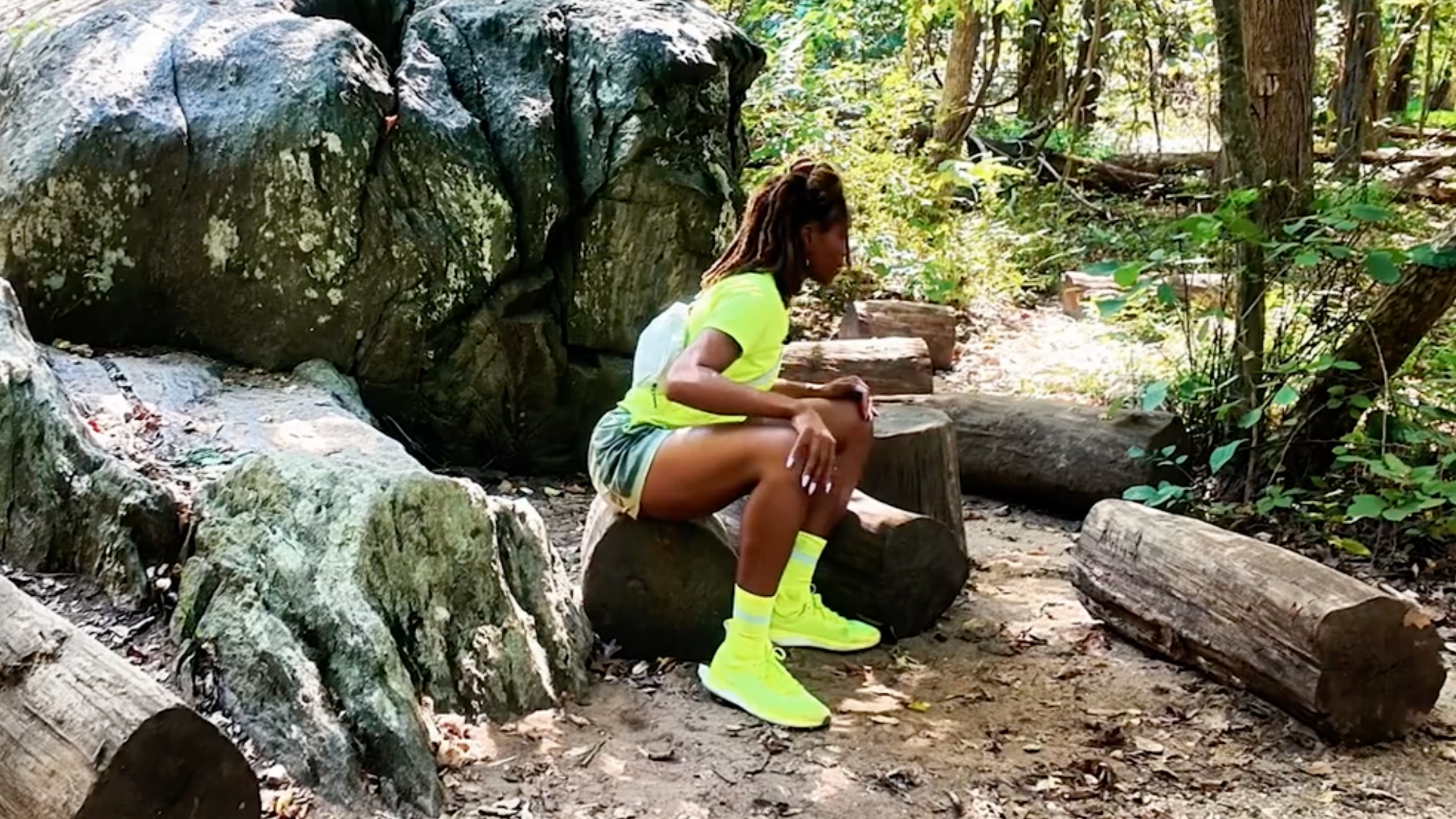
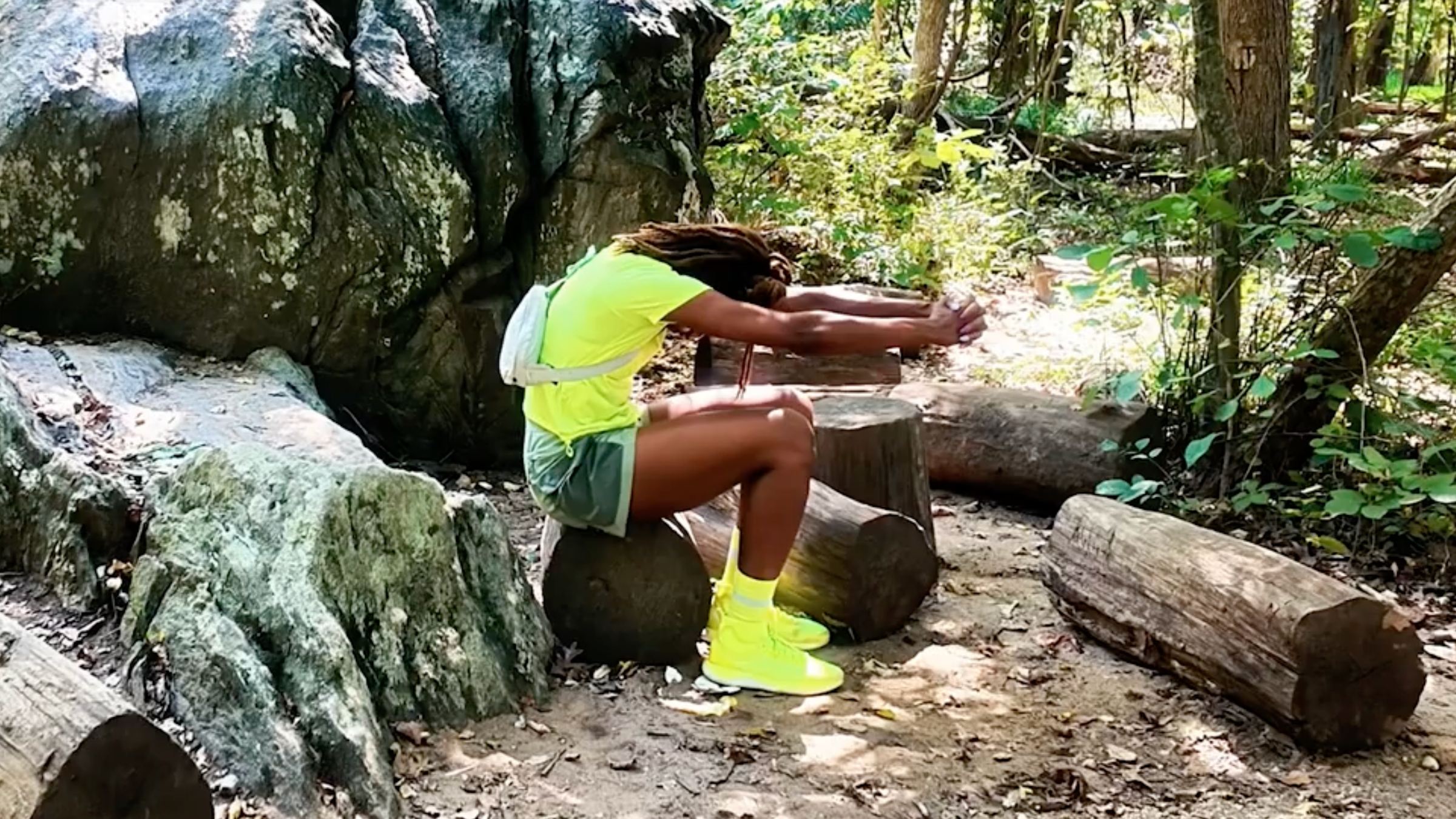
- Cow Pose: On the inhale, the chest lifts and the spine arches, creating a gentle opening of the front body.
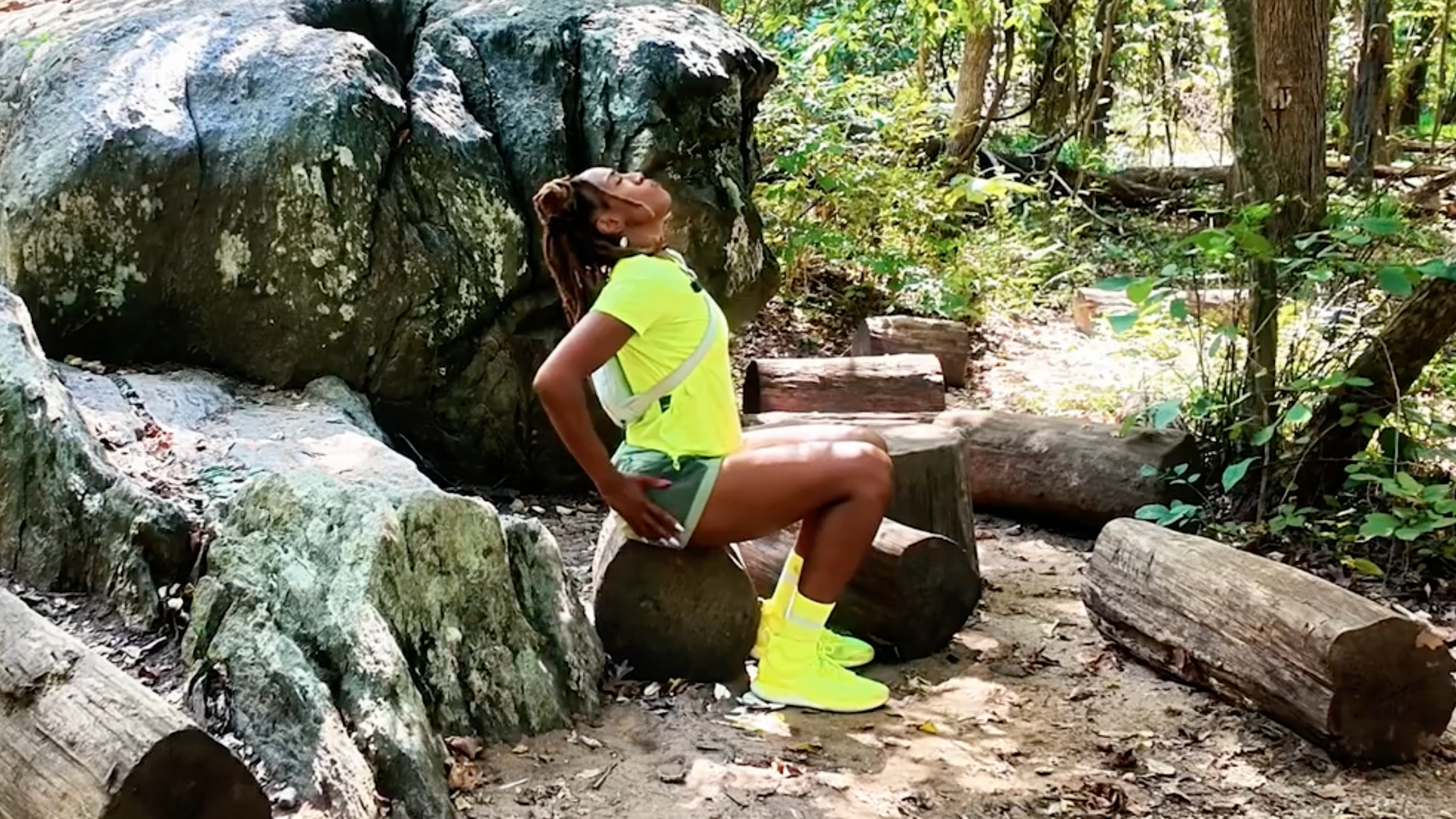
- Cat Pose: On the exhale, the spine rounds, the chin tucks, and the hands hold the knees for support.
Moving through this cycle ten times, in synchronization with the breath, creates a rhythmic, meditative state that stabilizes the heart rate.
The Full-Body Release: Breath of Joy Variation
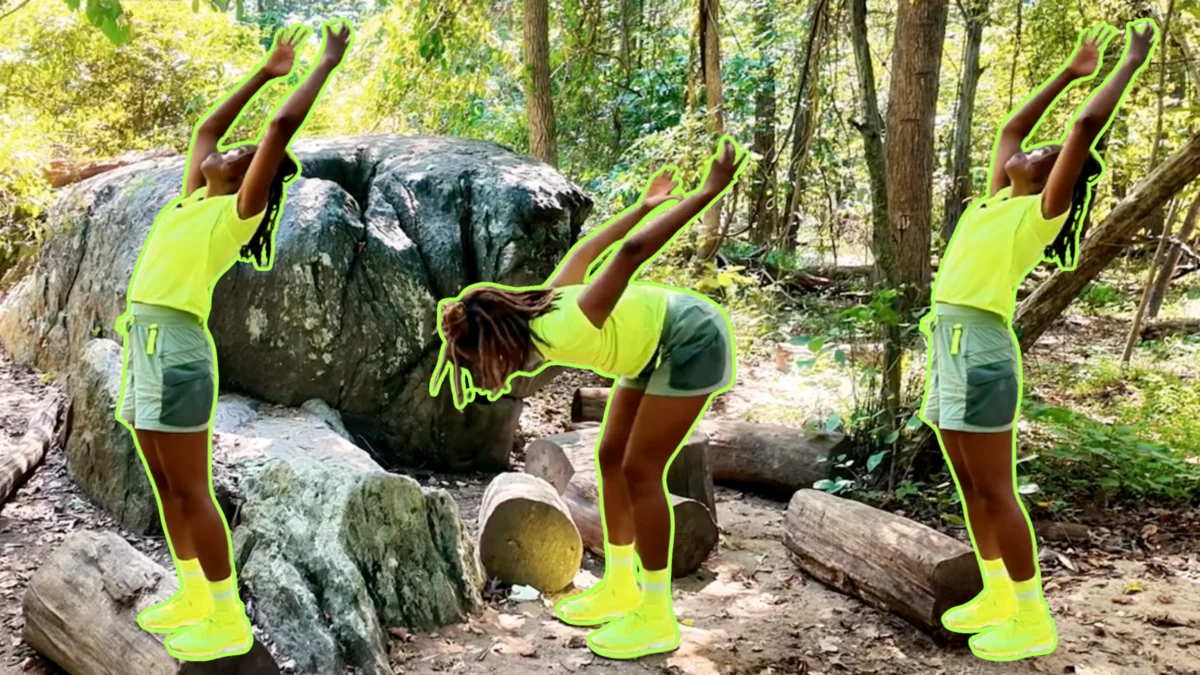
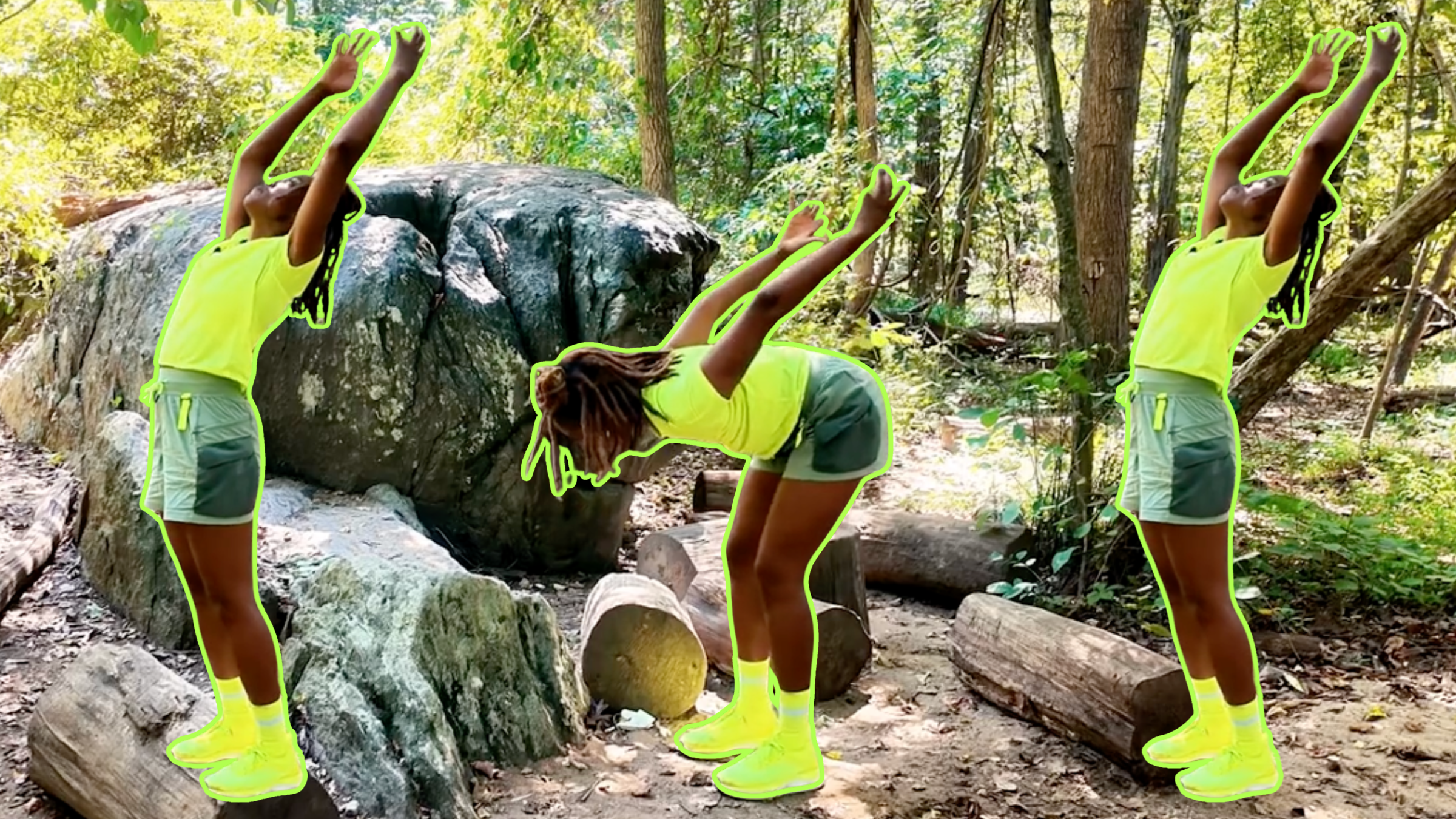
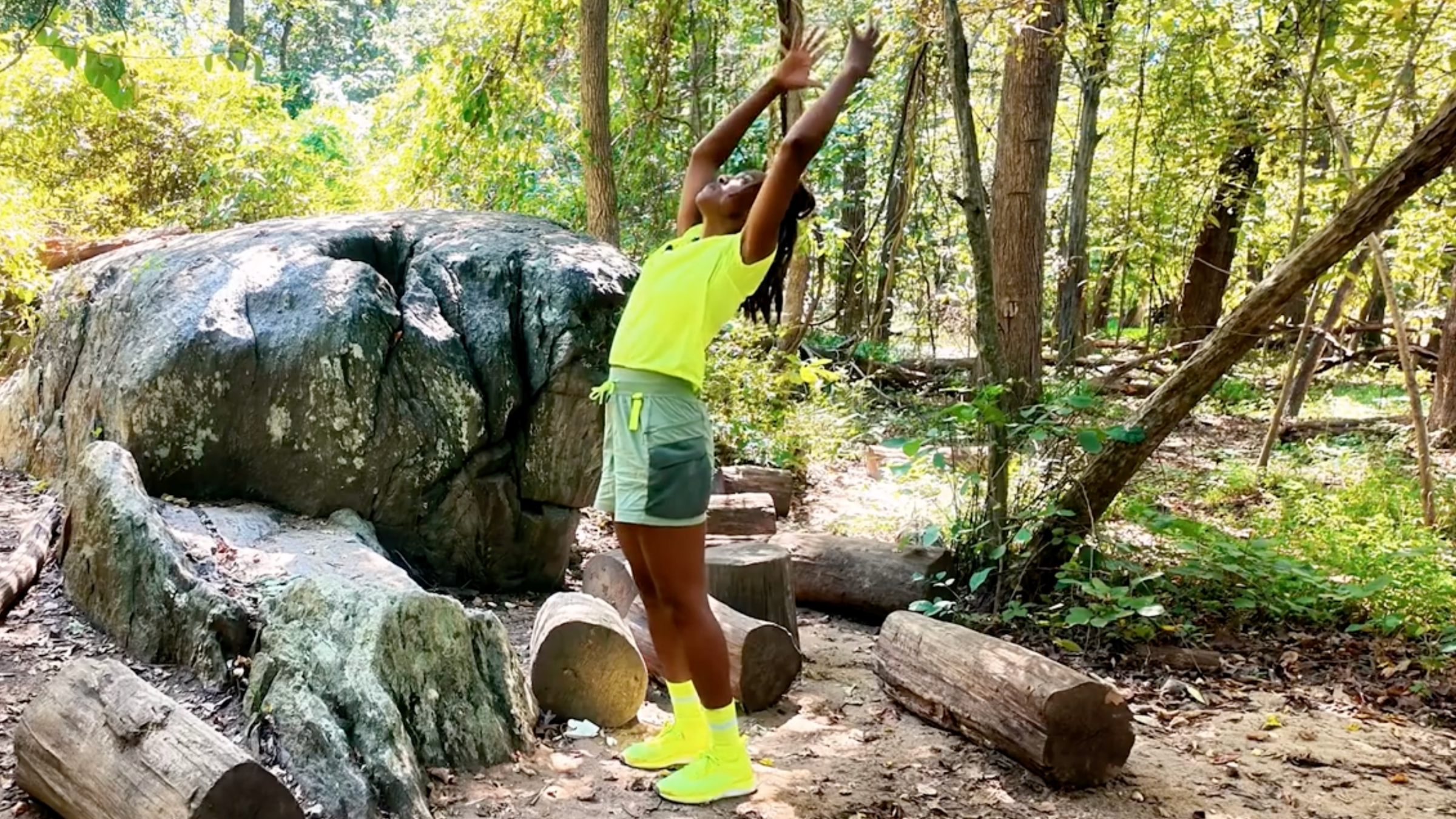
Transitioning to a standing position, the "Breath of Joy" variation serves as an energetic release. This is a dynamic, three-part inhalation followed by a powerful, audible exhalation. By throwing the arms overhead on the inhale and swinging them down with a "whooshing" sound on the exhale, the practitioner physically expels stagnant energy. This stage lasts for one minute, effectively shifting the practitioner’s internal temperature and mood.
Closing in Mountain Pose (Tadasana)
The practice concludes in Tadasana, or Mountain Pose. This posture is deceptively simple: standing tall with feet grounded and spine elongated. It serves as a return to the center. By holding this for five breath cycles, the practitioner integrates the benefits of the previous movements, finally coming to a place of stillness.
Supporting Data: Why Nature Matters
The efficacy of Basden’s 11-minute protocol is bolstered by data concerning the "biophilia effect." Studies indicate that individuals who practice mindfulness in green spaces report a 20% higher increase in perceived well-being compared to those who practice exclusively indoors.
The data suggests that:
- Cognitive Load: Natural sounds, such as birdsong or rustling leaves, reduce the "noise" of internal rumination.
- Respiratory Efficiency: Fresh air, away from urban pollutants, facilitates deeper, diaphragmatic breathing.
- Somatic Regulation: Physical contact with surfaces (like sitting on a rock or a bench) improves proprioception, or the body’s awareness of its position in space, which is often lost during moments of extreme anxiety.
Official Responses and Expert Consensus
Wellness experts and somatic therapists have largely lauded the shift toward "accessible wellness." Dr. Elena Thorne, a clinical psychologist specializing in stress management, notes: "The beauty of the 11-minute model is that it eliminates the barrier of entry. Many people feel that yoga or meditation requires an hour of time or a studio setting. By validating the use of a simple park bench and everyday movements, Basden is democratizing stress relief."
Furthermore, the integration of breathwork into the public health conversation is gaining traction. As the medical community continues to explore non-pharmacological interventions for anxiety, protocols that utilize the vagus nerve—such as the humming breath described by Basden—are being recommended as primary, rather than secondary, therapeutic tools.
Implications for the Future of Wellness
The implications of this movement are significant. If individuals can effectively manage their stress levels through 11-minute, nature-based intervals, the strain on mental health resources could potentially be mitigated. Moreover, there is a cultural shift occurring: we are moving away from the "no pain, no gain" mentality of fitness and toward a model of restorative movement.
This approach suggests that we do not need to "conquer" our stress; we only need to give our nervous systems the tools to regulate themselves. By stepping outside and engaging in intentional, gentle movement, we reclaim our equilibrium.
Final Thoughts
As Radiance Basden emphasizes, the most profound benefits often come from the simplest acts. Whether you are in a bustling city park or a quiet suburban backyard, the invitation to breathe on purpose remains the same. The next time you feel the weight of the day pressing down, consider the 11-minute protocol. Nature is waiting, and your body is ready to return to a state of peace.
Linger in the final stillness for as long as you need—the world will still be there when you are ready to re-enter it, but you will be arriving from a place of renewed strength and clarity.