









For millions of adults worldwide, Obstructive Sleep Apnea (OSA) is more than just a nocturnal nuisance—it is a chronic health condition that disrupts restorative sleep and places significant strain on the cardiovascular system. As the prevalence of obesity continues to rise, so too does the clinical interest in pharmacological interventions that address weight management as a primary driver of sleep-related breathing disorders.
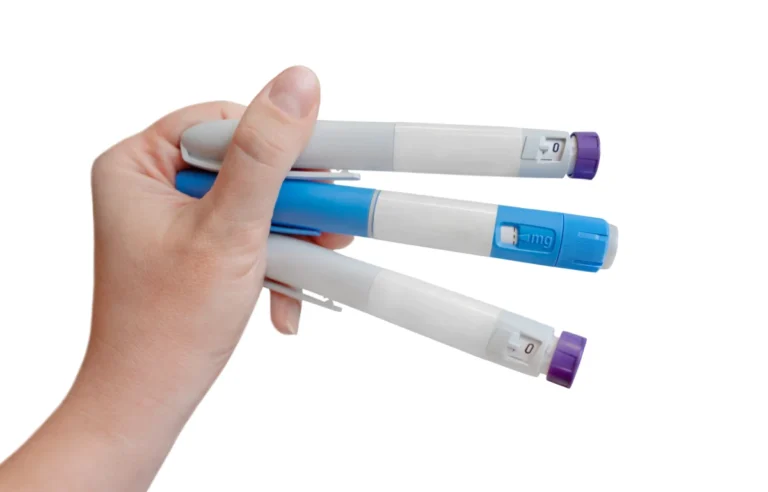
Among the most discussed treatments are Glucagon-like peptide-1 receptor agonists (GLP-1s), such as Ozempic. While these medications have gained immense popularity for their efficacy in managing blood glucose and inducing weight loss, their role in treating sleep apnea is nuanced, strictly regulated, and often complicated by insurance barriers.
The Connection: Why Weight Management Matters for Sleep
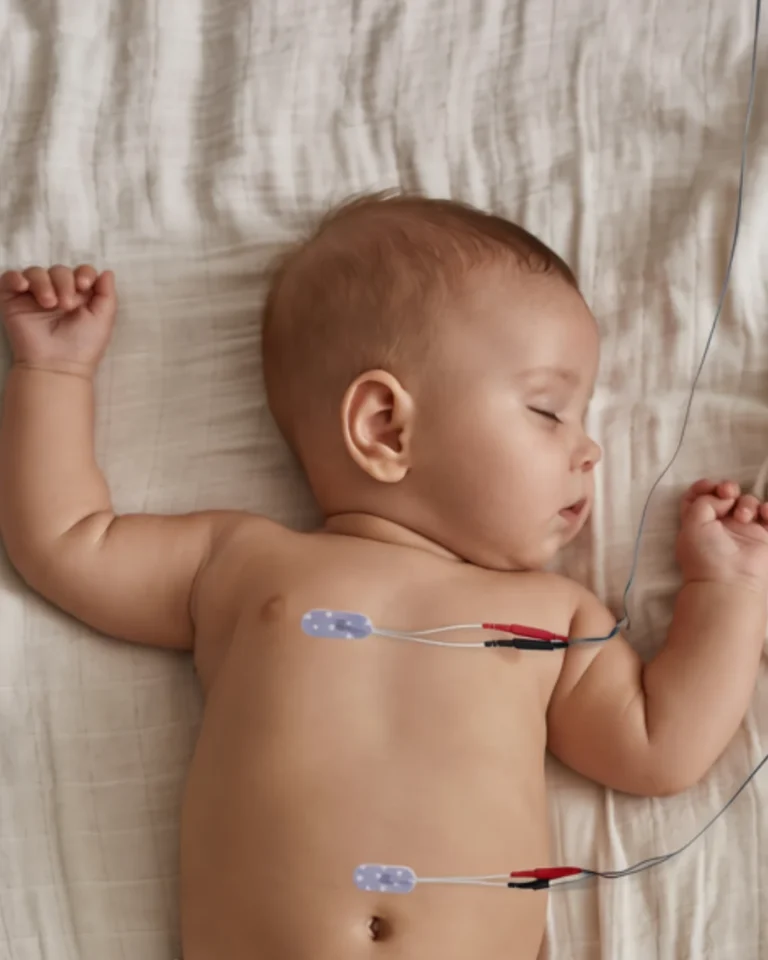
Obstructive Sleep Apnea occurs when the muscles in the throat relax excessively during sleep, causing the airway to collapse or become obstructed. These interruptions, known as apneas or hypopneas, can last between 10 and 30 seconds and occur dozens of times per hour.
Clinical data confirms that excess adipose tissue—particularly in the neck and abdominal regions—is a primary mechanical contributor to OSA. When fat accumulates around the airway, it creates physical pressure that narrows the passage, making it significantly easier for tissues to block the airway during the relaxation phase of sleep. According to current research, approximately 31% of individuals diagnosed with OSA struggle with obesity, while an additional 44% are classified as overweight.
The physiological link is clear: weight reduction leads to structural relief of the airway. A comprehensive study review highlighted the efficacy of this approach, finding that a 20% reduction in Body Mass Index (BMI) resulted in a 57% decrease in the severity of sleep apnea symptoms.
Chronology of GLP-1 Development and FDA Regulatory Status
The landscape of weight-loss medication has shifted rapidly over the last five years, moving from specialized diabetes management to mainstream metabolic health tools.
- Early Adoption (2017–2021): Ozempic (semaglutide) gained initial FDA approval exclusively for the management of type 2 diabetes. While patients noted secondary weight loss, it was not yet labeled as a weight-loss drug.
- Expansion (2021–2023): The FDA approved Wegovy (a higher-dose formulation of semaglutide) specifically for chronic weight management. During this time, clinicians began exploring "off-label" uses, including the potential for alleviating OSA symptoms, though coverage remained sparse.
- The Turning Point (2024): In a landmark move, the FDA officially approved Zepbound (tirzepatide) for the treatment of moderate to severe OSA in adults living with obesity. This approval marked the first time a GLP-1 medication was explicitly validated for a sleep-breathing disorder, changing the trajectory for insurance reimbursement and clinical guidelines.
Supporting Data: Efficacy and Comparative Results
Not all GLP-1s function with the same clinical outcomes regarding respiratory health. Clinical trials have begun to differentiate between medications like liraglutide (Saxenda), semaglutide (Wegovy/Ozempic), and tirzepatide (Zepbound).
Research indicates that tirzepatide, a dual GIP/GLP-1 receptor agonist, may offer superior outcomes for sleep apnea compared to older iterations. Beyond simple weight reduction, trials have shown that patients treated with tirzepatide reported significant improvements in daytime vigilance and blood pressure stabilization. These are critical metrics, as hypertension is a common comorbidity for those suffering from the chronic hypoxia caused by untreated OSA.
Data from the SURMOUNT-OSA clinical trials served as the backbone for the 2024 FDA approval of Zepbound. The study demonstrated that participants experienced a significant reduction in the Apnea-Hypopnea Index (AHI)—the standard clinical measure of sleep apnea severity—following a course of treatment.
The Reality of Insurance Coverage and Financial Hurdles
One of the most frequent questions patients ask is whether their insurance will cover the cost of these medications for sleep apnea. The answer is rarely a simple "yes" or "no."
The "Off-Label" Obstacle
Because Ozempic is FDA-approved only for type 2 diabetes, most insurance carriers categorically deny claims for Ozempic when the diagnosis is solely sleep apnea. This is classified as "off-label" use. Even if a physician documents that weight loss is the most effective way to treat the patient’s apnea, insurers are often bound by strict formulary lists that do not recognize Ozempic for non-diabetic metabolic health.
The Rise of Zepbound Coverage
Following the 2024 FDA approval, the landscape for Zepbound is changing. Because it carries an official indication for OSA, many private insurers are beginning to add it to their formularies. However, this coverage is almost universally tied to a "Prior Authorization" process. To qualify, patients often need to prove:
- Clinical Necessity: A verified diagnosis of moderate-to-severe OSA.
- Step Therapy: Documentation that the patient has attempted, or is intolerant to, CPAP (Continuous Positive Airway Pressure) therapy.
- Structured Programs: Proof of engagement in a medically supervised weight-loss program prior to the authorization of the drug.
Financial Implications
Without insurance, the costs are substantial. Ozempic can retail for approximately $499 to $900 per month depending on the pharmacy and region. While some pharmaceutical companies offer patient assistance programs or discount cards, these are often restricted to those with commercial insurance and may not apply to government-funded programs like Medicare or Medicaid.
Navigating the Appeal Process
If a request for medication is denied, patients are not necessarily at the end of the road. Most insurance providers have a formal appeals process.
- Review the Denial Letter: Always obtain the specific reason for denial. Is it a lack of medical necessity, or is the drug simply excluded from the plan?
- Physician Advocacy: A "Letter of Medical Necessity" from a sleep specialist or endocrinologist is the strongest tool in an appeal. This letter should explicitly connect the patient’s OSA severity to the need for weight-related pharmacological intervention.
- The Internal/External Appeal: Most plans offer an internal appeal within six months of denial. If that fails, patients can request an independent external review by a third party, which removes the decision-making process from the insurer’s internal team.
Holistic Alternatives and Lifestyle Integration
Medication is rarely a "silver bullet" for sleep apnea. Even for those who qualify for GLP-1 therapy, medical professionals emphasize that these drugs are designed to be used in conjunction with, not as a replacement for, healthy lifestyle modifications.
Dietary Adjustments
Creating a sustainable calorie deficit is essential. Clinical nutritionists often suggest focusing on high-protein, fiber-rich diets that regulate blood sugar levels, which helps minimize the "crashes" that lead to overeating. Avoiding inflammatory triggers, such as excess alcohol and late-night sugary snacks, is particularly vital for OSA patients, as alcohol acts as a muscle relaxant that can exacerbate airway collapse during the night.
Physical Activity and Resistance Training
While cardio is often touted for weight loss, resistance training is arguably more important for long-term metabolic health. By increasing muscle mass, patients can improve their resting metabolic rate, which aids in maintaining weight loss once the medication is discontinued. The U.S. Department of Health and Human Services recommends 150 to 300 minutes of moderate-intensity exercise per week, combined with at least two days of muscle-strengthening activity.
Conventional Sleep Apnea Treatments
It is important to remember that until significant weight is lost, the airway remains vulnerable. Standard treatments such as CPAP, APAP, or oral appliances remain the "gold standard" for managing immediate respiratory risks. Relying solely on medication while waiting for weight loss to occur can be dangerous if the apnea remains severe, as the risk of cardiovascular events persists.
Implications for the Future of Sleep Medicine
The intersection of GLP-1 therapy and sleep medicine signals a shift toward a more integrated model of care. As we move forward, the medical community expects:
- Personalized Treatment Plans: Doctors will likely move toward "combination therapy," where GLP-1s are used to facilitate weight loss while CPAP continues to provide immediate airway support.
- Standardized Guidelines: As more data emerges, we expect insurance companies to adopt more uniform policies regarding GLP-1s for OSA, reducing the current disparity in coverage.
- Increased Focus on Comorbidities: Because GLP-1s address the systemic nature of metabolic syndrome, their use for sleep apnea may ultimately reduce the long-term healthcare costs associated with heart disease, stroke, and diabetes.
Conclusion
While the potential for GLP-1 medications like Ozempic and Zepbound to improve sleep apnea symptoms is significant, they are not a quick fix. Success requires a combination of medical supervision, insurance navigation, and a commitment to long-term lifestyle changes. Patients experiencing symptoms of sleep apnea should prioritize a comprehensive sleep study and consult with their primary care provider to discuss whether these newer pharmacological options align with their specific health history and insurance coverage.
Disclaimer: The information provided in this article is for educational purposes only and does not constitute medical advice, diagnosis, or treatment. Always consult with a qualified healthcare provider regarding any medical condition or before beginning any new medication or treatment plan.