










In the modern landscape of healthcare, the management of chronic pain has long been a source of frustration for both patients and practitioners. For decades, the primary response to debilitating physical agony was the over-prescription of pharmaceutical interventions—a pathway that often led to dependency and systemic side effects without addressing the underlying physiological dysfunction.
However, a paradigm shift is underway. At the forefront of this transformation is the Southwest Florida (SWFL) Pain Center, a facility that has successfully synthesized advanced surgical precision with a compassionate, patient-centered philosophy. By moving away from a “drug-first” mentality and toward “interventional” diagnostics and treatments, the center is setting a new benchmark for how we treat the human body’s most complex discomforts.
Main Facts: The Interventional Approach
At its core, the Southwest Florida Pain Center operates on a simple but radical premise: pain is not merely a sensation to be masked, but a symptom to be decoded and neutralized at its source.
Unlike traditional pain clinics that may rely on oral medication management, the SWFL Pain Center utilizes interventional pain management. This medical specialty focuses on the use of minimally invasive techniques to diagnose and treat the root cause of pain. The center’s methodology integrates high-tech diagnostic imaging—such as ultrasound and fluoroscopy—with sophisticated surgical interventions.
The primary objective is the mitigation of chronic pain without the long-term reliance on narcotics. By utilizing targeted injections, electrical stimulation, and ablative technologies, the center allows patients to reclaim their mobility and quality of life. The combination of “high-tech” surgical suites and a “high-touch” clinical atmosphere has earned the center significant accolades within the medical community and regional press.
Chronology: From Conventional Care to Modern Innovation
The history of pain management is marked by a transition from rudimentary symptom suppression to the high-precision era of the 21st century.
- The Era of Reliance (Late 20th Century): For years, the standard of care for chronic back, neck, and joint pain was systemic medication. While effective for acute injury, this approach often failed the chronic pain demographic, leading to the well-documented opioid crisis.
- The Emergence of Interventionalism (Early 2000s): Medical researchers began to prove that spinal, neural, and musculoskeletal pain could be addressed more effectively through direct, localized intervention.
- The Establishment of SWFL Pain Center: Recognizing a void in the Florida market for comprehensive, state-of-the-art interventional care, the center was founded to bring tertiary-level pain management directly into the local community.
- Technological Integration (2010s–Present): The center moved to adopt cutting-edge modalities such as Spinal Cord Stimulation (SCS) and Radiofrequency Ablation (RFA). By integrating on-site surgical suites, the center streamlined the patient experience, moving from diagnostic imaging to therapeutic intervention under one roof.
Supporting Data: The Science of Precision
The efficacy of the SWFL Pain Center is rooted in its diverse suite of advanced treatments. To understand why this approach is gaining traction, one must look at the specific technologies being deployed:
1. Spinal Cord Stimulation (SCS)
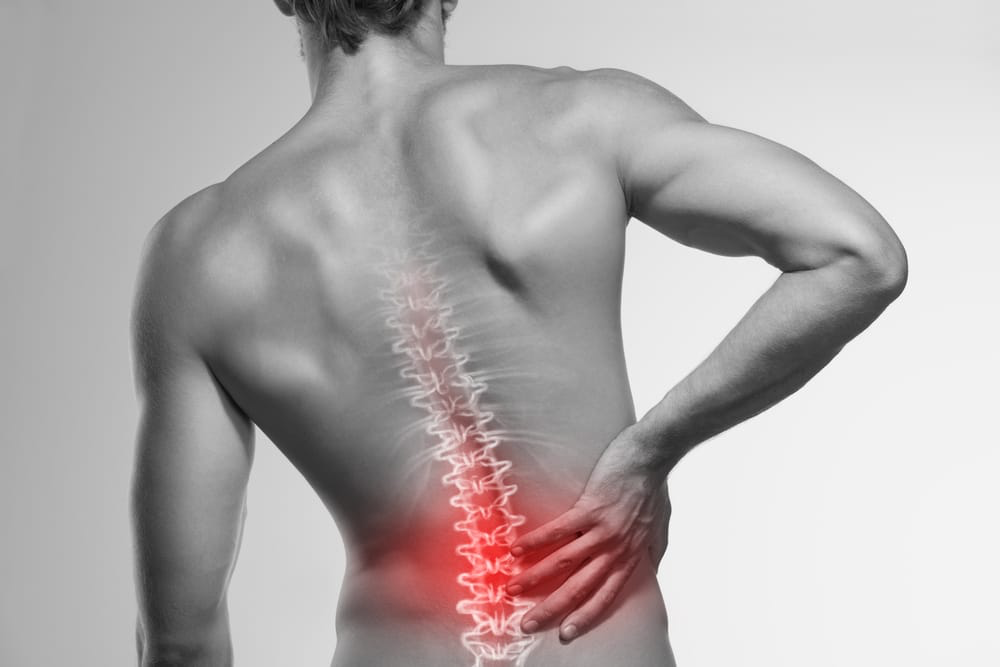
For patients with failed back surgery syndrome or intractable neuropathic pain, SCS is a game-changer. By placing tiny electrodes in the epidural space, the center can deliver mild electrical pulses that interrupt pain signals before they reach the brain, replacing agony with a soothing sensation.
2. Radiofrequency Ablation (RFA)
RFA is a highly specialized procedure used to treat facet joint pain. Using thermal energy, the center’s specialists can selectively "deactivate" the nerve endings responsible for transmitting pain signals from the spine, providing relief that can last for months or even years.
3. Ultrasound and Fluoroscopy-Guided Injections
Precision is the difference between a successful procedure and an ineffective one. By utilizing real-time, high-resolution ultrasound and fluoroscopic imaging, practitioners ensure that medication is delivered with millimetric accuracy into the targeted nerve or joint space, minimizing tissue trauma and maximizing therapeutic benefit.
4. Discography
As a diagnostic tool, discography allows physicians to identify which specific intervertebral disc is the source of a patient’s pain, ensuring that any subsequent surgery is targeted and necessary.
Official Responses and Clinical Philosophy
The leadership at the Southwest Florida Pain Center emphasizes that the environment of care is as important as the procedure itself. According to clinic administrators, the center was designed to counteract the clinical "coldness" often found in surgical settings.
"Our artistic atmosphere provides a soothing environment," the center notes in their official documentation. This focus on "high touch" is not merely aesthetic; it is a clinical strategy. Studies have shown that patient anxiety directly correlates to pain perception. By creating a space that feels more like a wellness retreat than a sterile hospital, the center helps patients remain calm and focused throughout their recovery journey.
The center’s commitment to "aggressive" treatment does not refer to the intensity of the patient experience, but rather the proactive nature of the clinical diagnosis. Rather than waiting for a condition to deteriorate, the team moves to isolate the structural issue immediately, creating a personalized treatment path for every individual.
Implications: The Future of Pain Management
The success of the Southwest Florida Pain Center carries significant implications for the future of the healthcare industry.
A Shift Away from Opioids
As the national conversation around healthcare continues to grapple with the legacy of the opioid epidemic, institutions like the SWFL Pain Center provide a viable, proven alternative. By offering surgical and interventional relief, they provide a path to recovery that preserves cognitive function and avoids the risks of substance dependency.
Increased Patient Autonomy
The center’s model empowers patients. By providing a clear, evidence-based diagnostic process, patients understand exactly why they are in pain and exactly how the proposed intervention will alleviate it. This transparency builds trust and improves adherence to post-operative rehabilitation protocols.
The Rise of On-Site Surgical Convenience
The trend toward outpatient, on-site surgical suites is one of the most vital developments in modern medicine. By removing the need for hospital-based surgery—which is often accompanied by long wait times, higher costs, and exposure to hospital-acquired infections—the SWFL Pain Center makes high-level medical care accessible and efficient. This model will likely serve as the blueprint for future clinics looking to bridge the gap between primary care and major surgical centers.
A Holistic Standard
Perhaps the most lasting implication is the integration of the "artistic" and the "clinical." The realization that environment, patient comfort, and advanced technology must coexist to achieve optimal outcomes is becoming the gold standard. In the future, pain management centers that fail to address the psychological and environmental aspects of care may find themselves obsolete.
Conclusion: A New Chapter for Patients
Chronic pain is often described as an invisible thief, stealing time, productivity, and joy. For the residents of Southwest Florida, the SWFL Pain Center represents a reclamation of that stolen time. By moving the needle away from pharmaceutical masking and toward structural resolution, they are not just treating bodies; they are restoring lives.
As technology continues to advance—with newer, even less invasive stimulators and regenerative therapies on the horizon—the Southwest Florida Pain Center remains poised to integrate these breakthroughs into their existing framework. For those who have lived under the shadow of chronic pain, the message from the clinic is clear: you do not have to live in pain, and you do not have to rely on a bottle of pills to navigate your daily life. The science of relief has arrived, and it is more precise, more personal, and more effective than ever before.
Whether it is a disc issue, nerve damage, or a chronic joint condition, the path to a pain-free life is no longer a mystery. It is a calculated, compassionate, and highly advanced process—one that is currently unfolding within the surgical suites of the Southwest Florida Pain Center.