









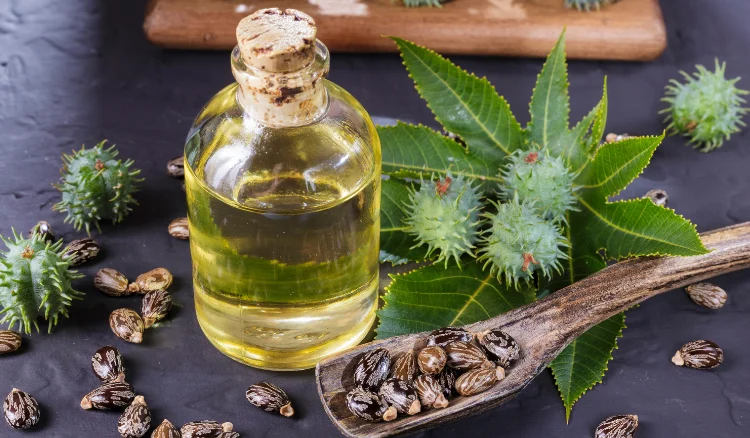
In the digital age, wellness trends often arrive with the speed of a viral video. Recently, social media feeds have been saturated with a singular, viscous substance: castor oil. From influencers touting "navel oiling" for digestion to beauty gurus applying it for ocular health and skin rejuvenation, the botanical extract has re-emerged as a modern panacea. However, beneath the polished aesthetics of TikTok and Instagram lies a practice rooted in thousands of years of medical history.
For the practitioners at The Ayurvedic Institute, this viral moment is less of a "discovery" and more of a homecoming. Known in Sanskrit as Eranda, the castor plant has been a cornerstone of Ayurvedic medicine since antiquity. Its broad leaves, symbolically compared to the open hand of a celestial musician, represent the healing grace of the earth. As the world turns away from synthetic quick-fixes, the re-adoption of this ancient remedy offers a compelling look at how traditional wisdom is meeting the demands of modern self-care.
The Chemistry of Balance: Why Castor Oil Is Unique
To understand why castor oil is being applied to everything from joints to eyelids, one must first look at its constitution. In Ayurvedic practice, substances are categorized by their energetic properties. Castor oil is rare because it is considered "tridoshic"—it has the capacity to balance all three doshas: Vata, Pitta, and Kapha.
Its qualities are heavy, oily, sharp, and subtle. Its taste profile is complex, ranging from sweet and pungent to astringent. Most uniquely, its energy is heating when ingested but cooling when applied topically, and it leaves a sweet post-digestive effect. This "dual nature" allows the oil to navigate the body’s diverse systems, providing the lubrication required for dry Vata types, the cooling relief needed for fiery Pitta types, and the stimulating, detoxifying properties required for stagnant Kapha types.
Chronology: From Vedic Texts to Modern Wellness
The use of Eranda is not a modern innovation; it is a documented clinical tradition.
- Ancient Era: Classical Ayurvedic texts identified the castor plant as a potent medicinal tool. It was primarily utilized for its purgative properties, digestive aid, and as a topical agent for musculoskeletal health.
- The Mid-20th Century: As Ayurveda gained traction in the West, teachers like Dr. Vasant Lad began codifying these ancient teachings for modern practitioners. Through his clinical practice and his seminal publication, Ayurveda Today, Dr. Lad established protocols that have informed modern usage, moving castor oil from a folk remedy to a systematic therapeutic tool.
- The Digital Age (2020–Present): With the rise of holistic wellness influencers, the oil moved from Ayurvedic clinics into the mainstream. The focus shifted from internal purification to external aesthetic and wellness applications, such as "navel oiling" (the Nabhi technique) and eye health.
Supporting Data: Tailored Applications by Dosha
The primary criticism leveled by Ayurvedic practitioners against modern "wellness trends" is the tendency to treat health as a one-size-fits-all model. In the tradition of Ayurveda, the efficacy of castor oil is entirely dependent on the individual’s constitution.
For Vata (The Air/Movement Principle)
When Vata is imbalanced, the body experiences dryness, joint pain, and digestive sluggishness.
- Self-Massage: Mixing castor oil with sesame oil provides a deeply grounding treatment. While sesame oil provides warmth, the castor oil adds a "penetrating" quality that reaches deep into the channels, softening hardened skin and relieving musculoskeletal tension.
- Compresses: Warm castor oil packs are the gold standard for joint and muscle pain, delivering heat and lubrication directly to the site of inflammation.
For Pitta (The Fire/Transformation Principle)
Pitta imbalances often manifest as heat, inflammation, and burning sensations.
- Ocular Health: Under specific, careful guidance, a single drop of high-quality castor oil in each eye at bedtime is used to soothe alochaka pitta, the sub-dosha governing vision. This cools the eyes and provides relief from strain.
- Sun Protection: A blend of castor oil and neem oil acts as a natural, anti-inflammatory barrier for the skin, honoring Pitta’s sensitivity to UV exposure.
For Kapha (The Earth/Structure Principle)
Kapha imbalances are marked by accumulation, congestion, and sluggish metabolism.
- The Nabhi Practice: Applying warm castor oil to the navel and massaging in circular strokes is a profound practice for the Nabhi—the center of prana (life force). This stimulates the liver and spleen, helping to break down stagnant energy.
- Cystic Tissue: Warm castor oil packs applied over areas of congestion for 20–30 minutes can help break down hardened tissues, cysts, and calluses.
Official Perspectives: The Practitioner’s Warning
While the internet celebrates the accessibility of castor oil, Ayurvedic experts maintain a clear demarcation between external application and internal use.
Internal ingestion of castor oil is a powerful, purgative intervention. Because of its potency, it is not recommended for home-based self-experimentation. A qualified Ayurvedic practitioner must determine the correct dosage, the appropriate "carrier" (the medium through which the oil is ingested), and the timing of the dose.
Contraindications:
Practitioners warn that internal castor oil should be avoided in cases of pregnancy, ulcerative gastrointestinal conditions, acute inflammatory bowel disease, and chronic constipation characterized by impaction. Misuse can lead to significant digestive disruption. The industry consensus is clear: external use is a beautiful entry point into Ayurvedic self-care, but internal use requires the oversight of a trained professional.
Implications for Modern Healthcare
The viral success of castor oil indicates a growing disillusionment with purely synthetic wellness solutions. Consumers are increasingly searching for substances that are "biocompatible"—remedies that work in harmony with the body’s natural rhythms rather than overriding them.
The implication is a shift in power: individuals are taking responsibility for their own health through ritualistic, plant-based self-care. However, the risk lies in the lack of personalized guidance. As the popularity of castor oil grows, there is a parallel need for accessible education that emphasizes the "Dosha-first" approach.
Frequently Asked Questions (FAQ)
What makes castor oil so versatile?
It is the only oil that effectively balances all three doshas while serving as both an anti-inflammatory and a purgative. Its ability to penetrate tissues makes it an ideal vehicle for healing.
Is daily application safe?
For external use, yes. Integrating a small amount of castor oil into your daily massage or skincare routine is generally well-tolerated. However, for internal health, daily use is strictly discouraged without professional guidance.
Why the navel?
In Ayurveda, the navel is the seat of the body’s life force. Oiling this area is believed to improve the flow of prana and stimulate the abdominal organs, making it a primary practice for digestive health.
Can it really help with digestion?
Yes, it has been used for centuries to treat constipation and abdominal congestion. However, because it is a powerful purgative, the protocol—specifically the dosage—must be customized to your body type to prevent adverse effects.
What should I do before starting?
If you are looking to treat chronic conditions, consult an Ayurvedic practitioner. For general wellness, start with external applications, such as using it as an additive to your regular body oil or a localized compress for muscle soreness.
Conclusion: The Deeper Invitation
The "castor oil trend" is merely a surface-level ripple of a much deeper, more ancient current. As people return to the earth for answers, they find that the wisdom of the past is not outdated; it is timeless.
Whether you are seeking to balance your skin, soothe your joints, or better understand your own constitution, the path of Ayurveda offers a roadmap. The true benefit of this trend is not just in the oil itself, but in the invitation it extends: an invitation to stop, to observe your body, and to engage with the natural world in a way that is slow, intentional, and profoundly healing.
To learn more about your specific Dosha and how to safely incorporate traditional remedies into your life, explore the resources and programs available at The Ayurvedic Institute.