









For the 98 million Americans—roughly one in three adults—currently living with prediabetes, the prospect of managing long-term health risks can often feel like a daunting marathon of strict dietary restrictions and overwhelming lifestyle overhauls. However, a compelling new study from the Illinois Institute of Technology (Illinois Tech) offers a refreshing, evidence-based alternative: the strategic addition of two nutrient-dense fruits to the daily diet.
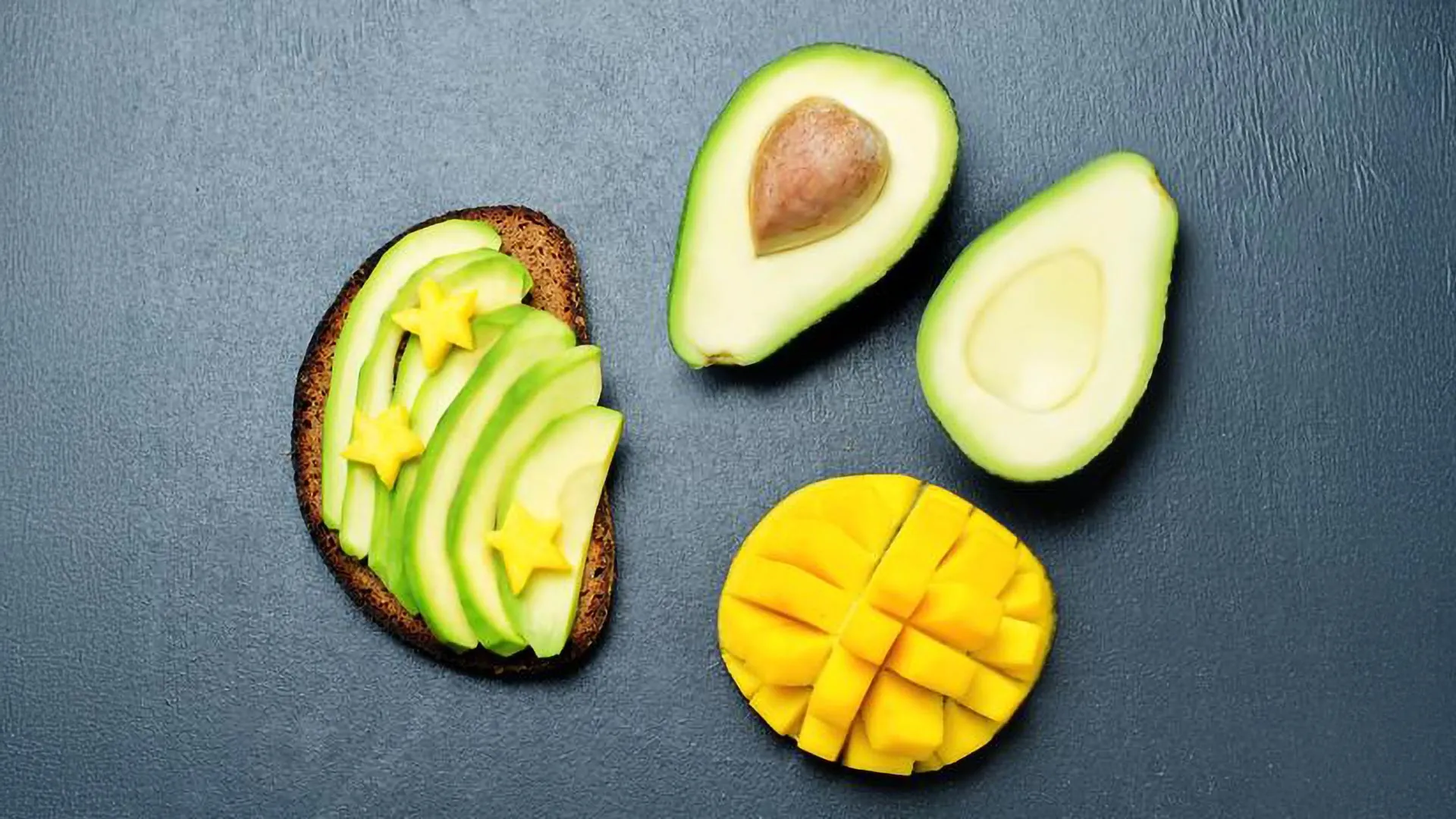
According to research recently published in the Journal of the American Heart Association, incorporating one medium Hass avocado and one cup of fresh mango into a daily routine may yield significant improvements in blood vessel function and blood pressure regulation. Most notably, these cardiovascular benefits were observed without the need for calorie restriction or weight loss, suggesting that the nutritional quality of one’s diet may be just as vital as the quantity of calories consumed.
The Core Findings: A Closer Look at Cardiovascular Health
The study, which spanned eight weeks, focused on adults with prediabetes who were also classified as having overweight or obesity. By comparing a group that consumed a daily "Avocado-Mango" (AM) regimen against a control group that consumed carbohydrate-based snacks of equivalent caloric value, researchers were able to isolate the specific impact of these fruits on the cardiovascular system.
The results were statistically significant. The primary marker of success was flow-mediated dilation (FMD), a non-invasive medical test used to assess the health of the endothelium—the delicate layer of cells lining the blood vessels. The endothelium plays a critical role in cardiovascular health by regulating vascular tone and blood circulation.
In the group consuming avocados and mangoes, FMD increased to 6.7%, a sign of improved blood vessel flexibility and health. In stark contrast, the control group saw their FMD measurement decline to 4.6%. Furthermore, participants in the AM group experienced a reduction in central blood pressure, particularly among men, who saw an average decrease of approximately 1.9 mmHg, compared to an increase of 5 mmHg in the control group.
A Chronology of the Eight-Week Clinical Trial
To ensure the integrity of the data, the Illinois Tech team implemented a rigorous, controlled feeding protocol. The study involved 82 participants between the ages of 25 and 60. All participants were screened to ensure they had prediabetes and were generally healthy, free from smoking habits or major chronic conditions that might confound the results.
Phase 1: Preparation and Baseline (Weeks 1-2)
Prior to the start of the intervention, researchers established baseline measurements for all participants, including FMD, resting blood pressure, cholesterol levels, blood sugar, and various markers of inflammation and kidney function. Participants were provided with guidance on how to maintain their current activity levels to ensure that any observed changes could be attributed to the dietary intervention rather than exercise.
Phase 2: The Intervention Period (Weeks 3-10)
During the eight-week trial, researchers took the unique step of providing 75% of each participant’s daily calorie needs through supplied, monitored meals. This helped minimize variables and ensured that the "Avocado-Mango" diet was followed consistently. While the AM group received their specified fruit portions, the control group was provided with carbohydrate-based snacks that matched the caloric content of the fruit, ensuring that the study was not simply measuring the impact of weight loss, but rather the impact of specific nutrient profiles.
Phase 3: Data Synthesis and Review (Weeks 11-12)
Upon the conclusion of the eight-week period, researchers conducted follow-up tests to compare the physiological markers against baseline data. This phase involved meticulous analysis to identify trends in vascular function, metabolic health, and renal markers, such as the estimated glomerular filtration rate (eGFR).
Supporting Data: Why This Combination Works
While mangoes and avocados are distinct in flavor and texture, they provide a synergistic blend of nutrients that support metabolic and heart health in different ways.
The Nutritional Power of Mangoes
Mangoes serve as a potent source of dietary fiber and vitamin C. A single three-quarter cup serving provides 7% of the daily value (DV) for fiber and a robust 50% DV for vitamin C. The latter is a powerful antioxidant that protects the body’s cells from oxidative stress—a known contributor to vascular damage. Fiber, meanwhile, is essential for healthy digestion and is a cornerstone in the management of blood glucose levels.
The Benefits of Hass Avocados
Avocados contribute to the cardiovascular equation through a different set of nutrients. A 50-gram serving (roughly one-third of a medium avocado) contains 3 grams of fiber and 6 grams of unsaturated fats. These "good" fats are widely recognized for their ability to help lower LDL (low-density lipoprotein) cholesterol, provided they replace saturated fats in the diet. Additionally, the presence of potassium—approximately 250mg per serving—acts as a natural vasodilator, which is crucial for maintaining healthy blood pressure levels.
Official Responses and Expert Perspective
The study’s principal investigator, Dr. Britt Burton-Freeman, a professor at the Illinois Institute of Technology, believes these findings represent a paradigm shift in how we approach preventative nutrition.
"This research reinforces the power of food-first strategies to help reduce cardiovascular disease risk, particularly in vulnerable populations like those with prediabetes," Dr. Burton-Freeman stated. "It’s an encouraging message: small, nutrient-dense additions—like incorporating avocado and mango into meals and snacks—may support heart health without the need for strict rules or major dietary overhauls."
Dr. Burton-Freeman emphasizes that for many, the barrier to a healthier heart is the perception that it requires an entirely new lifestyle. By identifying specific foods that can be integrated into existing routines, the research provides a tangible, achievable goal for those looking to improve their health markers.
Broader Implications for Public Health
The implications of this study extend beyond the individual. With cardiovascular disease remaining the leading cause of death globally, the discovery that accessible, whole-food interventions can yield measurable improvements in endothelial function is significant.
Addressing the Prediabetes Crisis
Prediabetes is often a silent condition, but it is a precursor to type 2 diabetes and heart disease. The fact that the AM diet improved vascular health and kidney function markers—without requiring weight loss—is a promising finding for patients who have struggled with traditional, weight-focused dietary interventions.
Kidney Health Indicators
In addition to heart health, researchers noted improvements in the eGFR, which measures how well kidneys filter waste. This suggests that the benefits of a nutrient-dense diet may be systemic, offering protection for organs that are often damaged by the long-term effects of elevated blood sugar.
A Caveat on Limitations
Despite these promising results, the research team is careful to note the study’s limitations. The trial was limited to eight weeks, and it remains to be seen whether these improvements are sustainable over years. Furthermore, the study focused on a specific demographic—adults with prediabetes and overweight/obesity—meaning that the findings cannot necessarily be generalized to the entire population.
Critically, the study did not measure "hard" outcomes, such as the incidence of heart attacks or strokes. While improved endothelial function is a strong proxy for better heart health, it is not a direct measure of disease prevention. Future research will need to look at longer-term data to determine if these dietary changes lead to a reduction in clinical cardiovascular events.
Practical Integration: How to Incorporate the "AM" Diet
One of the study’s most attractive features is its simplicity. The researchers suggest that you don’t need a formal prescription to begin reaping these benefits. Because mangoes provide a sweet, vibrant profile and avocados offer a creamy, savory satiety, they are highly versatile in the kitchen.
- Breakfast Smoothies: Blend a cup of mango with half an avocado for a nutrient-dense, creamy start to the day.
- Savory Salads: The sweetness of fresh mango pairs perfectly with the healthy fats of avocado in green salads, providing a contrast that eliminates the need for heavy, processed dressings.
- Grain Bowls: Use both as toppings for quinoa or brown rice bowls to add fiber and flavor.
- Ceviche: For those who enjoy seafood, a mango-avocado tuna ceviche is an excellent way to get a concentrated dose of these heart-healthy fruits alongside lean protein.
Conclusion
The study from Illinois Tech serves as a reminder that nutrition is not merely about restriction; it is about inclusion. By choosing to add nutrient-dense, fiber-rich, and antioxidant-heavy foods to our daily meals, we may be able to support our cardiovascular system in meaningful ways. While more research is required to fully understand the long-term impact of this dietary strategy, the current evidence suggests that a daily bowl of mango and avocado is a small, delicious step toward a healthier heart.
As we continue to navigate a complex food environment, findings like these empower individuals to take agency over their health, one meal at a time. The path to better blood vessel function, it seems, might just be found in the produce aisle.