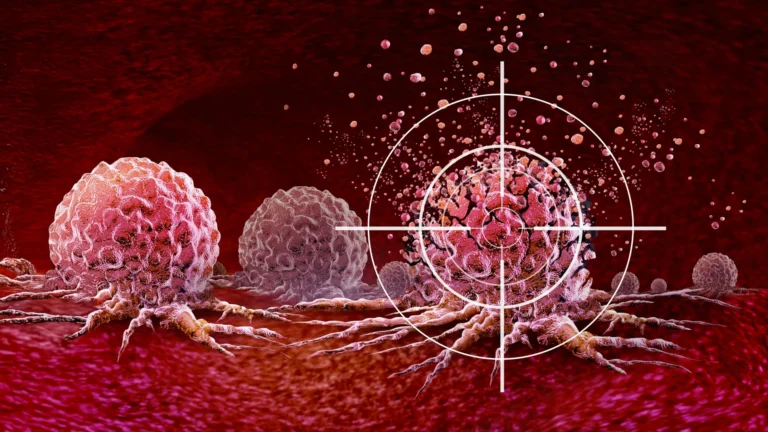










Pancreatic ductal adenocarcinoma (PDAC) has long been considered one of the most formidable challenges in modern oncology. With a five-year survival rate of less than 15 percent, the disease is notoriously aggressive, resistant to chemotherapy, and adept at shielding itself from the human immune system. However, a landmark study published on October 13 in the journal Nature Genetics has provided a major breakthrough in our understanding of how this cancer constantly reinvents itself to survive.
By performing a high-resolution, single-cell analysis of nearly half a million cancer cells, a team of researchers from NYU Langone Health’s Perlmutter Cancer Center has mapped the genetic “evolutionary tree” of pancreatic tumors. The findings offer more than just a clearer picture of tumor biology; they identify specific genetic triggers that, if silenced, could potentially transform aggressive, treatment-resistant cancers into more manageable, vulnerable forms.
The Evolutionary Nature of PDAC
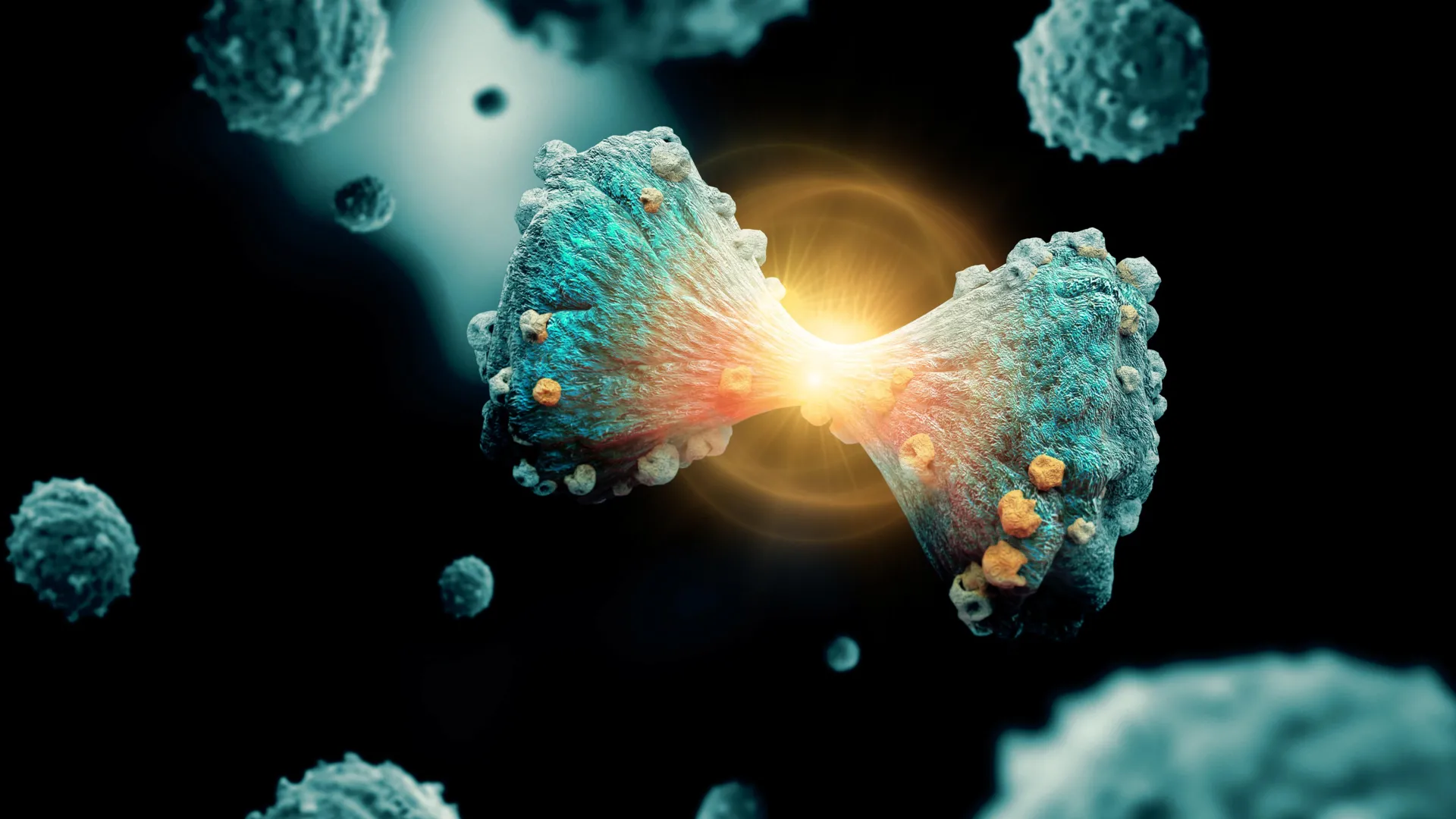
The primary reason pancreatic cancer remains so difficult to treat is its inherent genetic plasticity. Unlike many diseases that remain stable, PDAC tumors are living, changing ecosystems. Within a single tumor, researchers found a heterogeneous collection of “clones”—distinct populations of cancer cells that share some genetic roots but behave in vastly different ways.
Some of these clones are optimized for rapid growth, while others specialize in invading healthy tissues and migrating to distant organs (metastasis). Perhaps most concerning, some clones evolve specific genetic modifications that allow them to shrug off the effects of chemotherapy.
Historically, scientists classified pancreatic cancer cells into two broad archetypes: "classical" cells, which are generally less aggressive, and "basal" cells, which are highly invasive and resistant to treatment. However, previous bulk-sequencing methods—which analyze the average genetic output of thousands of cells—failed to capture the transition between these states. The new study, led by the NYU Langone team, has finally provided the "granular" resolution needed to see how and why cancer cells flip between these identities.
Chronology of the Investigation
The study was a massive undertaking that spanned multiple institutions and years of data collection. The methodology shifted the paradigm of cancer research by moving away from bulk analysis toward single-cell transcriptomics.
Phase 1: Data Collection and Mapping
Researchers gathered 443,451 individual cells from 62 tumor samples, provided by 56 patients. This vast dataset allowed the team to create a digital roadmap of tumor progression. Crucially, the researchers obtained samples from six patients both before and after they underwent chemotherapy. This “before-and-after” comparison served as a longitudinal window into how the tumor’s genetic architecture reacts to the stress of medical intervention.
Phase 2: Identifying the MYC Switch
One of the most significant discoveries in the study was the role of the MYC gene. Researchers observed that in the most aggressive basal-type cancer cells, MYC activity was significantly heightened. In a series of laboratory experiments, the team blocked the activity of MYC. The result was transformative: the aggressive basal cells effectively "reverted" to a classical state. This shift not only reduced the cancer’s invasive potential but also made the cells more visible to the immune system, opening the door for potential therapeutic intervention.
Phase 3: Unmasking Immune Evasion
The study also provided a long-awaited explanation for why immunotherapy—a treatment that has revolutionized the care of other cancers like melanoma—often fails in pancreatic cancer. The researchers identified that certain cancer clones possess a high expression of the TIGIT gene while simultaneously showing reduced activity of the PD1 gene. This genetic profile helps the tumor build a "stealth mode," allowing it to hide from immune surveillance. This finding explains the limited success of current anti-PD1 therapies and suggests that future treatments must target TIGIT to be effective.
Supporting Data: The Complexity of Clonal Diversity
The data gathered from the 443,451 cells revealed that the internal landscape of a pancreatic tumor is far more diverse than previously imagined. On average, each tumor contained between two and 11 distinct clones.
By comparing DNA copy numbers with gene activity, the researchers were able to draw a direct line between physical genetic mutations and the behavioral "state" of the cell. This provided a definitive link between the tumor’s genetic instability and its clinical behavior. The ability of the tumor to shuffle its genetic deck, so to speak, is what allows it to survive the "bottleneck" of chemotherapy. When a drug kills off the classical cells, the basal clones—which may have been a minority population—often survive, multiply, and become the dominant force, rendering the original treatment useless.
Official Responses and Expert Insight
The lead investigators of the study believe these findings will fundamentally alter the trajectory of pancreatic cancer research.
"Our study provides the most granular view to date of pancreatic ductal adenocarcinoma, revealing how ongoing genetic reshaping drives tumor evolution over the course of disease," said lead investigator Despoina Kalfakakou, PhD, a postdoctoral research fellow at NYU Grossman School of Medicine. "These findings suggest that targeting the mechanisms underlying tumor evolution, including MYC, may help restrain the cancer’s rapid progression."
Dr. Aristotelis Tsirigos, the study’s co-senior investigator, emphasized that the shift to single-cell analysis is essential for future breakthroughs. "Our research also suggests that single-cell clonal analysis offers a better approach to understanding complex cancers as they develop over time," Dr. Tsirigos noted. "More broadly, our study results highlight the critical role of clonal diversity, genetic plasticity, and interactions with the tumor’s microenvironment in shaping human pancreatic ductal adenocarcinoma biology."
Dr. Tsirigos also confirmed that the clinical world is already moving to act on these findings. Clinical trials targeting MYC and TIGIT inhibitors are already in motion. The challenge now, he explained, is to move toward a model of "precision medicine" where treatments are tailored to the specific clonal makeup of a patient’s unique tumor.
Implications for Future Treatment
The implications of this research are profound for the field of oncology. If doctors can identify the specific genetic signatures of a patient’s tumor through biopsy, they might be able to choose treatments that prevent the tumor from "switching" into a more aggressive state.
1. Reversing Aggression
The discovery that MYC inhibition can push cancer cells back into a less aggressive state is a major proof-of-concept. It suggests that we may not always need to kill every single cancer cell immediately; rather, we could "tame" the tumor, forcing it into a state that is more sensitive to traditional immune responses.
2. Overcoming Immunotherapy Resistance
By identifying TIGIT as a key driver of immune evasion, the study provides a roadmap for "combination therapies." If a patient is given a drug that inhibits TIGIT, it may disable the tumor’s "cloaking device," allowing existing immunotherapies to finally detect and destroy the cancer.
3. Precision Diagnostics
The study underscores the necessity of moving beyond bulk biopsies. Future diagnostics may require a more sophisticated analysis of the clonal diversity within a tumor. By understanding the evolutionary trajectory of a patient’s cancer at the time of diagnosis, oncologists could potentially predict how the tumor will respond to chemotherapy and preemptively adjust the treatment plan.
A Global Research Effort
The scope of this research highlights the collaborative nature of modern science. The NYU Langone team worked in concert with experts from Oregon Health and Science University and the University of California San Diego. The project was supported by significant grants from the National Institutes of Health and the Sky Foundation, reflecting the high priority placed on solving the pancreatic cancer crisis.
As the scientific community digests these findings, the message is clear: the era of treating pancreatic cancer as a uniform, static disease is over. By mapping the evolutionary path of individual cancer cells, researchers have finally turned on the lights in a field that was once defined by darkness. While there is still a long road ahead before these findings are standard practice in hospitals, the path toward a cure has never been more visible.