









In the high-stakes world of neurodegenerative research, the pursuit of an effective Alzheimer’s therapy has long been defined by a narrow focus on the "amyloid hypothesis." For decades, the pharmaceutical industry has poured billions into clearing the sticky protein plaques that litter the brains of those with the disease. Yet, as clinical trial after clinical trial failed to produce a cure, the scientific community began to reckon with a sobering reality: Alzheimer’s is not a single-target problem. It is a systemic failure of cellular health.
Now, a team of researchers at King’s College London (KCL) has unveiled a promising new pharmacological strategy that bypasses the traditional "plaque-clearing" approach. Their study, centered on an experimental small-molecule drug known as KCL-286, suggests a paradigm shift in how we treat the disease—one that focuses on early-stage cellular repair, DNA integrity, and systemic inflammation.
The Main Facts: A New Tool for Brain Repair
At the heart of this development is KCL-286, a drug originally engineered to treat spinal cord injuries. Unlike monoclonal antibodies that act like biological "garbage collectors" to remove protein buildup, KCL-286 is a small molecule that can be taken orally. This is a significant logistical advantage, as it avoids the need for the complex intravenous infusions required by many current Alzheimer’s treatments.
The drug’s mechanism of action is distinctly different from existing therapies. KCL-286 functions by activating a specific protein within the retinoic acid pathway—a system crucial to how the human body processes Vitamin A. By influencing this pathway, the drug appears to stabilize gene regulation, facilitate the repair of DNA double-strand breaks, and suppress the neuroinflammation that accelerates neuron death. Because these biological failures occur long before the clinical onset of memory loss, the researchers believe KCL-286 could function as a true disease-modifying therapy, intervening in the process before permanent structural damage to the brain occurs.
Chronology: From Spinal Cord Injury to Alzheimer’s
The journey of KCL-286 is a testament to the power of cross-disciplinary medical research. The drug’s development trajectory did not begin with Alzheimer’s; rather, it began in the field of trauma medicine.
Phase 1: The Spinal Cord Connection
Initial research at King’s College London focused on the molecular mechanisms of acute spinal cord injury. Researchers discovered that the aftermath of such trauma involved a cascade of DNA damage and inflammation that mirrored certain degenerative processes seen in the aging brain. They identified that KCL-286 could effectively promote the repair of DNA double-strand breaks—a catastrophic form of cellular damage—in neurons.
Phase 2: Human Safety Validation
A pivotal moment in the drug’s development occurred when it successfully cleared Phase 1 human safety and tolerability trials. Because the drug had already been deemed safe for human use in the context of its initial development, the regulatory pathway for its repurposing against Alzheimer’s is significantly shortened. This "de-risking" process saves years of preliminary work, allowing scientists to move toward efficacy trials with a higher degree of confidence.
Phase 3: The Alzheimer’s Breakthrough
Building on the discovery that spinal cord injuries and Alzheimer’s shared overlapping pathological pathways, the KCL team tested the drug in a mouse model of the disease. The results were striking: the drug successfully reduced inflammation and repaired DNA damage, suggesting that the neurological benefits were not limited to physical trauma but extended to chronic neurodegeneration.
Supporting Data: The Molecular Architecture of the Disease
To understand why this approach is so significant, one must look at the "molecular carnage" that occurs in an Alzheimer’s-affected brain.
The Problem with the Protein-Only Model
For years, the medical community focused heavily on amyloid-beta (which forms deposits between cells) and tau (which forms tangles inside cells). While removing these proteins has shown a modest clinical impact, it has failed to halt the underlying progression of the disease. This is because the brain is already under immense stress by the time these proteins aggregate.
The Role of DNA Damage
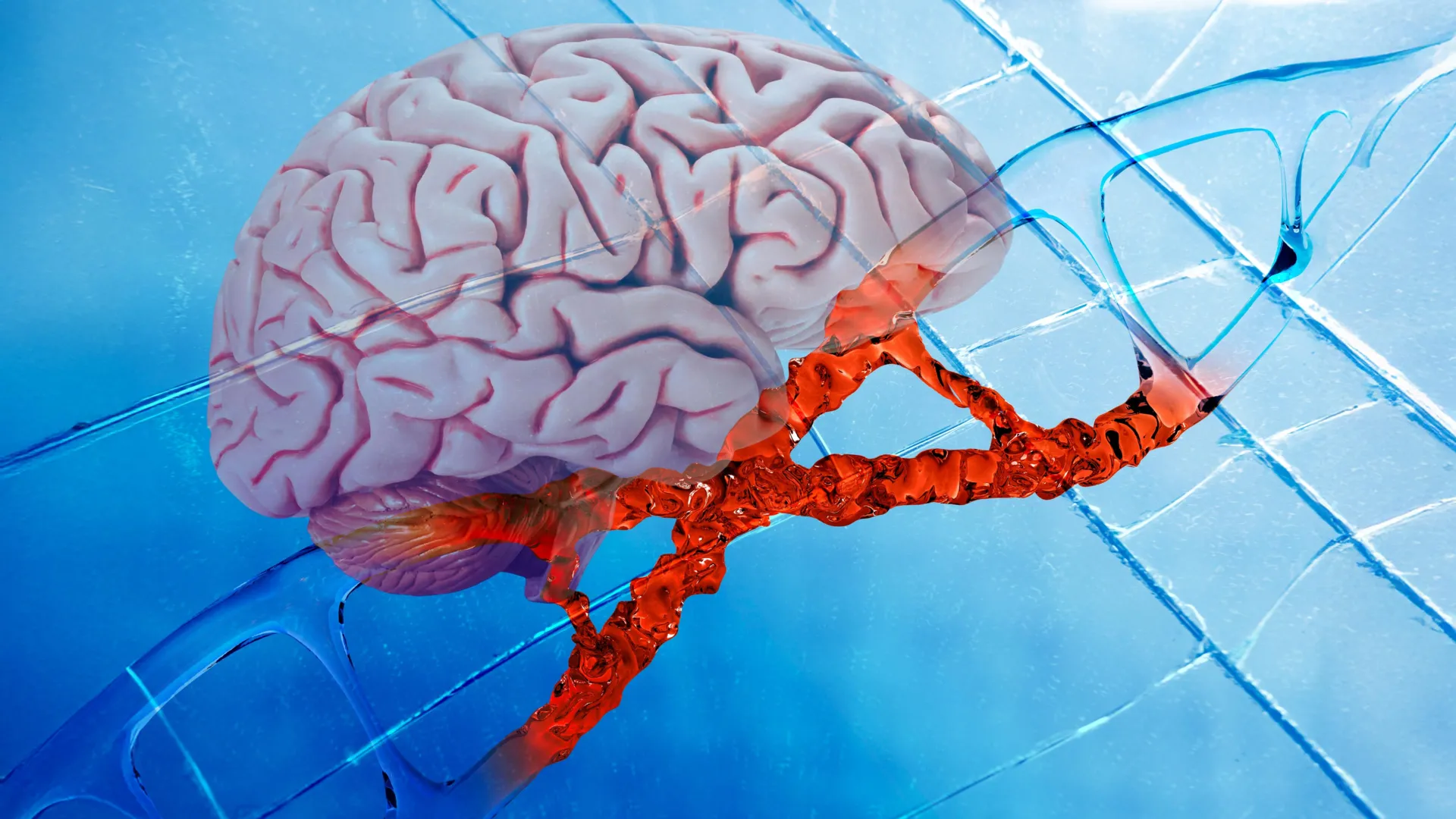
DNA double-strand breaks are perhaps the most dangerous type of genomic injury. When both strands of the DNA helix are severed, the cell’s genetic blueprint is effectively torn in half. If the cell cannot repair this "rope snap" efficiently, it initiates apoptosis, or programmed cell death. In Alzheimer’s, this process is accelerated, leading to the rapid loss of neurons. KCL-286 acts as a booster for the cellular repair machinery, ensuring that the "rope" is mended rather than discarded.
Vitamin A and the Retinoic Acid Pathway
The link between Vitamin A and brain health is a burgeoning area of study. Retinoic acid is essential for gene transcription—the process by which a cell reads its DNA to produce the proteins it needs to survive. Disruptions in the retinoic acid pathway have been linked to the accumulation of amyloid-beta. By activating a specific protein in this pathway, KCL-286 helps the brain regain its homeostatic balance, effectively "resetting" some of the dysregulated cellular functions that define early Alzheimer’s.
Official Responses and Expert Perspectives
The research team behind KCL-286 is cautiously optimistic about the implications of their findings.
Professor Jonathan Corcoran, a Professor of Neuroscience at the Institute of Psychiatry, Psychology & Neuroscience at King’s College London, emphasizes the efficiency of this new strategy. "KCL-286 is a first-in-class, orally bioavailable small molecule," Corcoran stated. "Because it has already successfully cleared Phase 1 human safety and tolerability trials, we are looking at a dramatically shortened timeline compared to the traditional multi-year drug development cycle."
Regarding the mechanism of repair, Corcoran adds a vivid analogy: "DNA double-strand breaks are like a rope snapping completely in two, rather than just fraying at the edges. We found that KCL-286 promotes the repair of these breaks, allowing us to target a key, fundamental feature of Alzheimer’s disease."
Dr. Maria Goncalves, who project-managed the drug development, highlighted the shift toward early intervention. "Our findings demonstrate that KCL-286 not only targets DNA damage but also reduces inflammation—two processes that occur very early in Alzheimer’s progression. This highlights its potential as a disease-modifying therapy rather than simply addressing symptoms."
Natasha Hill, one of the first authors on the paper, reiterated the necessity of the "multi-pronged" approach. "To develop an effective treatment for Alzheimer’s disease, we need to tackle multiple aspects of the disease. KCL-286 was able to target multiple disease-relevant cellular pathways, some of which are initiated very early in the disease course."
Implications: A Shift in Clinical Strategy
The implications of the King’s College London study are profound for both the research community and for patients.
1. The Power of Drug Repurposing
The most immediate implication is the viability of drug repurposing. By taking a compound that has already been tested for safety in humans, researchers can bypass the "valley of death" where most promising new drugs fail—the gap between laboratory discovery and human testing. This could provide a much-needed shortcut to bring a potential therapy to clinical trials.
2. Moving Toward "Disease-Modifying" Care
If KCL-286 proves effective in human clinical trials, it would represent a departure from the "symptom-management" model. Current treatments often struggle to do more than slow the decline in cognitive function. A drug that fixes the root cause—DNA integrity and inflammation—would be a true "disease-modifying" agent, potentially stopping the progression of the disease in its tracks if caught early enough.
3. The Future of Combination Therapy
The success of this approach suggests that the future of Alzheimer’s treatment may not be a "magic bullet" but a combination therapy. Just as cancer is treated with a regimen that targets different aspects of tumor growth, Alzheimer’s may eventually be treated with a cocktail of drugs: one to clear amyloid plaques, another to address tau tangles, and a third—like KCL-286—to stabilize the genetic and inflammatory health of the neurons themselves.
4. Patient Convenience
The oral delivery method cannot be overstated in its importance. The current standard of care for newer, high-profile Alzheimer’s drugs involves frequent, time-consuming, and expensive hospital visits for infusions. A pill that can be taken at home would increase patient compliance, reduce the burden on healthcare systems, and significantly improve the quality of life for those living with the disease.
Conclusion: A Cautious Horizon
While the findings regarding KCL-286 are undeniably exciting, the researchers are careful to maintain scientific rigor. The current study is preclinical, meaning that while the results in mice are highly encouraging, they do not guarantee success in humans. The complex, heterogeneous nature of Alzheimer’s disease means that what works in a laboratory model may face unforeseen challenges in the human brain.
Nevertheless, the work at King’s College London represents a vital pivot. By shifting the focus from the "trash" (amyloid plaques) to the "machinery" (DNA repair and cellular health), scientists are opening a new frontier in neurology. As the population continues to age, the need for therapies that address the early, silent stages of Alzheimer’s has never been more urgent. If KCL-286 continues to show promise in upcoming human trials, it may well prove to be the key that unlocks a new era of brain health.