

It is a profound realization that a quarter of a century has passed since the world shifted on its axis on September 11, 2001. For those who lived through that day, the memory is not a faded photograph; it is an indelible imprint on the collective consciousness. If you close your eyes, the shock, the confusion, and the overwhelming sense of vulnerability remain as visceral as they were on that crisp, clear Tuesday morning.
Today, we stand in a workplace landscape where many colleagues were either toddlers or not yet born when the towers fell. This generational gap underscores a critical responsibility: we must act as the bridge to a history that must never be forgotten, nor can we afford to be complacent regarding those who remain committed to undermining our way of life.
The Morning the World Changed: A Personal Chronology
On September 11, 2001, I was in Chicago with a Canon advance team, finalizing preparations for our annual sales conference. We were a spirited group, energized by the hard work of organizing such large-scale events and the camaraderie that followed—dinners in the city’s finest restaurants and the shared excitement of being on the road.
The morning began with a routine walk to a local Starbucks. As I stood in line, the television behind the counter broadcast images of the North Tower of the World Trade Center engulfed in smoke. The initial reports were tentative, suggesting a tragic aviation accident. We stood in silent, collective disbelief. I remember hugging strangers—baristas and customers alike—a spontaneous, human reaction to a horror that we could not yet fully comprehend.

By the time I returned to the hotel, the atmosphere had shifted from confusion to terror. Our VP of Sales had gathered the team in a suite to watch the unfolding disaster. The room turned cold when the news broke that the South Tower had also been struck. One of my colleagues, whose fiancé worked in the South Tower, watched the screen as her future evaporated. We clung to the desperate hope that he had evacuated, but the gravity of the situation was undeniable: America was under attack.
Watching the South Tower collapse in a cloud of dust and steel remains a "gut-punch" memory. The raw, guttural cries of my colleague, mourning the sudden loss of her partner, remain etched in my mind as a testament to the personal devastation that occurred on a national scale.
The Journey Home: A Nation Stalled
In the immediate aftermath, the only instinct was to reach home. With cellular towers and landlines overwhelmed, communication was a frantic, fragmented process. After thirty minutes of trying, I finally reached my sister-in-law to tell her I was driving back to Southern California.
The FAA had grounded all flights, but I was determined to return to my family. A colleague joined me; we stocked a rental car with water, soda, and snacks, and set out along Route 66. It was a two-and-a-half-day odyssey of constant driving. As we traveled, the weight of the tragedy grew heavier. I later learned that I had lost two more acquaintances: a tech journalist I had worked with closely, and a former colleague whose husband, a trader at Cantor Fitzgerald on the 102nd floor of the North Tower, was killed. She had only recently become pregnant after seven years of trying; she would raise their child alone.

Supporting Data: The Ongoing Toll of 9/11
The tragedy of 9/11 did not end when the fires were extinguished. The health crisis facing those who worked on "the pile"—the first responders, cleanup crews, and volunteers—has created a secondary, long-term catastrophe.
Studies now confirm that the exposure to toxins at Ground Zero has led to a surge in respiratory illnesses and various cancers. Perhaps most disturbingly, emerging data indicates a correlation between this toxic exposure and early-onset dementia.
- The Scale of Service: Over 400,000 individuals, including firefighters, police, health professionals, and volunteers, participated in the immediate response and subsequent cleanup.
- The WTC Health Program: As of recent reporting, more than 150,000 survivors and responders are enrolled in the World Trade Center Health Program, underscoring the massive, ongoing medical burden carried by those who answered the call that day.
Official Responses and the Pursuit of Justice
The path to justice was long and arduous. For nearly a decade, Usama bin Laden, the architect of the attacks, eluded capture. His pursuit became a focal point of American foreign policy and intelligence operations.
On May 1, 2011, the world witnessed the culmination of that search when elite Navy SEALs entered a compound in Abbottabad, Pakistan. The operation resulted in the death of the world’s most notorious terrorist mastermind. While the leadership of Al Qaeda was significantly crippled, the ideology of terror has proven resilient, forcing Western democracies to maintain constant vigilance.

Implications for Future Generations
It is vital that Millennials, Gen Z, and Gen Alpha understand that 9/11 was not merely an event in a history book. It was a departure from previous attacks on American soil. Unlike the 1941 attack on Pearl Harbor, which targeted military personnel, 9/11 was a targeted strike against innocent civilians, intended to destroy the psychological fabric of our nation.
To bridge the generational gap, we recommend engaging with the primary sources of that era:
- Live News Archives: Watching the unedited news coverage of that morning offers a glimpse into the unfiltered shock that defined the day.
- The Man Who Knew: A documentary detailing the efforts of FBI agent John O’Neill, who spent years tracking bin Laden only to perish while helping others evacuate the Towers.
- The Man in the Red Bandana: The heroic story of Welles Crowther, a young volunteer firefighter who sacrificed his life to save others in the North Tower.
- United 93: A feature film that acts as a historical record of the bravery of the passengers who thwarted the terrorists’ final objective, serving as a powerful reminder of individual agency against evil.
The Symbolism of Resilience
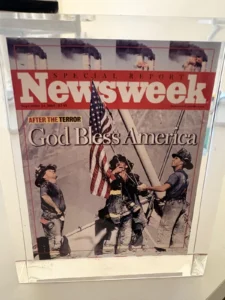
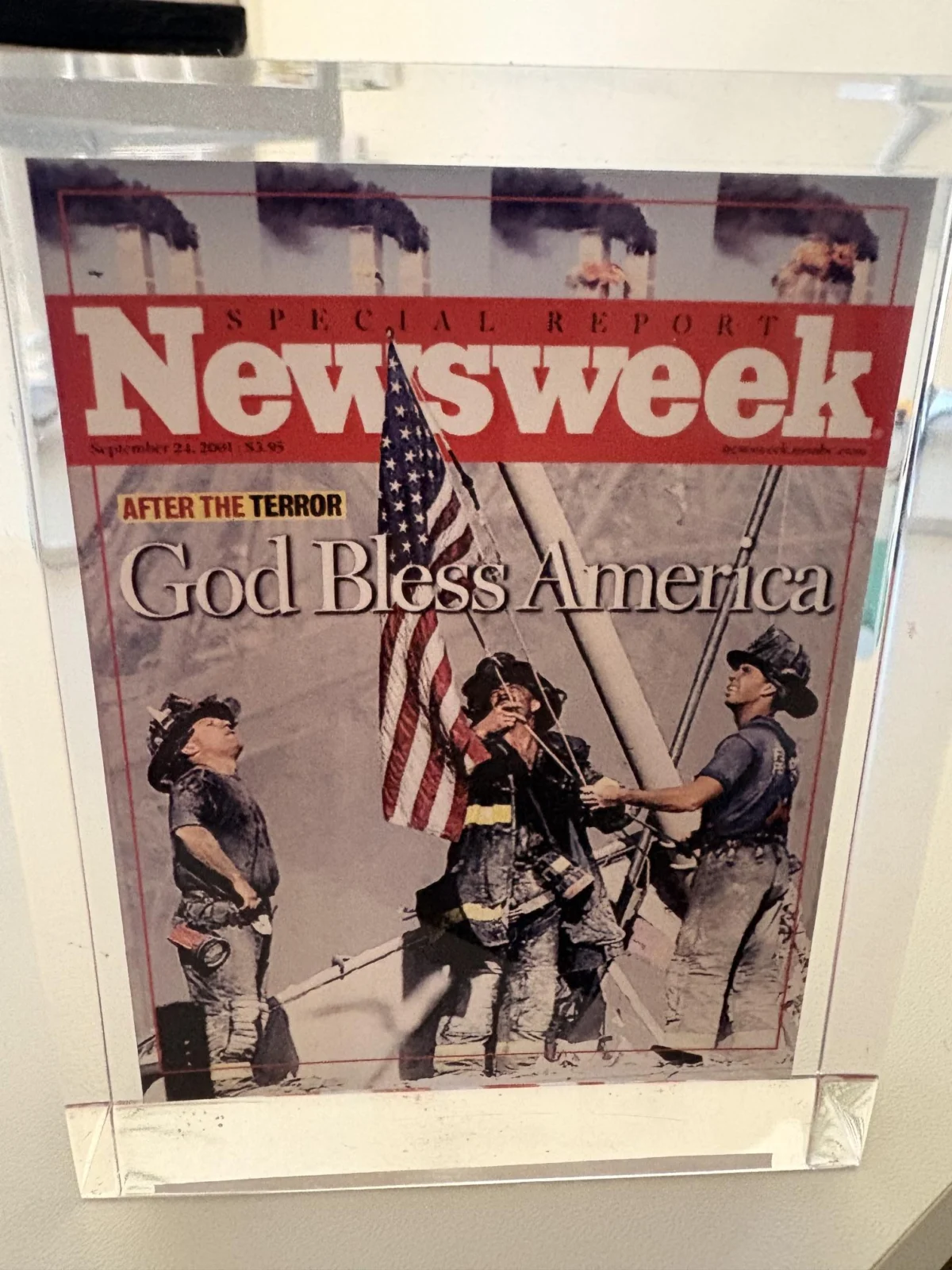
I have visited the site of the Twin Towers many times as it transitioned from a scene of smoldering steel to the solemn, beautiful memorial that stands today. In my office, I keep an acrylic-encased copy of the Newsweek cover featuring firefighters raising the American flag at Ground Zero. It is a powerful parallel to the iconic image of Iwo Jima, representing the triumph of the human spirit.
One of the most profound images of the aftermath was the steel cross found in the rubble. For many, it served as a symbol of the struggle between good and evil. While evil attempted to break our way of life, it ultimately failed to divide us. Instead, the tragedy fostered a unique, albeit painful, national resilience.

Conclusion: A Vow to Remember
As I continue to write about the intersection of aging, caregiving, and the enduring aftermath of 9/11, my objective remains the same: to ensure that the lessons of that day are never lost. We must mourn those we lost, support the survivors and their families, and remain clear-eyed about the threats that still exist.
If history serves any purpose, it is to prevent the repetition of the mistakes of the past. Complacency is the greatest enemy of security. By remembering the bravery of the passengers on Flight 93, the selflessness of the first responders, and the grief of the families, we honor the lives lost and renew our commitment to the values of freedom, democracy, and unity.
We will never forget.
Frequently Asked Questions
Q: Why is it critical to remember 9/11 even 25 years later?
A: Remembering 9/11 is essential because it remains the most significant attack on American soil in the modern era. It highlights the vulnerability of civilian life and the necessity of constant vigilance against extremism. Understanding this history is the only way to ensure we do not become complacent about the threats to our democratic way of life.

Q: How did the 9/11 attacks differ from the attack on Pearl Harbor?
A: While both were "days of infamy," Pearl Harbor was a military strike against the U.S. Navy. The 9/11 attacks were deliberately designed to murder thousands of innocent civilians and strike the heart of our economic and governmental centers, fundamentally changing the nature of how we perceive global threats.
Q: Where can one find help if they were a responder or resident affected by the toxic air at Ground Zero?
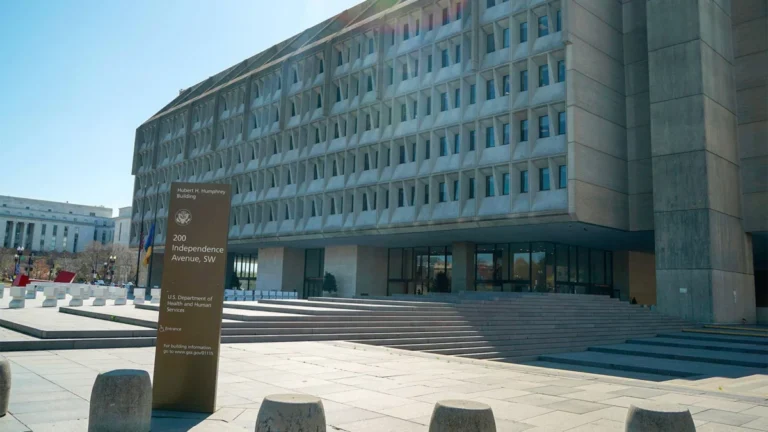
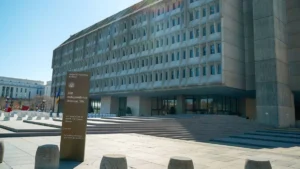
A: The World Trade Center Health Program, administered by the CDC, provides medical monitoring and treatment for those who were directly exposed to the dust and debris in Lower Manhattan. Information can be found at cdc.gov/wtc.