









In the modern professional landscape, the boundary between personal responsibility and corporate commitment has become increasingly porous. As we observe Employee Wellness Month this June, the spotlight is shifting toward a critical, yet often invisible, demographic: the working caregiver.
In the latest installment of the "Caregiving Club On Air" podcast (Season 6, Episode 72), host Sherri Snelling—a renowned corporate gerontologist, author, and CEO of the Caregiving Club—sits down with Melissa Fisher of Kaiser Permanente to unpack the complexities of balancing professional success with the demands of eldercare and family life. This conversation arrives at a pivotal moment, as businesses worldwide grapple with how to retain talent while supporting the "Sandwich Generation."
The Silent Workforce Crisis: Main Facts and Figures
The statistics surrounding caregiving are as staggering as they are pervasive. Currently, approximately 63 million Americans are providing care for an adult loved one over the age of 18. Perhaps most significantly, 7 out of every 10 of these individuals are simultaneously navigating the demands of full-time employment.
When we break down these numbers within the corporate sphere, the reality becomes clear: roughly 20% of the modern workforce acts as a caregiver for an adult. If one accounts for employees who are also raising children—effectively creating a "Sandwich Generation" of individuals caring for both the young and the elderly—that figure surges to 1 in 3 employees.
These individuals are not merely "employees"; they are the backbone of their families, often operating in a state of chronic high stress, balancing spreadsheets against medical appointments, and navigating the emotional toll of aging parents while managing career trajectories.

A Journey of Empathy: The Interview with Melissa Fisher
The invitation for Melissa Fisher to join the "Caregiving Club On Air" podcast stemmed from a serendipitous meeting at a panel discussion hosted by the National Conflict Resolution Center (NCRC). The panel, which focused on the role of HR executives in managing caregiving crises, highlighted the need for authentic, lived experience in policy development.
Fisher, a dedicated advocate at Kaiser Permanente, brings a unique perspective to the table. Her own journey—characterized by the concurrent care of her parents, a beloved aunt, and her own children—serves as a blueprint for understanding the "hidden" needs of the workforce. During her interview with Snelling, Fisher emphasized that caregiving is not a static event, but a fluid, lifelong continuum that requires flexibility rather than rigid policy.
The Evolution of the "Gen C" Continuum
The discussion explored the "Gen C" (Caregiver) continuum, a framework developed by Snelling to illustrate how an employee’s needs change as their loved ones age. Fisher and Snelling argue that employers often fail because they treat caregiving as a temporary crisis rather than a permanent, albeit evolving, feature of an employee’s life.
The Chronology of Corporate Awareness
For decades, "work-life balance" was a buzzword that rarely translated into tangible policy. However, the last decade has seen a sea change in how human resources departments view the caregiver.
- Early 2010s: Caregiving was largely viewed as a private, domestic matter. If an employee required time off, it was processed through standard FMLA (Family and Medical Leave Act) protocols, often with little corporate support or understanding.
- Late 2010s: The rise of Employee Resource Groups (ERGs) began to shift the narrative. Companies realized that isolation was the primary enemy of productivity. By creating space for caregivers to discuss their challenges, businesses began to uncover the sheer volume of employees struggling to keep their heads above water.
- The Post-2020 Era: The pandemic acted as a massive catalyst. With schools closed and eldercare facilities restricted, the reality of the "Sandwich Generation" became undeniable. Remote work, while a challenge, provided a window into the home lives of employees, forcing companies to move from "benefits checklists" to "culture change."
Supporting Data: Why Caregiving Support is a Business Imperative
The data is unequivocal: supporting caregivers is not just a moral obligation; it is a strategic business advantage. Research consistently shows that employees who feel supported by their employers in their caregiving roles exhibit higher rates of retention, lower levels of absenteeism, and increased long-term productivity.
According to studies highlighted by the Caregiving Club, the implementation of dedicated Caregiving-Focused ERGs leads to:
- Reduced Turnover: Replacing a mid-to-senior level employee can cost up to 150% of their annual salary. Providing the flexibility to manage caregiving responsibilities drastically reduces burnout-driven attrition.
- Enhanced Psychological Safety: When employees are encouraged to speak openly about their roles as caregivers, stress levels decrease, and mental health outcomes improve.
- Broadened Talent Pipelines: Companies that lead with caregiving-inclusive policies are significantly more attractive to Millennial and Gen Z talent, who prioritize employer values and work-life harmony.
Official Responses and Strategic Implications
What does this mean for the future of the workplace? As highlighted in the discussion between Fisher and Snelling, the mandate for HR leaders is threefold:
1. From Benefits to Culture
Providing a list of referrals is insufficient. Organizations must foster a culture where taking a mid-day call from a doctor is as acceptable as taking a mid-day call from a client. As Sherri Snelling notes in her writing, the shift must be from a "benefits checklist" to a fundamental transformation of workplace culture.
2. Training for Managers
Managers are the frontline of caregiving support. If a manager does not understand how to empathize with a direct report struggling with eldercare, the best corporate policies will remain unused. Training managers to recognize the signs of caregiver burnout and to pivot to output-based performance management is essential.
3. Leveraging ERGs and BRGs
Employee Resource Groups (ERGs) or Business Resource Groups (BRGs) are no longer "extra-curricular." They are vital conduits for peer support, resource sharing, and policy feedback. When leadership actively listens to these groups, they gain a real-time pulse on the challenges their workforce faces.
Expanding the Reach: The "Caregiving Club On Air" Success
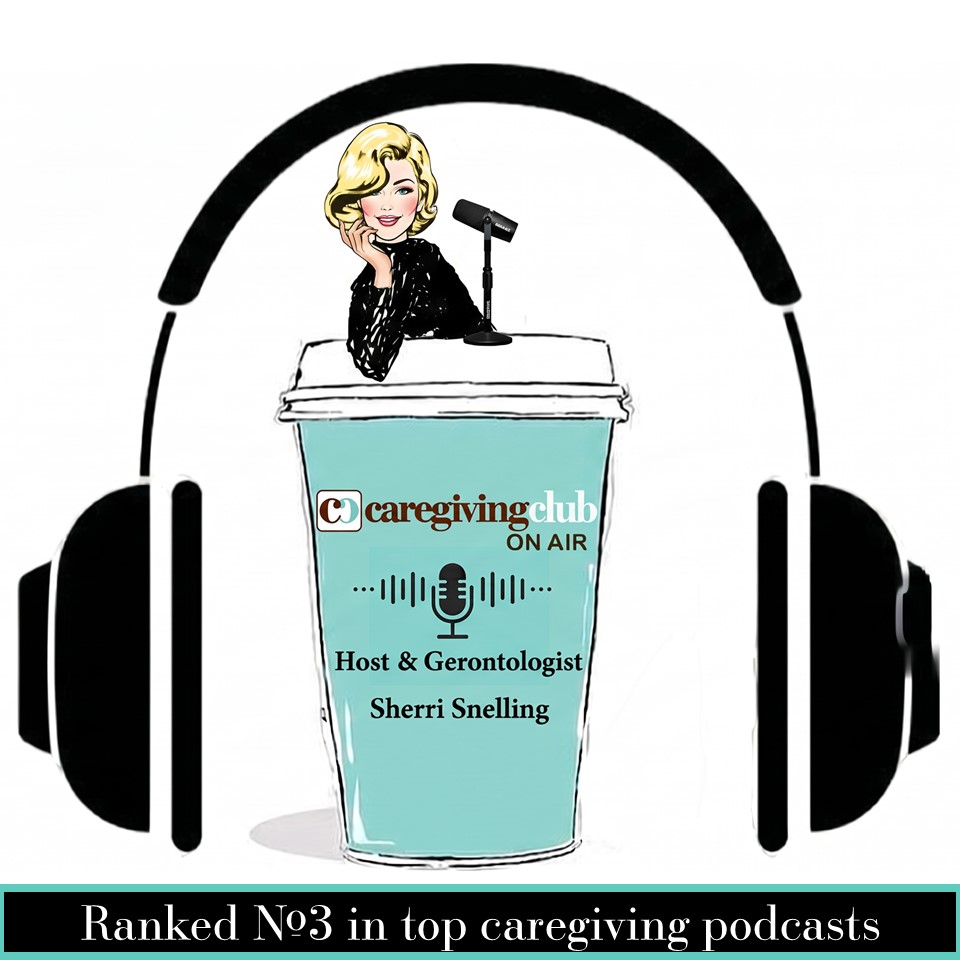
The significance of these discussions is reflected in the growing reach of the "Caregiving Club On Air" podcast. Having recently hit the #3 spot among the top 80 caregiving podcasts according to Feedspot, the show has become a cornerstone of education for both caregivers and corporate leaders.
This success underscores a broader societal trend: we are finally, collectively, ready to talk about the "care gap." With the move of segments to the official Caregiving Club YouTube channel, Snelling is ensuring that these critical insights on wellness, home design, and professional support are accessible to a global audience.
Conclusion: A New Era of Workplace Advocacy
As we continue to navigate the complexities of the 21st-century workforce, the partnership between companies like Kaiser Permanente and advocates like Sherri Snelling provides a roadmap for the future. By acknowledging the realities of the "Sandwich Generation" and treating caregiving as a core component of the human experience rather than an HR liability, we can create a more sustainable, empathetic, and productive future.
The takeaway for any organization looking to thrive in the coming years is simple: Your employees are caregiving. Whether you choose to acknowledge and support them will determine not just their success, but the longevity and health of your entire company.
Resource Directory
For those seeking to implement better support systems or find personal balance, the following resources are recommended:

- National Conflict Resolution Center (NCRC): ncrconline.com
- Elder Care Locator: 1-800-677-1116 or eldercare.gov
- "Self-Care in 7 Minutes" Wellness Series: Available on the Caregiving Club YouTube Channel.
- Educational Literature: Sherri Snelling’s Me Time Monday offers actionable strategies for caregivers looking to reclaim their health and sanity amidst the chaos of daily responsibilities.
For more in-depth analysis on how to build a care-focused workplace, readers are encouraged to explore Sherri Snelling’s articles on Next Avenue and Care for Business, which cover topics ranging from manager training to the psychological benefits of a structured "reset" routine.