











In the high-stakes world of professional music, performers are expected to be paragons of stamina and physical perfection. For singer-songwriter Cami Clune, known for her breakout performances on NBC’s The Voice, the reality of her career is defined by a different kind of strength. Behind the glamour of stadium lights and the precision of a vocal performance lies a complex, ongoing battle with invisible illness—specifically Ehlers-Danlos syndrome (EDS), mast cell activation syndrome (MCAS), and dysautonomia.
Following the July 2026 release of her debut album, should be sleeping, Clune sat down with Chronic Pain Partners to discuss the intersection of artistic ambition and chronic health management. Her story is not merely one of survival; it is a masterclass in adaptation, advocacy, and the pursuit of dreams despite the unpredictable constraints of the human body.
Main Facts: The Intersection of Art and Advocacy
Cami Clune’s public identity as a musician is deeply intertwined with her personal identity as a patient advocate. While her audience sees a polished professional delivering the national anthem at NFL and NHL games or commanding a stage, they are rarely privy to the behind-the-scenes reality of living with a multi-systemic disorder.
The core of her health struggle is hypermobile Ehlers-Danlos syndrome (hEDS), a genetic connective tissue disorder that affects the body’s structural integrity. However, for Clune, the challenge is compounded by secondary conditions. Mast cell activation syndrome causes her body to react abnormally to common environmental triggers, and dysautonomia—a malfunction of the autonomic nervous system—disrupts involuntary functions such as heart rate, blood pressure, and digestion.
"Sharing my diagnoses publicly isn’t always easy," Clune explains. "But it has helped me raise awareness about invisible illnesses. People may see someone performing onstage and assume they’re perfectly healthy. We truly never know what someone may be going through."
Chronology: A Path to Understanding
For Clune, the medical journey was not a single event but a years-long process of piecing together a complex puzzle.
Early Symptoms and the Diagnostic Gap
Clune reports experiencing symptoms for as long as she can remember. Growing up, the frustration of unexplained physical limitations was a constant companion. The path to a formal diagnosis was fraught with the common pitfalls of chronic illness: the "diagnostic odyssey" where patients often spend years seeing specialists without receiving a cohesive explanation.
The 2018 Turning Point
The year 2018 marked a significant milestone when she was finally diagnosed with hEDS. While the diagnosis brought validation, it was merely the opening chapter of a larger, evolving story. Over the subsequent years, as she pushed herself to succeed in the music industry, she discovered that EDS was not an isolated issue. It was, rather, the anchor for a series of other health complications that emerged as she navigated the stresses of touring and recording.

The Pandemic and the "Air Hunger" Crisis
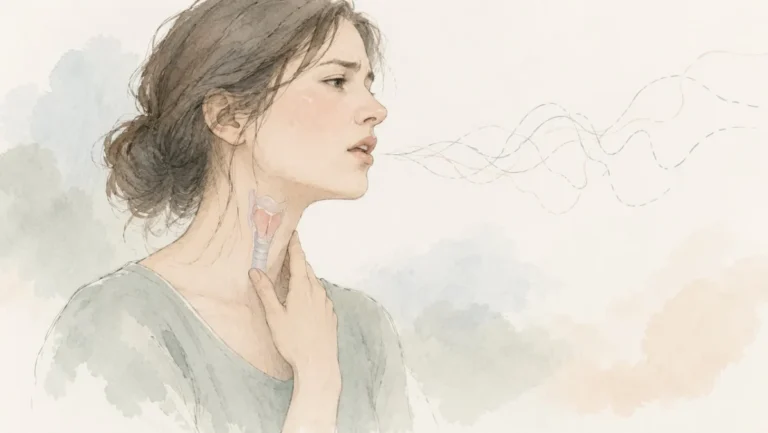
The COVID-19 pandemic proved to be a critical juncture. Following a bout with the virus, Clune’s immune system appeared to enter a state of hyper-reactivity. This led to the emergence of "air hunger"—a terrifying symptom characterized by the inability to achieve a satisfying, deep breath, despite normal oxygen levels. The severity of this symptom forced a difficult decision: a complete year-long hiatus from performing to prioritize medical intervention and recovery.
Supporting Data: The Systemic Impact of EDS
Clune’s experience highlights the systemic nature of Ehlers-Danlos syndrome, a reality often misunderstood by the general public and even within the medical community.
Gastrointestinal Complications
One of the most profound aspects of her health journey has been managing digestive health. Clune notes that EDS frequently impacts the gastrointestinal tract, leading to issues such as Small Intestinal Bacterial Overgrowth (SIBO). This is a vital point for the medical community, as it illustrates that connective tissue disorders are not limited to joints and skin; they can profoundly disrupt the body’s metabolic and digestive processes.
The Impact of Dysautonomia on Performance
As a full-time musician averaging 250 performances a year, Clune faces the constant threat of dysautonomia. Because her autonomic nervous system does not always regulate heart rate and blood pressure efficiently, the physical exertion of performing—combined with the physiological demands of stage lights and travel—requires a rigid, calculated management strategy.
Physiological Maintenance
To maintain her career, Clune employs a multi-faceted wellness protocol:
- Physical Therapy: Working with a specialized personal trainer to build functional strength.
- Dietary Management: Strict adherence to protocols designed to minimize histamine-related flare-ups.
- The Recovery Cycle: Implementing a rigorous post-performance recovery routine, acknowledging that for those with chronic illness, recovery is as essential as preparation.
Official Responses and Perspectives
Clune’s openness has resonated deeply within the chronic pain community. Experts often point to the "invisible" nature of these conditions as the primary barrier to patient support. When a patient looks healthy, there is a societal tendency to dismiss their fatigue or physical distress as psychological.
Clune challenges this narrative. By detailing the "air hunger" she experienced—a sensation that felt like she was constantly fighting for life itself—she humanizes a medical term. "I felt so alone, like nobody could understand this terrifying symptom," she says. Her transparency serves as an unofficial bridge between the medical community and the patient population, proving that one can remain highly functional and successful while living with severe, systemic health challenges.
Implications: A New Paradigm for Chronic Illness
Cami Clune’s story carries significant implications for how society views disability and chronic illness in the workplace.

Redefining Success
Clune argues that a diagnosis should not be viewed as an end to one’s ambitions. Instead, it requires a shift in strategy. She advocates for the idea that "your path might look different from someone else’s, and that’s okay." This is a crucial lesson for young artists and professionals who fear that a health crisis will permanently end their careers.
The Importance of Self-Advocacy
A central tenet of Clune’s philosophy is the necessity of self-advocacy. She encourages others to push for answers when their intuition tells them something is wrong. In an age where medical gaslighting is a documented phenomenon, Clune’s success in finding a management balance serves as a call to action for patients to be the architects of their own care.
The Balance of Pushing and Listening
Perhaps her most profound takeaway is the distinction between "pushing yourself to achieve" and "pushing yourself beyond what your body can handle." This balance is delicate and ever-shifting. Clune’s willingness to step back—to take a year off, to prioritize rest over a gig—is perhaps her most powerful message to her fans. She demonstrates that true strength lies in knowing one’s limits and respecting them.
Final Reflections
As Clune continues to tour and share her music, she does so with a renewed sense of purpose. She views her health not as a hurdle to her music, but as a component of her identity that informs her empathy and her connection with her audience. Her journey suggests that while we cannot always control the state of our health, we can control how we integrate our challenges into our life’s work.
For those watching Cami Clune, the performance is no longer just about the vocal range or the stage presence; it is about the quiet, persistent, and successful act of living with and overcoming the invisible.
For more information on Cami Clune’s upcoming projects and to listen to her debut album, visit camiclune.com. Additional insights and Q&A sessions regarding her health journey can be found on the Chronic Pain Partners Instagram channel.