








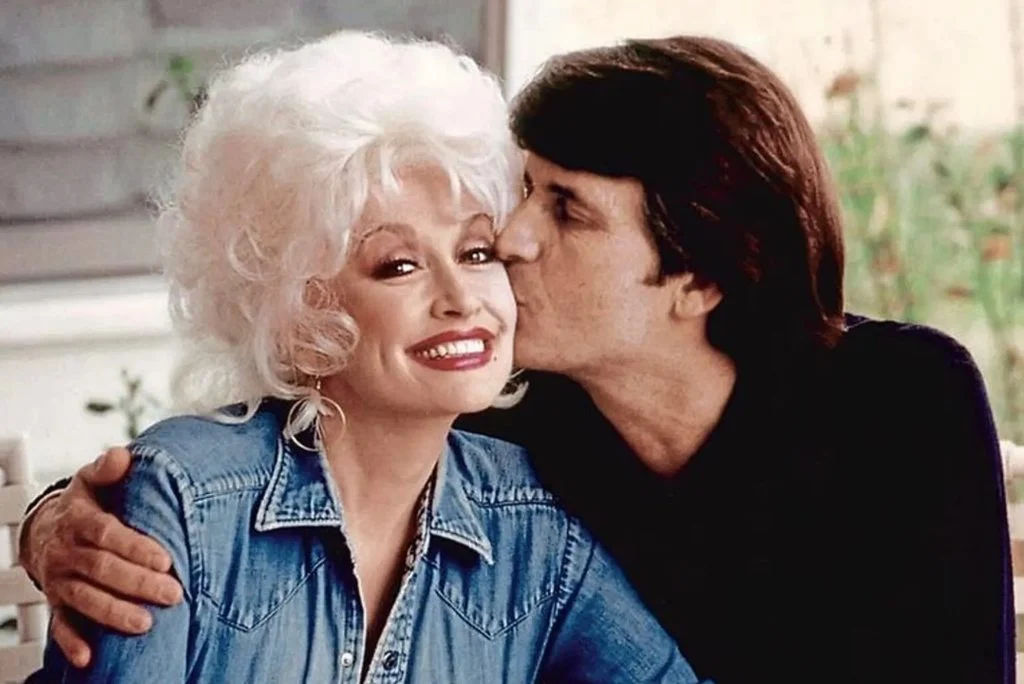
The passing of Dolly Parton on August 25, at the age of 80, sent a profound ripple of sorrow across the globe. For decades, the Tennessee icon was a rare cultural touchstone—a songwriter who turned her life’s joys and heartbreaks into universal anthems, an entrepreneur who built a billion-dollar empire from humble Appalachian roots, and a philanthropist whose Imagination Library brought literacy to millions.
Yet, in the wake of her death, a vital part of her story has come to light: the reality of her final years spent as a dedicated, private caregiver for her husband of nearly 60 years, Carl Dean. Her passing, occurring just 18 months after Dean’s death, has thrust the medical phenomenon known as the "widowhood effect" into the spotlight, serving as a sobering reminder of the physical and psychological toll exacted upon spousal caregivers.
A Legacy of Love and the Burden of Care
Dolly Parton’s life was defined by her ability to bridge divides. As noted by the New York Times in 2019, she was perhaps the only figure in a fractured society that everyone could agree on. However, behind the glitter and the enduring smile, the woman who famously sang "I Will Always Love You" was living a quiet, intense reality as a primary caregiver for her husband, who was diagnosed with Alzheimer’s disease in 2019.
By 2022, Parton made the difficult but resolute decision to step away from the grueling schedule of touring and public appearances. She withdrew into the sanctity of their Nashville home, choosing to prioritize her role as a wife over her role as a global superstar. In a candid, rare social media reflection following Dean’s decline, Parton admitted: "I’ve got some problems… Back when my husband Carl was very sick, that was for a long time, and then when he passed, I didn’t take care of myself, so I let a lot of things go that I should’ve been taking care of."
This admission is not merely a celebrity anecdote; it is a clinical marker of the high-stakes world of dementia caregiving.
The Widowhood Effect: A Chronology of Decline
The "widowhood effect" refers to the statistically significant increase in mortality risk for surviving spouses, particularly in the months and years following a partner’s death. For spousal caregivers, this risk is compounded by the "caregiving burden"—a combination of physical exhaustion, chronic stress, sleep deprivation, and the abandonment of personal medical maintenance.
The Stages of the Caregiving Journey:
- The Diagnosis (2019): Carl Dean receives an official Alzheimer’s diagnosis. Parton begins the transition from spouse to primary caregiver.
- The Withdrawal (2022): Public life is sidelined. The intensity of dementia care—which often involves managing sundowning, memory loss, and the physical decline of a partner—becomes a 24/7 reality.
- The Bereavement (Post-Dean): Parton grapples with the transition from the role of caregiver to that of a widow. The loss of her "rock" marks the beginning of a period of deep, private grief.
- The Physical Toll: The cumulative effect of years of caregiving, coupled with the systemic inflammation triggered by intense, prolonged grief, leads to her own health decline.
- The Passing (August 2026): Parton succumbs to cancer, just 18 months after losing her husband.
Supporting Data: The Hidden Crisis in American Households
The statistics surrounding spousal caregiving paint a bleak picture of a silent, growing public health crisis. According to the 2025 AARP/National Alliance for Caregiving report, there are approximately 6 million Americans currently providing care for a spouse. While this represents roughly 10% of the total caregiver population, the intensity of this care is significantly higher than that provided by adult children or other relatives.
Key Metrics on Caregiver Health:
- Duration and Intensity: Caregivers of adults over 50 now spend an average of 26 hours per week providing care, a sharp increase from 22 hours in 2020.
- The Dementia Gap: Nearly 1 in 4 caregivers supports a loved one with memory issues. These individuals face higher rates of depression, anxiety, and financial strain.
- The Reluctance to Seek Help: Research from the National Institutes of Health (NIH) indicates that spousal caregivers—particularly women—are the least likely to utilize professional respite care or community support services, often feeling a sense of duty to "do it all" themselves.
- Mortality Risks: A 2023 study of one million Danish citizens found that the mortality risk for surviving spouses is significantly higher within the first year of bereavement. Furthermore, research from Rice University has linked intense grief to a 17% increase in bodily inflammation, which accelerates the progression of underlying chronic illnesses like cancer and heart disease.
The Psychological Implications of Grief and Self-Care
Dolly Parton’s journey through grief was one she navigated through her faith, her music, and her family. However, even the strongest individuals are not immune to the biology of stress.
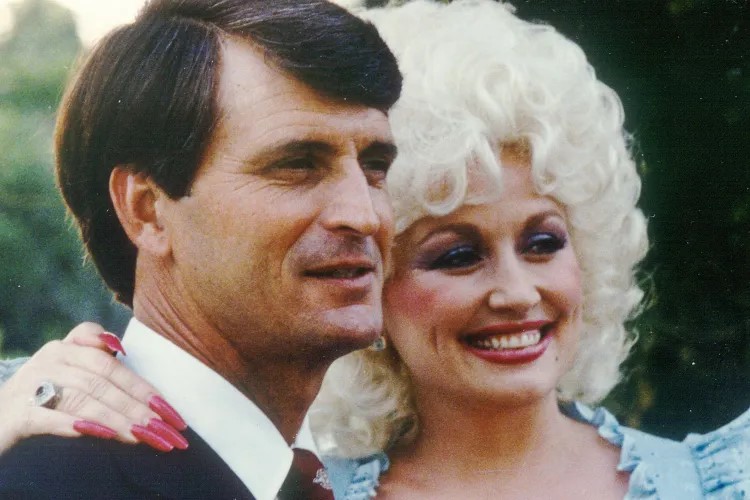
Psychologists identify the "Stages of Grief"—denial, anger, bargaining, depression, and acceptance—as a linear progression, yet for the caregiver, these stages are often interrupted by the logistics of life and the depletion of emotional reserves. When a person reaches the sixth stage, often described as "Finding Meaning," it requires a baseline of physical health that is frequently eroded during the caregiving years.
Parton’s experience underscores that self-care is not a luxury; it is a physiological necessity. When we focus exclusively on the person we love, we often neglect the "three-party equation" of healthy caregiving: the person we bond with, our spiritual or emotional foundation, and, crucially, our own body and mind.
Official Responses and the Future of Respite
While the government has begun to recognize the severity of this issue—evidenced by the $25 million in federal funding for respite innovation announced in 2025—the adoption rate remains abysmal. Only 14% of dementia caregivers currently access available respite services.
Policy experts and geriatricians suggest that the "Widowhood Effect" can be mitigated through earlier intervention. This includes:
- Mandatory Caregiver Assessments: Integrating caregiver health screenings into the patient’s primary care visits.
- Respite "CareGifting": Normalizing the use of platforms like Respitely or CaringBridge, which allow friends and extended family to crowd-fund or volunteer for caregiving hours, removing the stigma of asking for help.
- Public Awareness: Using stories like Parton’s to transition from a "heroic caregiver" narrative to one that emphasizes sustainability and professional support.
Implications: A Call to Action
The passing of Dolly Parton is more than the loss of a legend; it is a clarion call for the millions of Americans quietly performing the same act of devotion.
If there is a lesson to be learned from her final, private chapter, it is that love, while powerful, cannot replace the need for physical and mental maintenance. The "widowhood effect" is not an inevitable fate, but a risk factor that can be managed through early intervention, the proactive use of respite services, and a shift in how we view the "duty" of caregiving.
Resources for Caregivers
For those currently navigating the complexities of spousal caregiving, support is available. It is not a sign of weakness to seek assistance, but rather a necessary step in ensuring that both the caregiver and the loved one can maintain their quality of life.
- ARCH National Respite Care Network: A primary hub for identifying local respite providers.
- Hilarity for Charity: Offers "care grants" for families struggling with the financial burden of dementia care.
- Veteran’s Administration: Provides up to 30 days of respite care per year for eligible veteran families.
- Area Agencies on Aging (UsAging): A nationwide network that connects families with local resources, often providing services at no cost.
Dolly Parton’s life was defined by the joy she gave to others. Her death, while tragic, can serve as a catalyst for a necessary cultural shift—one where we finally prioritize the health of the caregiver as much as the health of the patient. By breaking the cycle of isolation, we can ensure that the "widowhood effect" becomes a historical footnote rather than a common ending for our nation’s most devoted spouses.