










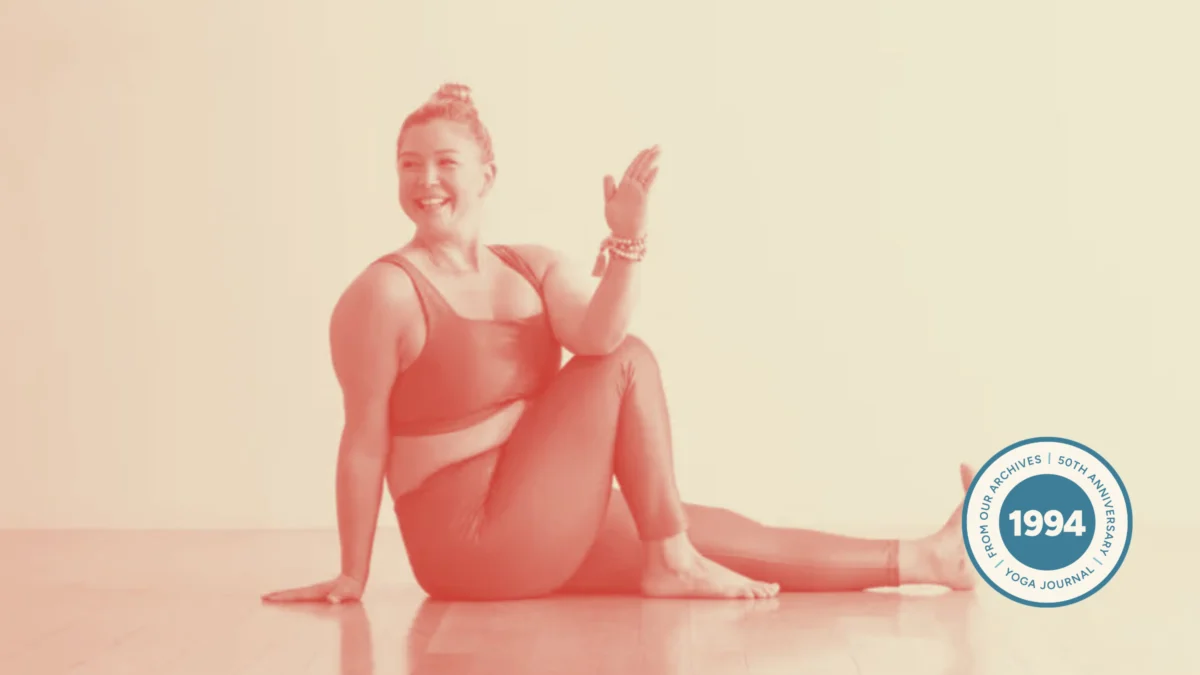
Originally published in the March-April 1994 issue of Yoga Journal, this archival exploration of Marichyasana III offers a timeless lesson on shifting the focus of yoga practice from the superficial to the profound.
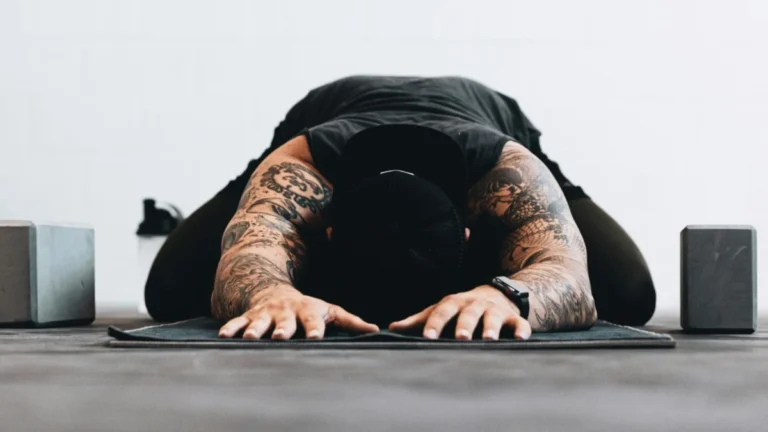
For many, the yoga studio is a sanctuary of routine. We walk through the door, navigate the familiar scents of incense or cedar, and instinctively gravitate toward the same six-square-foot patch of floor we claimed weeks ago. This behavior, while comforting, often creates a psychological "blind spot." By habitually practicing in the same location, we limit our perceptual range, viewing the world—and our own bodies—from a static, two-dimensional vantage point.
In the pursuit of a deeper yoga practice, breaking these minor habits is the first step toward reclaiming a three-dimensional awareness. When we move our mat, we change our perspective, much like a photographer circling a subject to capture its hidden dimensions. This article explores how shifting our internal focus, specifically during the Pose Dedicated to the Sage Marichi (Marichyasana III), can transform a physical stretch into a profound exploration of the self.
The Architecture of the Inner Self
In Western culture, our understanding of the body is often dominated by a musculoskeletal bias. We view our movements as the result of levers (bones) being pulled by pulleys (muscles). While scientifically accurate, this perspective is incomplete. By focusing exclusively on the "outer shell," we neglect the visceral volume that defines our existence.
Eastern traditions have long honored the internal organs—the heart, lungs, stomach, and intestines—as the keys to physical and spiritual vitality. When we acknowledge these structures, we move away from a "puppet-on-a-string" sensation and toward an experience of "ripe fullness." Just as we might focus on a muscle contraction, we can consciously direct our attention to the internal organs. This shift in awareness acts as an internal adjustment, fundamentally altering the quality of our movement and the depth of our practice.
Chronology of Awareness: From Surface to Core
The evolution of yoga practice has always been a quest to move from the gross to the subtle. Ancient yogis, uninterested in the aesthetics of hamstring flexibility, focused on the energetic currents and organ health that dictate longevity and consciousness.
The Preliminary Phase: Sensing the Container
To begin this practice, one must first cultivate a map of the internal body. Adapted from the teachings of Bonnie Bainbridge Cohen, this preliminary exercise encourages practitioners to visualize the body as two concentric cylinders: the soft, internal organ-filled core surrounded by the harder musculoskeletal exterior.
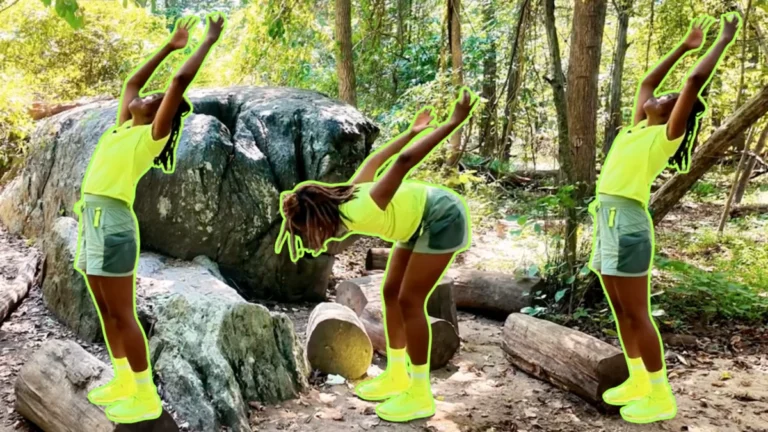
By closing the eyes and mapping the placement of the stomach, liver, and intestines, we begin to "palpate" these structures with our breath. When we initiate a simple side bend from this internal vantage point, the movement feels organic. The skeleton does not lead; rather, the organs elongate, and the bones follow. This is a critical departure from traditional fitness models, where the mind manipulates the body; here, the mind inhabits the body.
Supporting Data: The Mechanics of Marichyasana III
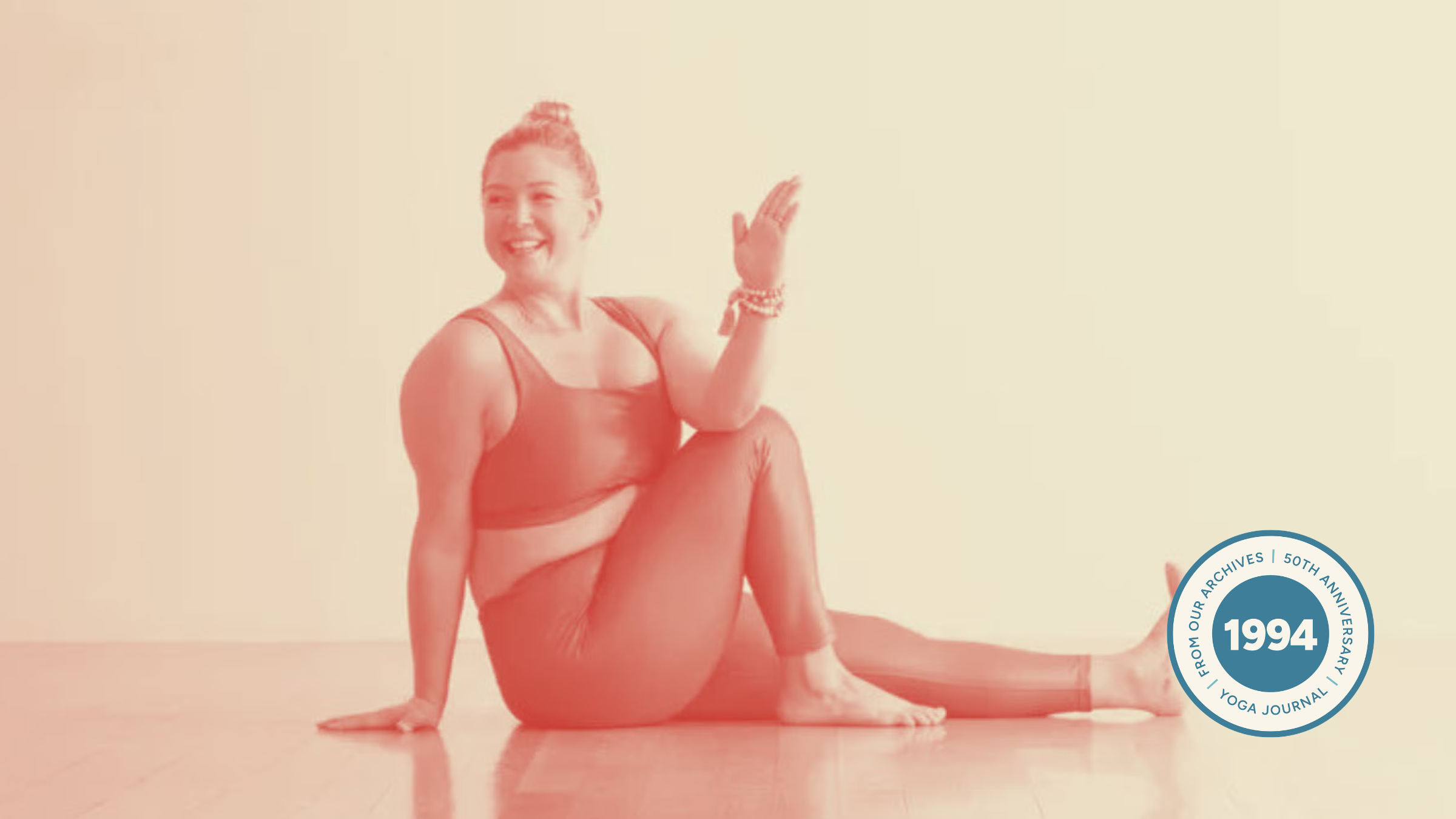
The Pose Dedicated to the Sage Marichi is an ideal laboratory for this approach. A seated twist naturally compresses, elongates, and massages the internal organs. However, when practiced with a purely musculoskeletal focus, the twist often becomes a forced rotation. The practitioner uses the elbow as a lever, the shoulder as a force-multiplier, and the spine as a rigid pole. This often leads to over-exertion or, worse, structural strain.
The Role of the Breath as a Catalyst
In the beginner’s practice of Marichyasana III, the breath serves as the primary tool for movement. By elevating the hips on a blanket, we neutralize the hamstrings, allowing the pelvis to tilt forward. This creates the necessary space for the spine to remain erect.
- The Initiation: Rather than pulling with the arm, we allow the abdomen to rotate from the core.
- The Belly Dance Effect: As we exhale, we guide the soft inner body circularly. The organs are not passive passengers; they are active participants.
- The Guiding Arm: The elbow should act as a "guide" rather than a "dictator." When the inner body yields to the rotation, the arm gently encourages the movement, preventing the shoulder from collapsing and ensuring the breath remains fluid.
Implications for Long-term Practice
The consequences of shifting our awareness are both physical and psychological. By avoiding the "over-powering" of the spine, we protect the delicate sensory nerve fibers of the spinal cord. Practitioners who learn to initiate movement from the organ level report a significant reduction in post-practice back pain and a newfound ease in their spinal alignment.
The Spinal Cord as a Central Axis
For advanced students, the focus shifts to the nervous system itself. By visualizing the spinal cord as the "tail of the brain"—a soft, sensitive structure threading through the bony beads of the vertebrae—the practitioner learns to move with extreme precision.
When the vertebrae are adjusted to glide over the spinal cord rather than grind against it, the twist becomes a soothing, meditative act. If the practice is performed with force, the body often reacts with a subtle, internal "locking" sensation. If performed with internal awareness, the body enters a state of "un-doing," where the long-held tensions of the day seem to dissolve.
Official Perspectives and Philosophical Reflections
While modern sports science often emphasizes the "maximum output" of muscle groups, the traditional yogic perspective emphasizes "the return to center." The longing to "get somewhere" in a pose—to reach a deeper twist or a more impressive bind—is often a distraction.
The true purpose of the twist is not to maximize rotation, but to return to the still, undifferentiated core from which all life expands. When we use our arms to forcefully turn the torso, we are practicing a dualistic separation of mind and body. When we allow the organs to lead, we integrate the mind into the body, creating a holistic experience of presence.
Practical Tips for the Modern Practitioner:
- Avoid the "Wilting" Effect: Grounding through the sit bones is essential. If the spine sags, the organs cannot be massaged effectively.
- The "Guide, Not Dictator" Rule: If you find yourself holding your breath to get deeper into the twist, you are using the arm as a dictator. Back off until the breath flows freely.
- Anatomical Visualization: Use an anatomy reference to understand the placement of the colon and liver. Knowing where these organs lie helps the mind "find" them during the twist.
Conclusion: The Path Back to Wholeness
The beauty of the Pose Dedicated to the Sage Marichi lies in its simplicity. It does not require extreme flexibility, only extreme attention. As we move through the layers of the body—from the superficial muscles to the dense bones, and finally to the soft, rhythmic organs and the sensitive spinal cord—we are essentially practicing the path of yoga itself.
We spend much of our lives living in the "outer layers," reacting to the world through our muscular tensions and defensive postures. By taking the time to breathe into our core, we honor our deepest, most vulnerable selves. The twist is not just a physical movement; it is a spiraling return to our own center, a reminder that the path to transformation is not found by pushing outward, but by turning inward.
Whether you are a seasoned yogi or a newcomer to the mat, the next time you step into the studio, try a new spot. Then, as you move into your next twist, try a new way of seeing. You may find that the most profound shifts in your practice occur not when you stretch your muscles further, but when you allow your consciousness to sink deeper.