








For decades, nutritionists and health experts have scrutinized the "what" of our diets—the grams of saturated fat, the teaspoons of added sugar, and the intake of processed carbohydrates. However, a groundbreaking study from Oregon Health & Science University (OHSU) suggests that when it comes to the long-term health of our most vital metabolic organ, the "when" may be just as critical as the "what."
According to new research published in Clinical Gastroenterology and Hepatology, late-night snacking is associated with a 20% to 30% increased risk of developing liver disease. As the medical community shifts its focus toward the complex interplay between circadian biology and metabolism, this study provides compelling evidence that our internal clocks play a significant role in how our bodies process energy.
The Core Findings: A New Frontier in Hepatology
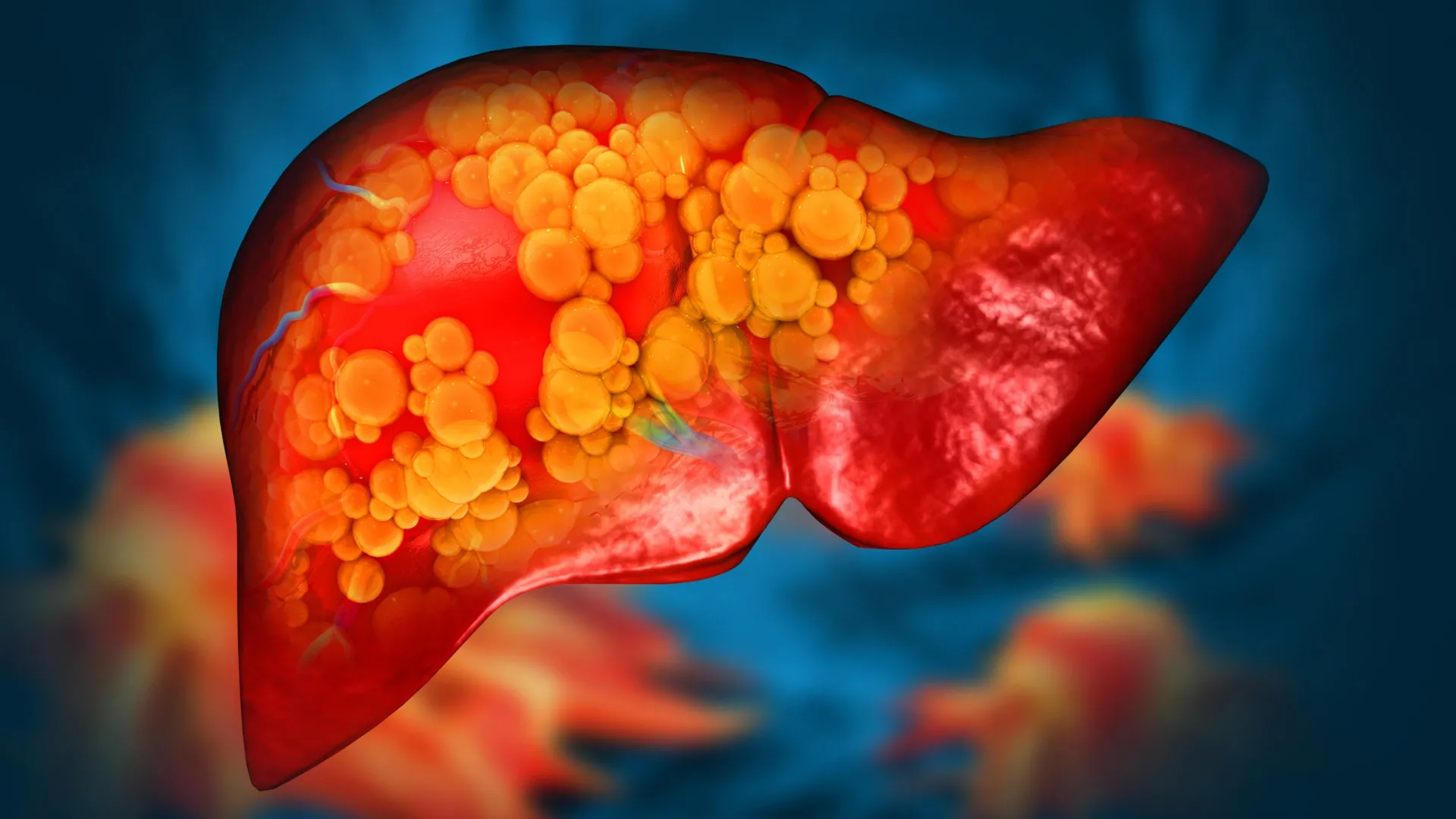
The study, which analyzed data from nearly 200,000 participants, posits that eating after dinner or shortly before bedtime places an undue burden on the liver. This disruption is linked to two primary conditions: metabolic dysfunction-associated steatotic liver disease (MASLD)—formerly known as fatty liver disease—and cirrhosis, the severe, irreversible scarring of liver tissue.
While previous research has established a clear link between late-night eating and obesity, diabetes, and cardiovascular complications, this analysis marks one of the first long-term, large-scale attempts to explicitly tie nocturnal eating habits to the progression of liver pathology.
"A few studies have hinted at this idea, but this is among the first long-term analyses to explicitly draw the connection to fatty liver disease," said lead author Robert Wilechansky, M.D., a hepatologist at OHSU who specializes in liver transplantation.
A Chronological Look at the Research Journey
The road to these findings was paved by years of observational data and a growing curiosity about why night-shift workers consistently face higher rates of metabolic syndrome.
Phase 1: Identifying the Pattern
The researchers began by aggregating massive datasets from three prestigious, long-running studies: the Nurses’ Health Study, the Nurses’ Health Study II, and the Health Professionals Follow-up Study. These cohorts provided a treasure trove of information regarding daily routines, dietary habits, and lifestyle factors of nearly 200,000 individuals over an extended period.
Phase 2: Stratification and Comparison
Researchers categorized the participants based on their reported eating windows. By cross-referencing these eating patterns with medical records and reports of liver conditions, the team identified a stark, consistent disparity. Those who consistently consumed calories late in the evening were significantly more likely to receive a diagnosis of liver disease than their counterparts who concluded their food intake well before sleep.
Phase 3: The Mechanism of Circadian Disruption
The study’s authors hypothesize that the liver, much like the brain, operates on a 24-hour cycle known as the circadian rhythm. This biological clock regulates everything from hormone release to nutrient metabolism. When we consume food while the body is biologically "primed" for rest and repair, the liver is forced to engage in high-energy processing tasks at the wrong time, potentially leading to the storage of fat rather than the efficient burning of fuel.
The Role of Circadian Physiology: Why Your Liver Needs Rest
The human liver is a metabolic powerhouse, responsible for detoxification, bile production, and blood sugar regulation. Dr. Andrew McHill, Ph.D., a co-author of the study and associate professor specializing in sleep and circadian physiology at OHSU, explains that the liver is remarkably sensitive to the timing of external stimuli.
"We are seeing over and over again that the timing of behaviors, whether it’s sleep, eating, or exercise, really matters," says Dr. McHill. "When you eat during the night, when the internal biological clock is promoting sleep, it reduces the ability of your body to metabolize foods as efficiently. This creates a metabolic ‘mismatch’ that can lead to obesity, diabetes, and, as we now see, poor liver health."
The analogy often used by researchers is that of a factory shift. If a factory (the liver) is designed to undergo maintenance and cleaning during the night shift, but is instead kept running at full capacity by a late-night delivery of raw materials (food), the factory eventually breaks down. Over time, the inability to manage these nocturnal caloric loads leads to lipid accumulation in the liver—the hallmark of fatty liver disease.
Supporting Data: Examining the Scope of the Problem
To understand the weight of these findings, one must consider the prevalence of the conditions in question. Fatty liver disease currently affects approximately 30% of the U.S. population. While it is often characterized as a "silent" condition—frequently asymptomatic in its early stages—it can progress to inflammation, severe scarring (cirrhosis), and eventual liver failure.
Dr. Wilechansky notes that while only a subset of patients with fatty liver disease progresses to the dangerous, advanced stages of cirrhosis, the sheer volume of the population affected means that even a moderate reduction in risk through behavioral changes could have massive public health implications.
"It’s important to remember, of the people who developed fatty liver disease, only a small fraction develop serious forms of the condition like liver cirrhosis," Wilechansky said. "Even so, the big take-away here is that confining your calorie intake to several hours before bedtime might be beneficial."
Official Perspectives and Expert Interpretation
The scientific community has reacted with cautious optimism to the study. Because the research is observational, it identifies a strong correlation rather than a definitive cause-and-effect relationship. Critics point out that participants’ self-reported data on eating times may be prone to recall bias. Furthermore, it is possible that individuals who eat late at night may also engage in other unhealthy behaviors that contribute to liver disease, such as higher overall caloric intake or poorer food quality.
However, the authors of the study are already looking ahead to more rigorous, controlled environments. Dr. Wilechansky is currently involved in an OHSU clinical study designed to test the intervention directly. By actively monitoring meal timing in a controlled cohort, the team hopes to determine if simply shifting one’s eating window to earlier in the day can lead to measurable improvements in liver function markers.
"We’re interested in changing the timing of eating in a way that could make a difference in health without changing the composition of what people eat," Wilechansky explained. This approach is particularly appealing to public health officials, as it suggests a low-cost, non-pharmacological intervention that does not require the strict dietary restrictions that many patients find difficult to maintain.
Implications for Public Health and Lifestyle
The implications of this research are profound for the average consumer. For decades, the "eat anything, just count the calories" mantra has dominated the weight-loss industry. This study shifts the paradigm, suggesting that the body’s internal clock is an equally important partner in the fight against metabolic disease.
What This Means for You:
- The "Last Call" Rule: Aim to finish your final meal of the day at least two to three hours before bedtime. This gives the body a clear window to transition from a state of digestion to a state of repair.
- Prioritizing Circadian Alignment: For those who work night shifts or have irregular schedules, the challenge is greater. However, the study suggests that even within non-traditional schedules, maintaining consistent eating windows may help mitigate some of the metabolic risks.
- Focus on Timing, Not Just Restriction: For many, the idea of a restrictive diet is daunting. If the OHSU findings hold up in clinical trials, simply shifting the timing of existing meals could become a standard clinical recommendation for patients at risk of metabolic syndrome.
Conclusion: A Shift in Perspective
As the research team, which included experts from Massachusetts General Hospital, continues their work, the medical community remains watchful. The study, supported by the American Association of the Study of Liver Diseases Foundation, reinforces a growing body of literature that positions "chrononutrition"—the study of the timing of food intake—as a cornerstone of future preventative medicine.
While it is too early to declare the "late-night snack" an official enemy of the liver, the evidence is becoming increasingly difficult to ignore. For millions of Americans, the key to better liver health may not be found in a supplement or a drastic diet overhaul, but in the simple, disciplined act of closing the kitchen earlier in the evening. As we learn more about the profound connection between our biological rhythms and our metabolic outcomes, the humble bedtime snack may soon be viewed as a luxury that the human body—and particularly the liver—can no longer afford.