






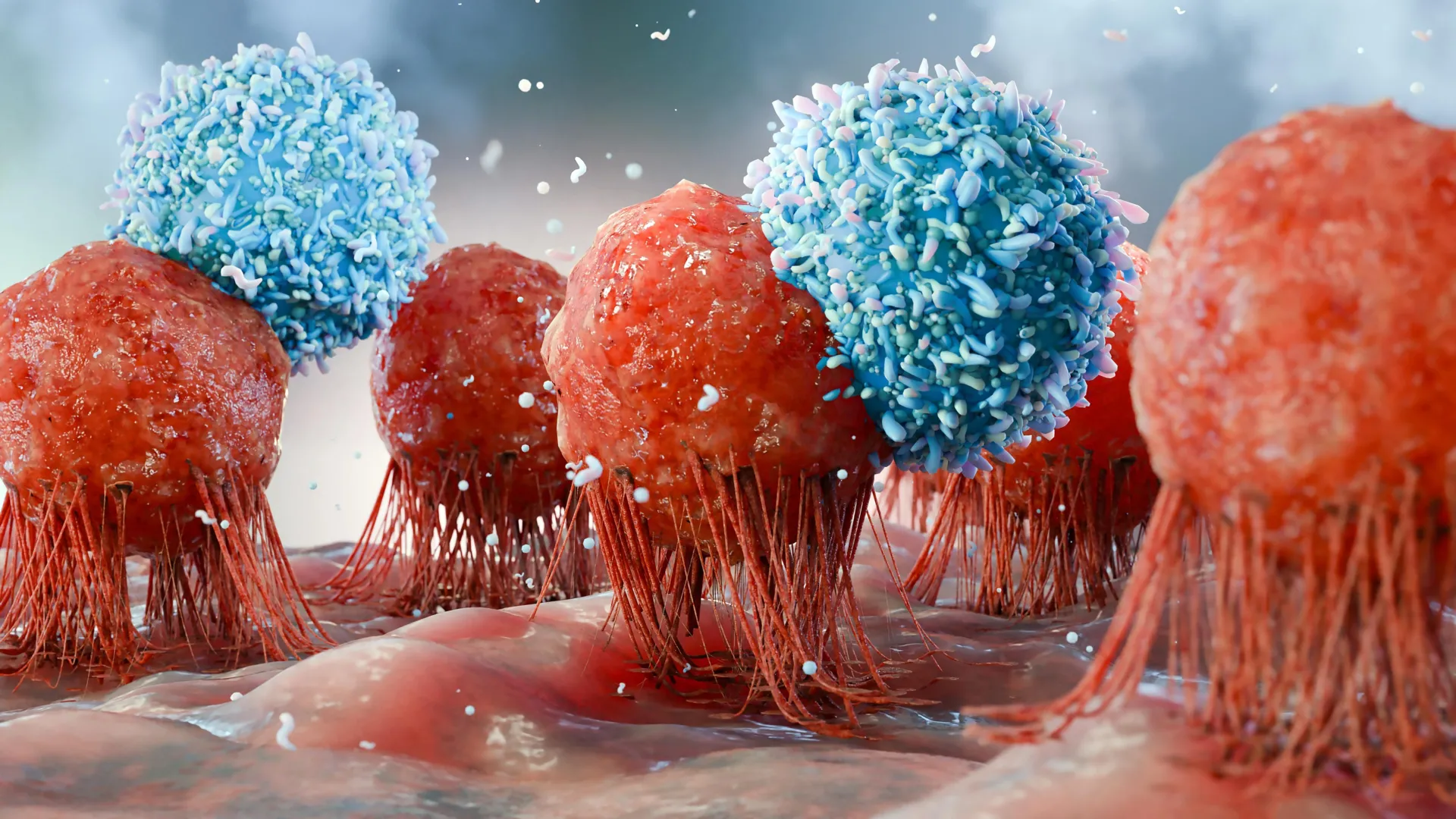
In a landmark study published in the journal Cell, a multidisciplinary team of researchers at the University of Southern California (USC) has unveiled a transformative approach to cancer immunotherapy. By successfully expanding and genetically engineering immature immune cell precursors, the scientists have developed a platform capable of producing a virtually renewable supply of tumor-fighting cells. This breakthrough addresses critical bottlenecks in current medical practice, potentially shifting the paradigm from one-time infusions to a sustainable, internal immune-regeneration model.
The Core Innovation: Engineering the Precursor
The traditional approach to cell-based immunotherapy—most notably CAR-T cell therapy—involves harvesting mature immune cells from a patient, genetically modifying them to recognize cancer markers, and re-infusing them into the body. While revolutionary for certain blood cancers, this method faces significant limitations: mature cells are difficult to expand in large quantities, are prone to rapid exhaustion, and struggle to infiltrate dense, solid tumors.
The USC Stem Cell-led team, headed by Qi-Long Ying, MD, PhD, shifted the focus to an earlier developmental stage: the granulocyte-monocyte progenitor (GMP). GMPs are "committed" precursor cells that normally differentiate into macrophages—the immune system’s "big eaters"—and other specialized defenders.
For decades, the prevailing dogma in hematology held that only hematopoietic stem cells (HSCs) possessed the capacity for long-term self-renewal. Progenitor cells were viewed as transient workers, destined to mature and die. The USC team shattered this consensus. By developing a precise chemical cocktail, they coaxed GMPs to multiply indefinitely in the laboratory while maintaining their identity. These "immortalized" progenitors can be genetically programmed, cryopreserved, and scaled, providing a "factory" of immune cells that can be deployed on demand.
A Chronology of Discovery: From Benchtop to Breakthrough
The road to this discovery was paved by a deep interrogation of cellular developmental biology.
- Early Conceptualization: The team hypothesized that if they could capture cells at a "Goldilocks" stage—not too primitive, like a stem cell, but not yet terminally differentiated—they could control their destiny. They identified GMPs as the ideal candidates due to their inherent ability to infiltrate tissues, a trait lacking in conventional T cells.
- The Chemical Breakthrough: Researchers spent years refining a defined laboratory environment. By preventing the premature maturation of these cells, they discovered a state in which GMPs would continue to divide, self-renewing like stem cells but retaining the genetic "blueprint" to become macrophages.
- Genetic Programming: Once the expansion protocol was finalized, the team introduced Chimeric Antigen Receptor (CAR) technology to the GMPs. This allowed the progenitors to recognize specific cancer markers. They further augmented the cells with signaling molecules designed to recruit and activate T cells, creating a multi-layered attack strategy.
- Validation: To ensure the reproducibility of their findings, the USC team collaborated with Dr. Ravi Majeti’s laboratory at Stanford University. The independent verification confirmed that the GMP expansion platform was not a laboratory anomaly but a robust, scalable system.
- Preclinical Trials: The final stage involved in vivo testing. Mice with both blood-borne and solid tumors were treated with the engineered GMPs. The results were striking: the progenitors migrated to the bone marrow, engrafted, and continuously produced a fresh supply of cancer-targeting macrophages, effectively suppressing tumor progression.
Supporting Data: Why Macrophages Change the Game
The efficacy of this new platform is rooted in the unique biology of the macrophage. Unlike T cells, which are often excluded from the "cold" microenvironments of solid tumors, macrophages are programmed to migrate into tissues.
The researchers’ data highlights three major advantages of their GMP-based system:
- Persistence: Unlike traditional treatments that rely on a single dose of mature cells that eventually die off, the GMPs act as a "living drug." Once they engraft in the bone marrow, they provide a long-term, self-replenishing source of anti-tumor cells.
- Off-the-Shelf Potential: Because the engineered GMPs can be designed to bypass certain immune rejection signals, the researchers believe it is possible to create "off-the-shelf" therapies. This would eliminate the weeks-long wait time currently required to manufacture personalized therapies for individual patients.
- Broad Spectrum Activity: In experiments, the addition of immune-activating signals to the GMPs allowed them to coordinate a "pincer movement" against cancer—attacking the tumor directly while simultaneously summoning the body’s endogenous T cells to join the fight.
Official Responses and Expert Perspective
The scientific community has reacted with significant optimism. Qi-Long Ying, the corresponding author of the study, emphasized that the discovery reaches beyond oncology. "Our study suggests that the future of immunotherapy may depend not only on designing better CAR receptors, but also on choosing the right developmental stage of the cell," Ying noted. "We found that, under the right conditions, GMPs can also self-renew… that gives us a scalable starting point for engineering cell therapies for cancer, infectious disease, and potentially many other conditions."
Dr. Ravi Majeti, Director of the Institute for Stem Cell Biology and Regenerative Medicine at Stanford, echoed these sentiments. "This method for the expansion and engineering of GMPs opens the door to numerous translational applications, much like T cell expansion and engineering," he stated. "We have already demonstrated engineering of these cells to drive multiple potent functions, and there is a lot more to be explored."
The research team, which includes an extensive roster of specialists from USC, Creighton University, Harvard Medical School, and the Dana-Farber Cancer Institute, represents a massive collaborative effort, backed by institutions ranging from the L.K. Whittier Foundation to the California Institute for Regenerative Medicine.
Implications: The Horizon of Regenerative Medicine
While the current results are preclinical, the implications for the future of medicine are profound.
Overcoming Immune Deficiencies
Beyond cancer, the research offers a potential cure for inherited immune disorders. In a critical proof-of-concept experiment, the researchers utilized GMPs to treat mice suffering from chronic granulomatous disease (CGD). CGD patients are often plagued by life-threatening infections because their immune system cannot effectively neutralize pathogens. The engineered GMPs successfully restored the mice’s ability to combat these infections, suggesting that the platform could replace or repair defective immune systems at their progenitor level.
Redefining Manufacturing and Cost
The current "gold standard" for cell therapy is notoriously expensive and logistically difficult, often costing hundreds of thousands of dollars per patient. The USC platform’s ability to grow large, stable, and standardized batches of progenitor cells could fundamentally lower these barriers. By transitioning from a patient-specific manufacturing model to a scalable, donor-derived platform, hospitals could theoretically keep these therapies in stock, drastically improving access and reducing the time-to-treatment for patients.
A New Frontier in Stem Cell Biology
The discovery challenges the traditional view of blood development. By demonstrating that self-renewal is a property that can be unlocked in downstream progenitors under the right environmental cues, the USC team has opened a new sub-field in regenerative medicine. If other progenitor cell types can be similarly manipulated, the potential to repair damaged tissues—from the heart to the brain—could be within reach.
Cautionary Notes and Future Directions
Despite the excitement, the research team remains grounded. Moving from mice to human clinical trials requires rigorous safety assessments. Specifically, the researchers must determine if these "immortalized" progenitors could pose a risk of uncontrolled growth or long-term complications if they were to persist indefinitely in a human host.
"Further research will be needed to establish whether engineered GMPs can be used safely and effectively in people," the report acknowledges. The next phase of development will likely focus on "kill switches"—genetic safeguards that would allow physicians to deactivate the cells if necessary—and longitudinal studies to monitor the long-term safety of engrafted progenitors.
As the field of immunotherapy evolves, the USC study serves as a critical milestone. By looking backward to the earlier, more versatile stages of cell development, scientists have discovered a way to move forward with greater precision, scalability, and power. The era of the "living, renewable immune factory" may no longer be a matter of if, but when.