







The American Association for Respiratory Care (AARC) has long served as the backbone of pulmonary health, and at the pinnacle of its recognition stands the Jimmy A. Young Award. Named in honor of a visionary AARC president whose life was a testament to the advancement of respiratory care, the award is not merely a plaque—it is the highest professional accolade a respiratory therapist (RT) can achieve. It recognizes those rare individuals who have transcended the daily requirements of their roles to provide sustained, transformative contributions to the field.
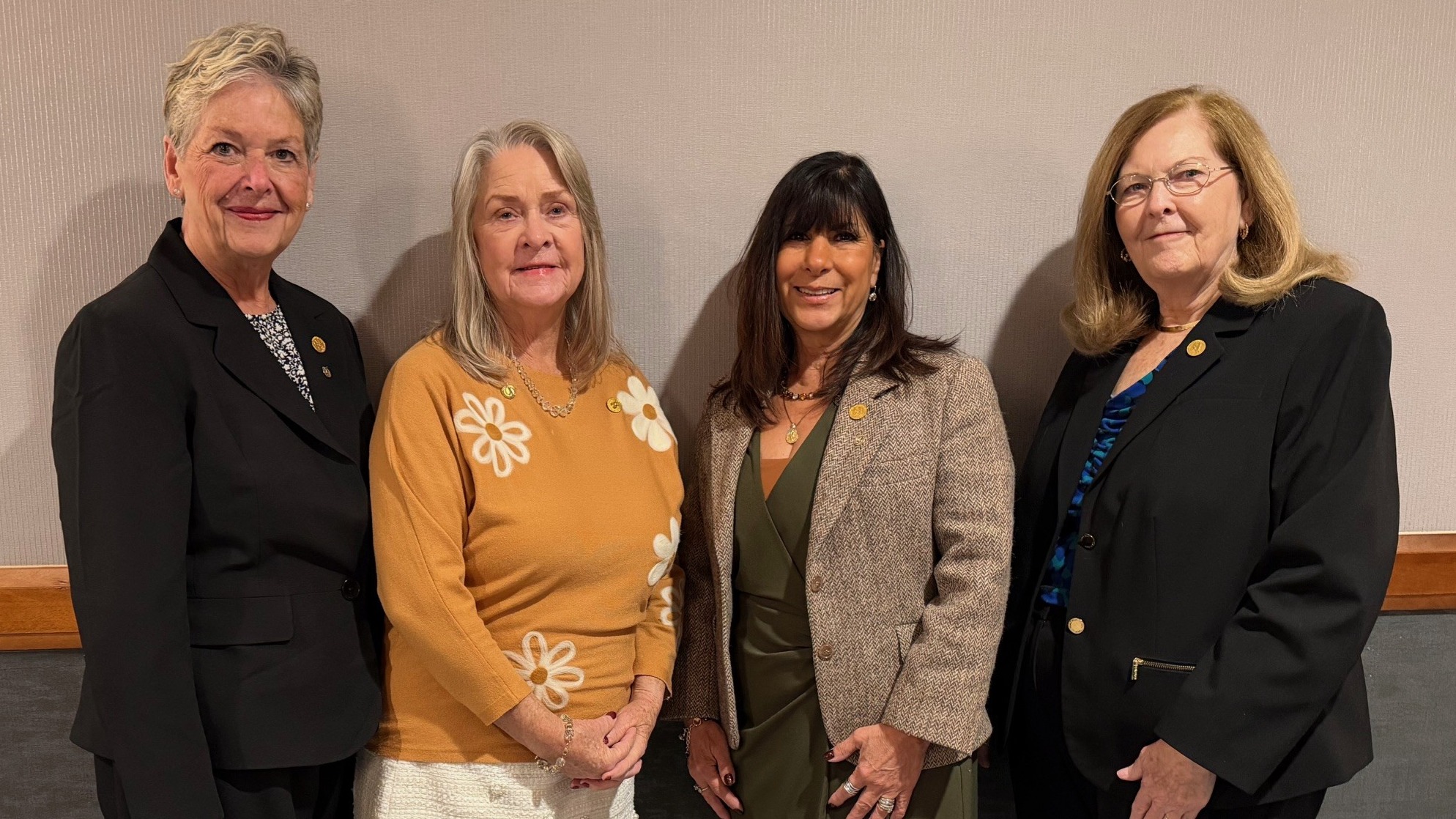
In a recent, unprecedented retrospective moderated by Lisa Weisenberger, the AARC’s Director of Content and Communications, four of the five women to have ever received this honor gathered to reflect on their journeys. The panel featured Dianne Lewis, MS, RRT, FAARC (2025); Trudy Watson, BS, RRT, FAARC (2018); Margaret Traband, MEd, RRT, FAARC (2011); and Teresa Volsko, MBA, MHHS, LSSBB, RRT, FAARC (2020). Their conversation serves as a historical archive and a blueprint for the future of respiratory medicine.
A Legacy of Service: The Foundation of Excellence
For these leaders, the path to the Jimmy A. Young Award was never paved with the ambition for accolades. Instead, it was constructed through decades of quiet, persistent service.
Dianne Lewis, the most recent recipient, traces her influence back to her deep involvement in the AARC’s House of Delegates. Her work on the Clinical Practice Guidelines Steering Committee remains one of her most significant contributions. "My group wrote and published the first clinical practice guideline for the association," Lewis recalled. This milestone was not just a bureaucratic achievement; it was a watershed moment for the profession, establishing standardized, evidence-based care that would ultimately save thousands of lives across the country.
Margaret Traband, who began her AARC journey in 1972, echoes this sentiment, noting that the most impactful work often happens at the grassroots level. "We began with our state societies," Traband explained. "You don’t do it looking for what else you need to check off a list to get an award. You’re just moving ahead where you think you can do the most good." This philosophy—that leadership is a byproduct of dedication rather than an end goal—is a recurring theme among all four recipients.
Chronology of Progress: From the Margins to the Main Stage
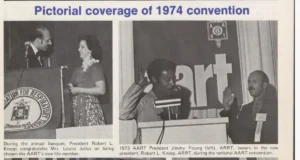
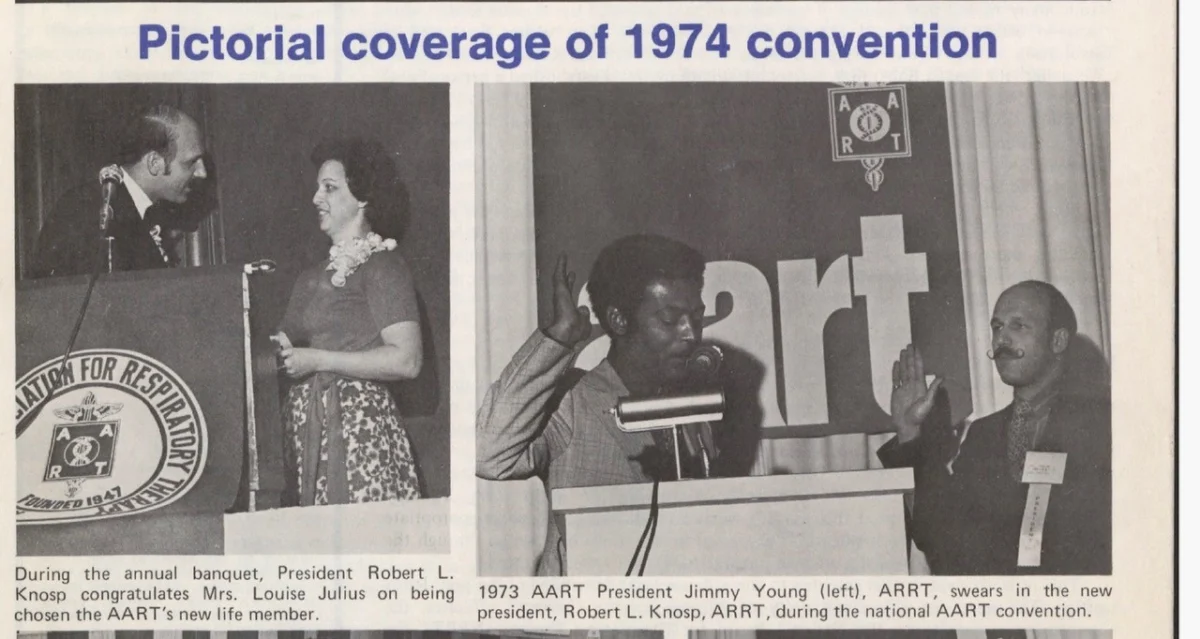
To understand the weight of this award, one must look at the evolution of the profession itself. Respiratory therapy was once a fragmented, emerging discipline. When Louise Julius (the fifth woman to receive the award, alongside her husband, John, in 1988) broke ground in the late 80s, the field was vastly different.
The recipients noted that the late 20th century was defined by a struggle for legitimacy. As the field matured, the AARC became the primary vehicle for advocacy. The journey from the early clinical practice guidelines of the 1980s to the complex, multi-disciplinary, and data-driven landscape of 2025 tracks directly with the careers of these four women. Their history is the history of the modern respiratory care department: transitioning from oxygen-delivery technicians to high-level critical care specialists, research analysts, and administrative leaders.
Breaking the Glass Ceiling: A Cultural Shift in Leadership
While women represent a vast majority of the modern respiratory therapy workforce, their ascent to the highest rungs of leadership was historically fraught with systemic barriers.
Teresa Volsko provided a candid look at the professional environment of the late 1970s and 80s. She highlighted a "scarcity mindset" that dominated the era. "In 1979, if you were invited to the table, you didn’t dare bring another woman up with you because there was only one or two seats," Volsko explained. "Now, we have the power to change that landscape from being competitive to really lifting each other up."
This shift from competition to mentorship is perhaps the most significant change in the AARC’s internal culture. The current generation of leaders emphasizes that the "glass ceiling" is being dismantled not by individual heroism, but by the intentional creation of mentorship pipelines. By actively sponsoring younger, diverse talent, these award recipients are ensuring that the next generation of RTs—regardless of gender—does not have to fight for the same singular seat at the table.
Supporting Data: Navigating the Future
The profession stands at a crossroads. According to industry projections, the demand for respiratory therapists will continue to climb as the global population ages and the long-term impacts of respiratory-related illnesses (including post-COVID sequelae) persist. However, the data also reveals a sobering reality regarding workforce supply.
Trudy Watson pointed out the irony of the current moment: while jobs are more abundant than ever, the pipeline of new students entering the field is tightening. "Finding the students to fill the seats in the classroom" has become a primary challenge for educators. This shortage threatens to impede the progress made by the very individuals who built the profession’s prestige.
Furthermore, the post-pandemic era has introduced a critical layer of professional burnout. When asked about the toll of the high-stakes medical environment, Traband offered a perspective rooted in the clinical reality of the job: "The further away you get from the bedside, the less positive reinforcement happens. Take the time to reflect at the end of the day. Know that you’ve alleviated breathlessness and calmed patients. Steep in that moment."
Lessons for the Next Generation: A Roadmap for Success
The panel distilled their collective wisdom into three core pillars for the next generation of respiratory therapists. These lessons serve as a guide for those seeking to bridge the gap between clinical practice and institutional leadership.
1. Master the Art of Networking
Trudy Watson emphasized that a professional reputation is built on relationships. It is not enough to be a skilled clinician within the walls of one’s own hospital. "Get involved so your name is known and you are trusted within your own organization," she advised. This extends to external bodies like the American Lung Association and professional regulatory boards, where visibility leads to influence.
2. Be Over-Prepared
Margaret Traband recalled the rigorous "Journal Clubs" of the 1970s, where clinicians met to dissect the latest research. This commitment to intellectual grounding remains vital. "Being over-prepared is status quo for most of us," Traband noted. In a field where lives depend on the accuracy of ventilator settings and treatment protocols, there is no substitute for deep, evidence-based knowledge.
3. Lead from the Bedside
Perhaps the most empowering advice came from Teresa Volsko, who cautioned against the obsession with titles. "Don’t let the fact that you have the title of a clinical respiratory therapist stop you from doing great things. Lead where you are." This emphasizes that leadership is an action, not a designation. Whether it is advocating for a new protocol, training a junior colleague, or improving patient throughput, leadership begins at the bedside.
Implications: The Horizon Ahead
The Jimmy A. Young Award recipients represent a bridge between the founding principles of the AARC and the digital, technologically advanced future of respiratory care. The implications of their discussion are clear: for the profession to thrive, it must balance technological adoption with the humanistic, service-oriented roots that define it.
As healthcare systems face increasing pressure to improve outcomes while managing costs, the respiratory therapist has become an indispensable member of the interdisciplinary team. The challenge, as noted by Lewis, is to translate this clinical necessity into systemic recognition. The profession must continue to demand seats at the table in hospital administration, policy-making, and research funding.
The retrospective served as a poignant reminder that while the tools of the trade—the ventilators, the software, the diagnostic equipment—have changed, the mission remains constant: to provide the gift of breath. As these four leaders demonstrated, the future of respiratory care will be written by those who possess both the clinical excellence to treat the patient and the courage to advocate for the profession.
The Jimmy A. Young Award is, ultimately, a recognition of a lifetime of professional advocacy. It is a trophy, yes, but more importantly, it is a marker of a life spent in the service of others. For the next generation of RTs, the invitation is open: the table is set, the mentorship is available, and the field is ready for those who are prepared to lead.