










3 November 2026
The landscape of European public health is undergoing a profound transformation, driven by an aging demographic, the rapid integration of digital technologies, and the persistent challenge of noncommunicable diseases (NCDs). From 27 to 29 October 2026, these critical issues took center stage in Copenhagen, Denmark, as the World Health Organization (WHO) Regional Committee for Europe convened its 76th session. Among the key stakeholders present was the European Respiratory Society (ERS), reinforcing its role as a pivotal scientific partner in shaping the continent’s health policy trajectory.
Main Facts: A Convergence of Health Leadership
The 76th session of the WHO Regional Committee for Europe served as the primary governing body for the WHO European Region. Bringing together health ministers and high-level representatives from 53 Member States, the three-day summit was designed to move beyond traditional health discourse and address the structural pillars of modern healthcare systems.
The agenda was strategically curated to address four overarching thematic priorities:
- Healthy Ageing: Addressing the challenges and opportunities of a demographic shift toward older populations.
- Mental Health and Well-being: Expanding the focus on psychological resilience as a prerequisite for physical health.
- Noncommunicable Disease (NCD) Prevention: Tackling the burden of respiratory, cardiovascular, and metabolic diseases.
- Artificial Intelligence (AI) in Health Systems: Exploring the ethical and practical integration of digital innovation into clinical practice.
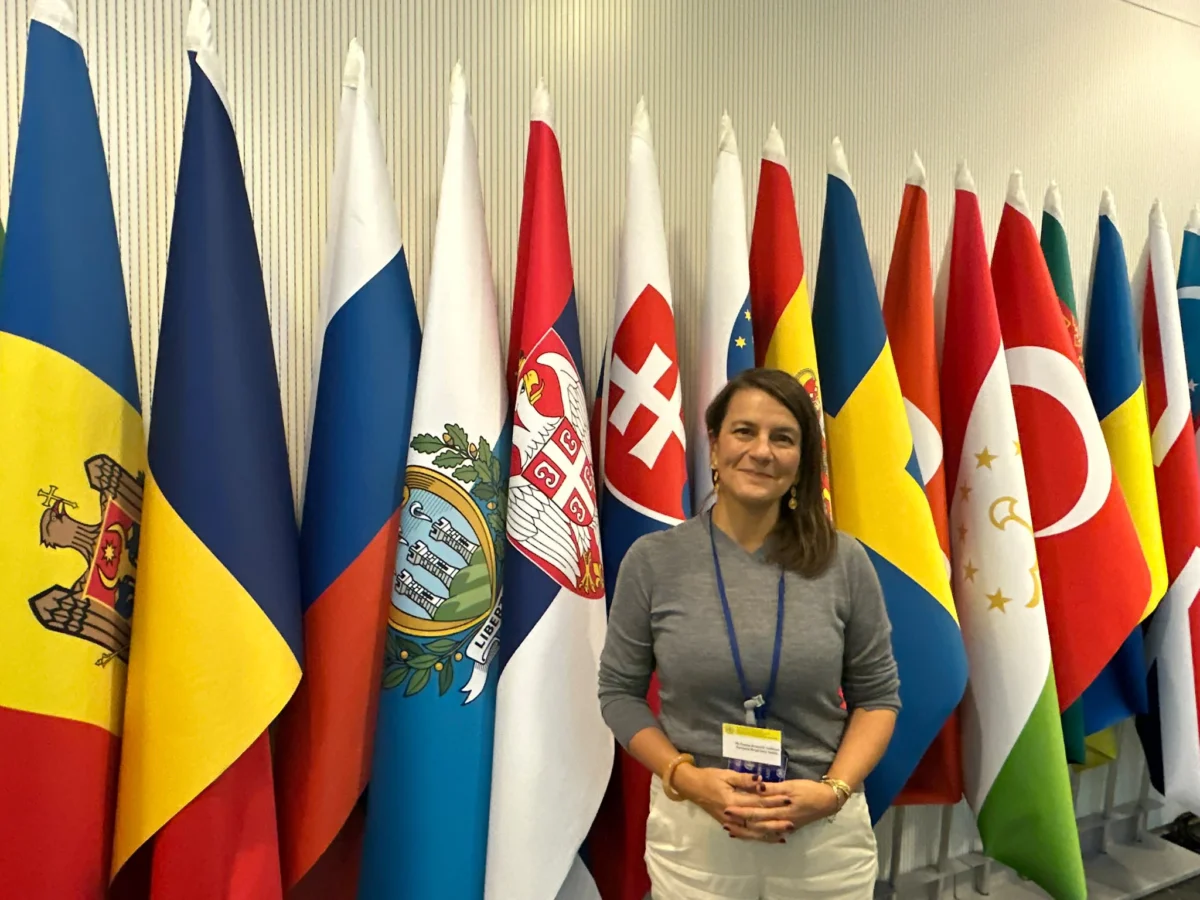
The presence of the European Respiratory Society, led by Advocacy Council Chair Professor Zorana Jovanovic Andersen, underscored the necessity of integrating specialized clinical expertise into political decision-making processes. As respiratory health is inextricably linked to environmental factors and lifestyle-related NCDs, the ERS’s participation was instrumental in ensuring that evidence-based respiratory medicine remains a cornerstone of regional health strategies.
Chronology: A Three-Day Blueprint for Action
Day 1: The Foundation of Resilience
The opening day focused on the post-pandemic recovery and the strengthening of health system resilience. Delegates debated how to stabilize supply chains for essential medicines and ensure that national healthcare infrastructures are prepared for future shocks. For the ERS, this served as an opportunity to emphasize that respiratory health systems—severely tested during the early 2020s—require dedicated, long-term funding and human resource development.
Day 2: The Digital Frontier and NCDs
The second day was dominated by the discussion on AI. While the promise of diagnostic speed and predictive analytics was welcomed, the debate was tempered by warnings regarding data privacy, algorithmic bias, and the “digital divide” between affluent and resource-constrained regions. Concurrent sessions on NCDs highlighted the rising prevalence of chronic obstructive pulmonary disease (COPD) and asthma across the continent, prompting calls for stricter environmental regulations and tobacco control policies.
Day 3: Policy Alignment and Future Commitments
The final day concluded with the adoption of resolutions aimed at formalizing the collaborative efforts between WHO/Europe and professional societies. The session culminated in a pledge to unify public health policies across the 53 Member States, ensuring that no country is left behind in the transition to more integrated, digital-first healthcare delivery.
Supporting Data: The Case for Targeted Intervention
The discussions in Copenhagen were underpinned by a sobering array of data regarding the state of European health. According to recent WHO European Region reports, NCDs remain the leading cause of mortality and morbidity, accounting for over 80% of deaths in the region.
- Respiratory Burden: Chronic respiratory diseases remain a top priority. Despite advances in inhaler technology and biologics, millions of Europeans continue to suffer from undiagnosed or sub-optimally treated conditions, often exacerbated by urban air pollution—a key environmental determinant frequently cited by the ERS.
- The Ageing Demographic: By 2050, it is estimated that one in four people in the WHO European Region will be aged 65 or older. This demographic shift necessitates a move away from episodic, reactive care toward a model of "healthy ageing" that emphasizes early diagnosis and long-term management of chronic conditions.
- The AI Imperative: Projections suggest that the integration of AI-assisted diagnostics could reduce hospital wait times by up to 30% by 2030, provided that the underlying data sets are representative and the clinical oversight remains robust.
Official Responses: Bridging Science and Policy
The involvement of Professor Zorana Jovanovic Andersen was a highlight of the summit, providing a bridge between the clinical laboratory and the ministerial chamber. Representing the ERS, Professor Jovanovic Andersen articulated a clear vision for the future of the region:
"Healthy ageing, noncommunicable disease prevention, and healthy environments must remain priorities for the WHO European Region. ERS remains committed to supporting WHO/Europe and Member States in advancing evidence-based policies that improve respiratory and population health, and welcomes the potential of artificial intelligence and digital transformation to strengthen prevention, healthcare delivery, and health system resilience."
This statement reflects the ERS’s dual-pronged approach: advocating for high-level political commitment while providing the scientific expertise necessary to implement those commitments effectively. The response from the WHO/Europe secretariat was overwhelmingly positive, noting that professional societies like the ERS provide the "clinical anchor" necessary to prevent policy from becoming overly theoretical.
Implications: The Path Toward 2030
The 76th session of the WHO Regional Committee has set in motion several critical implications for the future of European public health:
1. Standardization of Digital Health
The commitment to AI integration will likely lead to the creation of a pan-European framework for medical data interoperability. This is vital for the ERS, as it facilitates larger-scale respiratory research, allowing for more comprehensive longitudinal studies across diverse populations.
2. A Shift in Preventive Strategy
The emphasis on "healthy ageing" signals a move toward addressing respiratory health earlier in the life course. By focusing on pediatric lung health and adult smoking cessation, the ERS and the WHO hope to reduce the overall burden of chronic disease in the elderly population, effectively "compressing" the morbidity period at the end of life.
3. Strengthening the Civil Society-Policy Nexus
The summit demonstrated that professional societies are no longer merely observers in the policymaking process. Their inclusion in the 76th session proves that the WHO/Europe is moving toward a more inclusive, multi-stakeholder governance model. This is essential for the legitimacy and efficacy of future health initiatives.
4. Environmental Advocacy as a Health Mandate
Finally, the link between the environment and respiratory health has been solidified as a core policy pillar. The ERS is expected to play an ongoing, critical role in providing the evidence base for air quality standards that protect the most vulnerable.
Conclusion: A Collaborative Future
As the delegates returned to their respective capitals, the consensus was clear: the challenges facing Europe—aging, digital transformation, and the NCD crisis—cannot be solved in silos. The engagement between the European Respiratory Society and the WHO European Region during this session marks a significant step forward in the creation of a more resilient, evidence-driven, and forward-thinking public health infrastructure.
The ERS has reaffirmed its commitment not only to the advancement of medical science but to the translation of that science into tangible, life-saving policy. As we look toward the 77th session and beyond, the collaboration established in Copenhagen provides a robust foundation for achieving the health priorities of a modern, changing Europe. The society remains poised to support Member States in navigating the complexities of the years ahead, ensuring that the lungs of Europe remain healthy, protected, and prioritized.