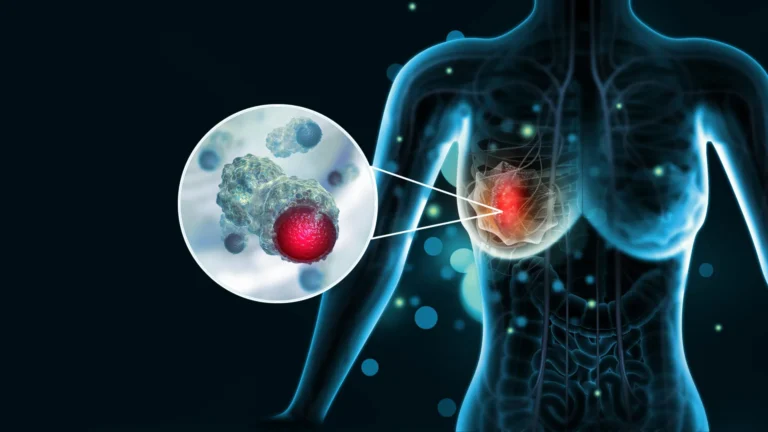












In a discovery that bridges the gap between basic nutritional science and advanced immunology, researchers at The Rockefeller University have unveiled a critical, previously misunderstood role for arginine—a common amino acid found in everyday proteins. The study, published in the prestigious journal Cell, suggests that arginine acts as a vital "molecular switch" that allows the immune system to recognize and neutralize both malignant tumors and viral pathogens.
When the body’s levels of this amino acid dip, the immune system’s primary surveillance mechanism—the Major Histocompatibility Complex class I (MHC-I) protein—stalls in its production. This biological oversight creates a "blind spot," allowing cancer cells and viruses to evade detection by T cells. The findings open the door to a new, low-cost therapeutic strategy: using dietary supplementation to "re-arm" the immune system’s surveillance capabilities.
The Chronology of a Breakthrough: From Protein Building Blocks to Immune Surveillance
The path to this discovery was not linear; it was the result of years of investigative work directed by Sohail Tavazoie, head of the Elizabeth and Vincent Meyer Laboratory of Systems Cancer Biology at Rockefeller.
The 2023 Foundation
The journey began with an observation regarding the genetic instability of tumors. In 2023, the Tavazoie team discovered that when colon cancer cells are deprived of arginine, they begin to accumulate an unusually high number of genetic mutations. This observation led the team to hypothesize that arginine is not merely a building block for protein synthesis, but a regulatory signal that dictates how cells express their genetic instructions.
The Mechanism Discovery
Building on this, lead author Qiushuang Wu and her colleagues embarked on a systematic investigation across various disease models, including colon cancer, influenza, and SARS-CoV-2. They noted a recurring pattern: in every instance of these diseases, arginine was the most severely depleted amino acid.
The team identified 414 proteins that experienced a drop in production when arginine was scarce. Among these, the most critical were the proteins of the HLA family, which form the MHC-I complex. MHC-I is the cell’s "identification badge," displaying snippets of internal proteins to the immune system. When the cell is healthy, the badge is benign; when infected or cancerous, the badge displays "suspicious" material that triggers an immune attack.
The researchers found that when arginine is unavailable, the cellular machinery responsible for protein assembly—the ribosomes—essentially "stalls" during the synthesis of MHC-I. Without these proteins, the cell loses its ability to alert the immune system, effectively rendering it invisible to T cells.
Experimental Validation
The researchers confirmed this by introducing dietary arginine to mice. In models of colon cancer, high-arginine diets significantly reduced tumor formation. In viral models, including influenza and COVID-19, the results were even more profound: arginine intake not only served as a prophylactic but also improved outcomes when administered after the mice had already been infected.
Supporting Data: Why Arginine Matters
The biological significance of arginine lies in its unique genetic encoding. Most amino acids are specified by one or two genetic "codons," but arginine is encoded by six different triplets. This redundancy reflects its high demand within the cell’s protein-production machinery.
The Ribosomal Stall
The study utilized advanced genetic mapping to show that the production of MHC-I requires an unusually high density of arginine. When the supply of this amino acid is low, the ribosome—the cellular factory—cannot complete the synthesis of the MHC-I proteins. This is a form of "translational tuning," where the availability of a single nutrient determines the quantity of a critical defensive protein.
Comparative Efficacy
In the laboratory, the researchers demonstrated that providing arginine in quantities equivalent to just a couple of over-the-counter supplement tablets was sufficient to restore MHC-I production to normal levels. The clinical data from the mice showed:
- Tumor Suppression: Mice on high-arginine diets displayed a marked decrease in the growth of colon cancer tumors compared to the control group.
- Viral Resilience: Mice infected with influenza or SARS-CoV-2 showed lower symptom severity and increased survival rates when arginine levels were optimized.
- Post-Infection Recovery: The most surprising data point was that even after the onset of infection, arginine supplementation helped the immune system regain its footing, suggesting that the immune system is not permanently "shut down" but rather waiting for the necessary components to resume its surveillance duties.
Official Responses and Expert Perspectives
The team at Rockefeller University, including Sohail Tavazoie and Qiushuang Wu, emphasizes the "hidden" potential of this discovery. While the scientific community has long studied arginine, its role as a master regulator of immune surveillance was previously underappreciated.
"Our work reveals how a lack of arginine interferes with the immune system, and suggests that upping arginine intake could prove beneficial," says Qiushuang Wu. She suggests that the future of this research lies in combination therapies. "Perhaps it could be used in tandem with current immunotherapies to amplify the immune system’s ability to hunt down cancer cells."
Sohail Tavazoie highlights the public health implications, particularly regarding the aging population. "Qiushuang’s findings illuminate how poor diet and aging—during which arginine levels naturally decline—could create the perfect storm for the initiation of colon cancer," Tavazoie notes. "Similarly, age-related arginine loss could partially contribute to the greater mortality caused by respiratory viruses."
Tavazoie is optimistic about the speed at which this could move into clinical settings. "Considering that arginine is inexpensive and readily available, we hope that therapeutic and preventative studies could be undertaken soon."
Implications: The Future of Immunotherapy and Nutritional Science
The implications of this study are twofold: they offer a potential breakthrough in treatment efficacy and a new lens through which to view patient vulnerability.
A New Component for Immunotherapy
Current cancer immunotherapies, such as checkpoint inhibitors, work by "taking the brakes off" the immune system. However, these treatments are only effective if the immune system can see the cancer in the first place. If a patient is arginine-deficient, their MHC-I levels may be too low for the immune system to detect the cancer, rendering even the most advanced drugs ineffective. Arginine supplementation could act as a "primer," ensuring that the immune system is physically capable of detecting the target before or during treatment.
Addressing Nutritional Gaps in Aging
The study provides a scientific rationale for the long-held suspicion that nutrition is inextricably linked to immune resilience. As individuals age, their metabolic ability to produce and maintain adequate arginine levels diminishes. This "nutritional exhaustion" may explain why elderly populations are more susceptible to both oncological and infectious threats.
Necessary Caveats
Despite the excitement, the research team is careful to manage expectations. The current findings are based on mice models and laboratory cell cultures. "The findings do not establish that taking arginine supplements prevents or treats cancer, influenza, or COVID-19 in humans," the report explicitly states. Before these findings can be integrated into clinical guidelines, large-scale, human-based clinical trials are required to determine the optimal dosage, safety, and timing of arginine intervention.
The Path Forward
The Rockefeller team is already looking beyond arginine. They are currently investigating whether other amino acids perform similar regulatory functions, suggesting that the human body may rely on a complex network of "nutritional sensors" to tune the immune system.
The research serves as a reminder that the immune system is a high-demand biological entity. It requires more than just energy; it requires specific, precise inputs to maintain its defensive posture. By uncovering the role of arginine, the researchers have provided a compelling case that the answer to some of the most complex diseases—cancer and viral infections—might be hidden in the basic chemical building blocks of life.
As the study concludes, "Rather than simply providing the raw materials needed to build proteins, specific amino acids may help determine how effectively the body’s immune defenses identify and respond to dangerous threats." This shift in perspective could redefine the role of nutrition from a supportive measure to a central pillar of clinical medicine.