









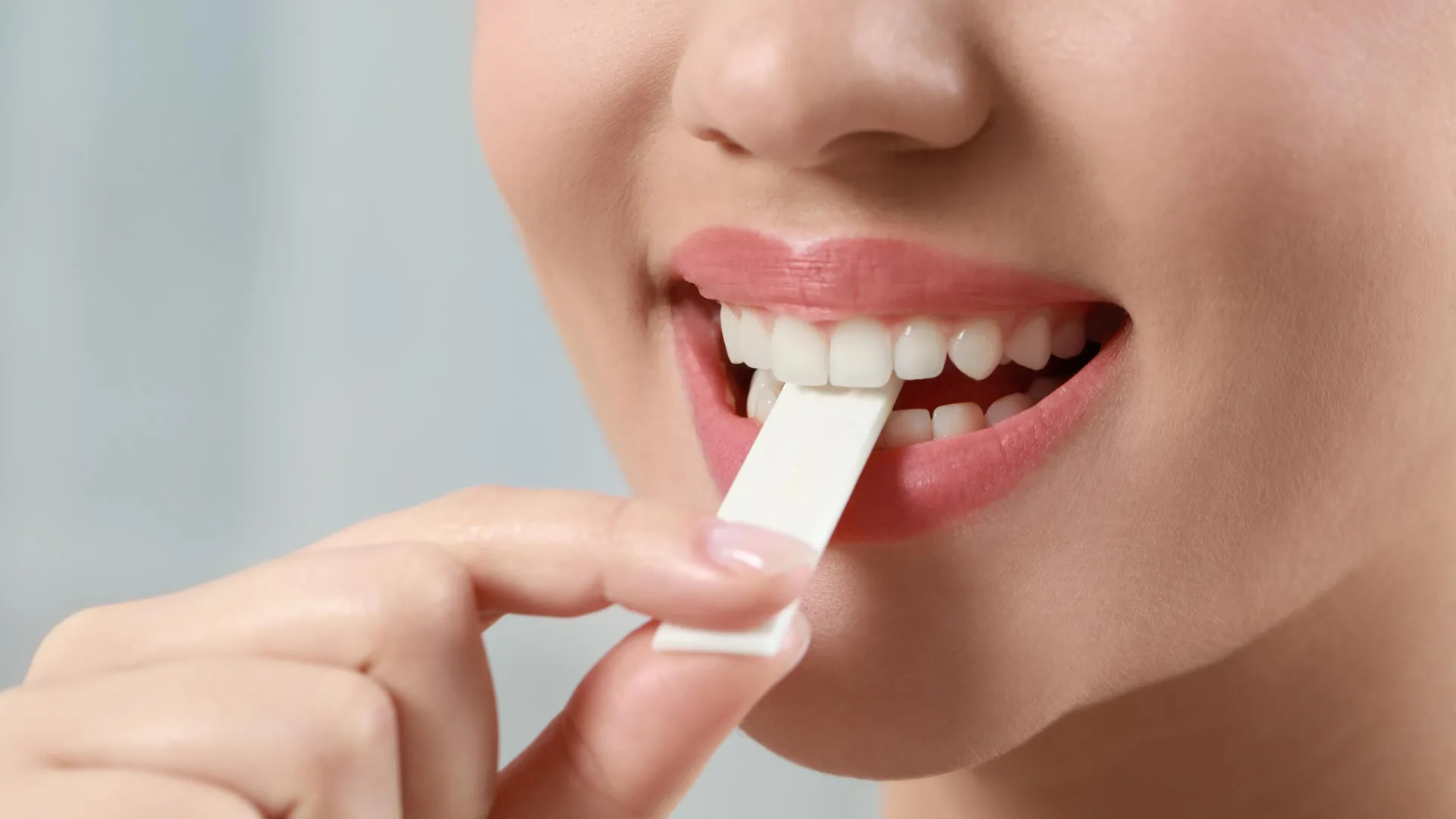
In a breakthrough that bridges the gap between everyday convenience and cutting-edge molecular medicine, researchers at the University of Pennsylvania’s School of Dental Medicine have unveiled an experimental chewing gum capable of targeting the viral and bacterial drivers of head and neck cancer. By leveraging plant-based biotechnology, scientists have developed a therapeutic delivery system that, in laboratory testing, reduced the presence of the human papillomavirus (HPV) by up to 93% and nearly eradicated specific harmful bacteria—all while preserving the delicate balance of the oral microbiome.
The study, published in Scientific Reports, represents a significant shift in how we approach the intersection of infectious disease and oncology. As the global incidence of oropharyngeal cancer continues to climb, this innovative "therapeutic gum" could potentially serve as a prophylactic measure or a supplemental treatment, offering an affordable, non-invasive, and highly targeted intervention for patients worldwide.
The Core Facts: A New Frontier in Precision Medicine
Head and neck squamous cell carcinoma (HNSCC) remains one of the most formidable challenges in modern oncology. Affecting the tissues of the mouth and throat, these cancers are notoriously difficult to treat, particularly when diagnosed in advanced stages. Conventional treatments—including surgery, radiation, and chemotherapy—often come with debilitating side effects and have shown limited success in significantly extending five-year survival rates.
The research, led by Henry Daniell, the W.D. Miller Professor in the Department of Basic & Translational Sciences at Penn Dental Medicine, pivots away from broad-spectrum systemic drugs. Instead, it focuses on the "oral ecosystem." Certain microbes, particularly HPV, Porphyromonas gingivalis (Pg), and Fusobacterium nucleatum (Fn), are known to promote the development and progression of HNSCC.
By utilizing a plant-based technology that expresses therapeutic proteins within the leaves of lablab beans, the team created a chewing gum that acts as a targeted delivery vehicle. When chewed, the gum releases these specialized proteins directly into the oral cavity, creating a localized environment hostile to cancer-linked pathogens.
Chronology of Innovation: From Lablab Beans to Clinical Potential
The development of this technology did not happen overnight; it is the culmination of years of rigorous investigation into the use of plants as "bioreactors."
The Foundation (Early Research)
For years, Henry Daniell’s team has explored the potential of "molecular farming." By engineering plants to produce therapeutic proteins, they aimed to create medical treatments that were not only effective but also cost-effective and easy to distribute. The team previously identified FRIL—a lectin protein found in the lablab bean—as a potent antiviral agent.
The Prototype Phase
Building on their success with FRIL, the researchers integrated the protein into a chewing gum base. Their initial goal was to determine if the gum could effectively deliver the protein in a way that maintained its biological activity. The transition from a simple plant extract to a shelf-stable, therapeutic-grade gum was a major engineering hurdle that involved perfecting the extraction and integration processes.
The Patient-Sample Testing Phase
The most recent stage of the study involved testing the gum against real-world samples. By collecting saliva and oral rinse samples from patients already diagnosed with head and neck cancer, the team was able to measure how the gum interacted with the specific microbial load present in the disease state. The results—a 93% reduction in HPV levels—marked a turning point in the project, signaling that the theoretical model had high clinical relevance.
The Refinement Phase
Recognizing that cancer progression is often a multi-microbial process, the team enhanced the gum by adding protegrin, an antimicrobial peptide. This addition allowed the gum to target not just viruses like HPV, but also the bacterial species Pg and Fn, which are known to worsen the prognosis of patients with recurrent or metastatic oral cancer.
Supporting Data: Why the Results Are So Significant
The efficacy of the gum is defined by its precision. In modern oncology, "selectivity" is the holy grail. Many cancer therapies, particularly radiation, are "blunt instruments" that destroy both cancerous tissues and healthy cells, often leading to secondary infections or the overgrowth of harmful fungi like Candida albicans.
The Microbial Balance
The study results showed a remarkable dichotomy:
- Targeted Elimination: The engineered gum reduced the levels of Porphyromonas gingivalis and Fusobacterium nucleatum to almost undetectable levels.
- Microbiome Preservation: Crucially, the researchers noted that the beneficial bacteria—the commensal microorganisms essential for oral health—remained untouched. This preservation is vital for patients whose immune systems are already compromised by chemotherapy or radiation.
Statistical Efficacy
The data regarding HPV is perhaps the most striking. In saliva samples, the gum achieved a 93% reduction in viral load, while in oral rinses, it achieved an 80% reduction. These numbers suggest that the gum can effectively "scrub" the oral environment of oncogenic viruses, potentially lowering the risk of tumor progression or reducing the likelihood of secondary infections that complicate recovery.
Official Responses and Scientific Perspectives
The scientific community has reacted with cautious optimism. Dr. Henry Daniell has been vocal about the necessity of moving this technology into clinical trials. "The global increase in oropharyngeal cancer is linked to HPV infection," Daniell noted. "Our findings support the value of advancing these therapies to clinical trials as adjuvants with current treatments or as prophylaxis to prevent infection and transmission."
The research team, which includes collaborators from the University of Kansas Medical Center, UCLA, and the Veterans Administration Greater Los Angeles Healthcare System, emphasizes that while the laboratory results are groundbreaking, the journey to the pharmacy shelf is just beginning.
"Prophylaxis is key," Dr. Daniell added. By focusing on preventative measures, the researchers hope to reduce the overall burden of HNSCC. The potential to use a low-cost, patient-administered intervention could be a game-changer for underserved populations, where access to expensive biological therapies is limited.
Implications: A New Toolkit for Oncology
The implications of this study extend far beyond the laboratory bench. If the results are replicated in human clinical trials, the implications for public health could be profound.
1. Affordable Healthcare
Current cancer therapies cost tens, sometimes hundreds, of thousands of dollars per patient. A plant-based chewing gum, which can be produced at scale using agricultural processes, could offer a fraction of that cost. This makes the therapy accessible to global populations and could be integrated into routine public health strategies.
2. Adjuvant Therapy
The team envisions the gum not as a replacement for surgery or chemotherapy, but as a critical "adjuvant." By lowering the microbial load in the mouth, the gum could improve the effectiveness of primary treatments. For instance, reducing bacterial inflammation in the throat might allow radiation to work more efficiently or improve the healing process post-surgery.
3. Patient Quality of Life
One of the most overlooked aspects of cancer treatment is the patient’s daily experience. Chronic pain, difficulty swallowing, and dry mouth are common. A delivery system that is as simple as chewing a piece of gum is a significant upgrade over intravenous drips or complex medication regimens. It empowers the patient to participate in their own care in a non-intrusive way.
4. A Template for Future Research
This study serves as a proof-of-concept for a new class of "oral therapeutics." If the technology successfully delivers proteins to combat HPV and Pg/Fn, it could theoretically be engineered to deliver proteins for other oral conditions, such as chronic periodontitis, viral infections like HSV-1, or even systemic conditions that have oral manifestations.
Future Outlook: The Path to the Clinic
Despite the excitement, the research team remains anchored in scientific rigor. They emphasize that there is currently no evidence that chewing the gum prevents cancer in humans. The transition from in vitro (laboratory) success to clinical application involves several hurdles:
- Human Clinical Trials: Researchers must now secure funding and regulatory approval to test the gum in human volunteers. This will determine if the proteins are successfully absorbed and remain active in the unique environment of the human oral cavity, which is subject to constant saliva flow and varying pH levels.
- Safety Profiles: Long-term safety studies will be required to ensure that the daily use of the gum does not lead to adverse reactions or unexpected interactions with the oral mucosa.
- Standardization: As with any biological product, maintaining the consistency of protein expression across different batches of lablab beans is essential for regulatory approval.
Conclusion
The prospect of using a simple, plant-derived chewing gum to fight one of the most persistent and deadly forms of cancer is a testament to the power of modern interdisciplinary science. By identifying the specific microbial culprits behind HNSCC and developing a tailored, precise, and affordable delivery mechanism, Henry Daniell and his team have opened a new door in oncology.
While the "chewing gum cure" remains in the experimental stage, the data is undeniable: the ability to selectively neutralize cancer-associated viruses and bacteria without harming the healthy microbiome is a major milestone. As the medical community looks toward the future of cancer prevention, this innovative research suggests that sometimes, the most sophisticated solutions come from the most unexpected places. Whether as a preventative tool for high-risk individuals or a supportive aid for those undergoing treatment, this engineered gum stands as a beacon of hope for a future where cancer care is more effective, more accessible, and decidedly more personal.