








By Adam Feuerstein
November 20, 2026
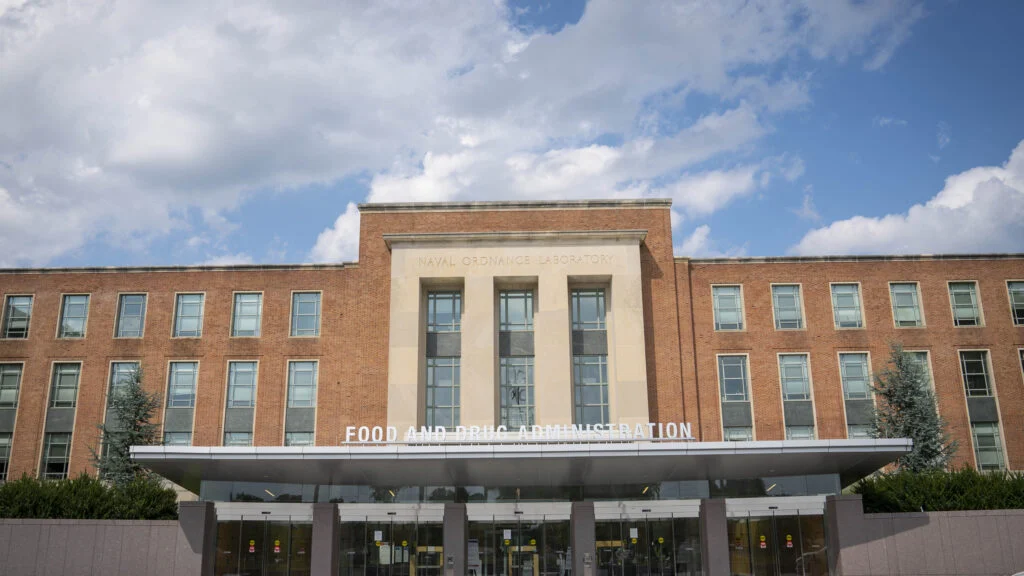
In the high-stakes arena of rare disease drug development, the line between passionate patient advocacy and clinical reality is often blurred. For years, the Duchenne muscular dystrophy (DMD) community has been a powerful force, successfully lobbying for accelerated approvals and flexible regulatory standards for treatments that offer even a glimmer of hope. However, this week’s decision by the Food and Drug Administration (FDA) to reject Capricor Therapeutics’ cell therapy, deramiocel, serves as a sobering reminder: no amount of public pressure can bridge the gap left by a drug that simply fails to demonstrate efficacy.
The FDA’s Decisive Move
On Friday, the FDA issued a complete response letter (CRL) to Capricor Therapeutics, effectively blocking the market entry of deramiocel. The therapy, designed as a treatment for teenagers and young men suffering from the advanced stages of Duchenne—a fatal, muscle-wasting condition—was intended to address the cardiac and skeletal muscle decline that inevitably follows the loss of ambulation.
For regulators, the decision, while difficult, was grounded in a clear-eyed assessment of the data. Despite the desperation of the patient population and the scarcity of effective interventions for older DMD patients, the FDA maintained its commitment to the integrity of the clinical trial process. The agency’s stance underscores a burgeoning shift in how it evaluates therapies for rare diseases, suggesting that while patient voice is a critical component of the regulatory process, it cannot serve as a substitute for objective, statistically significant clinical benefit.
Chronology of a Failed Trial
The path to this rejection was paved with mounting concerns regarding the drug’s performance. The saga of deramiocel, formerly known as CAP-1002, has been closely watched by investors and advocates alike.
- Initial Hopes: Early-stage data provided a narrative of promise, suggesting that the cardiac-derived cell therapy could stabilize heart function and potentially improve arm strength in patients who had already transitioned to wheelchairs.
- The Pivotal Trials: Capricor initiated two randomized, controlled clinical trials to confirm these early observations. These trials were designed to provide the robust evidence required for regulatory approval.
- The July 2026 Warning: By mid-summer 2026, the cracks in the narrative began to show. As reported by STAT, internal documents and briefings revealed that the FDA harbored significant doubts regarding the trial results. The data, regulators noted, did not reach the threshold of "substantial evidence" of effectiveness.
- The November 2026 Rejection: Following a review of the final trial packages, the FDA concluded that neither trial successfully met its primary endpoints. The therapy failed to demonstrate a meaningful impact on preventing heart failure or preserving muscle function in the upper extremities.
Analyzing the Data: Why the Efficacy Gap Persisted
The scientific scrutiny applied to deramiocel focused on its failure to move the needle on key physiological markers. In both randomized studies, the difference between the treatment group and the placebo group was statistically negligible.
Experts in the field of neuromuscular disorders note that Duchenne is a notoriously difficult disease to treat, particularly in older patients where the underlying pathology is already deeply entrenched. The degeneration of muscle tissue is replaced by fibrotic scarring, which makes the delivery and integration of cell-based therapies like deramiocel scientifically challenging.

The clinical trials measured two specific outcomes: cardiac ejection fraction—a measure of the heart’s pumping ability—and the Performance of the Upper Limb (PUL) score. In both instances, the data suggested that patients receiving the cell therapy fared no better than those receiving the placebo. For the FDA, this "efficacy gap" proved insurmountable. Without clear, objective evidence that the therapy was altering the course of the disease, the agency could not justify the risks associated with the procedure, which involves complex infusions and potential immunological responses.
The Role of Advocacy and the Pressure Campaign
The Duchenne community is arguably the most organized and vocal patient advocacy group in the biotech space. Families, supported by well-funded foundations, have spent decades fighting for faster access to experimental treatments. In the case of deramiocel, this advocacy took the form of intense public pressure, including letter-writing campaigns to the FDA, public testimony at advisory committee meetings, and a consistent push for "regulatory flexibility."
Advocates argued that in the face of a terminal illness, the burden of proof should be lower. They contended that if a therapy is safe, it should be made available to patients who have literally no other options. This sentiment—often summarized as "the right to try"—has historically influenced FDA policy, leading to the approval of several DMD therapies that some critics argue lacked strong clinical evidence.
However, the rejection of deramiocel signals a potential pivot. The FDA appears to be drawing a harder line between "compassionate access" and "regulatory approval." By rejecting a therapy that lacked clear benefit, the agency is protecting the ecosystem of drug development from the long-term damage caused by ineffective treatments being granted commercial status.
Official Responses and Corporate Impact
Capricor Therapeutics has expressed profound disappointment in the FDA’s decision. In a statement released shortly after the announcement, the company’s leadership emphasized their belief in the "totality of the data" and suggested that they are currently evaluating their next steps, which may include further discussions with the FDA or the initiation of new, perhaps better-designed, trials.
"We remain committed to the Duchenne community," the company stated, acknowledging that the road ahead is uncertain. Investors reacted sharply to the news, with Capricor’s stock price experiencing significant volatility as the market adjusted to the reality that a major value driver for the company had been blocked.
The FDA, as is standard practice, has not yet released the detailed internal memo outlining the specific clinical deficiencies of the trials, but the agency’s representative confirmed that the decision was "based on a rigorous, evidence-based review of the submitted clinical data, consistent with the agency’s mission to ensure the safety and efficacy of medical products."

The Broader Implications for Biotech
The implications of this rejection extend far beyond Capricor Therapeutics. This event serves as a bellwether for several critical trends in the biotechnology industry:
1. The End of "Easy" Approvals
For years, the perception existed that the FDA would "bend" for Duchenne therapies due to the severity of the disease. The rejection of deramiocel suggests that the era of relying on optimistic, non-randomized, or "proxy" endpoints to secure approval may be drawing to a close. The FDA is signaling that it requires hard, repeatable, and statistically significant data.
2. The Burden on Biotech Startups
Small-cap biotech firms often put their entire future into a single asset. When that asset fails to meet the FDA’s high bar, the consequences are existential. This underscores the volatility of investing in the rare disease space and suggests that biotech companies must prioritize more robust, fail-proof clinical trial designs rather than hoping for regulatory leniency.
3. The Future of Advocacy
The Duchenne community now faces a period of introspection. While advocacy is essential for driving research funding and clinical trial participation, the case of deramiocel highlights that science must lead the regulatory conversation. Going forward, the most effective form of advocacy may be supporting efforts that demand higher-quality, more rigorous clinical research, rather than pushing for the lowering of standards.
Conclusion: A Sobering Reality
The rejection of deramiocel is a painful moment for the young men and families who pinned their hopes on this therapy. However, it is also a necessary moment for the scientific and regulatory community. Medicine—especially in the treatment of rare and fatal diseases—is most effective when it is guided by the unyielding standard of evidence.
As the biotech industry moves forward, the lesson from this episode is clear: the path to the market is paved with data, not desire. While the pressure from the patient community is a vital component of the medical landscape, the FDA’s primary duty remains the protection of patients from ineffective treatments. In this instance, the agency chose the hard, objective path, ensuring that the integrity of the clinical trial system remains the ultimate arbiter of medical progress.