





By Our Staff Writer, based on insights from Rachel Noia, MS, CCC-SLP
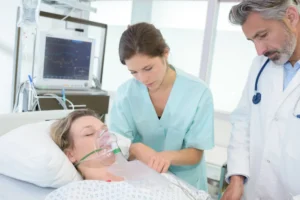
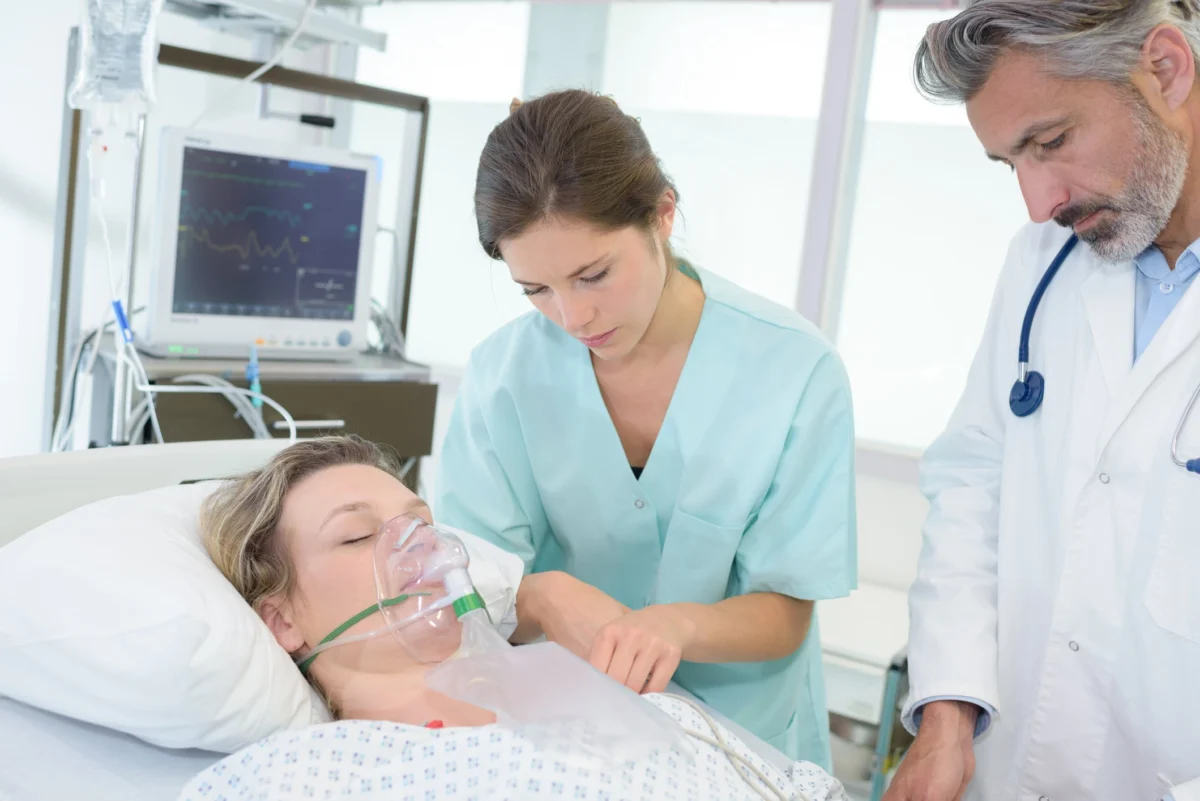
Featured image: A patient wearing an oxygen mask, symbolizing the critical care environment. Photo: ID 160406846 © Auremar | Dreamstime.com
The COVID-19 pandemic irrevocably altered the landscape of healthcare, pushing systems to their breaking point and frontline workers to their absolute limits. Beyond the physical toll and the relentless demands of critical care, another, often unacknowledged, burden emerged: emotional labor. Rachel Noia, MS, CCC-SLP, a Clinical Specialist in Dysphagia Education at Gaylord Specialty Healthcare, offers a poignant and deeply personal perspective on this hidden aspect of patient care, particularly through the lens of a Speech Language Pathologist (SLP) in the post-pandemic era. Her insights underscore the profound emotional investment required of healthcare professionals, a dimension of their work that transcends clinical metrics and billing codes.
Main Facts: The Core of Compassion in Crisis
At its heart, Noia’s narrative reveals that healthcare is not merely a science of diagnosis and treatment, but an art of human connection, steeped in empathy and fraught with emotional challenges. The pandemic intensified these challenges, forcing professionals to confront mortality, suffering, and uncertainty on an unprecedented scale. Noia highlights "emotional labor" as the unspoken, unmeasured work that healthcare providers perform daily – a constant negotiation of personal feelings while delivering unwavering care. This labor involves witnessing immense suffering, celebrating hard-won victories, and perpetually compartmentalizing profound emotions to remain fully present for each patient. Her personal account of treating a beloved colleague, ravaged by COVID-19, serves as a powerful testament to the intensity and lasting impact of this emotional burden.
Speech-Language Pathologists, like Noia, play a crucial role in the rehabilitation of critically ill patients, particularly those recovering from severe COVID-19. Their expertise extends to restoring fundamental human functions such as swallowing (dysphagia), speech, and cognitive abilities – functions often severely compromised by intubation, ventilation, and the systemic effects of the virus. This specialized work places SLPs directly at the intersection of life and death, hope and despair, making their emotional involvement particularly acute.
Chronology: A Colleague, A Patient, A Profound Journey
The memory, as Rachel Noia recounts, is indelibly etched. It begins with the shocking realization that one of their own, a dedicated patient care technician renowned for her compassionate service, had become a patient herself. "A woman who was devoted to serving her patients with such a loving heart and purposeful pair of hands. Now reduced to a ventilator, unresponsive." This sudden role reversal from colleague to critically ill patient amplified the emotional weight, transforming a professional relationship into a deeply personal one for Noia.
The initial encounter outside the hospital room was a maelstrom of thoughts and feelings: "Where to begin? How to begin?" The patient, once vibrant and active, was now "almost melting into her hospital bed, ravaged by COVID, reduced to reliance on machines, wires, tubes to keep her alive." This imagery speaks volumes about the brutal reality of severe COVID-19 and the helplessness it instilled in both patients and caregivers. Noia’s professional imperative, however, demanded that personal emotions be "checked at the door." Stepping into that room, she stepped into a sacred space of vulnerability and urgent need.
The journey of rehabilitation, particularly for patients like Noia’s colleague who suffered severe COVID-19, is arduous and often protracted. As an SLP, Noia’s focus would have been on the intricate aspects of recovery: assessing and treating dysphagia (swallowing difficulties), which is common after prolonged intubation; addressing potential cognitive-communicative deficits resulting from the illness; and facilitating the return of speech and vocalization. Each small gain – a successful swallow, a whispered word, a flicker of recognition – would have been a monumental victory, hard-won through tireless effort and an unyielding belief in the patient’s potential.
This was not merely a case of physical strengthening; it was a profound act of rehumanization. Noia describes her task as helping patients "speak again, eat again, remember their children’s names." For her colleague, this meant painstakingly rebuilding the foundations of autonomy and identity. The process was incremental: "Slowly, day by day, pieces of her regenerated and strengthened. The person I knew began to reconfigure." The milestones were significant: liberation from the ventilator, the first steps, the return of independent eating, a genuine smile, and ultimately, the ability to return home to her family. This "happy ending," as Noia describes it, was a testament to resilience, expert care, and the profound power of rehabilitation. Yet, even in triumph, the emotional residue of the experience lingered, its full weight only becoming apparent years later.
Supporting Data: The Pervasive Impact of Emotional Labor
The phenomenon Noia describes as "emotional labor" is a well-documented, though often undervalued, aspect of demanding professions, especially healthcare. Coined by sociologist Arlie Hochschild, emotional labor refers to the process of managing feelings and expressions to fulfill the emotional requirements of a job. In healthcare, this translates to maintaining a compassionate, reassuring, and professional demeanor, even when confronted with profound sadness, anger, fear, or despair.
A 2022 survey by the American Medical Association (AMA) revealed that over 60% of physicians reported symptoms of burnout, a figure exacerbated by the pandemic. While burnout is multi-faceted, emotional exhaustion, a core component, is directly linked to sustained emotional labor. For SLPs, who often work closely with patients on highly intimate and vulnerable functions, this emotional toll is particularly high. A study published in the Journal of Speech, Language, and Hearing Research (2021) indicated that SLPs working in medical settings reported increased stress, anxiety, and symptoms of compassion fatigue during and after the peak of the pandemic, with over 70% citing emotional demands as a primary stressor.
The concept of "moral injury" also gained prominence during the pandemic, describing the psychological distress resulting from actions (or inactions) that violate one’s moral or ethical code. Healthcare workers often faced impossible choices, resource limitations, and the inability to provide the ideal level of care, leading to deep feelings of guilt, shame, and betrayal – all significant contributors to emotional burden. Noia’s internal struggle, her feeling of "heaviness" that persists long after a session concludes, resonates with these broader findings.
The "shelf" metaphor Noia uses – placing emotions aside to maintain focus – is a common coping mechanism. However, research into stress and trauma indicates that such compartmentalization, while necessary in the short term, can lead to delayed psychological distress, anxiety, and even post-traumatic stress disorder (PTSD) if not adequately processed. The unexpected resurfacing of these emotions "during the drive home," "at the beach," or "at two o’clock in the morning" is a clear indicator of the persistent psychological footprint left by intense emotional labor.
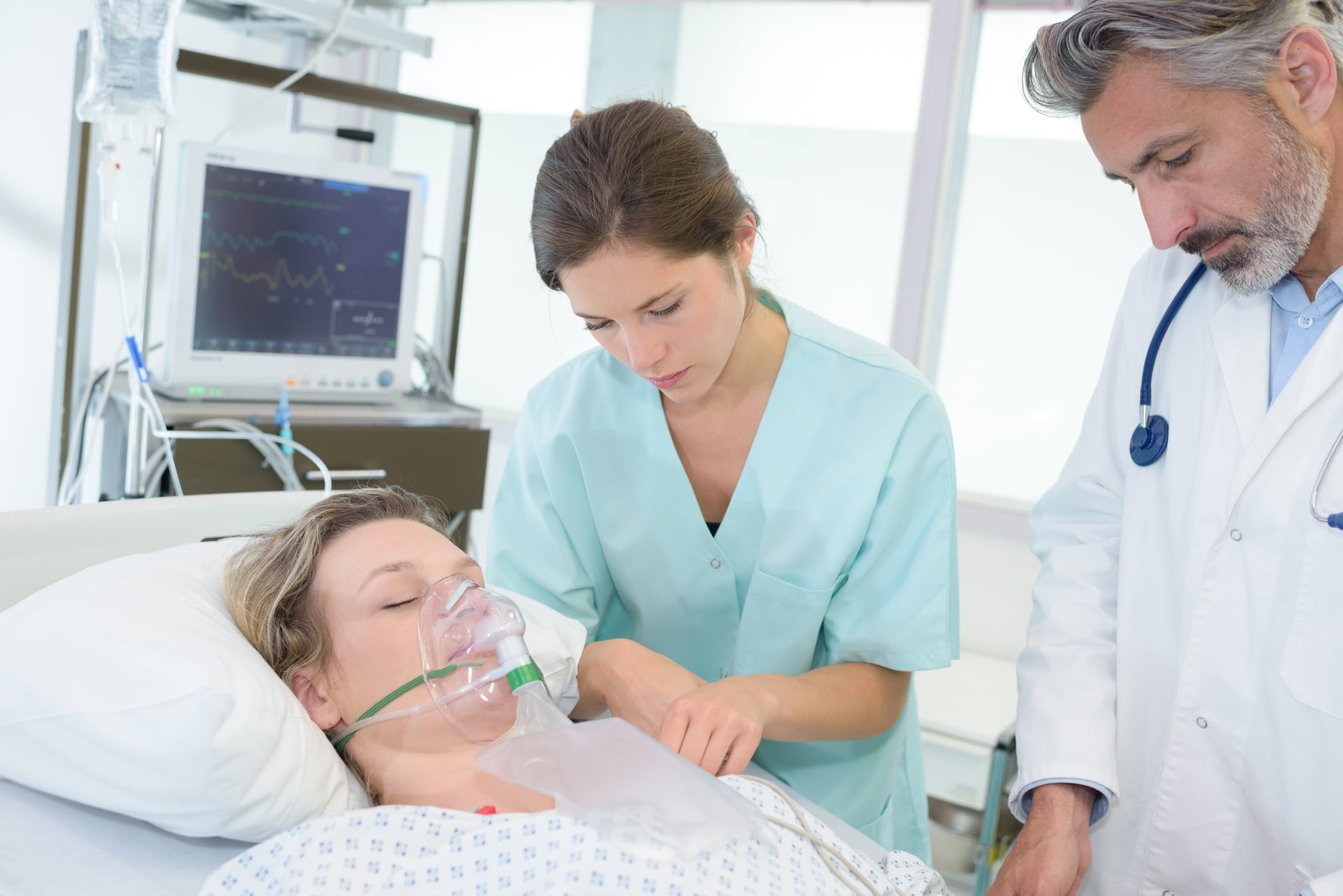
Furthermore, the specific challenges posed by Long COVID have added another layer to the SLP’s emotional landscape. Patients often present with persistent cognitive deficits (brain fog), dysphagia, and vocal changes, requiring prolonged and often frustrating rehabilitation. The slow pace of recovery, coupled with the invisible nature of these deficits, demands extraordinary patience and empathy from SLPs, intensifying the emotional demands of their work.
Official Responses: Acknowledging the Unseen Work
The increasing recognition of emotional labor and its impact on healthcare professionals has prompted various official responses from healthcare institutions, professional organizations, and governmental bodies. Early in the pandemic, the immediate focus was on providing personal protective equipment (PPE) and managing critical care surges. However, as the long-term effects on the workforce became apparent, the conversation shifted towards mental health and well-being.
Many hospital systems have implemented employee assistance programs (EAPs), peer support networks, and access to mental health counseling tailored for healthcare workers. For instance, the American Speech-Language-Hearing Association (ASHA) has provided resources and guidelines for SLPs to manage stress and burnout, emphasizing self-care and advocating for supportive work environments. Some forward-thinking institutions have also begun integrating "resilience training" and mindfulness practices into their professional development programs, aiming to equip staff with better coping mechanisms.
There is also a growing push for systemic changes. Advocates argue for improved staffing ratios to reduce individual workload, better compensation to reflect the demanding nature of the work (including emotional labor), and fostering a culture where seeking mental health support is normalized and encouraged, not stigmatized. The importance of leadership in modeling self-care and openly discussing the emotional challenges of the profession is also emphasized.
However, challenges remain. Despite increased awareness, many programs are underutilized due to time constraints, lingering stigma, or a perception that they do not fully address the root causes of distress. Noia’s observation that "there is no productivity metric, billing code, or quality outcome that measures compassion" highlights a fundamental disconnect in healthcare administration. Until the value of emotional labor is quantitatively and qualitatively recognized, it risks remaining an invisible and uncompensated burden. Official responses, while well-intentioned, often fall short of integrating emotional well-being as a core component of healthcare delivery and professional sustainability.
Implications: Reshaping Healthcare for the Future
The experiences of Rachel Noia and countless other healthcare professionals during and after the pandemic carry profound implications for the future of healthcare.
1. Re-evaluating Professional Training: Medical and rehabilitation education must evolve to explicitly address emotional labor, compassion fatigue, and resilience. Training programs for SLPs and other healthcare providers should include robust modules on psychological first aid, self-care strategies, and peer support, preparing new clinicians for the inherent emotional demands of their roles.
2. Prioritizing Workforce Well-being: Healthcare institutions must move beyond reactive measures and proactively embed mental health support into their organizational culture. This includes adequate staffing, fair compensation, flexible scheduling, and readily accessible, confidential mental health services. Creating safe spaces for healthcare workers to process their experiences, perhaps through facilitated debriefing sessions, could mitigate the long-term effects of compartmentalization.
3. Valuing the Unquantifiable: There needs to be a paradigm shift in how healthcare quality is measured. While clinical outcomes are critical, the profound impact of compassion, empathy, and emotional support on patient recovery and satisfaction must be recognized and valued. This could involve qualitative feedback mechanisms, patient experience scores that explicitly address emotional support, and leadership recognition of staff who exemplify compassionate care.
4. Addressing Long COVID and Chronic Conditions: The ongoing prevalence of Long COVID means that the role of SLPs in addressing persistent cognitive, communicative, and swallowing difficulties will remain vital. This requires sustained investment in rehabilitation services and specialized training for clinicians, while also acknowledging the prolonged emotional burden of working with patients facing chronic and often debilitating conditions.
5. Fostering a Culture of Openness: Breaking down the stigma surrounding mental health in healthcare is paramount. Leaders and senior clinicians must normalize discussions about the emotional challenges of the profession, creating an environment where vulnerability is seen as a strength, not a weakness. Rachel Noia’s candid reflection on her delayed processing of her colleague’s illness serves as a powerful example for others.
In conclusion, Rachel Noia’s deeply personal account resonates far beyond the confines of a single hospital room. It is a powerful reminder that healthcare is fundamentally a human endeavor, built on the often-unseen foundation of emotional labor. The pandemic peeled back layers, revealing the immense emotional toll exacted on those who dedicate their lives to healing. The "price and the privilege of a career in healthcare" that Noia speaks of encapsulates this duality – the profound satisfaction of service intertwined with the enduring emotional weight. As healthcare systems strive to recover and rebuild in a post-COVID world, recognizing, supporting, and valuing this essential emotional work will be critical not only for the well-being of its professionals but also for the compassionate and effective care of its patients. The quiet keepers of compassion deserve nothing less.
Rachel Noia, MS, CCC-SLP, is a Clinical Specialist in Dysphagia Education at Gaylord Specialty Healthcare, Wallingford, Conn, a provider of complex medical care and rehabilitative services. Noia, who specializes in medically complex dysphagia management and inpatient rehabilitation, received her Master’s Degree in Communication Disorders from Southern Connecticut State University. Her professional interests include: ethical considerations in dysphagia care, pneumonia prevention, and palliative dysphagia management. She is also a certified dementia practitioner.