





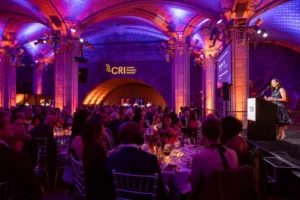

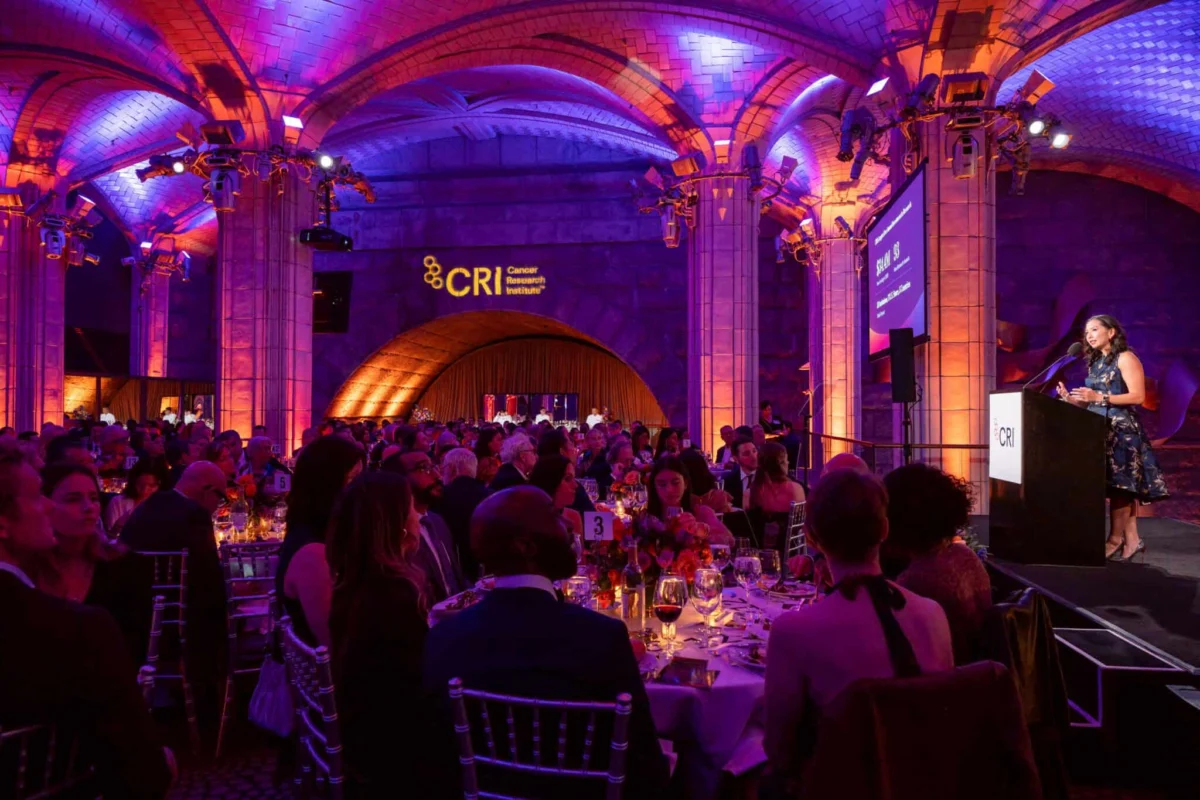
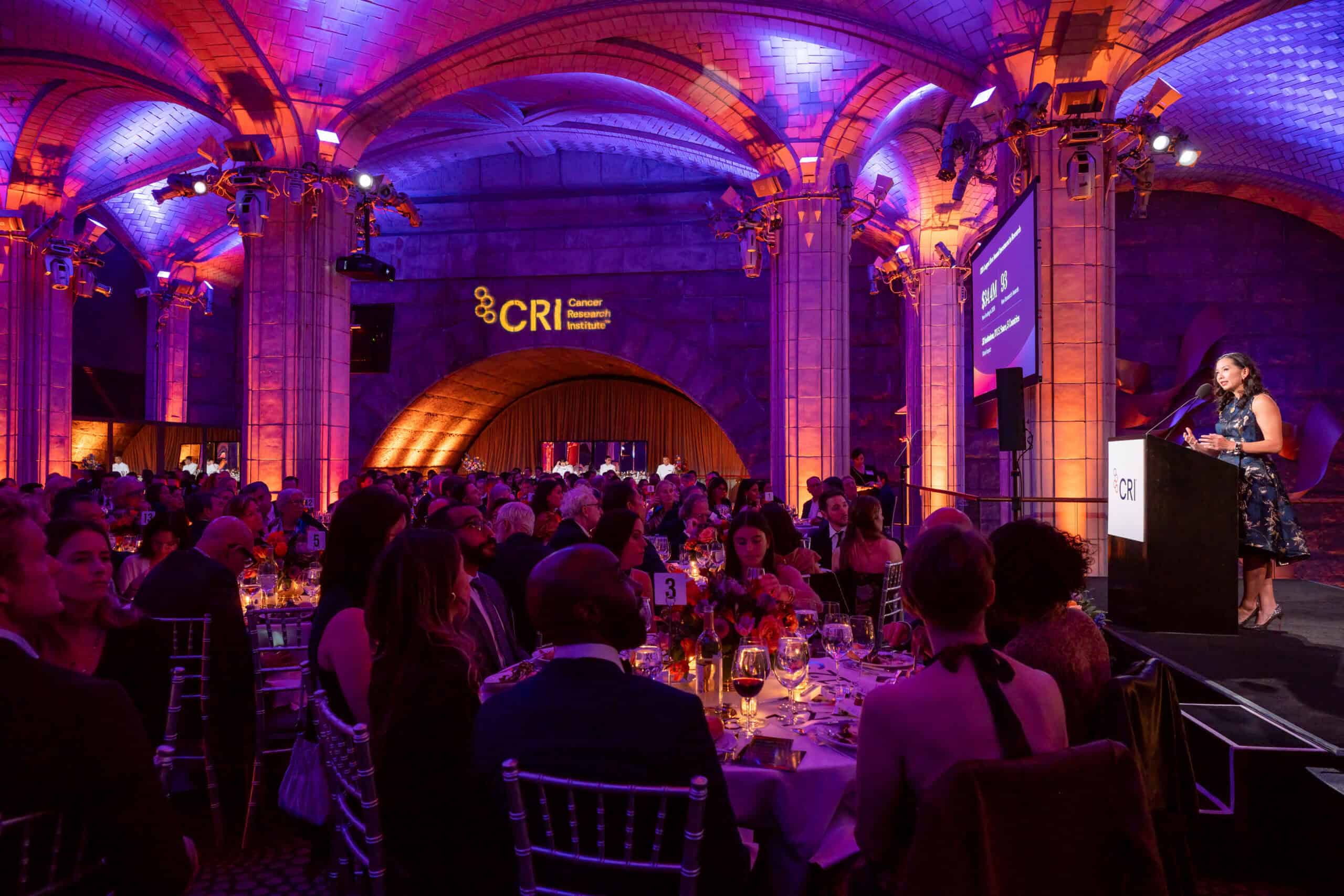
In the historic, vaulted chambers of Guastavino’s in New York City, the atmosphere on Tuesday, October 20, 2026, was one of both profound solemnity and electric anticipation. The Cancer Research Institute (CRI) hosted its 2026 Annual Awards Gala, an event that served as a powerful reminder that the journey from a laboratory hypothesis to a life-saving clinical treatment is a marathon of human ingenuity, sustained by a global community of supporters.
Under the poignant theme "Next is Now," the gala underscored a singular, driving message: the tools required to conquer cancer—artificial intelligence, breakthroughs in innate immunology, and novel venture philanthropy—are no longer distant dreams. They are being refined and deployed in the present, creating a tangible bridge between scientific discovery and patient survival.
The Gala in Context: Main Facts
The 2026 CRI Gala served as a pivotal fundraising and networking hub, successfully raising over $1.6 million to fuel the next wave of immunotherapy research. Hosted by renowned journalist and breast cancer survivor Athena Jones, the evening transcended the traditional black-tie fundraiser format. It focused on the "human arc" of cancer research: the scientist asking the first question, the philanthropist funding the high-risk endeavor, and the patient whose life is extended by the resulting breakthrough.
The evening was punctuated by three major award presentations, honoring individuals who represent the full spectrum of the immunotherapy ecosystem:
- Reed Jobs: Recipient of the Oliver R. Grace Award for Distinguished Service in Advancing Cancer Research.
- Eric Vivier, DVM, PhD: Recipient of the William B. Coley Award for Distinguished Research in Basic Immunology.
- Joseph Sun, PhD: Recipient of the Frederick W. Alt Award for New Discoveries in Immunology.
Chronology of a Mission: From Lab Bench to Living Room
The narrative of the evening was anchored by the stories of those for whom research is not an abstract concept, but a lifeline.
The program began with a deeply emotional tribute to the late Adam Shapiro, a former CRI board member. His wife offered a moving portrait of a man whose legacy is now inextricably linked to the very research that bought him precious years of life. She spoke of the mundane, beautiful moments—his "entertainingly awful" singing and his dedication to their sons—that were preserved by immunotherapy. Her testimony served as the evening’s moral compass: research is not merely about data points; it is about buying time for families.
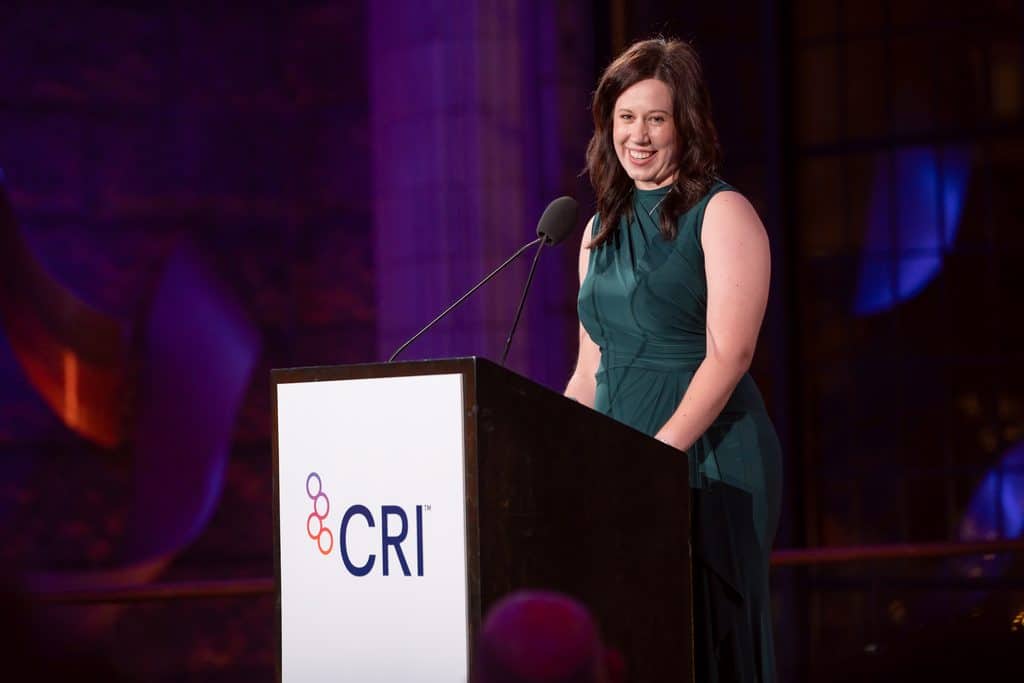
This retrospective look at loss transitioned into a forward-looking dialogue on the future of treatment. Dr. Alicia Zhou, CEO of the Cancer Research Institute, set the tone for the night by emphasizing that the "Next" in their theme refers to the urgent, collective action required today. "The challenge now is to turn promising results into treatments that work reliably for more people," Dr. Zhou noted. "No single laboratory, institution, or discipline can do that alone. An increasingly important part of CRI’s role is to bring scientists together to tackle the questions they can’t answer in isolation."
Supporting the Pipeline: The Role of Venture Philanthropy
A major highlight of the event was the recognition of Reed Jobs. As the founder of Yosemite, an oncology-focused venture firm, Jobs has become a lightning rod for a new era of medical funding. His work represents a departure from traditional grant-giving, favoring a model that bridges the "valley of death"—the period between academic discovery and commercial viability.
In his acceptance speech, Jobs articulated a philosophy that resonates with the urgency of the current cancer landscape. "At the core of it, my company has a simple supposition, which is that the cures to cancer have not yet been made, and we need to go out and make them," he stated. His approach is designed to de-risk high-potential, high-ambition ideas, ensuring that revolutionary concepts do not wither away for lack of early-stage capital. By aligning philanthropic interest with venture-style speed, Jobs is helping to accelerate the timeline from bench to bedside.

The Patient Perspective: The "Moonshot" Reality
If Reed Jobs represents the mechanism of progress, Molly Hones represents its purpose. Hones, a survivor of metastatic liver cancer, took the stage to share her harrowing yet triumphant experience with an experimental cancer vaccine.
After exhausting standard options and preparing for the end, Hones enrolled in a clinical trial at Johns Hopkins. The trial, which combined a vaccine with checkpoint immunotherapy, acted as a "moonshot" that effectively erased the four cancerous nodules in her lungs. Her story was not just one of individual survival, but a testament to the cumulative nature of medical science. "When I joined the trial, I thought I was doing it for the person who would come after me," Hones remarked. "Now I understand that people before me had already done that for me."
Scientific Milestones: Honoring the Architects of Immunity
The technical core of the gala was the celebration of two pioneers who have fundamentally reshaped our understanding of the immune system.
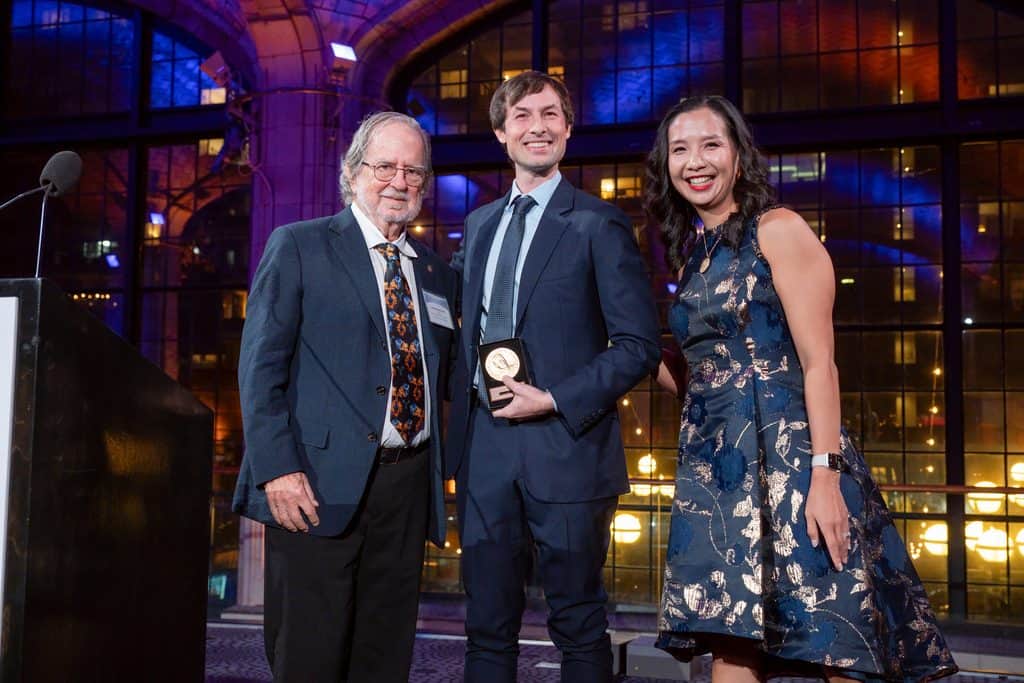
Dr. Eric Vivier and the Power of Innate Immunity
Dr. Eric Vivier was honored for his work on natural killer (NK) cells—the "first responders" of the immune system. As a professor at Marseille Medical School and President of the Paris-Saclay Cancer Center, Dr. Vivier’s research has clarified how these cells identify and eliminate malignant threats. His co-founding of Innate Pharma underscores his commitment to translating basic biology into actionable clinical development. "Every therapy that features a patient today began as a fundamental question," Dr. Vivier reminded the audience. "If we stop asking those questions, we also stop curing diseases."
Dr. Joseph Sun and the Paradigm of Immune Memory
The Frederick W. Alt Award went to Dr. Joseph Sun, whose research challenged the long-held dogma that only adaptive immune cells could develop memory. By proving that NK cells can "remember" viral infections and mount more effective responses over time, Dr. Sun opened entirely new avenues for how we might "train" the innate immune system to fight cancer. His journey—from a CRI Irvington Postdoctoral Fellow to a breakthrough researcher at Memorial Sloan Kettering—serves as a case study for the vital importance of investing in early-career scientists.
Implications for the Future of Oncology
The 2026 CRI Gala did more than celebrate past achievements; it signaled a strategic shift in how cancer research will be conducted over the next decade.
- The Integration of AI and Data: The event highlighted that the next era of immunotherapy will be data-driven. As researchers gain the ability to analyze the immune system at an unprecedented scale, the challenge shifts from discovery to precision.
- Cross-Disciplinary Collaboration: Dr. Zhou’s call for institutions to stop working in silos suggests that the CRI is moving toward a more collaborative, global model of research, where data sharing and inter-institutional partnerships become the standard.
- The Sustainability of Funding: The success of the gala, coupled with the innovative model championed by Reed Jobs, highlights a growing trend toward "hybrid funding"—a mix of traditional non-profit support and agile, venture-backed investment.
Conclusion: A Shared Legacy
As the gala concluded, the final sentiment was one of collective responsibility. The speakers—from the CEO to the award winners to the patient advocate—all pointed to the same truth: the scientific breakthroughs of tomorrow are currently being funded by the donors of today.
The evening was a powerful demonstration that while cancer remains a formidable adversary, the "Next" in "Next is Now" is not a vague hope. It is a series of precise, funded, and highly technical actions occurring in labs across the globe. By honoring the memory of those lost, like Adam Shapiro, and celebrating the resilience of survivors, like Molly Hones, the Cancer Research Institute has reaffirmed its commitment to a future where cancer is not just a manageable condition, but a curable one.
As Molly Hones poignantly concluded: "I got my moonshot. Let’s make sure the next person gets theirs too."