






July 14, 2026 – For the millions of Americans in recovery and the organizations that support them, the strength of local services is inextricably linked to the complex, often opaque machinery of federal budgeting. Today, a new resource has been unveiled that aims to demystify this process, providing recovery advocates with the tools necessary to transform their grassroots passion into effective legislative influence.
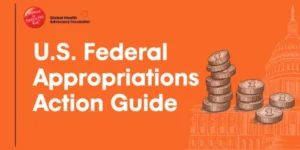
The U.S. Federal Appropriations Action Guide, developed by the Overdose Prevention Initiative at the Global Health Advocacy Incubator (GHAI), marks a significant step forward in professionalizing the advocacy efforts of the recovery community. By translating the dense jargon of Washington D.C. into actionable, plain-language strategy, this guide empowers local leaders to ensure that federal purse strings align with the urgent needs of those on the front lines of the overdose and addiction crisis.
The Landscape of Federal Funding: Why This Guide Matters
Understanding the Appropriations Process
Federal funding is not merely a matter of policy preference; it is a rigid, cyclical process governed by strict timelines and legislative maneuvers. For many community-based organizations, the complexity of the "appropriations cycle"—the annual process by which Congress decides how to spend federal dollars—has long acted as a barrier to entry.
The Action Guide seeks to dismantle this barrier. At its core, it clarifies the distinction between "authorizing" legislation, which creates programs, and "appropriations," which actually provide the funding. For recovery advocates, understanding this distinction is critical: a program may be authorized by law but remain ineffective if advocates fail to pressure Congress to provide the necessary fiscal backing during the appropriations cycle.
The "Moments that Matter"
Advocacy is most effective when it is proactive rather than reactive. The GHAI guide emphasizes the concept of "moments that matter"—specific windows during the budget year when legislators are most receptive to input. By aligning grassroots efforts with the federal calendar, the guide provides a strategic roadmap for when to submit testimony, when to organize sign-on letters, and when to meet with congressional staffers.
A Chronology of Advocacy: From Grassroots to Capitol Hill
To appreciate the significance of this new resource, one must look at the evolution of the recovery movement’s advocacy efforts over the last decade.
- 2016–2019: The Formative Years. As the opioid epidemic reached a fever pitch, local recovery community organizations (RCOs) operated largely in silos. Advocacy was often reactive, focused on emergency response rather than systemic funding for long-term recovery support services.
- 2020–2023: Professionalization. The COVID-19 pandemic necessitated a shift toward digital advocacy. Recovery advocates began utilizing virtual platforms to testify before state and federal committees, yet many struggled to navigate the bureaucratic intricacies of federal grant cycles.
- 2024–2025: Strategic Alignment. National organizations began coordinating more closely, recognizing that fragmented advocacy was leading to inconsistent funding outcomes. The demand for a standardized "playbook" for federal engagement grew significantly.
- July 2026: The Launch of the Action Guide. The release of the U.S. Federal Appropriations Action Guide represents the culmination of this maturation process. It provides, for the first time, a centralized resource that equips advocates in every state with the same high-level strategic tools.
Supporting Data: The Vital Need for Sustained Investment
The urgency behind this new resource is underscored by the current state of public health in the United States. Despite increased awareness, the funding gap for recovery support services remains stark.
The Economic Case for Recovery
According to recent data from the Substance Abuse and Mental Health Services Administration (SAMHSA), the economic impact of substance use disorder (SUD) exceeds $400 billion annually in the United States. However, for every dollar invested in recovery support services, the return on investment—measured through reduced emergency room visits, lower incarceration rates, and increased workforce participation—is estimated to be fourfold.
Funding Disparities
While federal spending on overdose prevention has increased, a significant portion of these funds is often earmarked for law enforcement or clinical treatment, leaving recovery community organizations (RCOs)—which provide essential peer-led support, housing, and job training—underfunded. The GHAI guide provides the specific language and data points that advocates need to present to appropriations committees to argue for the "whole-person" approach that RCOs facilitate.
Official Perspectives and Expert Responses
The release of the guide has been met with widespread enthusiasm from across the recovery spectrum.
The Perspective of the Global Health Advocacy Incubator
"The goal of the Overdose Prevention Initiative is to ensure that policymakers have the information they need to make evidence-based decisions," said a spokesperson for the GHAI. "But we know that policymakers often don’t hear from the people most affected by these policies until it’s too late. This guide is designed to bridge that gap, ensuring that the recovery community has a seat at the table during the earliest stages of the budget process."
Leadership from Faces & Voices of Recovery
Faces & Voices of Recovery, a national organization that champions the rights of those in recovery, has been a leading proponent of the new guide. According to their leadership, the tool is a "force multiplier."
"We have spent years telling our stories to legislators," one representative noted. "But a story is most powerful when it is backed by a request for specific appropriations language. This guide provides the ‘how-to’ for that transition. It turns our lived experience into a legislative strategy."
Implications: Changing the Future of Policy
The introduction of the U.S. Federal Appropriations Action Guide is expected to have far-reaching implications for the recovery landscape in the coming fiscal years.
1. Standardization of Advocacy
Currently, advocacy efforts are highly uneven; states with well-funded lobbying arms tend to secure more federal resources. By providing templates for testimony and sign-on letters, the guide democratizes access to influence, allowing smaller, rural, or underserved community organizations to present a professional, polished case to their congressional representatives.
2. Strengthening Accountability
With the guide’s easy-to-follow advocacy calendar, the recovery community can now track federal spending in real-time. This creates a new level of accountability, as advocates will know exactly when to contact their representatives to ensure that appropriations language reflects the needs of their specific districts.
3. A Shift Toward Sustainability
Perhaps most importantly, the guide encourages a shift away from "short-term thinking." By helping advocates understand how to secure long-term, multi-year funding through the appropriations process, the guide promotes the kind of stability that allows recovery support services to grow, hire staff, and serve more individuals.
Conclusion: Taking Action
The battle against the addiction crisis is not merely a medical challenge; it is a political one. As the U.S. Federal Appropriations Action Guide demonstrates, the recovery community’s most potent weapon is its collective voice.
By utilizing the templates, calendars, and strategic advice provided in this resource, advocates are no longer just asking for help; they are engaging in the sophisticated legislative work required to build a permanent, well-funded infrastructure of care.
Advocates are encouraged to download the guide via the official Overdose Prevention Initiative portal. As the federal budget cycle continues to unfold, the use of this tool will serve as a vital indicator of the recovery movement’s ability to influence the policies that shape the future of public health in America.
The time to engage is not when the budget is finalized, but months in advance, when the language is being written. With this guide, the recovery community is finally equipped to be there from the very first word.