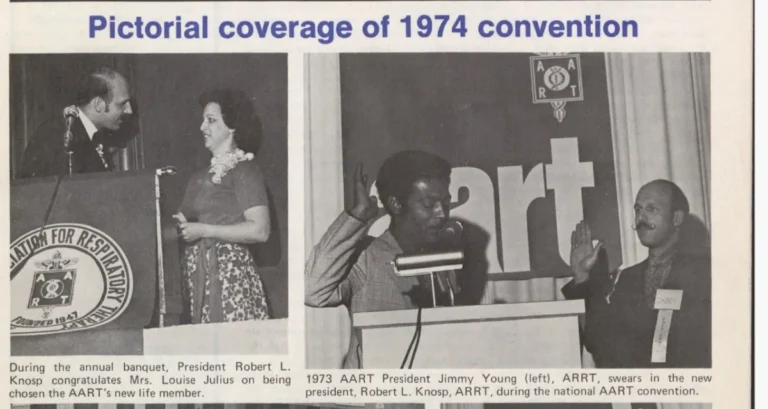









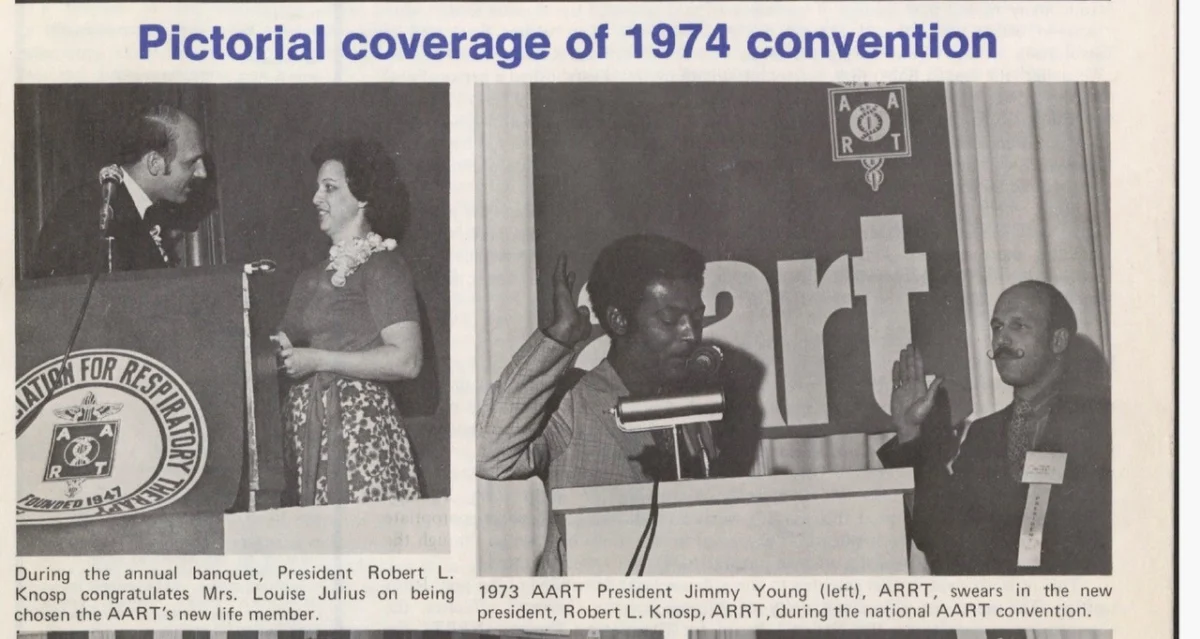
The American Association for Respiratory Care (AARC) stands as a pillar of clinical excellence, and at the summit of its recognition hierarchy lies the Jimmy A. Young Award. Named in honor of the late AARC president—a visionary whose life was dedicated to the advancement of respiratory health—the award is the highest honor the association bestows. It is reserved for those rare individuals whose careers have been defined by sustained, transformative contributions to the profession.
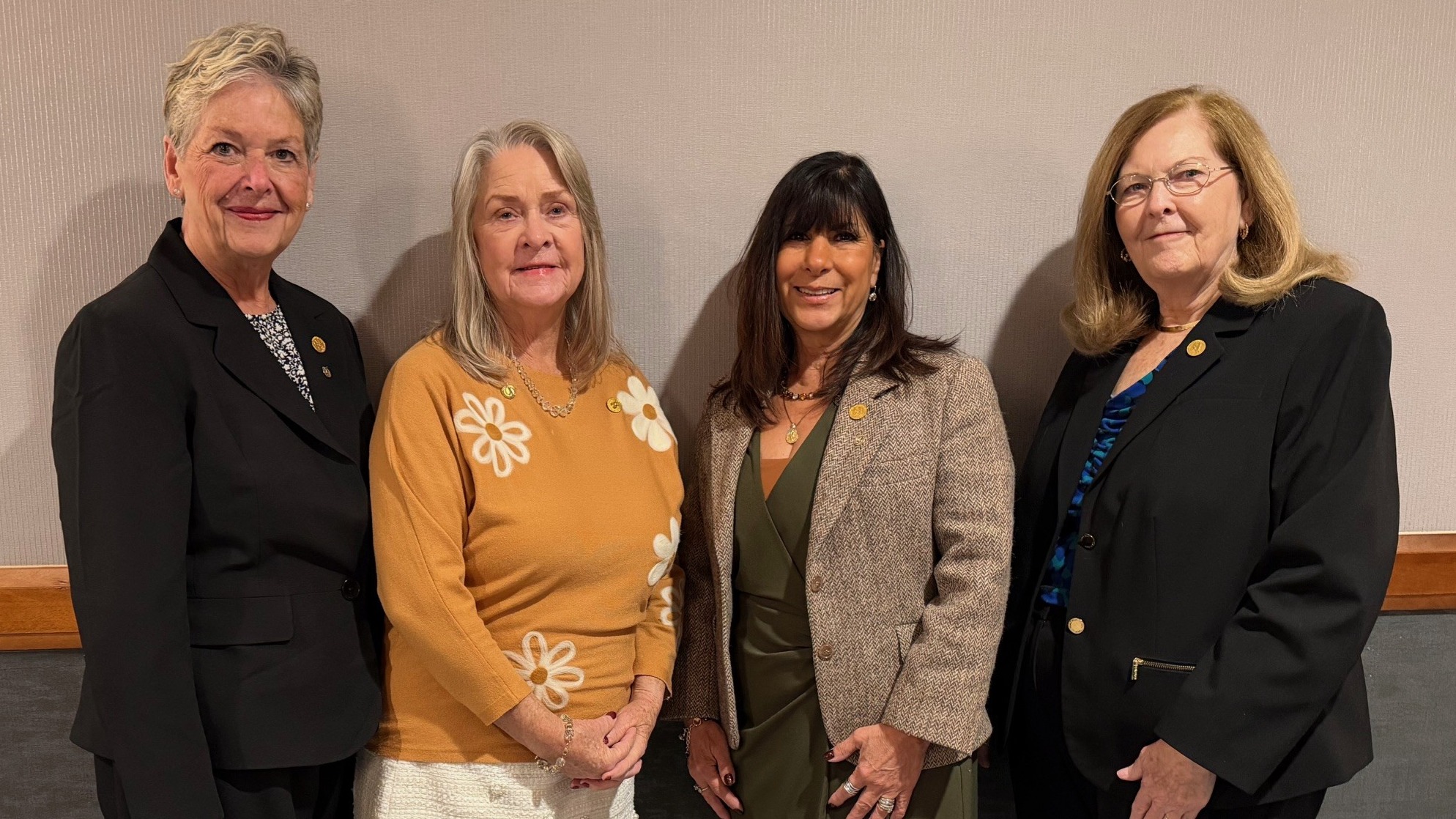
In a recent and deeply moving retrospective, Lisa Weisenberger, the AARC’s Director of Content and Communications, facilitated a profound dialogue with four of the five women to have ever received this prestigious accolade: Dianne Lewis, MS, RRT, FAARC (2025), Trudy Watson, BS, RRT, FAARC (2018), Margaret Traband, MEd, RRT, FAARC (2011), and Teresa Volsko, MBA, MHHS, LSSBB, RRT, FAARC (2020). Joined in spirit by the legacy of Louise Julius—the first woman to receive the honor in 1988 alongside her husband, John—these leaders offered a masterclass in professional evolution, the breaking of gender barriers, and the enduring importance of clinical advocacy.
A Legacy of Service: The Foundation of Leadership
For these women, the path to the Jimmy A. Young Award was never paved with the intent of gathering accolades. Instead, it was forged through an relentless commitment to the patient and the advancement of the field.
Dianne Lewis, the 2025 recipient, traced her journey back to the rigorous work of the House of Delegates and the Clinical Practice Guidelines Steering Committee. Her reflection serves as a reminder that systemic change often happens in the minutiae of policy. “My group wrote and published the first clinical practice guideline for the association,” Lewis noted. This achievement was not merely a document; it was a cornerstone that standardized care protocols, ensuring that a patient in a rural facility received the same level of evidence-based respiratory support as one in a major metropolitan medical center.
Margaret Traband, who entered the AARC in 1972, echoes this sentiment of grassroots dedication. She emphasizes that professional stature is built locally, long before it is recognized nationally. “We began with our state societies,” Traband explained. “You don’t do it looking for what else you need to check off a list to get an award. You’re just moving ahead where you think you can do the most good.” This philosophy—the prioritization of communal good over individual gain—has been the hallmark of their shared success.
Breaking the Glass Ceiling: From Exclusion to Inclusion
The history of respiratory therapy is a microcosm of the broader medical field’s gender evolution. While the modern respiratory therapy workforce is diverse, the upper echelons of leadership were, for decades, predominantly male.
Trudy Watson, in analyzing the historical trajectory of the profession, provided a sobering look at how far the field has come. In the mid-20th century, the presence of women in leadership was not just uncommon—it was structurally restricted. The conversation turned to the shift in cultural dynamics, which Teresa Volsko described as a fundamental change in the "architecture" of mentorship.
“In 1979, if you were invited to the table, you didn’t dare bring another woman up with you because there was only one or two seats,” Volsko recalled. The scarcity of opportunities created an environment of unintentional competition, where women often felt they had to guard their positions. Today, that narrative has been rewritten. Volsko emphasized that the current generation of leaders has moved from a scarcity mindset to an abundance mindset: “Now we have the power to change that landscape from being competitive to really lifting each other up.”
This transition from survival to mentorship has been critical. It has allowed for the creation of pipelines that ensure diverse voices are not only present at the table but are actively invited to contribute.
A Roadmap for the Next Generation: Professional Advice
During their discussion, the honorees synthesized decades of experience into actionable wisdom for the next generation of respiratory therapists (RTs). Their advice is structured around three core pillars:
1. The Art of Strategic Networking
Trudy Watson underscored that clinical skill is only half the battle; the other half is visibility. "Get involved so your name is known and you are trusted within your own organization," she advised. This extends beyond the hospital walls to organizations like the American Lung Association. By establishing a reputation for reliability and expertise across multiple platforms, an RT secures their professional longevity.
2. The Mandate of Being Over-Prepared
Margaret Traband recalled the era of "Journal Clubs" in the 1970s, where the baseline for competence was a deep familiarity with the latest medical research. In a field where the margins for error are razor-thin, being "well-versed" is a safety requirement, not a suggestion. "Being over-prepared is status quo for most of us," Traband noted. "You have to be well-versed, so you don’t come off half-prepared."
3. Leading from the Bedside
Perhaps the most crucial advice came from Teresa Volsko, who challenged the notion that leadership is tied to a specific job title. "Don’t let the fact that you have the title of a clinical respiratory therapist stop you from doing great things," she urged. "Lead where you are." By recognizing that leadership is a set of actions—advocating for patients, mentoring peers, and optimizing clinical workflows—RTs can exert influence from the very first day of their practice.
The Dual Reality: Challenges and the Horizon
The profession currently finds itself at a critical juncture. On one hand, the demand for respiratory care is surging, with Dianne Lewis noting an abundance of job opportunities on the horizon. However, the profession faces a significant "supply" challenge. Watson highlighted the struggle of filling seats in educational programs, creating a bottleneck that threatens to impede the industry’s ability to keep pace with patient needs.
Furthermore, the post-pandemic era has introduced a profound sense of burnout among healthcare providers. Traband offered a poignant, almost spiritual, perspective on how to combat this. She noted that as therapists move into more administrative or academic roles, they lose the immediate, tangible reward of seeing a patient breathe easier. "The further away you get from the bedside, the less positive reinforcement happens," she said. "Take the time to reflect at the end of the day. Know that you’ve alleviated breathlessness and calmed patients. Steep in that moment."
Implications for the Future of Respiratory Care
The Jimmy A. Young Award is far more than a physical trophy or a line on a resume; it is a barometer for the health of the profession. The stories of Lewis, Watson, Traband, and Volsko suggest that the future of respiratory care relies on a specific blend of three ingredients:
- Clinical Excellence: The bedrock of the profession remains the ability to provide life-saving, evidence-based care.
- Tireless Advocacy: The profession must continue to fight for its place at the policy table, ensuring that the critical nature of respiratory health is understood by legislators and hospital administrators alike.
- Mentorship Culture: The transition from competitive silos to collaborative networks is perhaps the most significant shift the AARC has undergone. By lifting the next generation, the current leaders ensure that the legacy of the Jimmy A. Young Award remains relevant.
As the industry navigates the complexities of modern medicine, these leaders serve as a compass. They prove that while the tools of the trade—ventilators, medications, and digital diagnostics—will continue to evolve, the heart of the profession remains the human connection. Whether in the boardroom, the classroom, or the ICU, the spirit of the Jimmy A. Young Award lives on in every therapist who chooses to step up, speak out, and prioritize the breath of the patient above all else.
The retrospective serves as a rallying cry: the challenges are significant, but they are met by a workforce that is increasingly empowered, interconnected, and ready to lead.