






It is a sobering realization that a quarter-century has passed since the morning the world tilted on its axis. September 11, 2001, is etched into the collective American consciousness as a day of profound rupture—a moment where the boundaries between peace and war, safety and vulnerability, were permanently erased. For those who lived through it, the memories are visceral: the smell of jet fuel, the rhythmic tolling of sirens, the sight of a cloudless blue sky turned into an impenetrable shroud of gray ash.
Today, we stand in a workplace landscape where many of our colleagues were either toddlers or not yet born when the towers fell. To them, 9/11 is a chapter in a history book. To those who remember, it is a living wound. As we mark this 25th anniversary, it is imperative to bridge that generational divide, not merely to recount the tragedy, but to understand the enduring lessons of resilience and the persistent threats that remain against our way of life.
The Morning of Infamy: A Personal Chronology
On the morning of September 11, 2001, I was in Chicago, leading a Canon advance team in preparation for an annual sales conference. We were a group of professionals who had arrived early, balancing the intensity of corporate planning with the camaraderie of dinners and the vibrant energy of the city.
The day began with a mundane ritual. I walked across the street from our hotel to a local Starbucks. When I entered, the atmosphere was suffocating. Every eye was glued to a television mounted on the wall. The news reported that a plane had struck the North Tower of the World Trade Center. Initial reports speculated on an aviation accident, but the collective intuition in the room told a different story. I remember hugging complete strangers—baristas and fellow customers—as the initial wave of shock gave way to a desperate need for human connection.

Returning to the hotel, I found my colleagues gathered in the VP of Sales’ suite. The room was deathly quiet. One of my co-workers had a fiancé working in the South Tower. When the second plane hit, her shock transmuted into a raw, physical pain that I can still feel today. We held onto the desperate hope of an evacuation, but the gravity of the situation was undeniable: America was under attack.
Minutes later, we watched in paralyzed horror as the South Tower buckled and collapsed. The sound of my colleague’s reaction—a guttural, primal cry as she realized the future she had planned with her fiancé had disintegrated into dust—remains the defining sound of my life.
The Journey Home: A Nation in Stasis
With the FAA grounding all flights indefinitely, the country came to a sudden, eerie standstill. The telecommunications infrastructure was overwhelmed, but after an agonizing wait, I reached my sister-in-law to inform my family that I was going to find a way back to Southern California.
While some colleagues waited in the hotel, hoping for the resumption of air travel, I could not sit idle. A fellow co-worker and I rented a car, stocked up on water, Diet Coke, and snacks, and began the long journey home along the historic Route 66. For two and a half days, we drove through a transformed America. Every bridge, every overpass, and every stranger we encountered felt charged with a new, somber reality.

In the aftermath, the personal toll became clear. I learned that I had lost a tech journalist I worked closely with, and another former colleague—who had struggled for seven years to conceive—lost her husband, who was working on the 102nd floor of the North Tower. He would never meet his child. Their stories are but a few threads in a tapestry of grief that spans the entire nation.
The Symbolic Resurrection: Good Amidst Evil
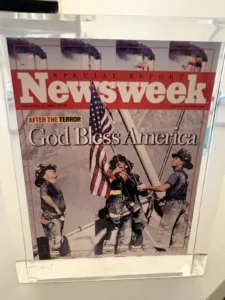
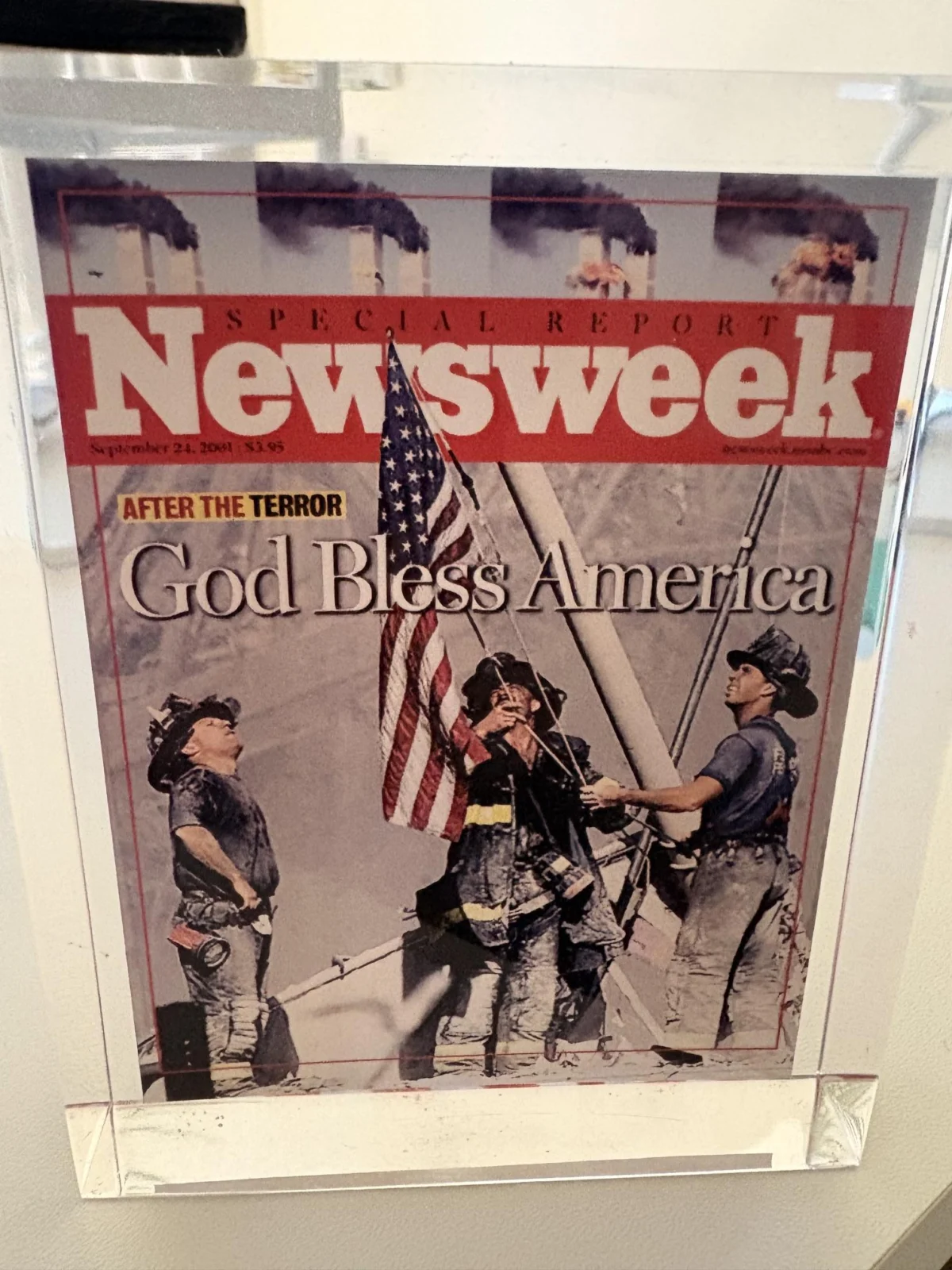
Over the last 25 years, I have visited the site of the fallen towers as it transitioned from a landscape of twisted steel to the solemn memorial fountains and the soaring Freedom Tower that stands today. Among my most cherished items is an acrylic-encased copy of the special Newsweek issue featuring the iconic photograph of firefighters raising the American flag at Ground Zero.
It is a visual echo of the Iwo Jima flag-raising, representing a similar spirit of defiance. During one of my visits to the site, I saw the "Steel Cross"—a formation of beams found in the rubble that resembled a crucifix. To many, it was more than just debris; it was a testament to the belief that while evil may strike, it cannot destroy the fundamental values of a society. It served as a reminder that the triumph of good over evil is not an outcome, but a persistent, daily commitment.
The Long Tail of Tragedy: Health and Caregiving
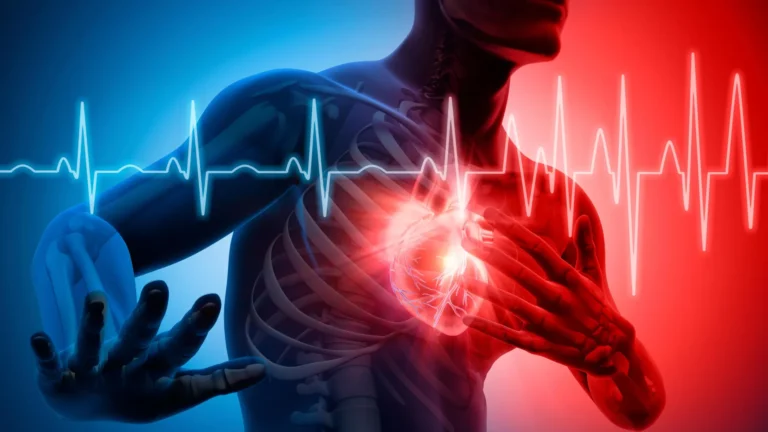
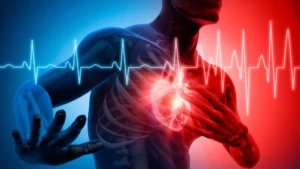
While the kinetic events of 9/11 ended in 2001, the tragedy continues to claim lives today. We are currently witnessing a "second wave" of casualties among the first responders—the firefighters, police officers, and volunteers who worked on "The Pile."

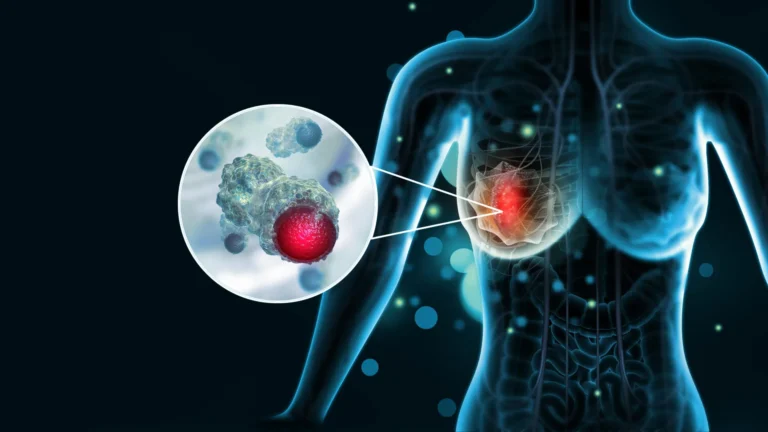
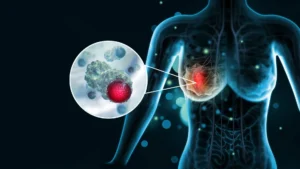
Beyond the well-documented respiratory illnesses and various cancers, emerging medical research is identifying an alarming rise in early-onset dementia among survivors. This reality has necessitated a new, specialized form of long-term caregiving. The families of these heroes, once focused on recovery, are now navigating the slow, heartbreaking decline of their loved ones due to the toxic environment they were exposed to in the line of duty.
Key Data Points on the 9/11 Health Crisis:
- The Responder Pool: More than 400,000 individuals, including first responders, volunteers, and local residents, were exposed to the toxic dust and debris at Ground Zero.
- Medical Enrollment: The World Trade Center Health Program currently manages the care of over 150,000 members who suffer from conditions linked to the attacks.
- Cognitive Decline: Recent longitudinal studies have begun to highlight a correlation between the inhalation of particulate matter and accelerated cognitive decline, adding a complex layer of neurological suffering to the existing physical trauma.
Understanding the Threat: Lessons for the Next Generation
For those who did not witness the horror firsthand, it is crucial to understand that 9/11 was not an isolated event but the culmination of a decade of warning signs. The story of FBI agent John O’Neill, who spent years tracking Usama bin Laden only to be dismissed by bureaucratic apathy, is a harrowing lesson in the cost of complacency. O’Neill ultimately left the FBI to head security at the World Trade Center, where he lost his life attempting to save others.
Then there is the legacy of Welles Crowther, the "Man in the Red Bandana," who sacrificed his own life to guide others to safety. His story serves as a reminder that the best of humanity often emerges from the worst of circumstances.
Official Responses and Strategic Implications
The geopolitical landscape was fundamentally altered by the events of 9/11. Unlike the attack on Pearl Harbor, which targeted military assets and triggered a conventional war, the 9/11 attacks were a deliberate assault on civilians, designed to shatter the American sense of security.

The eventual killing of Usama bin Laden in 2011 was a tactical victory, but it did not extinguish the ideology of hate that fueled the attacks. The global struggle against terror-linked groups remains a foundational element of modern foreign policy. As we look at the current state of global affairs, the lesson of 25 years ago remains clear: complacency is the precursor to catastrophe.
A Final Resolve
We must never forget. This is not a hollow phrase; it is a defensive posture. By remembering the victims, honoring the caregivers, and educating the younger generations about the fragility of peace, we ensure that the lessons of 9/11 remain a pillar of our national resolve.
We honor those lost not by living in fear, but by living with a heightened awareness of our responsibility to preserve the freedom they died protecting. The tragedy of 25 years ago stripped us of our innocence, but it forged a stronger, more resilient American identity—one that continues to stand, even as the world around us changes.
FAQs: A Guide for Continued Learning
Q: Why is it still vital to remember 9/11?
A: It is a critical part of our history that defines our national security posture. Understanding the shift from a world of perceived safety to one of persistent threat is essential for maintaining the vigilance required to protect our democratic way of life.

Q: How did the U.S. respond to the architect of the attacks?
A: Usama bin Laden remained the world’s most wanted terrorist for nearly a decade. On May 1, 2011, U.S. Navy SEAL Team 6 executed a high-stakes mission in Abbottabad, Pakistan, successfully neutralizing him and delivering justice for the thousands murdered on 9/11.
Q: What is the current status of the World Trade Center Health Program?
A: The program provides medical monitoring and treatment for survivors and responders. It continues to expand its research to address the long-term, chronic conditions, including respiratory diseases and emerging neurological issues, that continue to afflict the thousands who stood on the front lines in the days following the attacks.