











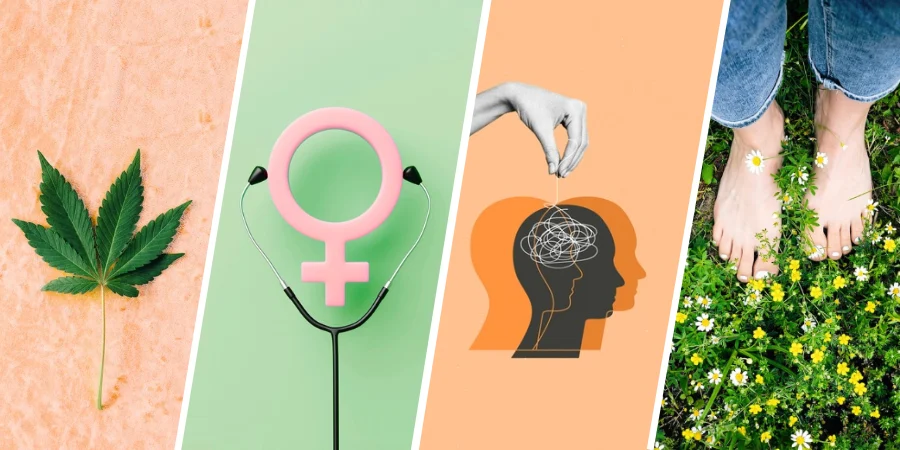
Recent clinical breakthroughs published in late 2026 have significantly expanded our understanding of bipolar disorder (BD), a complex mental health condition characterized by extreme shifts in mood, energy, and activity levels. As researchers delve deeper into the interplay between environmental factors, biological transitions, and lifestyle choices, a clearer picture is emerging of how the disorder develops and how it can be more effectively managed.
This report synthesizes five pivotal studies that investigate the role of cannabis use, the impact of perimenopause on mood stability, the predictive power of psychotic symptoms in early diagnosis, the influence of nature on manic episodes, and the formal integration of exercise into clinical care. Together, these findings offer a roadmap for more personalized and proactive psychiatric intervention.
Main Facts: The Five Pillars of Recent Bipolar Research
The latest scientific inquiries into bipolar disorder have yielded five critical findings that challenge traditional diagnostic and treatment models:
- Cannabis and Diagnostic Risk: A massive international meta-analysis has established a strong statistical link between cannabis use and a subsequent diagnosis of bipolar disorder, with users facing 2.5 times the risk of non-users.
- The Perimenopausal Window: Research confirms that the years leading up to menopause represent a "vulnerable period" for women, often acting as a catalyst for the onset of bipolar symptoms or the worsening of existing depression and anxiety.
- Psychosis as a Red Flag: In patients initially diagnosed with major depressive disorder (MDD), the presence of psychotic symptoms (hallucinations or delusions) is the single strongest predictor that the diagnosis will later evolve into bipolar disorder.
- Environmental Bio-markers: Fluctuations in time spent in "green spaces" have been identified as a potential early warning sign for impending manic or hypomanic episodes.
- Exercise as Essential Care: The International Society for Bipolar Disorders (ISBD) has officially moved exercise from a "lifestyle recommendation" to a core component of clinical treatment protocols.
Chronology of Development: From Early Exposure to Diagnostic Conversion
Understanding the timeline of bipolar disorder is essential for early intervention. The recent data highlights a specific chronology of risk and transition.
The Early Warning: Cannabis and Youth
The link between cannabis and bipolar disorder appears early in the lifespan. Researchers led by teams in England reviewed 19 longitudinal studies involving nearly seven million individuals. The data indicates that for many, cannabis use precedes the first manic or hypomanic episode. While the study acknowledges the possibility of "prodomal" use—where individuals use cannabis to self-medicate early, undiagnosed mood shifts—the correlation remains robust across both adolescent and adult populations.
The Diagnostic Shift: From Depression to Bipolarity
The transition from a diagnosis of Major Depressive Disorder (MDD) to Bipolar Disorder often takes years. A Spanish study of 52,000 adults found that approximately 7% of those diagnosed with depression were later re-diagnosed with BD. This "conversion" typically occurs after a patient experiences their first manic episode, which can be triggered by antidepressants or occur naturally over time. The chronology suggests that the initial depressive episode is frequently the "opening act" of a bipolar trajectory, particularly when psychotic features are present.
The Hormonal Threshold: Perimenopause
For women, the end of the reproductive years represents a second window of vulnerability, similar to the postpartum period. Canadian researchers found that perimenopause—the years surrounding the final menstrual period—can trigger a late-onset diagnosis or a significant escalation in the frequency of depressive episodes. This suggests a chronological "re-triggering" of the disorder during major hormonal shifts.
Supporting Data: Statistical Insights into Risk and Behavior
The weight of these studies lies in their expansive data sets and specific risk ratios.
Cannabis and Mania
According to the findings published in the Journal of Affective Disorders (October 2026), cannabis users are:
- 2.5 times more likely to develop bipolar disorder.
- 2 times more likely to experience manic or hypomanic symptoms.
While the study notes that factors like alcohol and tobacco use can confound these numbers, the sheer scale of the 7-million-person analysis provides significant statistical power to the cannabis-BD link.
Predictors of Diagnostic Conversion
In the Spanish cohort study published in European Psychiatry, several factors were identified as increasing the likelihood of a bipolar re-diagnosis:
- Psychotic Symptoms: 3 times higher risk.
- Psychiatric Hospitalization: Increased risk of conversion.
- Comorbidities: Substance use disorders and personality disorders were also significant markers.
Nature and Movement Patterns
In a German study utilizing GPS data, researchers monitored 29 participants over a year. The data revealed a distinct behavioral pattern: in the 14 days leading up to a manic episode, participants significantly reduced their time in green spaces. Furthermore, their daily routines became more inconsistent. Conversely, the ISBD task force highlighted that patients with BD are generally more sedentary than the general population, which contributes to higher rates of cardiovascular disease—the leading cause of premature death in this demographic.
Official Responses: Expert Perspectives and Clinical Guidance
The scientific community has responded to these findings with a call for updated clinical guidelines.
The ISBD Task Force on Exercise
The International Society for Bipolar Disorders (ISBD) published a definitive consensus in the journal Bipolar Disorders (August 2026). The task force concluded that exercise must be integrated into the standard of care. "Exercise is not just about physical health; it is a mood stabilizer," the group noted. They emphasized that while mania involves "high energy," it is often unproductive and disorganized, whereas structured exercise helps regulate the circadian rhythms that are often disrupted in BD.
The Reproductive Health Consensus
Canadian researchers have called for increased vigilance among gynecologists and primary care physicians. Given the evidence that perimenopause can trigger severe mood instability, the experts suggest that women with a history of mood disorders should be closely monitored during their 40s and 50s. However, they cautioned that evidence for hormone replacement therapy (HRT) as a treatment for bipolar-related perimenopausal symptoms remains "limited" and requires further randomized controlled trials.
The "Digital Phenotyping" Approach
Researchers involved in the German nature study suggest that "digital phenotyping"—using smartphone data to track movement and location—could eventually be used as a clinical tool. By identifying a drop-off in time spent in nature, clinicians might be able to intervene before a hypomanic "climb" becomes a full-blown manic crisis.
Implications: A New Era of Proactive Management
The implications of this research are profound for both clinicians and patients, shifting the focus from reactive treatment to proactive prevention.
For the Patient: Self-Monitoring and Lifestyle
The findings empower patients to take a more granular look at their daily habits. If cannabis use increases the risk of mania, its avoidance becomes a primary preventative measure. Similarly, if a decrease in "green time" precedes mania, patients can use their own location data or journals to spot their own "red flags." The ISBD’s endorsement of exercise also gives patients a tangible, non-pharmacological tool to help manage the "lows" of bipolar depression and the "restlessness" of anxiety.
For the Clinician: Sharper Diagnostic Tools
Psychiatrists are now better equipped to differentiate between "unipolar" depression and the depressive phase of bipolar disorder. By screening for psychotic symptoms during a first depressive episode, doctors can be more cautious with the prescription of antidepressants, which can sometimes trigger mania in undiagnosed bipolar patients.
For Future Research: Filling the Gaps
While these studies provide a wealth of information, they also highlight critical gaps. The lack of data on how hormone therapy interacts with bipolar medication during menopause is a glaring omission in women’s mental health. Furthermore, the cannabis study points to a need for more research into whether quitting cannabis can mitigate the risk of developing the disorder after heavy use has already occurred.
Conclusion
The research of 2026 underscores that bipolar disorder is not a static condition but one influenced by a constant dialogue between the brain, the body, and the environment. Whether it is the chemical impact of cannabis, the hormonal shifts of perimenopause, or the stabilizing effect of a walk in the park, these factors are not peripheral—they are central to the lived experience of the disorder. As exercise becomes a standard prescription and digital tracking offers a window into impending episodes, the future of bipolar care looks increasingly holistic, data-driven, and hopeful.