







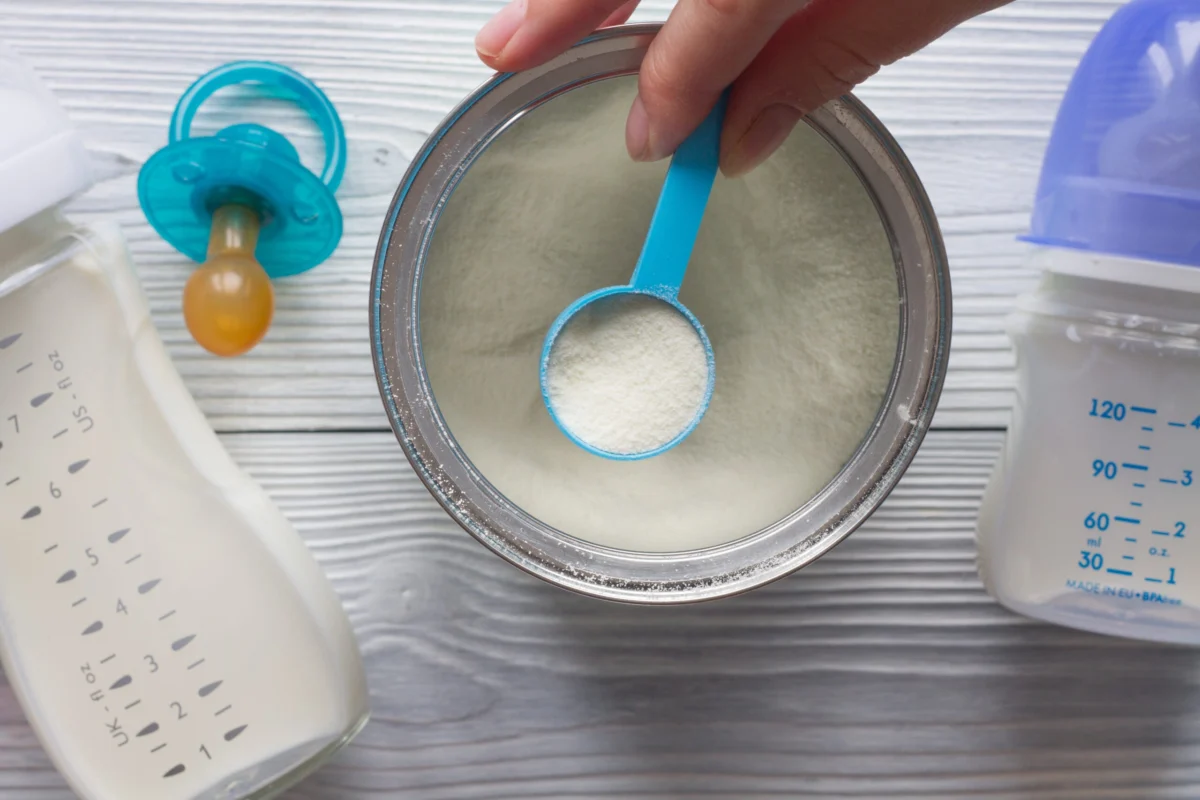
The recent turbulence in the U.S. infant formula market has served as a sobering wake-up call for public health officials, policymakers, and parents alike. For the majority of infants, formula is not merely an alternative; it is a nutritional necessity. When the supply chain falters, the impact is immediate, visceral, and deeply concerning for families across the nation. While the headlines have centered on empty shelves, the deeper reality is a complex intersection of corporate consolidation, regulatory vulnerability, and the harsh socio-economic realities of modern parenthood.
The Anatomy of the Crisis: Main Facts
At its core, the infant formula shortage was a multifaceted disaster. While supply chain disruptions triggered by the COVID-19 pandemic provided the initial catalyst—creating labor shortages and shipping delays—the crisis reached a breaking point due to an alarming lack of diversification in the manufacturing sector.
In the United States, the infant formula market is dominated by a handful of major players. When a significant production facility in Michigan was shuttered in early 2022 due to contamination concerns, the impact was disproportionate. Because so few companies control the market, the closure of one plant triggered a nationwide domino effect. This highlighted a critical vulnerability: the domestic market was far too reliant on a fragile, concentrated production system. For parents, this meant that basic nutritional security for their children—a non-negotiable requirement for growth—was suddenly subject to the whims of corporate logistics.
Chronology: A Timeline of Instability
The instability did not occur overnight. It was the result of a slow-moving accumulation of pressures:
- 2020-2021: The pandemic began to strain global supply chains. Shortages in raw materials, such as specific vitamins and minerals, began to plague manufacturers. Simultaneously, labor shortages at packaging plants slowed output.
- Early 2022: The situation escalated rapidly. Reports of bacterial contamination (specifically Cronobacter sakazakii) at a major production facility led to a massive product recall. The facility was subsequently shut down by federal regulators for safety investigations.
- Spring 2022: The crisis hit its zenith. Retail shelves across the U.S. sat bare. Families were forced to drive hundreds of miles, resort to social media groups to track inventory, or, in desperate cases, turn to dangerous alternatives.
- Summer 2022: The federal government invoked the Defense Production Act and initiated "Operation Fly Formula," an emergency airlift program to import formula from international markets to bridge the gap.
- 2023-Present: While production has largely normalized, the industry remains under intense scrutiny. The focus has shifted from immediate survival to structural reform to ensure such a crisis cannot repeat itself.
The Socio-Economic Realities
While breastfeeding is widely encouraged and recommended by major health organizations, the narrative that "breast is best" often ignores the structural barriers that make it impossible for many families. The U.S. lacks a federal paid parental leave policy, forcing many mothers to return to the workforce mere weeks after giving birth. For these individuals, breastfeeding or exclusive pumping is often logistically untenable.
Furthermore, medical necessity dictates the use of formula for many infants. Those with metabolic disorders, severe gastrointestinal issues, or allergies to proteins found in human milk require specialized, hypoallergenic formulas. When these products disappear from the shelves, these infants are at immediate risk of severe health complications. Thus, the formula shortage was not just a convenience issue; it was a public health emergency for the most vulnerable members of society.
Official Responses and Regulatory Oversight
The federal response to the crisis was characterized by a scramble to restore supply while maintaining safety. The Food and Drug Administration (FDA) faced intense criticism for its initial handling of the contamination reports and the subsequent delay in reopening production facilities.
In response, the government took several unprecedented steps:
- Defense Production Act: Used to prioritize the manufacturing of raw ingredients for formula over other industries, ensuring that domestic plants had the supplies they needed to run at maximum capacity.
- Import Liberalization: The FDA temporarily eased import restrictions, allowing international manufacturers—who were already producing safe, high-quality formula—to enter the U.S. market rapidly.
- Operation Fly Formula: The Department of Defense utilized military aircraft to transport millions of bottles of formula from Europe and Australia to the U.S. to stabilize inventory.
Supporting Data: The Cost of Centralization
Data analyzed by the American Journal of Clinical Nutrition highlights the danger of the "oligopoly" model. Currently, three companies produce approximately 90% of the infant formula in the United States. This lack of competition is compounded by the WIC (Women, Infants, and Children) program’s bidding process. States typically grant exclusive contracts to one manufacturer to supply formula to WIC participants, which reduces costs for the government but further incentivizes market dominance by a small number of firms. When that one firm faces a disruption, the entire WIC-dependent population—which accounts for half of all formula consumption in the U.S.—is immediately impacted.
Implications for the Future
The path forward requires a fundamental rethinking of how the nation treats infant nutrition. It is no longer acceptable to treat formula as a standard consumer good like household cleaning products; it must be managed as a critical medical supply.
Recommendations for Structural Change
According to research published in the American Journal of Clinical Nutrition, several key policy changes are essential:
- Market Diversification: Policymakers must incentivize the entry of smaller, regional, and international manufacturers into the U.S. market. A more diverse supplier base would ensure that a single plant failure does not jeopardize national supply.
- Strategic Reserves: Similar to the Strategic National Stockpile for pharmaceuticals, the U.S. should consider maintaining a national reserve of essential infant formula to act as a buffer during supply chain shocks.
- Modernizing WIC Contracts: Reform the bidding process to prevent total reliance on a single vendor. While cost-saving is important, the resilience of the supply chain must be prioritized as a key metric in contract awards.
- Strengthening Oversight: The FDA requires more robust funding and staffing to monitor manufacturing facilities more proactively. Regular, rigorous inspections are the only way to prevent contamination events before they necessitate massive recalls.
- Supporting Lactation and Feeding: Beyond the formula supply itself, the U.S. must improve the support system for parents. This includes universal paid parental leave, better access to lactation consultants, and expanded coverage for donor human milk banks, which can provide a safer, more sustainable alternative for infants with medical needs.
A Call for Resilience
The infant formula shortage was a stark reminder of how thin the margin of error is in modern public health. When we rely on a fragile, consolidated system to provide the foundational nutrition for the next generation, we invite catastrophe.
Moving forward, the focus must be on building a "resilient nutrition infrastructure." This means balancing the need for safe, affordable, and accessible formula with a broader commitment to supporting diverse infant feeding choices. By diversifying our manufacturing base, strengthening regulatory oversight, and addressing the socio-economic barriers to breastfeeding, we can ensure that no family is ever again forced to face the terror of empty shelves when their child is hungry.
The crisis of 2022 was an expensive lesson in corporate and regulatory complacency. The recovery must be defined by a commitment to never let such a failure happen again. The health and security of our children are not negotiable, and our supply chain must finally reflect that truth.