










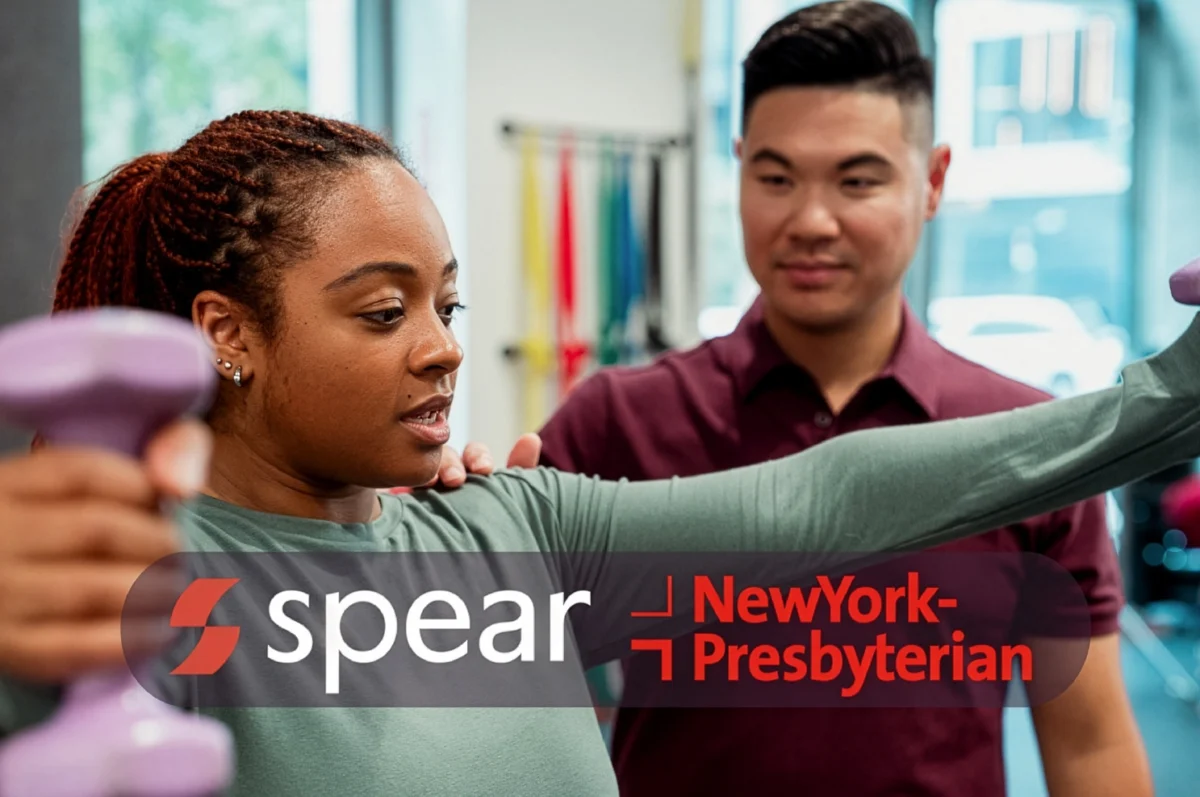
NEW YORK, NY – [Insert Date, e.g., October 26, 2023] – In a significant move poised to redefine access to essential rehabilitation services, NewYork-Presbyterian, one of the nation’s most comprehensive academic healthcare systems, has announced a strategic collaboration with Spear Physical and Occupational Therapy, a leading provider of outpatient rehabilitation care. This ambitious partnership aims to dramatically expand the availability of high-quality physical and occupational therapy across the New York metropolitan area, with the planned opening of nine new state-of-the-art facilities in New York City and Westchester by 2026.
The collaboration is designed to create a more integrated and seamless patient experience, connecting the extensive clinical expertise of NewYork-Presbyterian with Spear’s award-winning outpatient rehabilitation model. By bringing specialized care closer to where New Yorkers live and work, the initiative seeks to enhance continuity of care, optimize patient outcomes, and establish a new benchmark for coordinated musculoskeletal and general rehabilitation services. This partnership represents a forward-thinking approach to healthcare delivery, emphasizing accessibility, efficiency, and a patient-centric recovery journey.
A New Era of Coordinated Care: The Partnership’s Genesis and Vision
The collaboration between NewYork-Presbyterian and Spear Physical and Occupational Therapy marks a pivotal moment in the evolution of rehabilitation services in the region. It is not merely an expansion of facilities but a strategic alliance forged on a shared commitment to delivering exceptional, accessible, and convenient care. This partnership leverages the distinct strengths of both organizations to create a synergistic model that addresses critical gaps in the existing healthcare landscape.
Strategic Alignment and Shared Commitment
At its core, this collaboration is a testament to a mutual vision for advanced patient care. NewYork-Presbyterian, renowned for its comprehensive network of specialty care and its affiliation with two world-class medical schools—Columbia University Vagelos College of Physicians and Surgeons and Weill Cornell Medicine—brings unparalleled clinical depth and research capabilities to the table. Its extensive inpatient and outpatient services cover a vast spectrum of medical needs, from complex surgeries to chronic disease management. However, the transition from acute hospital care or specialist consultation to consistent, high-quality outpatient rehabilitation can often present logistical and coordination challenges for patients.
Enter Spear Physical and Occupational Therapy, an organization that has meticulously built a reputation for excellence in the outpatient setting. Spear’s model is characterized by its patient-focused approach, innovative treatment methodologies, and a strong emphasis on community integration. Their clinics are strategically located, designed for comfort, and staffed by highly skilled therapists dedicated to personalized recovery plans. By combining Spear’s proven expertise in the outpatient realm with NewYork-Presbyterian’s leading clinical experts and comprehensive care pathways, the partnership aims to bridge this gap, ensuring a more cohesive and uninterrupted recovery journey for patients.
The strategic alignment extends beyond mere facility expansion. It involves a deeper integration of clinical pathways, allowing for standardized protocols and shared best practices that will benefit patients across the entire care continuum. For patients recovering from surgery, managing chronic pain, or rehabilitating from an injury, this means a more aligned approach, where their primary care physicians, specialists, and rehabilitation therapists are all working in concert, sharing information and coordinating treatment plans seamlessly. This integrated approach is expected to significantly improve patient adherence to therapy, reduce the likelihood of setbacks, and ultimately lead to more successful long-term outcomes.
Furthermore, the collaboration is poised to enhance the patient experience by offering a single, unified point of contact for complex musculoskeletal care. Instead of navigating disparate systems, patients will benefit from a more streamlined referral process and a consistent quality of care that extends from diagnosis through active rehabilitation and beyond. This is particularly crucial in a dense urban environment like New York City, where navigating healthcare options can often be overwhelming. The combined intellectual capital and operational excellence of both organizations promise to elevate the standard of rehabilitation care available to New Yorkers.
Chronology of Expansion and Implementation
The ambitious plan to open nine new outpatient rehabilitation facilities underscores the commitment of NewYork-Presbyterian and Spear to rapidly address the growing demand for these services. The year 2026 has been designated as the target for the full operationalization of these new locations, indicating a comprehensive and well-orchestrated rollout strategy.
Phased Rollout Across Key Regions
The expansion will strategically target key boroughs of New York City and Westchester County, areas identified as having both high population density and a significant need for accessible rehabilitation services. The planned locations include:
- Queens: A borough characterized by its vast diversity and rapidly growing population, Queens presents a critical need for localized healthcare access. The new facilities here will serve communities that may currently face longer travel times or limited options for specialized physical and occupational therapy.
- Manhattan: While Manhattan boasts numerous healthcare providers, the demand for convenient, high-quality outpatient services remains consistently high, particularly for professionals seeking care closer to their workplaces or residents desiring local access.
- Brooklyn: As the most populous borough, Brooklyn’s diverse neighborhoods will benefit immensely from increased access to rehabilitation services. Spear’s CEO, Dan Rootenberg, a lifelong Brooklyn resident, emphasized the personal significance of reaching more communities in his home borough.
- Westchester: This suburban county north of NYC serves a significant population that often commutes into the city for work or specialized medical care. Expanding services locally in Westchester will provide crucial convenience and continuity for residents, reducing the burden of travel for ongoing therapy.
The opening of nine new facilities within a single year requires meticulous planning and execution. This includes site selection, facility build-out or renovation to meet clinical and patient comfort standards, procurement of state-of-the-art equipment, and, crucially, the recruitment and training of highly qualified physical and occupational therapists, administrative staff, and support personnel. The phased rollout will likely involve careful consideration of community needs, existing healthcare infrastructure, and strategic geographical placement to maximize accessibility and impact.
This aggressive expansion timeline reflects a proactive response to an increasing societal demand. It also highlights the operational capabilities of both NewYork-Presbyterian, with its vast institutional resources, and Spear, with its proven track record in establishing and managing successful outpatient clinics. The joint effort ensures that the new locations will not just be additional facilities, but fully integrated extensions of a coordinated care network, upholding the high standards of clinical excellence expected from both organizations.
Supporting Data and Market Context
The decision by NewYork-Presbyterian and Spear to significantly expand outpatient rehabilitation access is not arbitrary; it is a strategic response to compelling demographic shifts, evolving healthcare needs, and a recognized gap in current service provision across the metropolitan area.
Addressing a Growing Healthcare Need
The demand for physical and occupational therapy is on a steady upward trajectory, driven by several interconnected factors:
- Aging Population: New York City and Westchester, like much of the developed world, are experiencing an aging demographic. As individuals age, they become more susceptible to musculoskeletal conditions such as arthritis, osteoporosis, and balance disorders, all of which often require ongoing rehabilitation. Post-surgical recovery from hip, knee, or shoulder replacements, common among older adults, also necessitates intensive physical therapy.
- Active Lifestyles and Sports Injuries: A growing emphasis on health and fitness across all age groups, while positive, also contributes to a rise in sports-related injuries, from weekend warriors to professional athletes. Physical therapy is critical for safe and effective return to activity.
- Chronic Conditions and Disease Management: Conditions like diabetes, stroke, Parkinson’s disease, and multiple sclerosis often have debilitating physical manifestations that require occupational and physical therapy to maintain function, improve quality of life, and prevent further decline. For instance, stroke rehabilitation is a lengthy process where sustained therapy significantly impacts recovery outcomes.
- Work-Related Injuries: Despite advancements in workplace safety, occupational injuries remain a concern. Rehabilitation is vital for employees to regain function and safely return to their jobs, reducing lost productivity and associated costs.
- Post-Surgical Rehabilitation: Modern medicine has advanced to allow for a wider range of surgical interventions, from intricate spine surgeries to complex joint reconstructions. The success of these procedures is heavily reliant on effective post-operative physical therapy to restore strength, mobility, and function.
- Mental Health and Physical Well-being: There’s increasing recognition of the intricate link between physical activity, rehabilitation, and mental well-being. Physical therapy can play a role in managing chronic pain, which often co-occurs with depression and anxiety, by improving function and promoting self-efficacy.
Statistics consistently underscore this growing need. Musculoskeletal conditions are a leading cause of disability worldwide, affecting millions. Back pain alone is one of the most common reasons for doctor visits and a major contributor to lost workdays. The economic burden associated with these conditions, including direct healthcare costs and indirect costs from lost productivity, is staggering. In a densely populated region like NYC, the sheer volume of individuals requiring these services creates a perpetual demand.
Patients frequently face challenges in accessing timely and convenient rehabilitation care. These can include long wait times for appointments, limited availability of specialized therapists, and the significant logistical burden of traveling to distant facilities, especially for those with mobility issues or tight work schedules. The "closer to where they live and work" philosophy of this partnership directly addresses these practical barriers, making it easier for patients to adhere to their treatment plans and achieve better outcomes.
The Landscape of Outpatient Rehabilitation in the Tri-State Area
The healthcare landscape in the New York metropolitan area is highly competitive, yet it also presents unique challenges. While there are numerous independent physical therapy clinics and hospital-affiliated programs, fragmentation of care can be a significant issue. Patients often move between different providers—from their primary care physician to a specialist, then to an outpatient rehab facility—without a unified communication channel or consistent care philosophy. This can lead to inefficiencies, redundancies, and a suboptimal patient experience.
The collaboration between NewYork-Presbyterian and Spear aims to mitigate this fragmentation. By creating a direct link between a major academic medical center and a robust outpatient network, the partnership offers a vertically integrated solution. This model ensures that patients referred from NewYork-Presbyterian’s vast network of physicians and hospitals can seamlessly transition to Spear’s facilities, where their care plans will be informed by the same clinical guidelines and expertise. This level of coordination is a distinct advantage in a crowded market, offering patients a trusted and cohesive pathway to recovery.
Moreover, the emphasis on quality and evidence-based practice, combined with the convenience of localized care, positions this partnership as a leader in the outpatient rehabilitation sector. It responds directly to the market demand for both high clinical standards and practical accessibility, setting a new benchmark for patient-centered care delivery in the tri-state area.
Official Responses and Leadership Perspectives
The announcement of this collaboration has been met with enthusiastic endorsements from the leadership of both NewYork-Presbyterian and Spear, each highlighting distinct yet complementary benefits for the community and the healthcare system.
Spear’s Vision for Community Impact
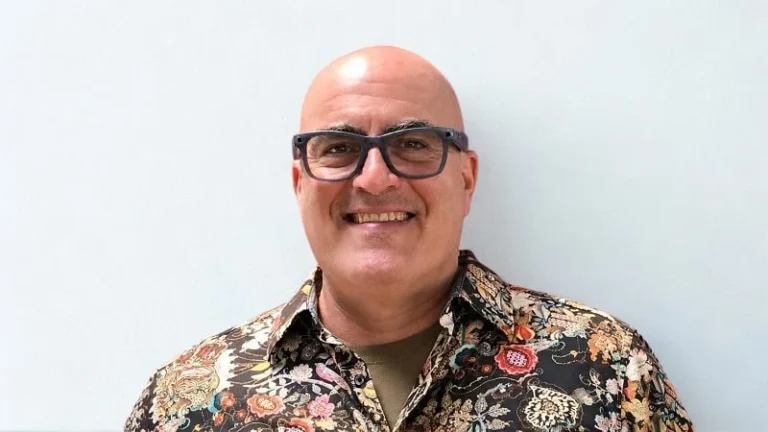
Dan Rootenberg, CEO and co-founder of Spear, articulated the profound significance of this partnership, particularly from a community-centric perspective. "By combining Spear’s award-winning outpatient expertise with NewYork-Presbyterian’s leading experts and comprehensive care, we can better align clinical pathways, expand access to exceptional care, and help more New Yorkers get the right care at the right time," Rootenberg stated. His personal connection to New York, as a "lifelong New Yorker raised in Brooklyn," imbued his remarks with a palpable sense of dedication to improving local healthcare.
Rootenberg’s vision extends beyond mere expansion; it’s about optimizing the entire patient journey. The phrase "better align clinical pathways" speaks to a commitment to standardizing and streamlining treatment protocols, ensuring that patients receive consistent, evidence-based care regardless of where they enter the system. This alignment is crucial for translating the cutting-edge research and clinical excellence of NewYork-Presbyterian into practical, effective outpatient interventions.
The emphasis on "improving value, efficiency, and outcomes" reflects a modern approach to healthcare delivery. "Value" in this context refers to delivering high-quality care at a reasonable cost, avoiding unnecessary procedures, and focusing on interventions that yield the best results. "Efficiency" means reducing wait times, streamlining administrative processes, and ensuring that resources are utilized optimally. Ultimately, these efforts converge on "outcomes," which are the measurable improvements in patient health, function, and quality of life. For Spear, this partnership is an opportunity to amplify its impact, reaching more individuals earlier in their recovery process and providing them with convenient, expert care that translates into tangible health benefits for the broader New York community.
NewYork-Presbyterian’s Commitment to Patient-Centric Care
Dr. Deepa Kumaraiah, executive vice president and chief operating officer at NewYork-Presbyterian, echoed Rootenberg’s sentiments, emphasizing the shared philosophy underpinning the collaboration. "NewYork-Presbyterian and Spear share a commitment to delivering exceptional care that is accessible and convenient for patients," Dr. Kumaraiah affirmed. This statement underscores the foundational alignment of values between the two organizations, focusing squarely on the patient experience.
From NewYork-Presbyterian’s perspective, the partnership is a strategic extension of its mission to provide comprehensive, patient-centered care. By expanding access to physical and occupational therapy, the system can ensure that its patients receive critical follow-up care closer to their homes, which is a major determinant of adherence and success in rehabilitation. "By expanding access to physical and occupational therapy across New York City and Westchester, we can help more patients receive coordinated rehabilitation services closer to home and support them throughout their recovery," she added.
This focus on "coordinated rehabilitation services" is particularly significant. For a large academic medical center like NewYork-Presbyterian, ensuring continuity between inpatient stays, specialist consultations, and ongoing outpatient therapy can be complex. This collaboration provides a structured mechanism to facilitate that coordination, ensuring that patient progress is tracked, communication among providers is seamless, and treatment plans are holistic. It reinforces NewYork-Presbyterian’s dedication to supporting patients through every stage of their recovery journey, from initial diagnosis to full functional restoration, ultimately enhancing the overall quality and efficiency of care within its extensive network.
Broader Implications and Future Outlook
The strategic alliance between NewYork-Presbyterian and Spear is poised to have far-reaching implications, not only for the patients they serve but also for the broader healthcare ecosystem in the New York metropolitan area. It represents a forward-thinking model for integrated healthcare delivery that prioritizes continuity, excellence, and accessibility.
Enhancing the Continuum of Care
One of the most significant implications of this partnership is its profound impact on the continuum of care. Patients often experience fragmentation as they transition from acute hospital care to post-discharge rehabilitation. This collaboration directly addresses this challenge by strengthening connections between NewYork-Presbyterian’s extensive network of specialty care—including its renowned medical schools, Columbia University Vagelos College of Physicians and Surgeons and Weill Cornell Medicine—and Spear’s specialized outpatient rehabilitation services.
The goal is to create a truly "seamless experience" for patients throughout their care journey. This means that a patient recovering from a complex surgery at a NewYork-Presbyterian hospital can transition directly to a Spear facility, where their therapists will have access to their medical records, surgical notes, and physician recommendations. This eliminates delays, reduces the need for patients to repeat their medical history, and ensures that rehabilitation begins precisely where acute care left off. The benefits for patients are substantial: improved adherence to therapy protocols due to convenience and trust, potentially faster recovery times, reduced risk of complications or readmissions, and ultimately, better long-term functional outcomes. It moves beyond episodic treatment to a holistic, continuous approach to patient recovery and well-being.
Professional Development and Clinical Excellence
Beyond direct patient care, the collaboration is set to foster an environment of continuous learning and professional growth. The article explicitly mentions that the partnership will "create opportunities for clinical education and professional development initiatives that support rehabilitation excellence across both organizations." This aspect is crucial for elevating the standard of care in the entire region.
For therapists at Spear, this means access to the latest research, clinical trials, and specialized knowledge emerging from NewYork-Presbyterian’s academic medical centers. They may participate in grand rounds, continuing education programs, and joint research projects. Conversely, NewYork-Presbyterian’s residents and fellows could gain valuable outpatient experience within Spear’s community-based clinics, broadening their understanding of the full spectrum of patient care. This cross-pollination of expertise will facilitate the adoption of best practices, encourage innovative treatment approaches, and ensure that both organizations remain at the forefront of rehabilitation science and practice. It will also serve as a powerful recruitment tool, attracting top talent who are eager to work in an environment committed to ongoing learning and clinical advancement.
A Model for Integrated Healthcare Delivery
The NewYork-Presbyterian and Spear partnership is more than just a localized expansion; it serves as a compelling model for future integrated healthcare delivery. In an increasingly complex healthcare landscape, collaborations that break down traditional silos between acute care, specialty medicine, and outpatient services are essential. This alliance demonstrates how large academic medical centers can partner with specialized outpatient providers to extend their reach and enhance the quality and accessibility of care in the community.
This integrated approach offers a blueprint for other healthcare systems looking to improve continuity of care, optimize resource allocation, and respond effectively to the evolving needs of their patient populations. By prioritizing patient convenience, clinical coordination, and professional development, NewYork-Presbyterian and Spear are setting a high standard for collaborative healthcare. The long-term vision is clear: to create a healthier, more functional community where every New Yorker has timely access to the rehabilitation services they need to live their fullest lives. As the nine new locations become operational in 2026, this landmark partnership is poised to significantly transform the landscape of rehabilitation care, cementing its place as a cornerstone of health and wellness in New York City and Westchester for years to come.
To learn more about this transformative collaboration and the services offered, visit spearcenter.com.