








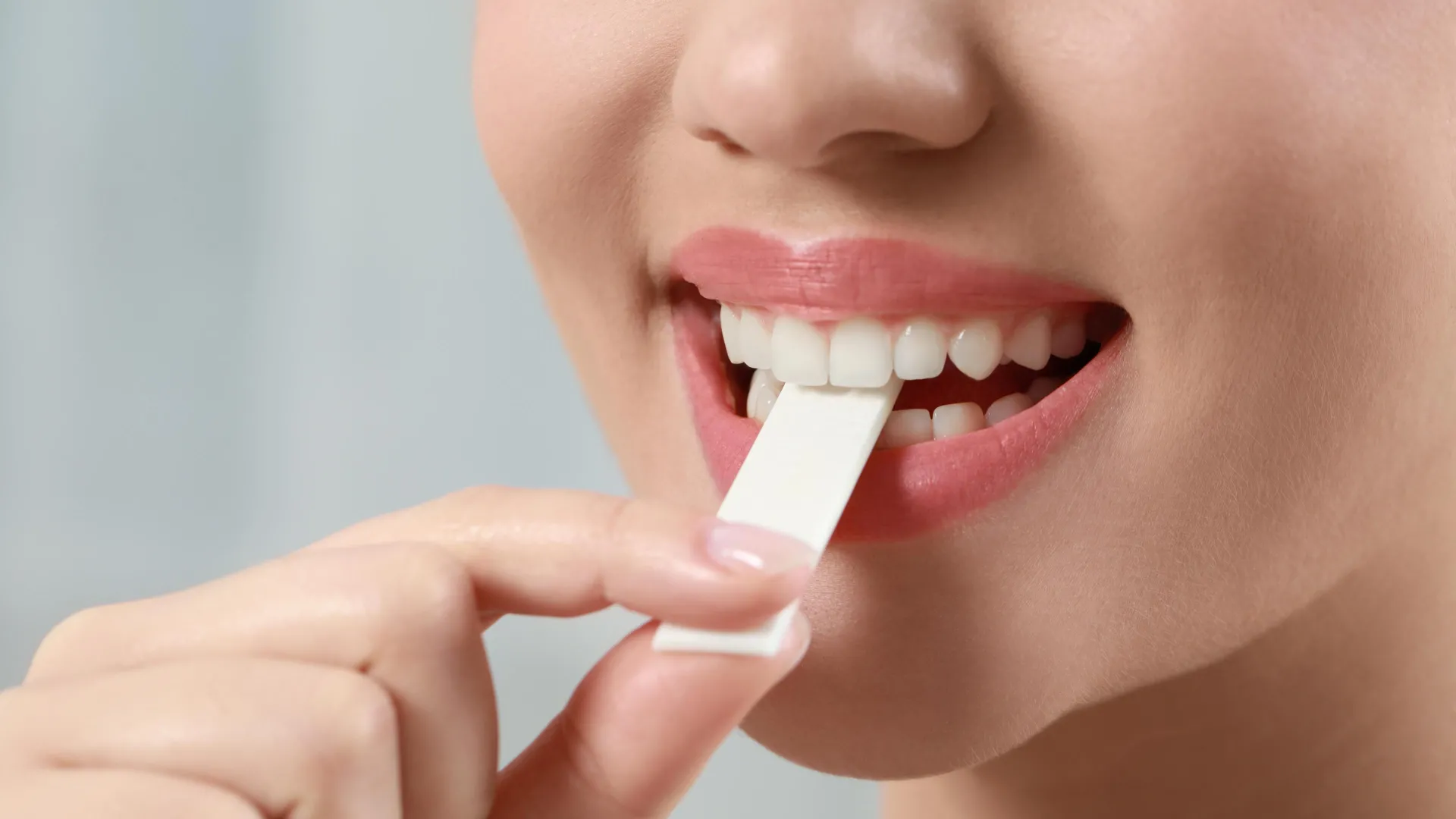
In the quest to combat the rising tide of head and neck squamous cell carcinoma (HNSCC), researchers at the University of Pennsylvania’s School of Dental Medicine have unveiled a surprisingly simple, yet sophisticated, potential weapon: a specially engineered chewing gum. By leveraging plant-based technology to deliver therapeutic proteins directly into the oral cavity, scientists have achieved remarkable results in laboratory settings, successfully suppressing viruses and bacteria closely linked to the development and progression of aggressive oral cancers.
The study, published in Scientific Reports, details how an experimental gum—derived from lablab beans—can neutralize the human papillomavirus (HPV) by up to 93% and nearly eradicate specific harmful bacterial species, all while preserving the delicate balance of the oral microbiome. This development marks a significant departure from traditional, systemic cancer therapies, offering a targeted, cost-effective, and non-invasive approach to managing high-risk oral pathogens.
The Genesis of a Novel Therapeutic Delivery System
The research, led by Henry Daniell, the W.D. Miller Professor in the Department of Basic & Translational Sciences at Penn Dental Medicine, represents the culmination of years of investigation into plant-based protein production. Daniell’s team has long sought ways to utilize botanical systems to manufacture complex proteins that can serve as medical interventions.
The Chronology of Development
The journey toward this innovative gum began with the team’s foundational work on "bean gum," produced using lablab beans engineered to express FRIL, a naturally occurring lectin protein known for its antiviral properties.
- Initial Concept: Scientists hypothesized that by incorporating these therapeutic proteins into a chewing gum matrix, they could create a sustained-release mechanism that saturates the oral environment, targeting pathogens exactly where they reside.
- Validation of Antiviral Potential: In initial trials using saliva and oral rinse samples from patients diagnosed with head and neck cancer, the FRIL-containing gum showed immediate efficacy, slashing HPV levels by 80% to 93%.
- Expansion to Antimicrobial Peptides: Recognizing that viral suppression was only half the battle, the team moved to integrate protegrin—a potent antimicrobial peptide—into the gum. This enhancement was designed to combat specific bacterial "partners in crime" that often exacerbate the survival rates of cancer patients.
- Laboratory Testing: Throughout 2023 and 2024, the team subjected these samples to rigorous benchmarking, ensuring that the therapeutic payload could survive the delivery process and maintain its integrity against various biological variables.
Understanding the Target: Microbes and Malignancy
Head and neck squamous cell carcinoma (HNSCC) is a formidable adversary. It originates in the thin, flat squamous cells lining the mouth and throat. Despite advancements in chemotherapy, radiation, and immunotherapy, the survival rates for patients with advanced HNSCC have remained largely stagnant.
The "Villains" of the Oral Microbiome
Daniell’s team specifically targeted three microorganisms that act as catalysts for cancer progression or poor outcomes:
- Human Papillomavirus (HPV): The global spike in oropharyngeal cancer (cancer of the tonsils and base of the tongue) is inextricably linked to persistent HPV infections.
- Porphyromonas gingivalis (Pg): A notorious pathogen in periodontal disease, Pg has been shown to create an environment that supports tumor growth and metastatic spread.
- Fusobacterium nucleatum (Fn): Like Pg, this bacterium is associated with chronic inflammation and poor survival rates in patients with recurring oral cancers, even after successful surgery.
"The global increase in oropharyngeal cancer is linked to HPV infection," says Daniell. "Furthermore, Pg and Fn infections actively worsen the survival rates of untreated recurrent or metastatic oral cancer, even after surgery and standard adjuvant therapies."
Supporting Data: Precision and Selectivity
One of the most critical challenges in medical treatment is the "collateral damage" caused by broad-spectrum interventions. Traditional radiation therapy, for instance, is notorious for destroying the beneficial oral microbiome, which often leads to secondary infections such as Candida albicans (yeast) outbreaks.
The "Good vs. Bad" Balancing Act
The research yielded a highly encouraging finding: the engineered gum demonstrated a remarkable ability to discriminate between pathogenic and commensal (beneficial) bacteria.
- Targeted Elimination: In laboratory tests, the gum’s protegrin-enhanced formula reduced Pg and Fn populations to near-undetectable levels.
- Microbiome Integrity: Simultaneously, the beneficial bacteria—the natural flora that keeps the oral environment healthy—remained largely unaffected.
This selectivity is a paradigm shift. By maintaining a healthy microbiome, the gum could potentially prevent the common side effects that plague current cancer patients, such as mucositis and secondary infections, while simultaneously suppressing the pathogens that fuel the tumor’s survival.
Official Perspectives and Scientific Implications
The academic community and the research team view these findings as a pivot point for clinical oncology. While the gum is currently in the experimental stage, the implications for future preventative care and adjuvant therapy are profound.
The Case for Clinical Trials
"Our findings support the value of advancing these therapies to clinical trials," Dr. Daniell noted. The research team envisions a dual-use model for the gum:
- As a Prophylactic: For high-risk individuals or those with known HPV exposure, the gum could be used as a simple, affordable, and preventative measure to reduce viral load before an infection can become established.
- As an Adjuvant Therapy: For patients already undergoing treatment for HNSCC, the gum could serve as an essential supplemental therapy, working alongside chemotherapy or radiation to keep the "microbial environment" of the mouth hostile to cancer-promoting bacteria.
Economic and Global Impact
Beyond the clinical benefits, the "bean gum" technology is inherently scalable. Using plants as bioreactors to produce medicinal proteins is significantly more cost-effective than synthetic manufacturing processes. In an era where cancer care costs continue to soar, the ability to distribute a low-cost, shelf-stable, and easy-to-use therapy could have a massive impact on global public health, particularly in regions with limited access to high-end clinical infrastructure.
The Path Ahead: From Laboratory to Patient
While the 93% reduction in HPV and the near-elimination of harmful bacteria in laboratory tests are highly promising, the researchers remain cautious. The transition from in vitro success to human clinical reality involves several critical hurdles.
Necessary Next Steps
- Human Safety and Efficacy: The team must now secure the necessary regulatory approvals and funding to initiate human trials. The primary goal will be to confirm that the proteins remain stable and effective within the actual chemistry of human saliva.
- Standardizing Dosage: Further research is required to determine the optimal frequency of use—how often a patient should "chew" to maintain the therapeutic effect without causing sensitivity or other issues.
- Long-term Monitoring: Scientists need to observe whether this intervention, when used over extended periods, leads to genuine improvements in survival outcomes for cancer patients.
A Measured Outlook
It is important to emphasize that this gum is not a "cure" for cancer in the traditional sense, nor is it a replacement for existing medical treatments. It is an experimental, adjunctive tool. The researchers themselves maintain that there is currently no evidence that chewing the gum will prevent or cure cancer in humans.
However, the innovation serves as a beacon of progress. It demonstrates how "low-tech" delivery systems—like chewing gum—can be combined with "high-tech" molecular biology to address one of the most stubborn challenges in modern medicine. By treating the oral cavity as a dynamic environment that can be actively managed, Dr. Daniell and his team have opened a new front in the war on cancer, proving that sometimes, the most effective medical tools can be found in the most unexpected places.
As the team prepares for the next phase of their study, the medical community will be watching closely. If the results from the laboratory hold true in the clinic, we may soon see a future where a simple, daily ritual becomes a powerful defense against the silent progression of oral pathogens.
Funding and Acknowledgments
This groundbreaking research was supported by the National Institutes of Health (grant 5-R01-HL 107904-13 awarded to Henry Daniell), the Academic Senate Grant of the David Geffen School of Medicine at UCLA, and the National Cancer Institute Cancer Center (Support Grant P30 CA168524). Key contributors included Geetanjali Wakade, Rahul Singh, Smruti Nair (Penn Dental Medicine), Andrés M. Bur, Sufi M. Thomas (University of Kansas Medical Center), Eri S. Srivatsan, Marilene B. Wang (UCLA), and Saroj K. Basak (Veterans Administration Greater Los Angeles Healthcare System).