




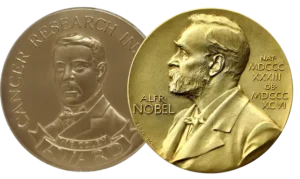

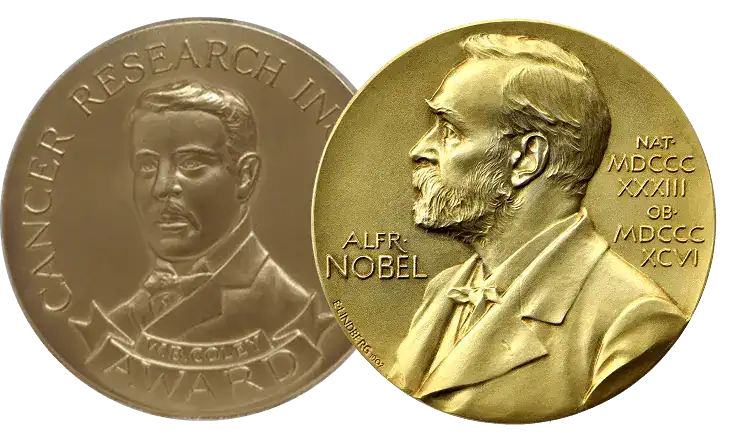
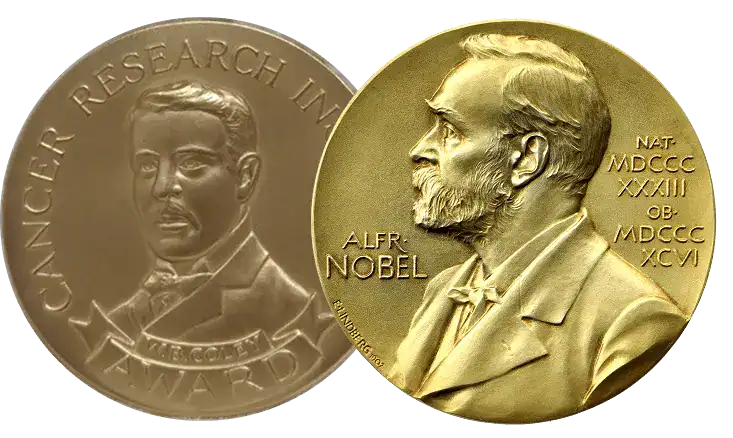
For over half a century, the Cancer Research Institute (CRI) has served as a silent architect of the most significant breakthroughs in modern medicine. Through the William B. Coley Award for Distinguished Research in Basic and Tumor Immunology, the organization has consistently identified the scientific pioneers whose bold, often unconventional ideas have fundamentally transformed our understanding of the human immune system.
The weight of this recognition is best measured by the history that follows it: twelve recipients of the Coley Award have gone on to receive the Nobel Prize, the world’s most prestigious scientific honor. These scientists did not merely observe biology; they reshaped it. Their collective work has revolutionized cancer treatment, pioneered new paradigms in vaccine development, and unlocked the immune system’s latent, astonishing power to heal. This is the story of foresight—of recognizing the brilliance of future legends long before they were celebrated on the world stage.
The Foundation of Discovery: The Coley Legacy
Named in honor of Dr. William B. Coley, the "father of cancer immunotherapy," the CRI’s award serves as a testament to the belief that the immune system is the ultimate weapon against disease. Since its inception, the Institute has functioned not just as an honorary body, but as a strategic catalyst for progress.
When a scientist receives a Coley Award, it is often a signal to the global scientific community that a paradigm shift is underway. From the discovery of the genetic underpinnings of organ rejection to the "un-braking" of T cells to combat metastatic cancer, the history of the Coley Award is, in essence, the history of modern immunology.
A Chronology of Brilliance: The Nobel Laureates
The lineage of the Coley Award is a timeline of human ingenuity. Below are the key figures whose early insights were championed by the CRI and subsequently validated by the Nobel Assembly.
George Snell, PhD (1903–1996)
In 1951, Dr. Snell made the seminal discovery of cell-surface proteins that dictate the immune system’s acceptance or rejection of foreign cells. His work on genetic regulation provided the essential foundation for transplantation medicine. Recognized by the CRI in 1978, he was awarded the Nobel Prize in 1980, cementing his legacy in histocompatibility and tumor immunology.
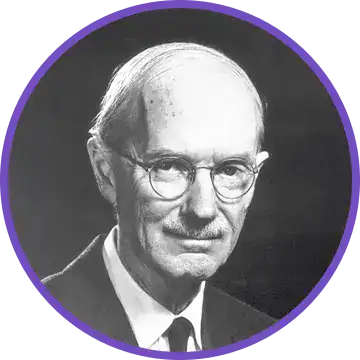
Rolf Zinkernagel, MD, PhD
Dr. Zinkernagel’s 1973 discovery revealed how T cells differentiate between infected cells and healthy ones—a cornerstone of the adaptive immune response. His work on the Major Histocompatibility Complex (MHC) became a pillar of modern vaccine design. Following his 1987 Coley Award, he was honored with the Nobel Prize in 1996.
Ralph Steinman, MD (1943–2011)
Perhaps one of the most influential discoveries in the history of immunology was Dr. Steinman’s 1973 identification of dendritic cells. These "messengers" are the sentinels that activate the immune response. Despite the tragic timing of his Nobel Prize (awarded posthumously in 2011), his work continues to guide current clinical trials in immunotherapy worldwide.
Sir Gregory Winter, PhD
By leveraging the power of bacteriophages to evolve new proteins, Sir Gregory revolutionized antibody engineering. His 1985 discovery paved the way for therapeutics that neutralize toxins and combat autoimmune disease. The Nobel Committee recognized his contributions to chemistry in 2018, nearly two decades after his Coley Award.
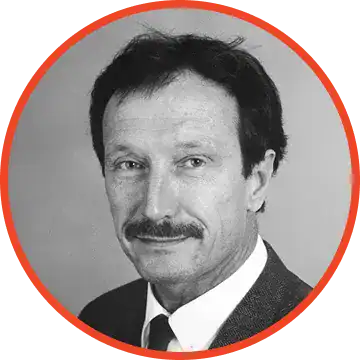
Jules Hoffmann, PhD
Dr. Hoffmann’s 1996 discovery of the Toll receptor in fruit flies shifted our understanding of innate immunity. By characterizing how the body detects infection, he provided the framework for studying immunity across all species. He received the Nobel Prize in 2011, eight years after his CRI recognition.
Shimon Sakaguchi, MD, PhD
The "peacekeepers" of the immune system, regulatory T cells (Tregs), were characterized by Dr. Sakaguchi in 1995. His work explained how the body maintains immune balance, a discovery that has become critical for developing safer, more precise cancer therapies. He was awarded the Nobel Prize in 2025, validating a lifetime of dedication to immune tolerance.
James P. Allison, PhD
Dr. Allison is perhaps the most visible face of the modern immunotherapy revolution. His 1994 discovery of CTLA-4—the "brake" on T cells—led directly to the development of the first FDA-approved checkpoint inhibitor, ipilimumab. His journey from the 2005 Coley Award to the 2018 Nobel Prize represents the pinnacle of turning basic research into life-saving clinical reality.
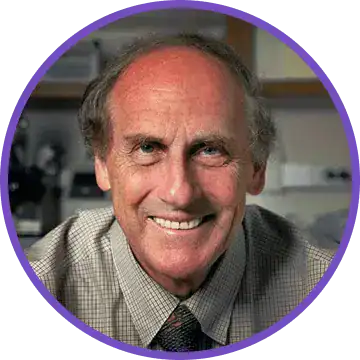
Harald zur Hausen, MD (1936–2023)
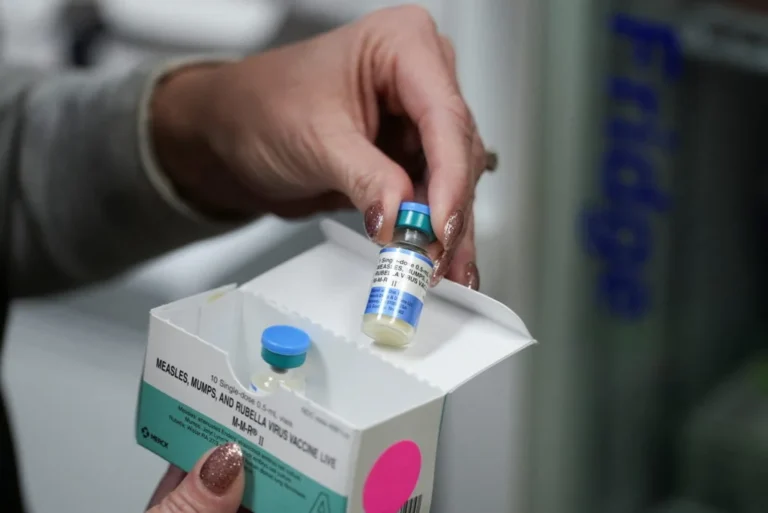
In 1983, Dr. zur Hausen identified that human papillomavirus (HPV) was the primary cause of cervical cancer. This revelation led to the development of a vaccine that has since saved millions of lives. He received the Nobel Prize in 2008, following his 2006 Coley Award.
Bruce Beutler, MD
Dr. Beutler uncovered the sensor mechanism of the innate immune system—specifically Toll-like receptor 4 (TLR4). His 1998 discovery remains fundamental to understanding inflammation. He was honored with the Nobel Prize in 2011, five years after his Coley Award.
Tasuku Honjo, PhD
The discovery of the PD-1 protein, which operates as an immune checkpoint, earned Dr. Honjo his 2018 Nobel Prize. His 1992 discovery provided the second major "brake" in the immune system, creating a new generation of cancer therapies that have become a standard of care for patients with previously untreatable tumors.
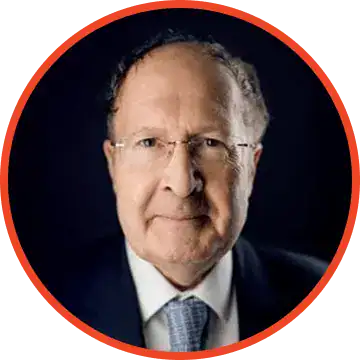
Drew Weissman, MD, PhD, and Katalin Karikó, PhD
The most recent recipients on this list, these scientists revolutionized mRNA delivery. Their 2005 work, recognized by the CRI in 2021, paved the way for the rapid development of COVID-19 vaccines and holds massive potential for future cancer vaccines and HIV treatments. They received the Nobel Prize in 2023.
Supporting Data and Scientific Impact
The impact of these discoveries is not merely academic; it is measurable in clinical outcomes. Data from the last three decades shows that the field of cancer immunotherapy—a field the CRI helped nurture from its infancy—has increased the survival rates for patients with stage IV melanoma, non-small cell lung cancer, and various hematologic malignancies.
The "Coley Effect" is a recognized phenomenon in the life sciences: when the Institute recognizes a researcher, they are usually at the precipice of a major technological jump. The transition from bench to bedside, as seen in the work of Allison and Honjo, has shortened the development cycle for drugs that now represent a multi-billion-dollar therapeutic market, but more importantly, a lifeline for thousands of patients.
Perspectives from the Field
Leadership within the scientific community often points to the CRI’s Scientific Advisory Council as the engine behind these selections. Members, including laureates like Dr. Zinkernagel and Dr. Sakaguchi, maintain that the Institute’s success is rooted in its refusal to follow trends. Instead, the CRI focuses on "high-risk, high-reward" basic science.
"The CRI doesn’t look for the popular discovery," noted a prominent immunologist. "They look for the foundational discovery. They understand that a protein identified in a fruit fly today might be the target for a human cancer drug tomorrow."
Future Implications: Beyond the Horizon
As we look toward the next fifty years, the mission of the Cancer Research Institute remains constant. The integration of artificial intelligence into immunological research, the rise of personalized neoantigen vaccines, and the refinement of CAR-T cell therapies all represent the next frontier.

The legacy of the Coley Award is a reminder that the most radical breakthroughs often begin as obscure questions. By fostering an environment where scientists are encouraged to challenge the status quo, the CRI ensures that the next generation of Nobel laureates is already at work in laboratories around the globe. Whether it is through the study of microbial immunity or the complex interplay of the tumor microenvironment, the path to curing cancer is being paved by the pioneers the CRI chooses to support today.
Ultimately, the Institute’s story is one of optimism. It is the story of a scientific community that dares to believe the immune system can be harnessed to end cancer, and the persistent, decades-long work required to make that vision a reality. As the history of these twelve Nobel laureates demonstrates, when you back the right visionaries, you don’t just record history—you change it.