









For the 98 million Americans—roughly one in three adults—currently living with prediabetes, the path forward often feels like a narrow tightrope. Prediabetes, a condition characterized by elevated blood sugar levels that have not yet crossed the threshold for a type 2 diabetes diagnosis, serves as a critical warning sign from the body. While the conventional medical advice focuses heavily on weight loss and strict caloric restriction, new research from the Illinois Institute of Technology (Illinois Tech) offers a more nuanced, "food-first" perspective: the secret to improved heart health may not be eating less, but rather eating more of the right things.
A groundbreaking eight-week study published in the Journal of the American Heart Association suggests that the simple daily addition of fresh mango and Hass avocado can significantly enhance cardiovascular function. The findings provide a compelling argument for the power of nutrient density, demonstrating that participants could improve their blood vessel flexibility and blood pressure without the need for radical weight-loss regimens or calorie counting.
The Core Findings: A Shift in Cardiovascular Metrics
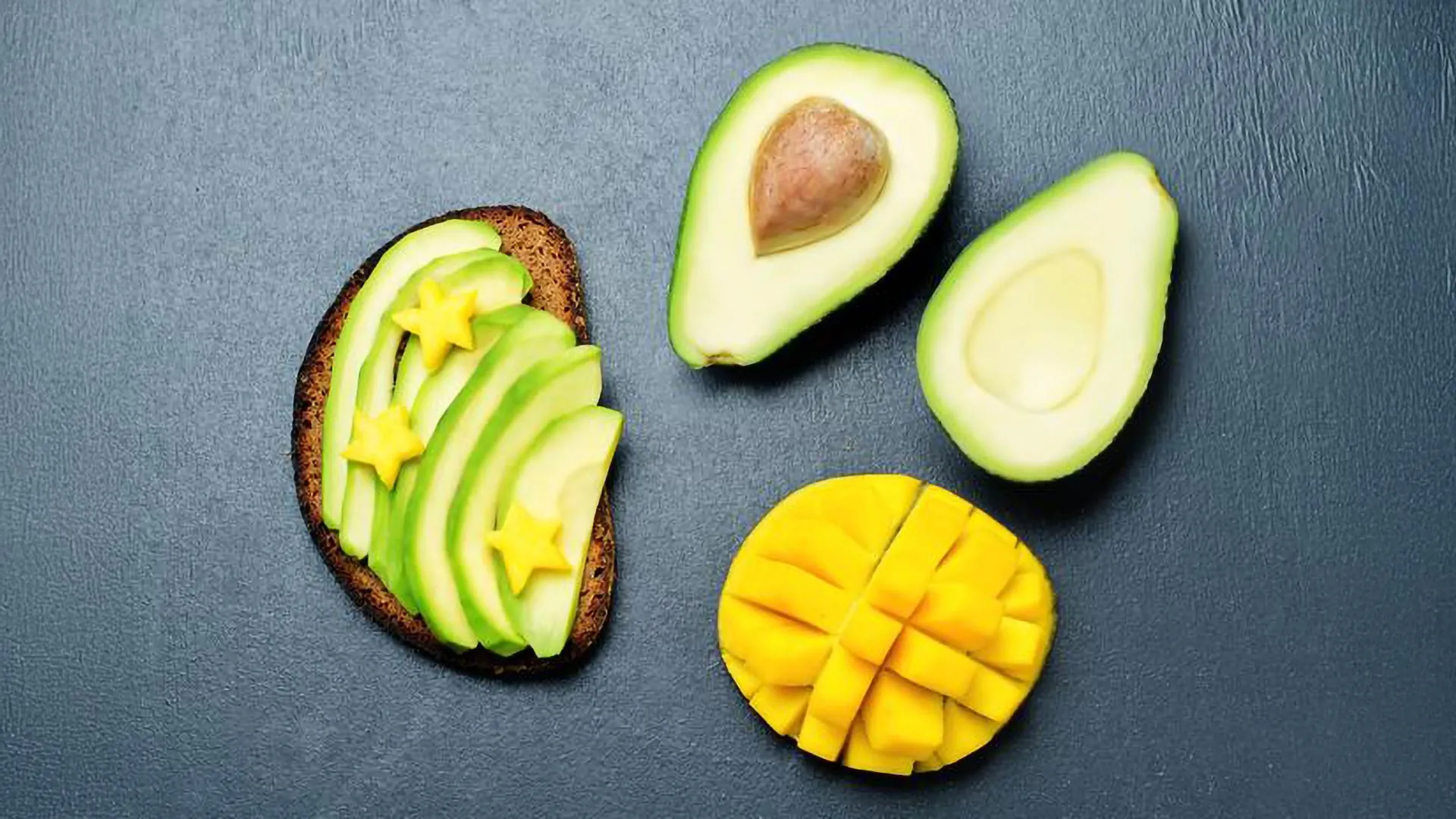
The study, which monitored 82 adults between the ages of 25 and 60, centered on the biological impact of replacing carbohydrate-heavy snacks with a daily regimen of one medium Hass avocado and one cup of fresh mango. The results were stark, particularly when measuring "flow-mediated dilation" (FMD).
FMD is a non-invasive, highly sensitive test used by cardiologists to evaluate endothelial function. The endothelium is the thin, vital layer of cells lining the interior of blood vessels; when it functions correctly, it allows vessels to expand and contract efficiently, regulating blood flow and pressure. In the study, the group consuming the mango and avocado saw their FMD measurement rise to 6.7%, a significant improvement in vascular health. Conversely, the control group, which consumed calorie-equivalent carbohydrate snacks, saw their FMD drop to 4.6%.
Beyond vessel flexibility, the study noted a positive shift in blood pressure, specifically among male participants. While those in the control group experienced an average increase of 5 mmHg in central blood pressure, the fruit-supplemented group saw an average reduction of 1.9 mmHg. While these numbers may seem modest to the layperson, they represent clinically meaningful changes that, if sustained, could significantly reduce the long-term strain on the cardiovascular system.
Chronology: A Controlled Scientific Journey
The research was structured to ensure that the findings were a result of the fruit intake rather than extraneous lifestyle variables. The eight-week duration was carefully curated to observe both short-term physiological shifts and the consistency of the dietary intervention.
Phase 1: Recruitment and Baseline Assessment
Researchers selected 82 participants, all of whom had been diagnosed with prediabetes and fell into the "overweight" or "obese" categories (BMI 25–35 kg/m²). To ensure the integrity of the data, the study excluded smokers and individuals with pre-existing chronic conditions that might interfere with cardiovascular results.
Phase 2: The Controlled Feeding Protocol
Unlike many nutritional studies that rely on self-reporting, this investigation employed a rigorous feeding approach. Researchers provided 75% of each participant’s daily caloric needs for the duration of the eight weeks. This allowed the team to precisely control the nutritional intake of the experimental group (those eating the mango/avocado combination) and the control group (those eating carbohydrate-based alternatives). By standardizing the diet, the scientists could isolate the effects of the specific micronutrients found in the two fruits.
Phase 3: Post-Intervention Analysis
At the end of the eight-week period, the team conducted a battery of tests. These included repeat FMD testing, blood pressure monitoring, and analysis of metabolic markers, including cholesterol, blood sugar levels, and kidney filtration rates. The results were then compared against the baseline data collected before the intervention began.
Supporting Data: The Synergy of Fiber, Fats, and Antioxidants
Why do mangoes and avocados specifically work so well together? The researchers hypothesize that it is the combination of their complementary nutrient profiles that drives these cardiovascular improvements.
- Avocados: A powerhouse of heart-healthy nutrition, a 50-gram serving (about one-third of a medium fruit) provides roughly 3 grams of fiber, 6 grams of unsaturated fats, and 250 mg of potassium. The monounsaturated fats are critical, as they help manage LDL cholesterol levels, while potassium is a well-documented vasodilator, essential for maintaining healthy blood pressure levels.
- Mangoes: A three-quarter-cup serving offers 2 grams of fiber and an impressive 50% of the recommended daily value of Vitamin C. As an antioxidant, Vitamin C is instrumental in neutralizing oxidative stress, which can otherwise damage the lining of the blood vessels.
The study also observed an improvement in estimated glomerular filtration rate (eGFR), a key marker of how effectively the kidneys filter waste from the blood. This suggests that the systemic benefits of the fruit combination extend beyond the heart and arteries, potentially impacting overall metabolic health.
Interestingly, while the fruits improved blood vessel function and blood pressure, they did not lead to significant changes in cholesterol, blood sugar, or inflammation markers compared to the control group. This indicates that while the "heart-vessel" benefits are substantial, the fruits should be viewed as one component of a holistic approach to diabetes management rather than a standalone cure-all.
Official Responses and Expert Perspective
The principal investigator of the study, Dr. Britt Burton-Freeman, a professor at the Illinois Institute of Technology, emphasized the accessibility of the results. "This research reinforces the power of food-first strategies," Dr. Burton-Freeman noted. "It’s an encouraging message: small, nutrient-dense additions—like incorporating avocado and mango into meals and snacks—may support heart health without the need for strict rules or major dietary overhauls."
Dr. Burton-Freeman’s perspective aligns with a growing movement in nutritional science that discourages "diet culture" and emphasizes "additive nutrition." By focusing on what people can add to their plates—rather than what they must subtract—patients are statistically more likely to adhere to healthy habits over the long term.
The study was supported by an unrestricted grant from the National Mango Board (NMB) and the Hass Avocado Board (HAB). In the interest of scientific transparency, it is noted that these organizations played no role in the study design, the execution of the experiments, or the interpretation of the data.
Practical Implications: How to Implement the Findings
The beauty of these findings lies in their simplicity. Incorporating these fruits does not require a culinary degree or a complex meal plan. Because mangoes provide a sweet, vibrant profile and avocados offer a creamy, savory texture, they are highly versatile in the American kitchen.
Dietary Integration Strategies:
- Breakfast Smoothies: Blend a cup of mango with half an avocado for a creamy, fiber-rich start to the day.
- Savory Bowls: Incorporate both fruits into grain bowls with quinoa, black beans, and lime juice.
- The "Topper" Method: Use slices of avocado and cubed mango as a topping for lean proteins like grilled chicken, fish, or tofu.
- Ceviche Variations: Swap traditional ingredients for a mango-avocado-tuna ceviche to leverage both the flavor profile and the cardiovascular benefits simultaneously.
Limitations and Future Research
While the results are undeniably promising, the research team remains cautious. As with any clinical study, there are limitations. The eight-week timeframe, while sufficient to see changes in endothelial function, is not long enough to determine if these benefits hold steady over years. Furthermore, because the study focused specifically on a population with prediabetes and overweight/obesity, it is unclear if the results would be identical for individuals with different health profiles.
Most importantly, the study measured indicators of health—not hard clinical outcomes. It measured the likelihood of heart health, but it did not measure the actual incidence of heart attacks or strokes. To confirm these findings, the medical community will need larger, long-term longitudinal studies that track participants over years rather than weeks.
Conclusion: A Step Toward Preventive Nutrition
The research conducted at Illinois Tech serves as a reminder that the human body is remarkably responsive to the quality of the fuel it receives. For the millions of Americans navigating the challenges of prediabetes, the prospect of improving vascular health through whole, accessible foods like mango and avocado is a welcome development.
By prioritizing nutrient density and focusing on the physiological synergy of fiber, healthy fats, and antioxidants, individuals can take proactive steps toward protecting their cardiovascular future. As we continue to refine our understanding of how specific foods interact with our metabolic systems, studies like this confirm that the most effective medicine is often found in the produce aisle, not the pharmacy.