









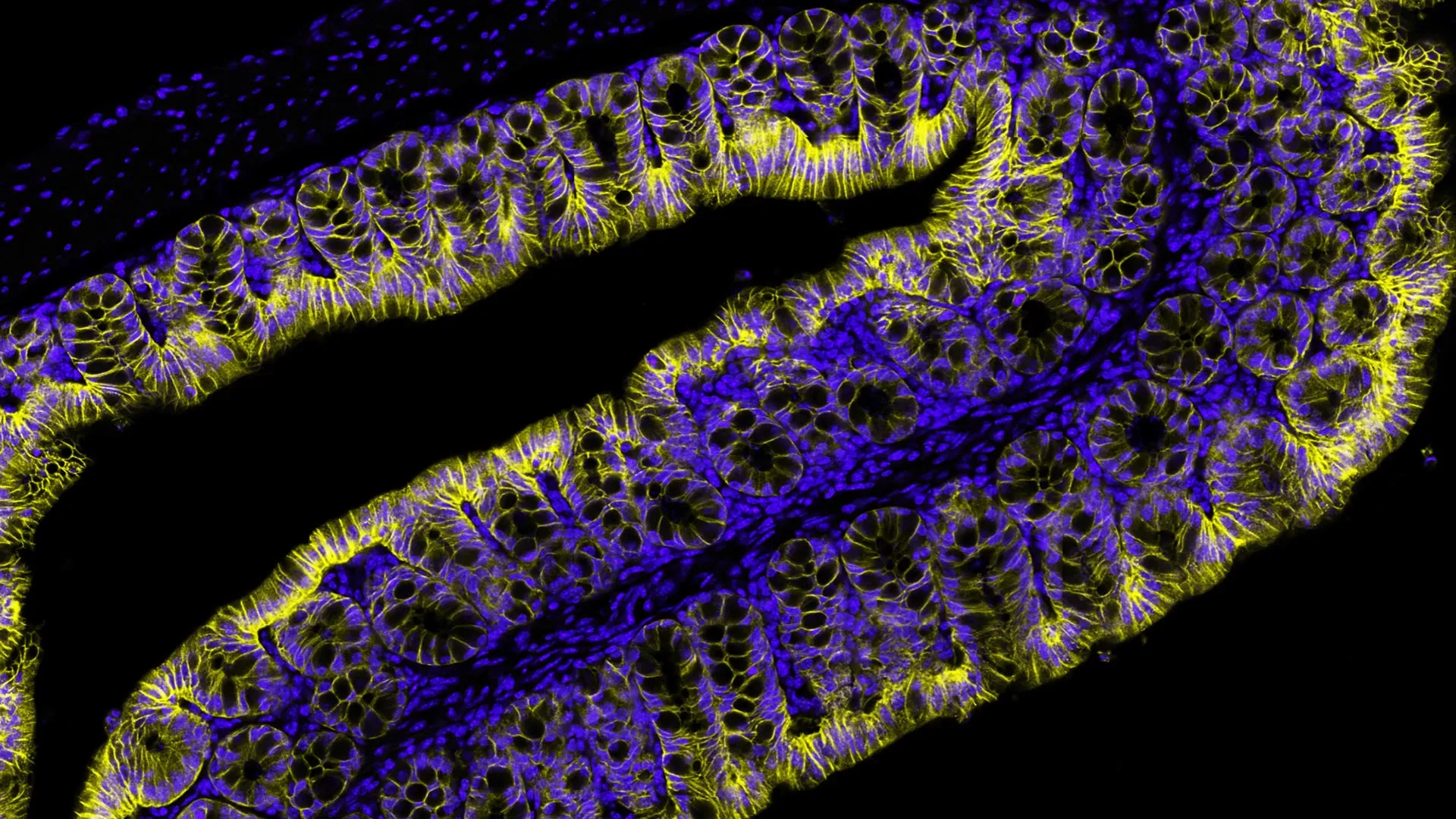
In the complex ecosystem of the human digestive tract, a microscopic “dance” between bacteria, immune molecules, and intestinal cells is constantly unfolding. For decades, scientists have recognized the presence of Immunoglobulin A (IgA)—an antibody found in vast quantities throughout the gut—primarily as a frontline defense against pathogenic microbes. However, groundbreaking new research from Rockefeller University has revealed that this molecule plays a far more profound and unexpected role: it acts as a biological "brake" on the uncontrolled cell division that precedes colon cancer.
This discovery, recently published in the journal Nature, offers a radical shift in how we understand cancer prevention. Rather than focusing on the destruction of established tumors, this research illuminates how our own immune system maintains the homeostatic balance of the intestinal lining, potentially offering a new frontier for preventative medicine.
The Core Discovery: A Molecular Check on Proliferation
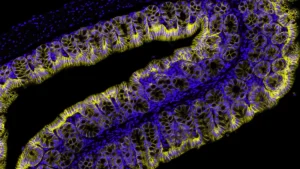
The human colon is lined with epithelial cells that must regenerate constantly to maintain a protective barrier against the external environment. This renewal process is essential for health, but it carries an inherent risk: if the signals regulating this division go awry, cells can begin to multiply uncontrollably, setting the stage for tumor formation.
The team at Rockefeller University, led by senior author Daniel Mucida, identified that IgA is not merely a passive guardian against infection. Instead, it interacts directly with a surface receptor on intestinal cells known as DMBT1. When IgA binds to this receptor, it effectively restrains the signaling pathways that trigger cell proliferation. In the absence of this antibody, the "brake" is removed, allowing intestinal cells to divide at an accelerated rate—a precursor to the development of colorectal tumors.
Chronology of the Research
The path to this discovery was paved by years of inquiry into the unique immunological landscape of the digestive system.
- Initial Observations: For decades, immunologists have known that the intestines contain higher concentrations of IgA than any other part of the body. While its role in neutralizing pathogens was well-established, the "why" behind its sheer abundance remained a subject of intense academic debate.
- Formulating the Hypothesis: Gregory Donaldson, then a postdoctoral researcher at Rockefeller, began investigating the relationship between IgA, the gut microbiome, and colorectal cancer. Knowing that IgA deficiency affects approximately 1 in 500 people and correlates with higher cancer rates, Donaldson sought to determine if the antibody’s role in shaping the microbiome was linked to tumor suppression.
- Controlled Experiments: The team utilized mouse models to compare subjects with normal IgA levels against those entirely lacking the antibody. By housing these groups together, they ensured that environmental variables like diet and microbial exposure remained constant, isolating the variable of the antibody itself.
- The Turning Point: The results were startling. Mice lacking IgA developed more than twice as many colon tumors as their counterparts. When the researchers administered oral IgA to the deficient mice, the heightened tumor susceptibility was effectively reversed.
- Defining the Mechanism: Following the confirmation of the protective effect, the team shifted to a cellular level. Working with Gabriella Lima dos Reis, they identified DMBT1 as the key receptor. They discovered that while bacteria trigger DMBT1 to promote healthy cell renewal, IgA acts as a crucial regulator to ensure that this renewal does not spiral into overgrowth.
Supporting Data and Experimental Evidence
The evidence presented by the Rockefeller team is robust, spanning multiple experimental models of colon cancer. The consistency of the results across these models suggests that the IgA-DMBT1 pathway is a fundamental component of gut health.
The Impact of Deficiency
The data revealed that the lack of IgA created a "pro-tumorigenic" environment even before visible tumors appeared. Gene activity associated with rapid cell proliferation was significantly elevated in IgA-deficient mice, confirming that the antibody influences the early, molecular stages of cancer development.
Reversibility and External Administration
Perhaps the most compelling evidence was the ability to "rescue" the phenotype. By providing IgA orally, researchers were able to restore the regulatory balance in the intestines of deficient mice. This proves that the presence of the antibody is a direct, causal factor in preventing tumor formation, rather than a side effect of a generally healthy immune system.
The Role of the Microbiome
The research further clarified that the protective effect is contingent upon the presence of intestinal bacteria. In a germ-free environment, the DMBT1 receptor remains inactive, meaning that the "danger" of uncontrolled growth is essentially a byproduct of the interaction between the immune system and the microbial community. IgA’s role, therefore, is to mediate this interaction, ensuring the body benefits from the microbiome without suffering from the cellular overstimulation it can induce.
Official Perspectives: Shifting the Paradigm
The research team emphasizes that this discovery marks a departure from traditional oncology. Senior author Daniel Mucida, who leads the Laboratory of Mucosal Immunology at Rockefeller, highlights the unique nature of this finding.
“One intriguing aspect of this work is that it shows how a natural defense in the gut restrains the cell division that can lead to cancer,” says Mucida. “Most cancer research focuses on trying to destroy a tumor that already exists, but what if we could intervene before tumors form?”
Dr. Gregory Donaldson, now an assistant professor at UCLA, echoes this sentiment, pointing toward the potential for future clinical applications. “We know that having polyps increases your chances of getting colon cancer, so we think that there could be an opportunity to target this pathway after polyps are removed. Right now, there are no interventions available at that point.”
The researchers are cautious, however, noting that while the results in mice are conclusive, translating these findings to human clinical practice requires significant further investigation.
Implications for Future Medicine
The identification of the IgA-DMBT1 axis opens several doors for the future of preventative gastroenterology and oncology.
1. Novel Preventative Interventions
Currently, the standard of care for colon cancer prevention involves surveillance (colonoscopies) and the surgical removal of polyps. There is a "gap" in treatment for patients who have had polyps removed but are still at high risk for recurrence. The ability to pharmacologically or biologically support the IgA-DMBT1 pathway could provide a secondary line of defense that keeps the intestinal lining in a homeostatic state.
2. Probiotic Advancements
The team suggests that the future of probiotics might move beyond simply introducing "good" bacteria. Instead, the focus could shift toward developing supplements designed to stimulate the body’s own production of IgA. By encouraging the immune system to ramp up its natural regulatory defenses, it may be possible to create a more resilient gut environment.
3. Understanding IgA Deficiency
For the 1 in 500 individuals living with IgA deficiency, this research provides a long-awaited mechanistic explanation for their increased susceptibility to colorectal cancers. It provides clinicians with a clearer picture of the biological risks associated with this condition, potentially leading to more personalized screening protocols.
4. Re-evaluating the Microbiome
While much of the media discourse around the microbiome focuses on “bad” bacteria that cause inflammation and disease, this research highlights the importance of the cooperative nature of the gut. It reinforces the idea that the microbiome is not inherently a threat, but a complex, symbiotic system that requires the immune system to function as a moderator.
Conclusion: A New Frontier in Homeostasis
The "dance" between our immune system and our microbial residents is far more intricate than previously imagined. By uncovering how IgA acts as a mechanical and molecular brake on cell division, the researchers at Rockefeller University have provided a foundational piece of the puzzle regarding how the body maintains the integrity of the digestive tract.
While we are likely years away from seeing "IgA-based therapies" in the clinic, the implications of this study are profound. It suggests that the most effective way to combat cancer may not be to wage war on the tumor, but to empower the body’s innate ability to maintain its own health. As Mucida notes, the study is a reminder that there is still much to learn about the inner workings of the gut, but with every discovery, we move closer to a future where cancer might be intercepted long before it has the chance to take hold.