








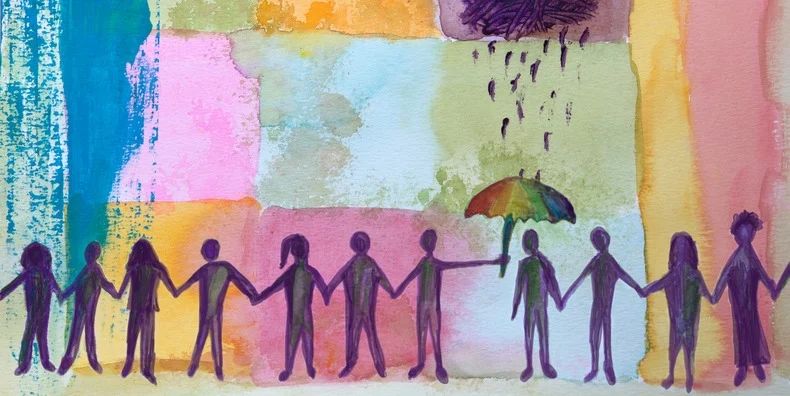
Living with bipolar disorder—a chronic brain disorder characterized by intense shifts in mood, energy, and activity levels—requires more than just clinical intervention. While medication and psychotherapy form the bedrock of treatment, the "social architecture" of recovery is often built through peer support, education, and community advocacy.
Finding the right support network can mean the difference between isolation and empowerment. Today, a robust ecosystem of national and international organizations offers a lifeline to the millions of individuals diagnosed with bipolar I, bipolar II, and cyclothymia, as well as their caregivers.
Main Facts: The Pillars of Bipolar Support
The landscape of mental health support is divided into several specialized categories, ranging from peer-led grassroots organizations to high-level clinical research institutions. Understanding the core mission of each is essential for tailoring a personal recovery plan.
1. The Depression and Bipolar Support Alliance (DBSA)
The DBSA is perhaps the most specialized national organization for mood disorders. Unlike broader mental health groups, the DBSA focuses exclusively on depression and bipolar disorder. Their model is built on "lived experience," meaning their support groups are led by peers who have navigated the same highs and lows as the participants.
- Key Offerings: Peer-led meetings, wellness tools, and specialized groups for specific demographics, including the LGBTQ+ community, veterans, and young adults.
2. National Alliance on Mental Illness (NAMI)
As the nation’s largest grassroots mental health organization, NAMI provides a broad safety net. While not bipolar-specific, its "NAMI Connection" groups offer a structured, confidential environment for adults living with any mental health condition. NAMI is particularly noted for its heavy emphasis on family support and legislative advocacy.
3. International Bipolar Foundation (IBPF)
The IBPF serves as a global clearinghouse for educational content. Eschewing the physical chapter model used by NAMI or DBSA, the IBPF focuses on digital accessibility, offering free books (such as Healthy Living With Bipolar Disorder), webinars featuring world-class clinicians, and an expansive blog network.
4. Mental Health America (MHA)
Founded on the principle of prevention and early intervention, MHA provides critical "front-end" services. Their online screening tools are often the first point of contact for individuals questioning their symptoms. They also host the "Inspire" platform, a moderated virtual community for peer-to-peer connection.
Chronology: The Evolution of Mental Health Advocacy
The availability of these resources is the result of over a century of evolving attitudes toward psychiatric care.
- The Early 20th Century (The Reform Era): In 1909, Clifford W. Beers founded what would become Mental Health America. Having experienced the cruelty of "insane asylums" firsthand, Beers launched the mental hygiene movement, shifting the focus from custodial confinement to prevention and community care.
- The 1970s (The Grassroots Revolution): The National Alliance on Mental Illness (NAMI) was born in 1979 when a small group of families gathered in a kitchen in Madison, Wisconsin. They were tired of the "refrigerator mother" myths and the blame placed on families for psychiatric conditions. This marked the beginning of family-based advocacy.
- The 1980s (The Rise of Peer Support): The DBSA (originally the National Depressive and Manic-Depressive Association) was established in 1986. This era saw the "Consumer Movement," where patients reclaimed their agency, insisting that those with lived experience were uniquely qualified to support one another.
- The 21st Century (The Digital Frontier): The last two decades have seen the internationalization of support. Organizations like the IBPF (founded in 2007) and the proliferation of online platforms like ShareWell have democratized access, allowing a person in a rural area to attend a specialized Bipolar 2 support group in a major city via video conference.
Supporting Data: The Impact of Community and Research
Research indicates that while support groups are not a substitute for medication, they significantly improve "recovery capital"—the internal and external resources a person can tap into to stay well.
The Longitudinal Perspective
The Heinz C. Prechter Bipolar Research Program at the University of Michigan represents the gold standard in data collection. Their Longitudinal Study of Bipolar Disorder—the largest of its kind in the U.S.—has tracked over 1,500 participants for years. This data helps researchers understand how sleep patterns, genetics, and environmental stressors trigger episodes, leading to more personalized "precision medicine" approaches.
Efficacy of Peer Support
A scoping review published in the journal Bipolar Disorders examined the role of peer-led interventions. While clinical data on "relapse prevention" remains mixed, the data consistently shows improvements in:
- Social Isolation: Significant reduction in the "loneliness epidemic" among psychiatric patients.
- Empowerment: Increased confidence in navigating the healthcare system and adhering to treatment plans.
- Knowledge: Better understanding of symptom management and self-help strategies.
The Diagnostic Standard
The American Psychiatric Association (APA) maintains the DSM-5-TR, the clinical "bible" used to categorize bipolar disorders. Data from the APA suggests that the average delay between the onset of symptoms and a correct diagnosis is nearly ten years. Support organizations play a critical role in shortening this gap through public education and screening tools.
Official Responses: Clinical vs. Peer Perspectives
There is a necessary distinction between clinical treatment and peer support, a boundary emphasized by both medical professionals and advocacy leaders.
The Clinical Position (NIMH and APA)
The National Institute of Mental Health (NIMH) and the APA maintain that bipolar disorder is a chronic medical condition requiring biological and psychological intervention. Their official stance is that support groups are "adjunctive."
- Psychiatry: Focuses on neurobiology, pharmacogenomics (how genes affect drug response), and symptom stabilization.
- Therapy: Focuses on Cognitive Behavioral Therapy (CBT) or Interpersonal and Social Rhythm Therapy (IPSRT) to manage the psychological impacts of the disorder.
The Peer Position (DBSA and NAMI)
Advocacy leaders argue that clinical care often overlooks the "human" element of the disorder. Their response to the medical model is that "stability is not the same as wellness." Peer groups provide the empathy that a 15-minute psychiatric med-check cannot offer. They provide a space to discuss the stigma of disclosure at work, the strain on romantic relationships, and the grief of lost time during depressive episodes.
Implications: Choosing the Right Path to Recovery
The diversity of available support means that individuals must be discerning about which environment best suits their current phase of recovery.
Choosing Between Peer-Led and Professionally Led
- Peer-Led (DBSA/NAMI): Best for those seeking validation, shared experiences, and low-cost/free community. These are not therapy sessions; they are "mutual aid" meetings.
- Professionally Led (Group Therapy): Best for those needing clinical intervention. Led by licensed psychologists, these groups use evidence-based protocols to change behavioral patterns and usually involve insurance or out-of-pocket costs.
The Role of Family and Caregivers
Bipolar disorder is often described as a "family illness" because of its impact on the household. The implications for caregivers are profound:
- NAMI Family-to-Family: An eight-session program that has been shown to reduce caregiver burden and increase coping skills.
- HIPAA Challenges: For parents of adult children, privacy laws can create barriers. Organizations like Families for Depression Awareness provide the "official response" to these hurdles, teaching parents how to support an adult child’s autonomy while remaining a safety net.
Digital Safety and Privacy
As support moves online, the implications for privacy have grown. Established organizations (MHA, DBSA) use moderated platforms with clear codes of conduct. In contrast, informal social media groups (Facebook, Reddit) offer immediate connection but carry risks of misinformation and "trauma dumping" without professional moderation. Experts recommend looking for groups with "active moderation" and clear privacy policies before sharing sensitive health information.
Conclusion: Integration as the Ultimate Strategy
The most successful recovery models for bipolar disorder are holistic. They integrate the rigorous scientific research of the NIMH, the diagnostic standards of the APA, and the specialized clinical care of institutions like the Mayo Clinic with the community-driven empathy of DBSA and NAMI.
Peer support is not a replacement for a psychiatrist, but it is a vital component of a sustainable life. By engaging with these organizations, individuals with bipolar disorder move from being passive recipients of medical treatment to active participants in a global community of resilience.
Emergency Crisis Resources
If you are in immediate distress, please contact these services:
- 988 Suicide & Crisis Lifeline: Call or text 988 (USA and Canada).
- Crisis Text Line: Text HOME to 741741.
- Emergency Services: Call 911 (USA) or 999 (UK) if there is an immediate threat to life.