





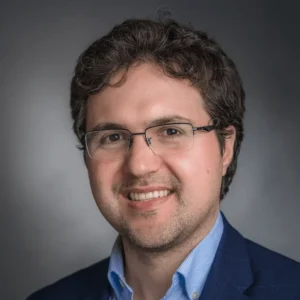

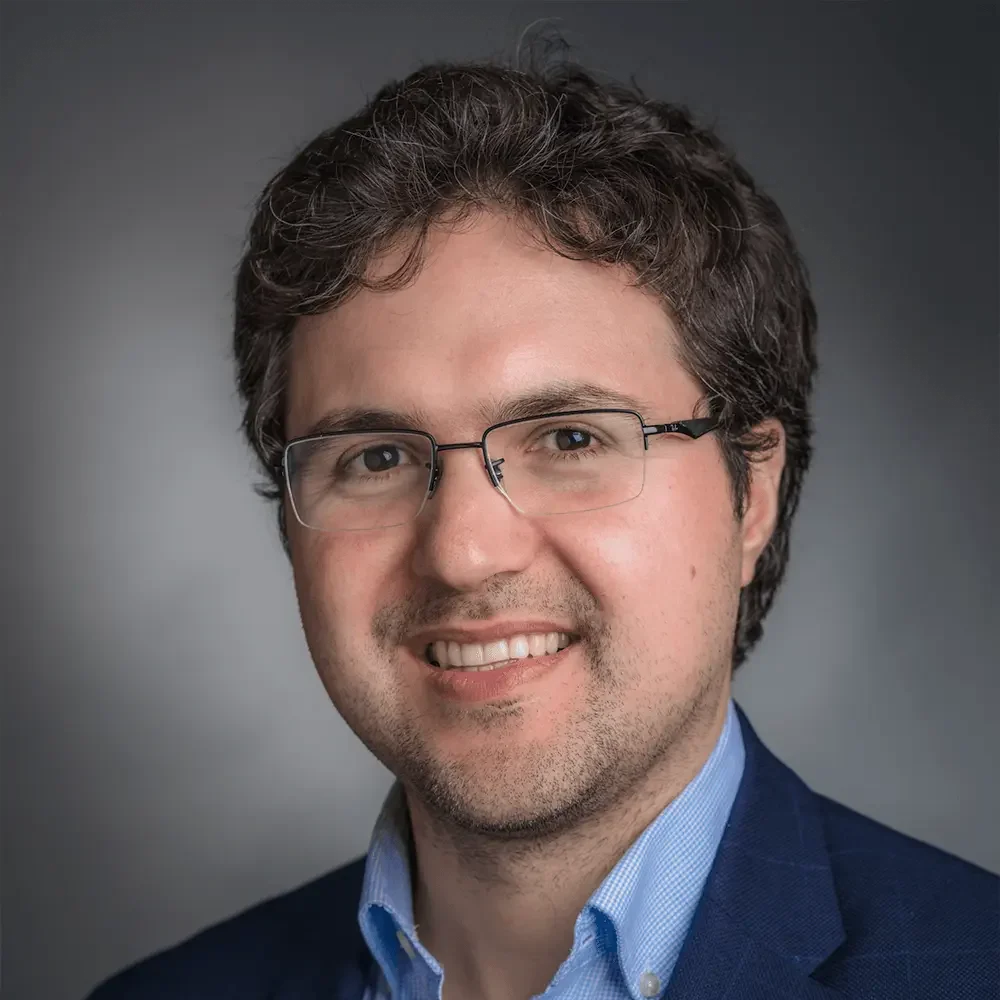
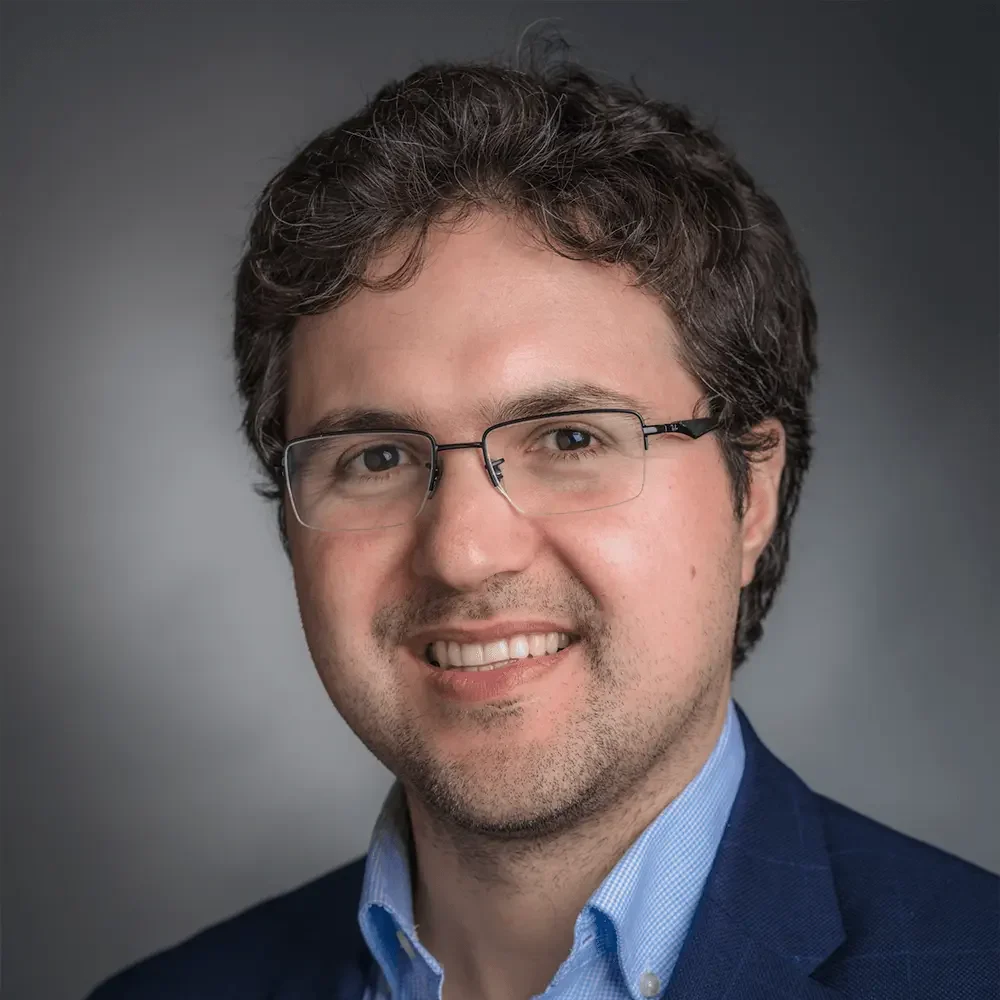
In the high-stakes world of oncology, the difference between a stalled clinical trial and a life-saving breakthrough often rests on a single, fundamental question: Can we teach the immune system to persist? For Dr. Mohammad Rashidian, an associate professor at Harvard Medical School and faculty member at the Dana-Farber Cancer Institute, this question is not merely academic—it is the driving force of his career.
As a recipient of the prestigious CRI Lloyd J. Old STAR (Scientists Taking Risks) grant, Dr. Rashidian is spearheading research into the mechanisms of T-cell exhaustion. His work, supported by the Cancer Research Institute (CRI), represents a critical pivot in how we approach the treatment of solid tumors, moving beyond traditional therapeutic models toward a future where the body’s own defenses are biologically engineered to stay the course.
The Chronology of a Visionary: From Fellowship to Frontier
The trajectory of Dr. Rashidian’s career provides a compelling case study on the importance of nurturing scientific talent. His relationship with the Cancer Research Institute began years ago when he was selected as a CRI Irvington Postdoctoral Fellow.
For many young researchers, the transition from postdoctoral study to independent laboratory leadership is a "valley of death" where promising careers often falter due to a lack of flexible funding. However, for Rashidian, the CRI fellowship provided more than just financial security; it provided a community. Through CRI-hosted retreats and international conferences, Rashidian was exposed to a cross-pollination of ideas that solidified his commitment to immunotherapy.
"One of the reasons that I am now dedicating my whole career to immunotherapy was absolutely CRI," Dr. Rashidian reflects. This early exposure to the potential of the immune system to treat previously incurable cancers transformed his perspective from seeing science as a series of experiments to viewing it as a mission to improve patient outcomes.
Today, that mission has evolved. As a CRI Lloyd J. Old STAR, Dr. Rashidian is now positioned to tackle the most stubborn obstacles in the field. The STAR program, which provides $1.25 million in flexible funding over five years, is designed specifically to support high-risk, high-reward research. It is a vote of confidence in the scientist as much as it is an investment in the data, allowing researchers to follow the evidence wherever it leads, rather than being shackled to the incremental goals often demanded by more traditional grant mechanisms.
The Biological Barrier: Understanding T-Cell Exhaustion
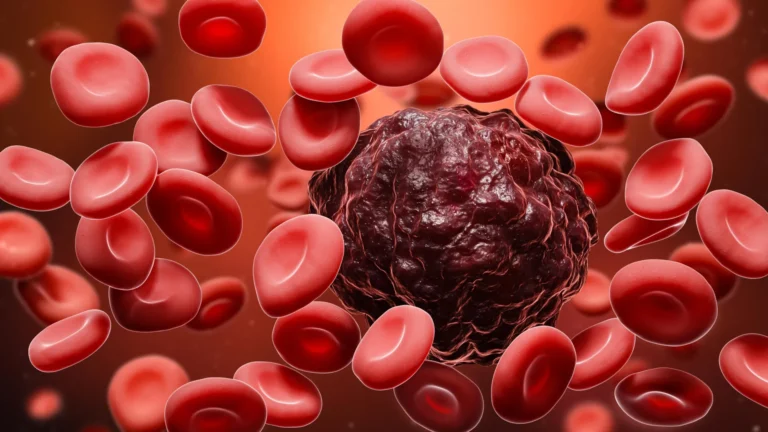
At the heart of Dr. Rashidian’s current research lies a cellular paradox. T cells are the "special forces" of the immune system, possessing the lethal capability to identify and eliminate malignant cells. However, in the hostile environment of solid tumors—such as pancreatic, ovarian, and triple-negative breast cancers—these cells frequently succumb to "exhaustion."
Exhaustion is not merely a metaphor; it is a physiological state where T cells lose their functional capacity, failing to divide or secrete the cytokines necessary to kill tumor cells. When T cells reach this state of metabolic and functional decline, the immune response stalls, and the tumor begins to thrive.
"We’re trying to overcome that problem by helping those T cells not get exhausted and continue killing the tumor cells," says Dr. Rashidian.
His laboratory has recently identified a novel signaling system—a "hub" of sorts—inside the T cell that appears to act as a regulatory switch for exhaustion. By manipulating this signaling pathway, Rashidian’s team believes they can effectively "reset" the T cell, granting it the metabolic stamina required to survive and fight within the immunosuppressive microenvironment of a solid tumor.
Implications: The Potential for Durable Responses
The implications of this research are far-reaching. While immunotherapy has seen remarkable success in blood-borne cancers, solid tumors have remained notoriously difficult to penetrate and suppress. If Dr. Rashidian’s team can successfully harness this new signaling pathway, it could usher in a new generation of "durable" immunotherapies.
A durable response is the holy grail of oncology; it means that the treatment doesn’t just hold the cancer at bay temporarily, but provides a long-term, systemic control that prevents recurrence. For patients diagnosed with aggressive cancers like sarcoma or pancreatic adenocarcinoma, this research offers a glimmer of hope that the immune system might eventually be capable of providing a long-term cure rather than a short-term reprieve.
Why "Scientists Taking Risks" Matters
The "STAR" designation is not a mere honorific; it is a vital mechanism for scientific innovation. In the current academic climate, the pressure to produce "safe," predictable data often discourages researchers from exploring high-risk, novel pathways.
"It’s a totally new pathway that we’ve discovered," Dr. Rashidian notes. "Our team needs to uncover how that pathway functions and determine how its activity might be used to develop new treatments. The potential is substantial, but so is the scientific work needed to understand it."
This type of early-stage, foundational research is notoriously difficult to fund through conventional public channels, which often require extensive preliminary data before a grant is even considered. The STAR program removes these barriers, providing the "runway" necessary for a researcher to build a compelling case for a new therapeutic target. As the science matures, this initial investment serves as a foundation, attracting further support—potentially from biotechnology partners or pharmaceutical companies—to translate these laboratory findings into clinical applications.
The Economic and Human Ecosystem of Research
Dr. Rashidian’s view on scientific investment extends well beyond the laboratory bench. He views research as a cornerstone of the broader economy. A well-funded laboratory is a training ground; it supports the careers of graduate students, postdocs, and research technicians. It fosters collaborations that cross institutional and international borders, and it frequently acts as the "R&D engine" for the biotechnology industry.
"I think the research ecosystem has contributed so much to the economy," says Dr. Rashidian. "Science is not limited to universities; it actually feeds industry. It creates the startups. It contributes so much to the economy."
Yet, he remains wary of the systemic risks inherent in current funding models. He fears that without a sustained commitment to supporting early-career and high-risk research, the field will lose a generation of talented scientists who might have otherwise unlocked the secrets to curing cancer. "We may lose very talented scientists who could become leaders in the field and make impactful science," he warns.
Conclusion: A Call to Double Down
The journey from a high school student with a curiosity about the natural world to a lead investigator at Harvard Medical School is a testament to the power of support. Dr. Rashidian’s career, bolstered at key junctures by the Cancer Research Institute, demonstrates that the most effective way to solve the complex puzzle of cancer is to invest in the people who are brave enough to chase the answers.
As we look toward the future of oncology, the case for "doubling down" on science is clear. It is not just about the discovery of a new signaling pathway or the next generation of immunotherapy; it is about sustaining the ecosystem of human ingenuity that makes these discoveries possible.
For Dr. Rashidian, the motivation remains rooted in the simplest and most profound of human goals: "the passion of helping our patients." With the continued support of organizations like the CRI and a commitment to bold, risk-taking research, that goal is moving from the realm of the theoretical toward the reality of the clinic. The path is challenging, the biology is complex, and the stakes could not be higher—but as Dr. Rashidian’s work proves, the investment is one that our society cannot afford to ignore.