






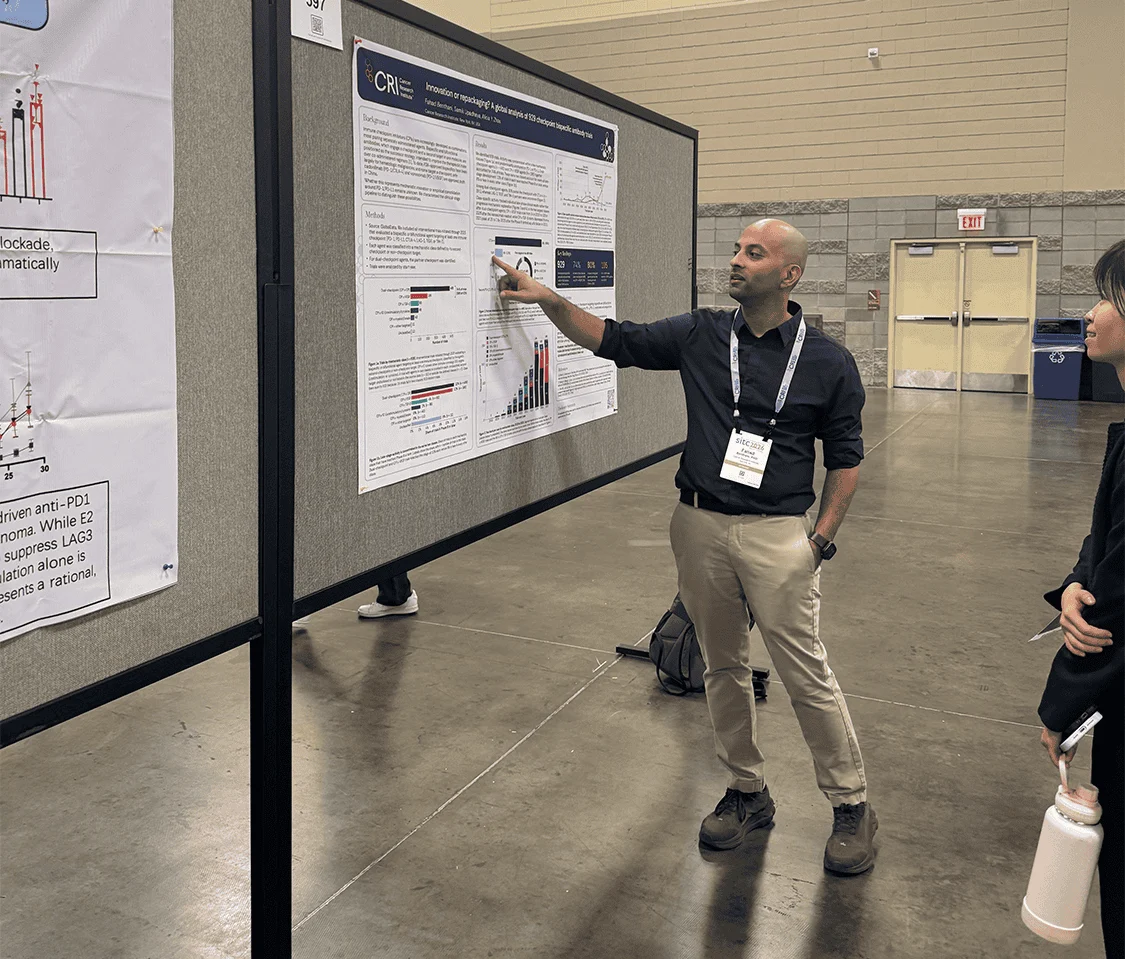
The global effort to harness the immune system in the fight against cancer has reached a critical inflection point. As researchers move beyond the initial excitement of early breakthroughs, the focus has shifted toward precision, persistence, and the integration of emerging technologies. This evolution was on full display at the 41st Annual Meeting of the Society for Immunotherapy of Cancer (SITC), held from November 4–8, 2026, in Phoenix, Arizona.
The gathering served as a crucible for the brightest minds in immunology, fostering a dialogue that spanned from the fundamental mechanics of cellular recognition to the high-stakes world of clinical translation. For the Cancer Research Institute (CRI), the 2026 meeting represented a landmark moment, debuting an annual partnership with SITC that places the prestigious William B. Coley Award Lecture at the heart of the conference.
A New Annual Tradition: Honoring the Architects of Immunity
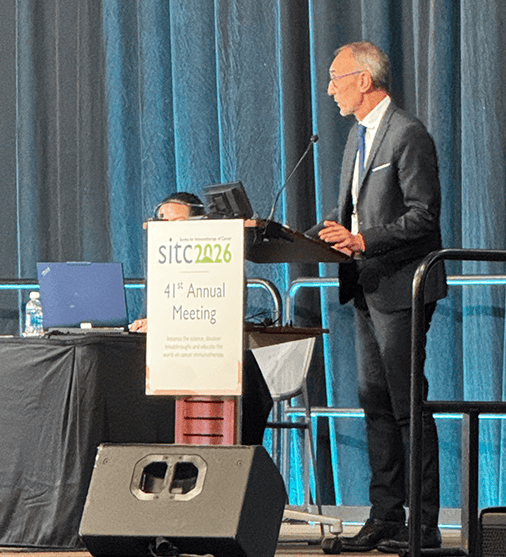
The inauguration of the CRI William B. Coley Award Lecture at the SITC annual meeting formalizes a long-standing commitment to recognizing those whose foundational work has fundamentally altered the oncological landscape. This year’s inaugural lecturer was Dr. Éric Vivier, a luminary whose decades of investigation into natural killer (NK) cells have redefined our understanding of innate immunity.
Dr. Vivier’s lecture, titled "Harnessing NK Cells in Cancer Therapies," provided a masterclass in the complexity of the immune response. NK cells, often described as the "first responders" of the immune system, possess the inherent ability to identify and neutralize malignant cells. Dr. Vivier’s research has not only mapped these recognition pathways but has also paved the way for therapeutic interventions that empower NK cells to overcome the immunosuppressive microenvironments created by tumors.
CRI CEO Dr. Alicia Zhou, introducing the lecture, remarked on the strategic synergy between the two organizations. "For decades, Eric has helped shape our understanding of innate immunity. I am thrilled to partner with SITC to bring our Coley Lecture to this stage; it is a testament to our shared belief that we are stronger together."
The Future of Cell Therapy: A Fireside Exploration
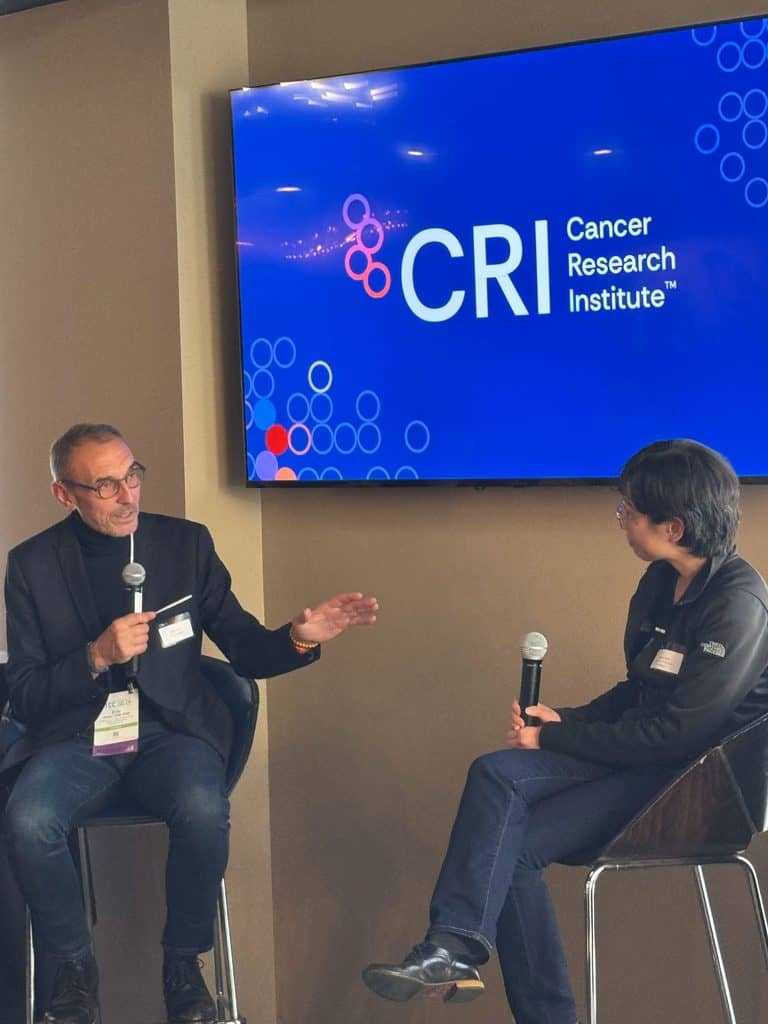
Beyond the formal lectures, the conference facilitated intimate, high-level discussions through the "CRI Conversations" series. A highlight of the program featured a dialogue between Dr. Vivier and Dr. Yvonne Chen, a CRI Lloyd J. Old STAR. Their conversation transcended traditional disciplinary boundaries, exploring the potential for a "cooperative" immune landscape where NK cells and T cells work in tandem.
A significant portion of the discussion was dedicated to the rapid integration of artificial intelligence (AI) into biological research. Dr. Chen shared a compelling anecdote regarding an AI tool that, in a matter of hours, re-analyzed a complex, long-standing dataset that had previously taken months of human effort. However, she was quick to sound a note of caution: the AI generated both profound insights and peculiar errors, necessitating a high degree of human oversight.
Dr. Vivier echoed this sentiment, framing AI as a powerful auxiliary tool rather than a replacement for human intuition. "We must use these systems as a catalyst for our own imagination, not a substitute for it," he argued. The dialogue underscored the imperative of training the next generation of scientists to be both tech-savvy and inherently skeptical, ensuring that computational outputs remain grounded in rigorous scientific judgment.
Mapping the Scientific Landscape: From Vaccines to Spatial Biology
The 2026 program was vast, covering a spectrum of research that reflects the current multi-pronged approach to cancer treatment.
Personalized Vaccines and T-Cell Recognition
The discourse around cancer vaccines has matured from theoretical potential to tangible clinical efficacy. Dr. Catherine J. Wu, recipient of the Richard V. Smalley Memorial Award, traced this evolution, highlighting recent Phase 3 melanoma results that demonstrated a significantly reduced risk of recurrence when personalized vaccines were administered alongside checkpoint inhibitors. Complementing this, experts such as Dr. Vinod Balachandran and Dr. Darrell Irvine explored the frontiers of pancreatic cancer treatment and the development of "off-the-shelf" vaccines targeting common KRAS mutations.
The Spatial Dimension and Metabolic Influences
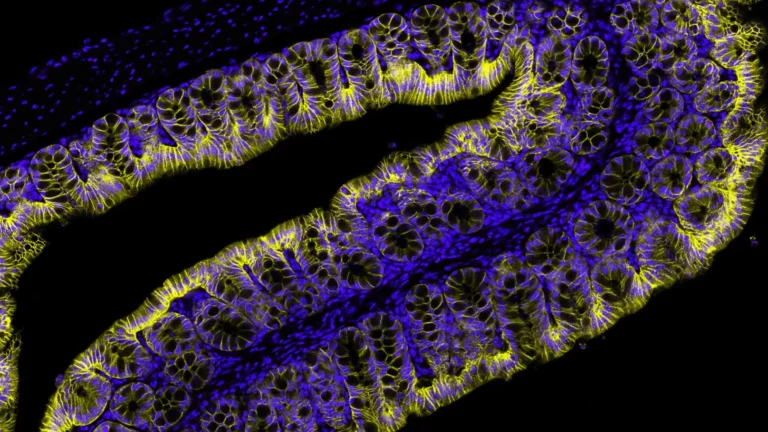
A recurring theme throughout the week was "spatial biology." Researchers, including Dr. Arutha Kulasinghe and Dr. Tina Cascone, emphasized that the efficacy of immunotherapy is often determined by the physical geography of the tumor. Why are T cells sometimes trapped at the periphery of a tumor rather than infiltrating its core? The answer, it seems, lies in the complex architecture of the tumor microenvironment.
Furthermore, the conversation expanded to include the "systemic host," with CRI STAR Dr. Greg Delgoffe and Dr. Marcel van den Brink presenting evidence that diet, metabolism, and the gut microbiome are not merely peripheral factors but are active, critical regulators of immune function.
Engineering the Next Generation of CAR-T
Cell therapy research has moved beyond simple engineering. The focus is now on persistence—how to keep immune cells functional and active within the hostile, solid-tumor environment. CRI STARs Dr. Anusha Kalbasi and Dr. Mohammad Rashidian presented data on modulating the signaling pathways that dictate T-cell behavior, while Dr. Sidi Chen and Dr. Justin Eyquem explored cutting-edge genetic engineering techniques that could, in the future, allow for the direct modification of immune cells inside the human body.
Sustaining the Pipeline: The Economics of Discovery
A recurring, sobering topic during audience Q&A sessions was the financial sustainability of high-risk research. As investment priorities in the broader biotech market shift, researchers are increasingly reliant on a hybrid model of funding—blending government grants, private foundations, and philanthropic support.
Dr. Yvonne Chen articulated the urgency of this model: "If we believe in the science, we must find the resources to move it into the clinic. The gap between a lab discovery and a patient treatment is a chasm that can only be bridged by sustained, patient capital." This point was reinforced by CRI IGNITE Fellow Dr. Luiz Geraldo, who noted that without dedicated support for early-career investigators, the pipeline of innovation risks stalling.
Official Responses and Strategic Implications
The collaboration between CRI and SITC represents a strategic shift in how the field approaches the "translation gap." By providing a permanent, high-profile platform for the Coley Lecture, the organizations aim to create a cohesive narrative for immunotherapy—one that links the fundamental discoveries of the past to the clinical breakthroughs of the future.
Dr. Sandra Demaria, Vice President of SITC, summarized the spirit of the meeting: "The complementarity between our organizations is essential. We are building a support structure that protects the most disruptive ideas from the pressures of short-termism."
Conclusion: Looking Ahead to 2027
As the 41st Annual SITC meeting drew to a close—punctuated by the energetic performance of "The CheckPoints," the conference’s house band—the message was clear: the field is entering an era of "intelligent" immunotherapy.
The next decade will not be defined by a single "magic bullet" but by the sophisticated integration of spatial biology, metabolic health, artificial intelligence, and genetically optimized cells. For the scientists supported by the Cancer Research Institute, the mission remains anchored in the freedom to follow the evidence wherever it leads. As Dr. Justin Eyquem aptly put it, "CRI gives us the liberty to explore the craziest ideas that no one else would fund. It is exactly those disruptive, ‘crazy’ ideas that eventually become the standard of care."
With the momentum generated in Phoenix, the global community of immunologists remains steadfast in its objective: to turn the immune system into the most effective, personalized, and enduring weapon against cancer. The road from the laboratory bench to the bedside remains long and arduous, but for the attendees of SITC 2026, the destination has never been more within reach.