







By Investigative Health Desk
Published November 17, 2026
The early stages of a romantic relationship are often described through the lens of intoxication: a "rush" of blood to the head, "butterflies" in the stomach, and a "high" that rivals any stimulant. For the general population, this is the standard biological script of falling in love. However, for the millions living with bipolar disorder, these sensations carry a double meaning.
Clinical research and psychological surveys suggest that intense romantic attraction and a manic or hypomanic episode can feel almost identical in their early stages. Both are characterized by euphoria, racing thoughts, decreased need for sleep, and a singular, obsessive focus. Yet, the distinction between a genuine life partner and a transient mood symptom is critical for long-term emotional stability. Understanding where "the spark" ends and "the shift" begins is a vital skill for navigating life with bipolar disorder.
Main Facts: The Biological Mirror
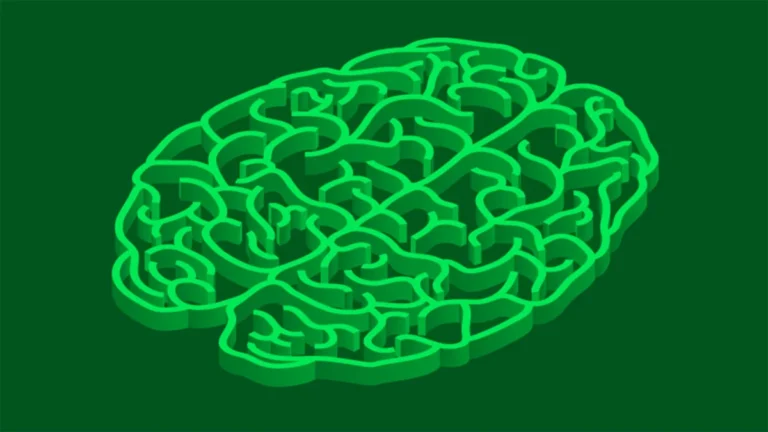
At the heart of both romantic love and bipolar mania lies a surge in the brain’s reward system. According to research led by anthropologist Helen Fisher, PhD, and her colleagues, the early, intense stage of romantic love lights up the dopamine-driven reward and motivation centers of the brain. This neurochemical cocktail—comprising dopamine, adrenaline, and stress hormones—creates a state of heightened energy and laser-like focus on the object of affection.
In bipolar disorder, the brain’s mood-regulatory system is compromised. While a neurotypical individual’s dopamine levels eventually settle as a relationship moves into a "companionate" phase, the bipolar brain may lose its "brakes." A review published in Molecular Psychiatry suggests that mania occurs when the same circuitry responsible for reward continues to fire without stabilization, turning a healthy romantic interest into a clinical mood episode.
Shared Characteristics of Love and Hypomania:
- Hyper-focus: An inability to think about anything other than the person or the feeling.
- Increased Energy: Feeling "revved up" or capable of functioning on minimal rest.
- Heightened Sensitivity: Colors seem brighter, music sounds deeper, and emotional cues are amplified.
- Impulsivity: A willingness to take risks or make life-altering decisions based on immediate feelings.
Chronology: The Lifecycle of the High
To distinguish between love and mania, clinicians often look at the trajectory of the feelings. While they may begin at the same point, their paths diverge as time progresses.
1. The Onset (Days 1–14)
In both scenarios, the individual experiences a "spark." There is a sudden increase in communication, late-night conversations, and a sense of "destiny." At this stage, it is nearly impossible to distinguish between the two based on feeling alone.
2. The Acceleration (Weeks 2–6)
This is where the divergence begins. In a healthy romance, the individual remains grounded in their daily responsibilities despite their excitement. In a manic shift, the relationship begins to cannibalize other areas of life. The individual may stop sleeping, neglect their job, or spend exorbitant amounts of money on gifts or travel. The "need" for the other person becomes a compulsion rather than a preference.
3. The Divergence (Month 2 and Beyond)
Healthy love begins to transition into stability. It respects boundaries and integrates into a routine. Mania, conversely, is time-limited. Eventually, the neurochemical surge exhausts itself, leading to a "crash" into depression or a return to baseline (euthymia). It is often only at this stage that the individual realizes their "soulmate" was a projection of a mood state.
Supporting Data: Regret and Risk in the Digital Age
The consequences of misidentifying mania as love are not merely emotional; they are often quantifiable. A study published in the journal Bipolar Disorders examined the behaviors of individuals using online dating platforms. The data revealed a significant gap in relationship outcomes based on mood stability.
The study found that 65 percent of people with bipolar disorder who utilized online dating sites reported deep regret regarding their behavior during manic or hypomanic episodes. This is in stark contrast to only 31 percent of the neurotypical control group. Regrettable behaviors included:
- Sharing intimate personal information too quickly.
- Engaging in risky sexual encounters.
- Making long-term commitments (such as marriage proposals or cohabitation agreements) within days of meeting.
Furthermore, research indicates that "intense goal pursuit"—which includes the "goal" of securing a new partner—is a primary social trigger for manic episodes. The novelty of a new relationship activates the brain’s reward system so aggressively that it can throw off the circadian rhythms necessary for mood maintenance.
Official Responses: Clinical Perspectives
Medical experts emphasize that mania is a pathological condition, whereas love is a healthy human experience. The distinction, however, requires objective observation.
Joseph F. Goldberg, MD, a clinical professor of psychiatry at Mount Sinai Hospital in New York City, notes that the primary difference lies in the nature of the energy. "Mania is mainly about speediness of thought and behavior, high energy, and being physically overactive without causing fatigue," Dr. Goldberg explains. "Being in love isn’t a pathological condition. It isn’t particularly characterized by excessive speech or sleeplessness without subsequent exhaustion."
Dr. Goldberg further points out the "direction" of the emotion. In healthy love, the focus is on the welfare and well-being of the partner. In mania, the relationship is often viewed through the lens of the individual’s own heightened ambitions or sense of grandiosity. The partner becomes a supporting character in the manic individual’s personal drama rather than a separate person with their own needs.
Johns Hopkins Medicine’s guide to bipolar relationships adds that "open communication" with a care team is the only foolproof way to navigate these waters. They recommend that patients "check in" with a therapist or psychiatrist when a new relationship begins, as an outside observer can often spot the signs of a mood shift before the patient can.
Implications: Building Sustainable Connection
The overlap between love and mania does not mean that individuals with bipolar disorder should avoid romance. Rather, it implies that they must approach dating with a specialized set of tools.
The Importance of Stability
Clinical experts suggest that major relationship milestones—such as moving in together, merging finances, or getting engaged—should be delayed until the individual has experienced a period of "baseline" mood. If the feelings for the partner remain consistent during a depressive or stable phase, the connection is likely genuine.
The Role of Routine
Because new love is a "trigger" for sleep disruption, maintaining a strict sleep-wake cycle is paramount. Losing sleep to talk to a new partner is a common pitfall that can transition a healthy crush into a full-blown manic episode. Protecting the "circadian anchor" is the best way to protect the relationship.
Questions for Self-Reflection
Clinicians often advise patients to ask themselves a series of "reality-check" questions when a new connection feels overwhelming:
- Am I sleeping? If you are sleeping three hours a night and feel "invincible," it is likely mania.
- What do my trusted friends say? If those who know your bipolar patterns are expressing concern, listen to them.
- Am I ignoring red flags? Mania creates a "halo effect" where the partner can do no wrong.
- Is this moving at "warp speed"? Genuine intimacy takes time to build; mania tries to manufacture it overnight.
Conclusion
Intense attraction and bipolar mania are two different fires fueled by the same wood. While one provides the warmth necessary for a long-term partnership, the other can burn down the structures of a person’s life. By prioritizing stability, seeking clinical input, and respecting the slow pace of genuine connection, those living with bipolar disorder can find love that lasts long after the initial high has faded.
Editorial Note: This article is based on peer-reviewed research and expert testimony. It is intended for informational purposes and should not replace the advice of a board-certified medical professional.