






The investment is specifically earmarked for the Active Minds National Chapter Network, a sprawling web of more than 500 student-led chapters across 48 states and Puerto Rico. This funding arrives at a critical juncture for youth mental health in America, providing the necessary resources to equip a new generation of leaders with the skills, relationships, and resilience required to transform the culture of mental health in schools and communities.
Main Facts: Strengthening the Grassroots Infrastructure
The $150,000 grant represents a strategic alignment between corporate philanthropy and grassroots activism. For Active Minds, the funding will be utilized to expand training modules, provide high-level resources, and offer hands-on support to student leaders who are often the first responders in their campus ecosystems.
Active Minds Chapters function as autonomous but guided student groups in high schools and on college campuses. These chapters are tasked with identifying local mental health gaps, connecting their peers with professional resources, and advocating for policy changes at the administrative level. By empowering students to lead these initiatives, Active Minds bypasses the traditional top-down approach to mental health, instead utilizing peer-to-peer influence—a method proven to be highly effective in reducing the stigma associated with seeking help.
The AE Foundation’s contribution is intended to scale these efforts, ensuring that chapter members are not merely "raising awareness" but are trained in effective advocacy, crisis resource navigation, and community-building. This includes the promotion of the 988 Suicide & Crisis Lifeline and the implementation of youth-informed mental health strategies that resonate with Gen Z and Gen Alpha.
Chronology: From Campus Beginnings to Capitol Hill
The trajectory of Active Minds is a testament to the power of lived experience. Founded by Alison Malmon in 2003 following the tragic loss of her brother, Brian, to suicide, the organization has grown from a single chapter at the University of Pennsylvania into a national movement.
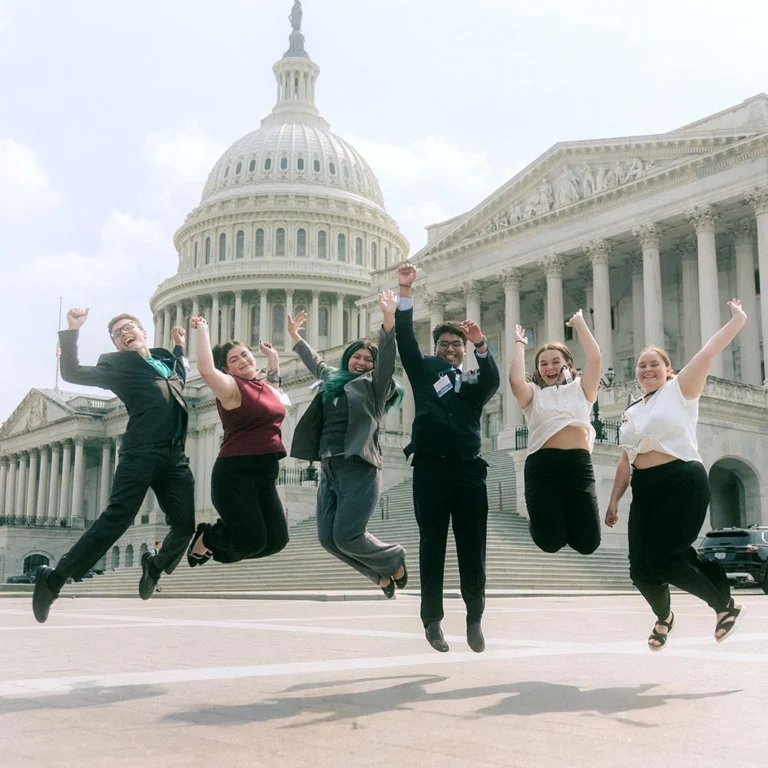
The timeline of the past year highlights the organization’s shift from cultural awareness to legislative influence. In May 2026, Active Minds marked a milestone during Mental Health Awareness Month with a high-profile "Briefing Day" on Capitol Hill. Five young leaders—Ayaan Moledina, Amy Senkerik, Naomi Hines, Michael Landu, and Carson Domey—presented a panel in the Rayburn Building to House of Representative staffers and legislators.
This briefing was a catalyst for the "Campus Lifeline Act," a piece of legislation authored by Active Minds. The bill aims to mandate the inclusion of the 988 Suicide & Crisis Lifeline on all newly issued student ID cards and to increase federal investment in youth-led mental health strategies. The November 2026 announcement of the AE Foundation grant serves as the next logical step in this timeline, providing the financial "fuel" to maintain the momentum generated by these legislative efforts.
Supporting Data: The Impact of Student-Led Advocacy
The necessity for such funding is underscored by data regarding the efficacy of peer support. According to Active Minds’ internal research and broader sociological studies, students are more likely to turn to a peer than a faculty member or professional when experiencing a mental health crisis.
The National Chapter Network’s reach is extensive:
- 500+ Chapters: Spanning high schools and universities.
- Geographic Diversity: Active presence in 48 states and Puerto Rico, ensuring that advocacy reaches rural, urban, and suburban environments.
- Diverse Leadership: The advocates involved in the recent Capitol Hill briefing represent a cross-section of the American experience.
For instance, Amy Senkerik, an undergraduate at Arizona State University, successfully advocated for the addition of the 988 Lifeline to digital student IDs at the nation’s largest public university. Her work demonstrated that when the resource is "clear, immediate, and accessible," the barrier to seeking help is significantly lowered.
Similarly, the narrative of Ayaan Moledina, a 17-year-old running for a school board seat in Texas, highlights the growing trend of "lived experience advocacy." Moledina, who was diagnosed with depression at age 10, argues that students are the "ones closest to the problem" and therefore essential to the solution. The data suggests that when students like Moledina are given platforms, the engagement rates in mental health programs increase by nearly 40% compared to adult-led initiatives.
Official Responses: Leadership Perspectives
The partnership has drawn praise from both the nonprofit and corporate sectors, with leaders emphasizing the importance of youth agency.
"Youth and young adults have always been the heart of Active Minds," said Alison Malmon, Founder and Executive Director of Active Minds. "They know what their communities need, and when we give them the tools and support to lead, they change what’s possible for mental health in their schools. We’re grateful to the AE Foundation for investing in youth and young adult leadership and helping us strengthen our National Chapter Network so more students can help shape a society that forever values and prioritizes mental health."
Marcie Eberhart, Senior Director of Foundation and Corporate Philanthropy at AEO Inc., echoed these sentiments, noting that the brand’s mission is deeply intertwined with the well-being of its core demographic. "Prioritizing youth mental health is at the core of the AE Foundation’s mission, and real progress happens when students have the tools to drive change. We’re proud to support Active Minds and help equip young adults with the skills, relationships, and resilience needed to lead effective mental health advocacy."
These responses signal a shift in how corporations view their philanthropic duties, moving away from generic donations toward targeted investments in social infrastructure and policy change.
The Philosophy of Change: Self-Love as a Radical Act
While the grant focuses on large-scale network support, Active Minds maintains that systemic change begins with the individual. This philosophy is reflected in the organization’s emphasis on "self-love" and "self-care" as foundational components of advocacy.
In recent communications, Active Minds has urged students to view mental health not just as a crisis to be managed, but as a relationship to be nurtured. This includes practicing "self-like" before "self-love," carving out time for nature, and engaging in artistic expression to unplug from the digital pressures of modern life.

The organization’s "Stop Should-ing on Yourself" campaign encourages advocates to monitor their self-talk, ensuring that the people fighting for the mental health of others are also prioritizing their own. By integrating these personal wellness strategies into the Chapter Network training, Active Minds ensures that its leaders are resilient and protected from the burnout often associated with high-stakes advocacy.
Implications: A New Era of Mental Health Policy
The implications of the AE Foundation’s $150,000 grant extend far beyond the immediate financial boost. It validates the "Active Minds model"—the idea that youth are not just recipients of care, but architects of the care system itself.
1. Legislative Momentum:
The funding will likely accelerate the passage of the Campus Lifeline Act. By strengthening chapters, Active Minds creates a "lobbying force" of thousands of students who can contact their local representatives. As Naomi Hines, a graduate of Bowie State University and mental health first aid provider, noted, the goal is to make students feel comfortable utilizing resources that already exist but remain underutilized due to stigma.
2. Destigmatization of Treatment:
Advocates like Michael Landu are using their platforms to destigmatize psychiatric prescriptions, arguing that mental health medication should be treated with the same acceptance as medication for physical ailments like high blood pressure. With more resources, chapters can host educational seminars that normalize these medical realities.
3. Institutionalizing Support:
By embedding these chapters into the fabric of 500+ schools, Active Minds is ensuring that mental health advocacy remains a permanent fixture of the educational experience. The goal is to move past "Awareness Months" and into a reality where mental health support is as standard as a physical education requirement or a student ID card.
As the National Chapter Network expands, the message to the American educational system is clear: the youth are no longer waiting for permission to fix a broken system. With the backing of major philanthropic entities like the AE Foundation, they now have the capital to build a new one.
To learn more about the initiative or to find a local chapter, visit activeminds.org/chapters.