




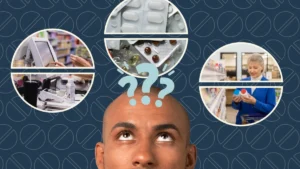

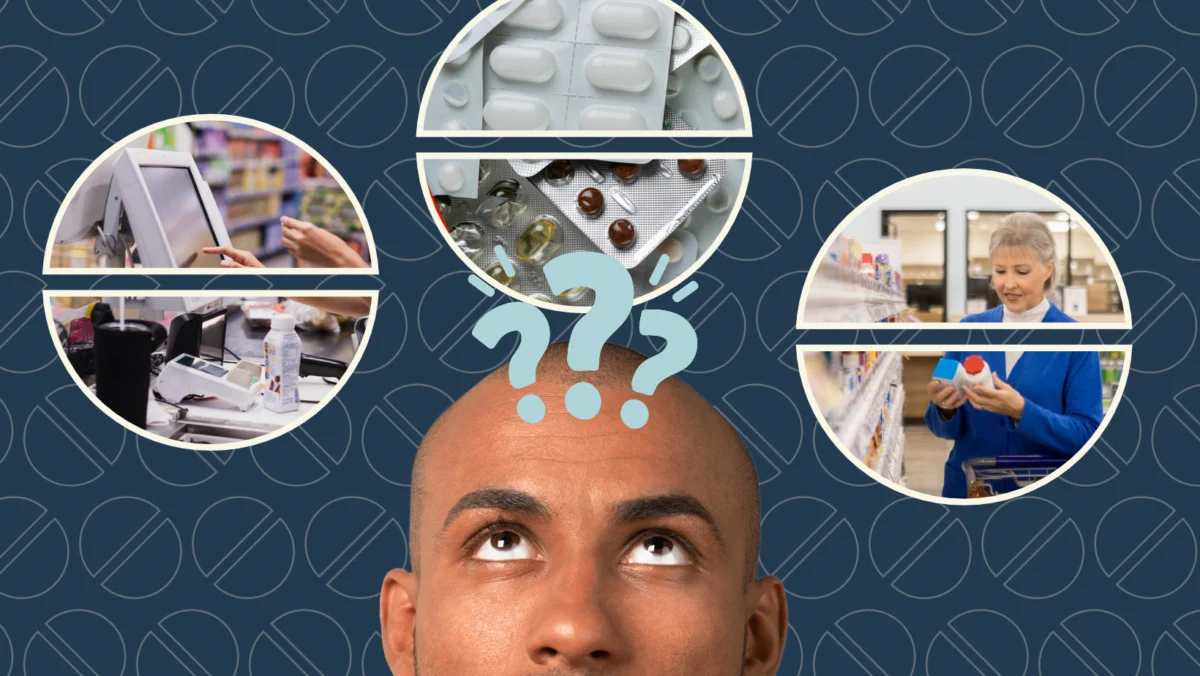
When was the last time you reached for an over-the-counter (OTC) pain reliever? For millions, it is a reflex—a quick trip to the pharmacy, grocery store, or even a local gas station to pick up a familiar bottle for a nagging headache, aching joints, or a chronic flare-up. For many, these medications are not occasional conveniences; they are daily companions in a life defined by persistent pain.
However, the ease of access to these medications often masks a fundamental reality: OTC drugs are potent pharmaceutical agents with specific risks, contraindications, and complexities. Because they do not require a doctor’s prescription, they are often perceived as "simple" or "safe" by default. But as the U.S. Pain Foundation notes, familiarity should never be mistaken for simplicity.
In response to a growing need for patient literacy, the U.S. Pain Foundation has declared November 2026 as “KNOWvember,” launching a month-long educational campaign titled #KNOWyourOTCs. The initiative aims to demystify the medicine cabinet, helping those living with pain and their caregivers navigate the often-confusing landscape of non-prescription pain management.
The Core Facts: Why Literacy Matters
The central premise of #KNOWyourOTCs is that knowledge is the best defense against medication errors and suboptimal pain management. The campaign highlights several critical, yet often overlooked, facts:
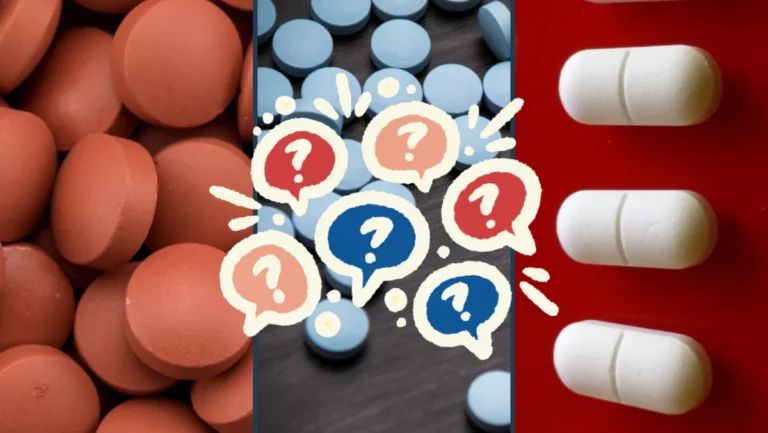
- Active Ingredients Are Not Interchangeable: Acetaminophen, ibuprofen, naproxen sodium, and aspirin each operate through different biological mechanisms. Choosing the wrong one for a specific type of pain can lead to ineffective relief or unnecessary side effects.
- The Danger of "Stacking": Many people inadvertently take multiple medications that contain the same active ingredient. For instance, someone might take a dedicated pain reliever alongside a multi-symptom cold or flu medicine, unknowingly doubling their dose of acetaminophen.
- Interaction Risks: OTC medications do not exist in a vacuum. They can interact with prescription drugs, herbal supplements, and even certain dietary choices, creating complex health risks that require professional oversight.
- The "Toolbox" Philosophy: OTC medications are merely one tool in a much larger, more nuanced pain management strategy. Understanding their limitations is essential for patients to advocate for more comprehensive, individualized care.
Chronology: From Patient Experience to National Campaign
The launch of #KNOWyourOTCs was not a spontaneous decision; it was the result of a deliberate, data-driven process spanning the entirety of 2026.
Early 2026: The Survey Phase
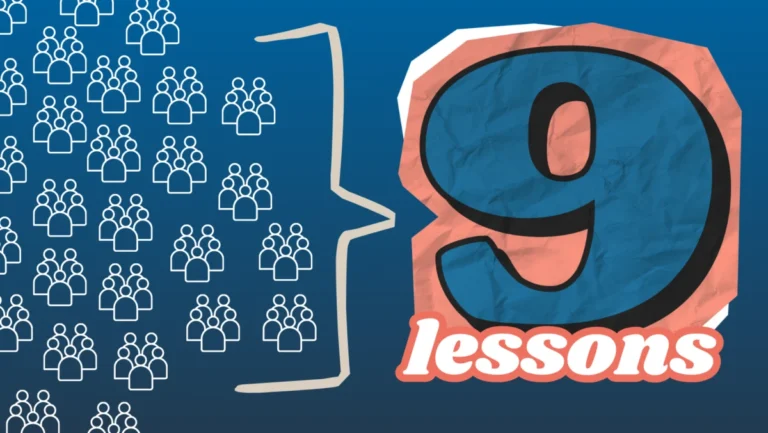
The U.S. Pain Foundation initiated a comprehensive outreach effort to understand the real-world experiences of those in pain. They surveyed 2,474 adults living with persistent pain and 538 unpaid caregivers. The results painted a vivid picture of a population that is highly reliant on OTC medications but frequently lacks the guidance necessary to use them safely and effectively.
Mid-2026: Analyzing the Data
During the spring and summer, researchers synthesized the survey data. The findings revealed a "knowledge gap"—while patients are diligent about seeking relief, they often guess about dosing intervals, the safety of combining medications, and the long-term implications of daily use.
October 2026: Preparation and Outreach
In the weeks leading up to November, the Foundation began developing educational materials, including visual guides on reading the "Drug Facts" label and checklists for doctor-patient consultations.
November 2026: The #KNOWyourOTCs Campaign
The campaign officially kicked off on November 1st. Throughout the month, the organization is rolling out a series of webinars, social media takeovers, and the "You Asked. We’re Answering" series, where experts address specific community-submitted questions about pain management.
Supporting Data: What the Patient Community Told Us
The survey data serves as the foundation for this month’s educational focus. When asked about their habits, respondents indicated that OTC medications are central to their daily functioning.
However, the data also highlighted significant areas of concern:
- Dosing Uncertainty: A significant percentage of respondents admitted to modifying their dosing schedules based on their pain levels rather than the instructions on the label, often without consulting a healthcare provider.
- Ingredient Confusion: Many participants were unaware that their "nighttime" pain relievers contained ingredients that overlapped with their "daytime" medications.
- The "Inadequate Relief" Crisis: Perhaps most importantly, the survey confirmed that for many, OTC options are simply failing to provide adequate relief. This finding highlights a systemic issue where patients are left to "self-manage" with ineffective tools because they do not have access to, or have not been directed toward, more advanced multidisciplinary care.
Official Responses and Expert Perspective
Dr. Elena Rodriguez, a pain management specialist consulting for the U.S. Pain Foundation, emphasizes that the campaign is not about fear-mongering, but about empowerment.
"Patients are experts in their own pain," says Dr. Rodriguez. "Our goal is to give them the vocabulary and the confidence to ask the right questions of their pharmacists and doctors. When a patient says, ‘I’m taking this medication, here is how often I take it, and here is why it isn’t working,’ that is a productive, professional-level conversation that leads to better clinical outcomes."
The Foundation is also stressing the role of caregivers. For parents and those caring for aging family members, the burden of managing complex medication regimens is high. The campaign provides specific resources for these individuals, helping them create medication logs and identify "red flags" that indicate a need for a doctor’s intervention.
Implications: Moving Beyond the Bottle
The broader implication of #KNOWyourOTCs is a call for a shift in how society views pain management. If we treat pain as a symptom to be "masked" by a quick purchase at a gas station, we miss the opportunity to address the underlying condition.
Addressing Inadequate Relief
The U.S. Pain Foundation is clear: education is not a substitute for medical access. The survey data confirms that the pain community is underserved. By highlighting the limitations of OTC medications, the campaign acts as a catalyst for a necessary conversation: if the OTC bottle isn’t working, what is the next step?
This leads to the "Toolbox" approach. The Foundation encourages patients to view their treatment plan as a combination of:
- Pharmacology: Used safely and as directed.
- Physical and Occupational Therapy: To address the root causes of musculoskeletal pain.
- Integrative Medicine: Including acupuncture, mindfulness, and nutrition.
- Interventional Procedures: Where appropriate and necessary.
The Power of the "You Asked" Series
The campaign’s most interactive element, the "You Asked. We’re Answering" series, democratizes medical information. By collecting questions directly from the public via this submission form, the Foundation ensures that their educational output remains relevant to the current struggles of the community.
Whether it is a question about pediatric dosing, the interaction between OTC pills and common herbal supplements, or how to speak to a doctor who seems dismissive, no question is considered too basic. By validating these questions, the campaign removes the stigma of "not knowing" and replaces it with the confidence of informed advocacy.
Conclusion: A Call to Action
As we move through the remainder of November, the U.S. Pain Foundation is urging everyone—whether you live with chronic pain, care for someone who does, or simply reach for an ibuprofen a few times a year—to take a moment to look at the bottles in your medicine cabinet.
Read the labels. Research the ingredients. Understand the risks. And most importantly, do not be afraid to ask questions.
Pain management is a journey, not a destination. By taking the time to #KNOWyourOTCs, patients can transform their approach to pain from a reactive, guessing game into a proactive, informed strategy. Knowledge is the first step toward better, safer, and more effective relief.
For more information, resources, and to participate in the campaign, visit the official #KNOWyourOTCs page.
Disclaimer: This article is intended for educational purposes only and does not constitute medical advice, diagnosis, or treatment. Always follow the Drug Facts label on your medication packaging and consult with a licensed healthcare professional or pharmacist regarding your specific health needs, medication interactions, or changes to your treatment plan.