





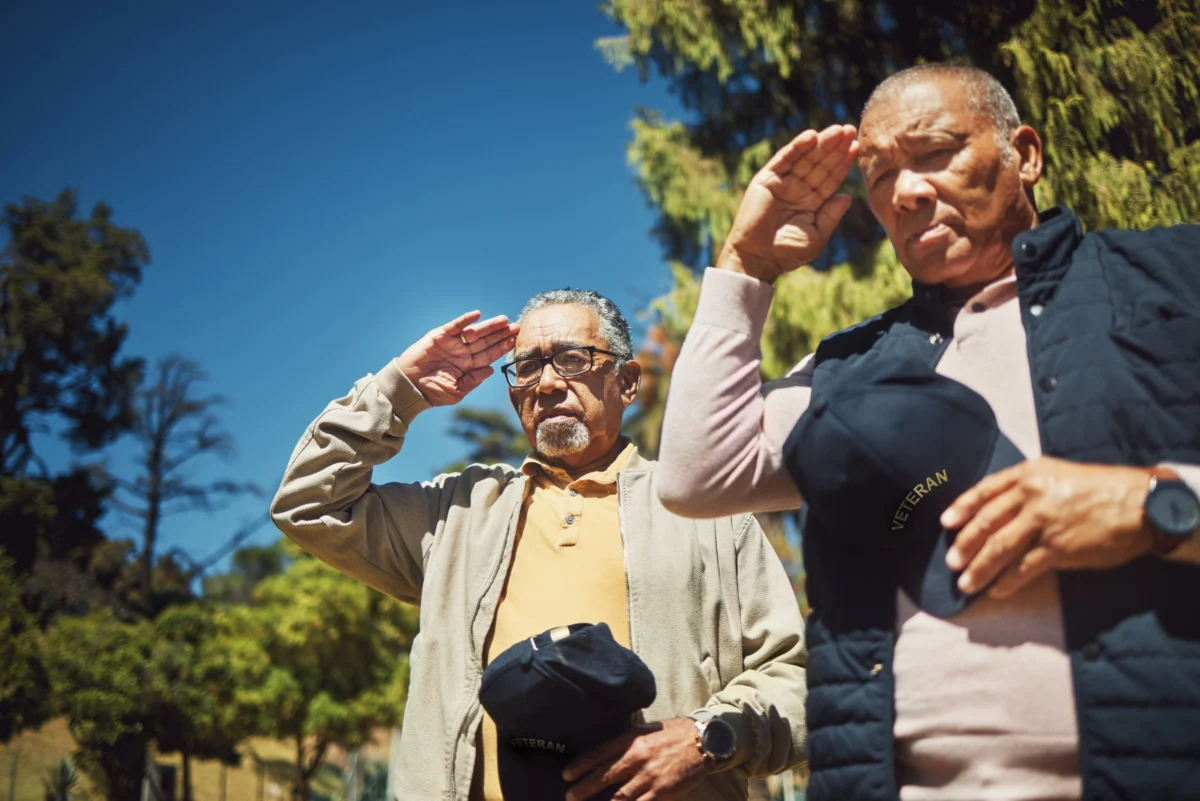
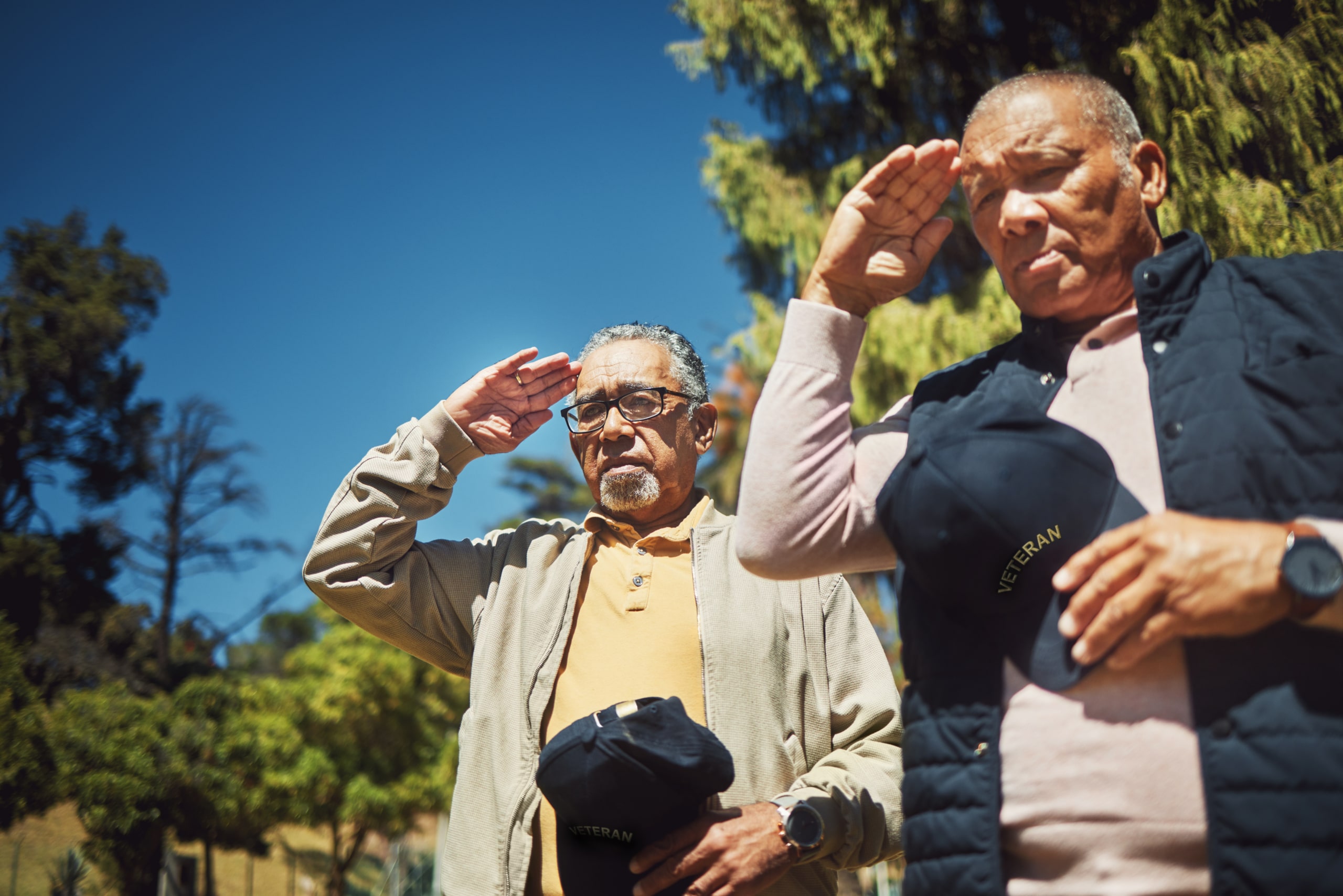
Each year on November 11, the United States pauses to observe Veterans Day—a solemn and celebratory occasion dedicated to honoring the men and women who have stood on the front lines of freedom. While parades and speeches often define the public commemoration of this day, the Alliance for Aging Research reminds us that the true measure of our gratitude lies in how we support those veterans as they transition into their golden years. With nearly 16 million veterans currently living in the United States, the responsibility to ensure their health, dignity, and longevity is a national imperative that requires both policy focus and personal attention.
The State of the Veteran Population: Key Facts
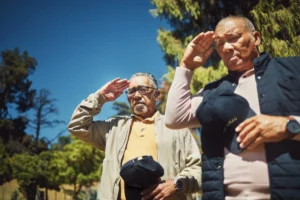
The demographics of the U.S. veteran population reveal a critical reality: aging is the defining experience for the majority of those who have served. According to recent data, nearly 50% of all American veterans are aged 65 or older. This equates to more than 8 million older adults who carry with them the unique physical and psychological legacy of their military service.
For these individuals, the aging process is not merely a biological progression; it is often complicated by service-connected injuries, exposure to hazardous environments, and the long-term psychological impacts of combat or high-stress deployment. As these veterans age, the health care system must adapt to address the intersection of typical age-related conditions—such as cognitive decline and frailty—with specialized military-related health needs.
Chronology of Service and the Transition to Later Life
The trajectory of a veteran’s health often begins long before they reach retirement. Understanding this chronology is essential for caregivers, family members, and health care providers.
- The Period of Active Duty: During this phase, health care is provided through the Department of Defense. The primary focus is on readiness, injury prevention, and acute trauma care.
- The Transition Phase: Upon leaving service, veterans navigate a complex transition into the Department of Veterans Affairs (VA) system or the private sector via Medicare. This period is often marked by a shift in health maintenance, where the focus moves from acute readiness to chronic disease management.
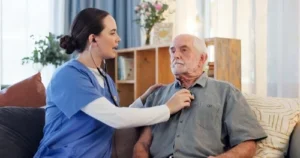
- The Senior Years (65+): As veterans move into their seventh and eighth decades, they face a convergence of service-connected issues (e.g., musculoskeletal wear and tear, hearing loss, respiratory issues from burn pits) and general geriatric concerns (e.g., sarcopenia, Alzheimer’s, cardiovascular disease).
The Alliance for Aging Research emphasizes that this transition is the most critical juncture for intervention. Early identification of chronic conditions through robust screening can significantly alter the quality of life for a veteran in their 80s and 90s.
Supporting Mental Health: Beyond the Stigma
Mental health remains a cornerstone of the veteran experience. The transition from a structured, high-stakes military environment to civilian life can be disorienting, and for many, the psychological weight of service manifests later in life.
The Alliance has dedicated significant resources to demystifying mental health in aging, including the production of educational films that illuminate the symptoms of Alzheimer’s and dementia—conditions that can be particularly distressing when compounded by PTSD or other trauma-related history. Furthermore, the organization provides comprehensive guides on navigating depression, a condition often misidentified as a “normal” part of aging.
Screening for depression and cognitive decline is not a sign of weakness; it is a vital component of “strength and conditioning” for the mind. By fostering open conversations about suicide prevention and mental wellness, families can ensure that the resilience veterans showed in service is mirrored by the support they receive in retirement.
The VA’s Role: Geriatric and Extended Care
The Department of Veterans Affairs provides a sprawling network of support designed specifically for the older veteran. The VA’s Geriatric and Extended Care (GEC) services are essential for veterans seeking to maintain their independence for as long as possible.
These services are comprehensive, covering:
- Rehabilitation: Tailored physical therapy to address the specific mobility challenges faced by former service members.
- Brain Health: Specialized programs focused on mitigating the impact of traumatic brain injuries (TBI) sustained during service, which can accelerate cognitive decline in later life.
- Hospice and Palliative Care: Ensuring that veterans receive dignified, expert-led end-of-life care that acknowledges their specific service history and personal values.
For veterans and their families, navigating these services is a necessity. The VA website serves as a primary hub for identifying these resources, and the Alliance encourages all aging veterans to proactively engage with their local VA representatives to understand the full scope of their earned benefits.
Preventive Care: The Key to Long-Term Health
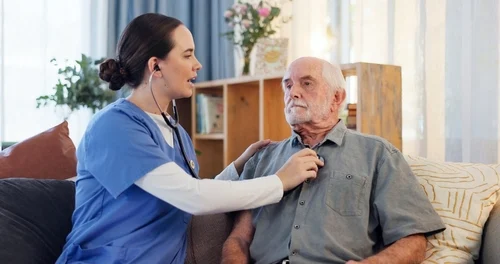
For the veteran population, preventive care is the most effective tool for mitigating the late-onset conditions associated with military service. Because some military-related health issues remain latent for decades, routine screenings are not just recommended—they are essential.
The Alliance for Aging Research provides a critical resource titled, Wellness Wisdom: A Guide to Preventive and Screening Services Covered by Medicare. This document serves as a roadmap for veterans who have transitioned to Medicare, detailing:
- Yearly Wellness Visits: How to prepare for these sessions to ensure all concerns are addressed.
- Screening Schedules: When to pursue vision, hearing, and cognitive screenings.
- Cost Transparency: Clarifying what is covered to remove financial barriers to care.
By identifying potential health concerns—such as hypertension, metabolic disorders, or early-stage cancers—before they become symptomatic, veterans can significantly improve their long-term health outcomes.
Addressing Sarcopenia: Maintaining Physical Strength
Military culture is deeply rooted in physical fitness. However, as veterans age, they face the common challenge of sarcopenia, or the age-related loss of muscle mass and strength. This is not just a cosmetic or athletic issue; it is a functional one. Maintaining muscle health is essential for preventing falls, maintaining mobility, and managing metabolic health.
The Alliance’s "Aging in Motion" initiative highlights the importance of staying active, even as lifestyles change post-service. Veterans are encouraged to adapt their previous fitness routines to include strength training and mobility exercises that are safe for older joints. This proactive approach to physical health is a continuation of the discipline honed during their years of service and is a vital strategy for maintaining independence.
Implications for the Future of Veteran Care
The implications of an aging veteran population are profound. As the number of veterans over age 65 continues to grow, the healthcare infrastructure must evolve. This requires:
- Increased Integration: Better coordination between the VA and private healthcare systems to ensure that service-connected health histories are fully integrated into a veteran’s overall medical record.
- Caregiver Support: Acknowledging that the burden of care often falls on spouses and family members. Providing these caregivers with the resources and training they need is as important as treating the veteran directly.
- Health Equity: Ensuring that veterans in rural or underserved areas have the same access to high-quality geriatric care as those in major metropolitan hubs.
Conclusion: A National Salutation
This Veterans Day, the Alliance for Aging Research calls upon all Americans to look beyond the parades and consider the ongoing needs of our older veterans. These individuals gave the best years of their lives to protect our collective future. It is our turn to ensure that their final years are characterized by dignity, health, and robust support.
Whether it is by helping a neighbor navigate their VA benefits, encouraging a veteran in your family to schedule a preventive screening, or simply taking the time to listen to their experiences, we all play a role in honoring their service. We remain deeply inspired by the courage of our nation’s veterans and remain steadfast in our commitment to advancing their right to healthy, vibrant aging.
Matthew Thompson is the Digital Communications Manager for the Alliance for Aging Research, an organization dedicated to accelerating the pace of scientific research to improve the health and independence of older adults.