







For decades, the medical community has viewed "brown fat"—or brown adipose tissue (BAT)—as the "holy grail" of metabolic health. Unlike the white fat that stores excess energy, brown fat functions like an internal furnace, burning calories to generate body heat. For those battling obesity, the prospect of a pill that could "switch on" this tissue has long been an alluring scientific dream. However, a groundbreaking study from the University of Basel and the University Hospital Basel has delivered a sobering reality check: manipulating this biological heater may be far more complex than scientists once believed.
Main Facts: The Metabolic Mystery
The research, led by Professor Matthias Betz and his team, focused on the beta2 adrenergic receptor, a biological "switch" suspected of controlling the activation of brown fat. The primary objective was to determine if a pharmacological agent—specifically fenoterol—could mimic the calorie-burning effects of cold exposure.
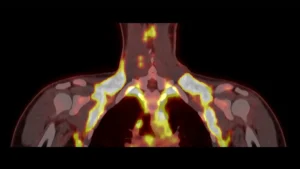
The findings, published in the prestigious journal Cell Metabolism, reveal a striking disconnect. While fenoterol successfully increased the energy expenditure of human participants, PET/CT scans showed that it failed to activate brown adipose tissue in the same manner as natural cold exposure. This suggests that the body possesses multiple, perhaps redundant, pathways for burning energy, and that simply boosting metabolic rate does not necessarily mean brown fat is the primary driver.
A Chronology of the Investigation
To understand the metabolic nuances of brown fat, the research team designed a controlled study involving 11 healthy volunteers. The experimental process was broken down into two distinct phases to contrast natural triggers with synthetic stimulation.
Phase 1: The Cold-Exposure Benchmark
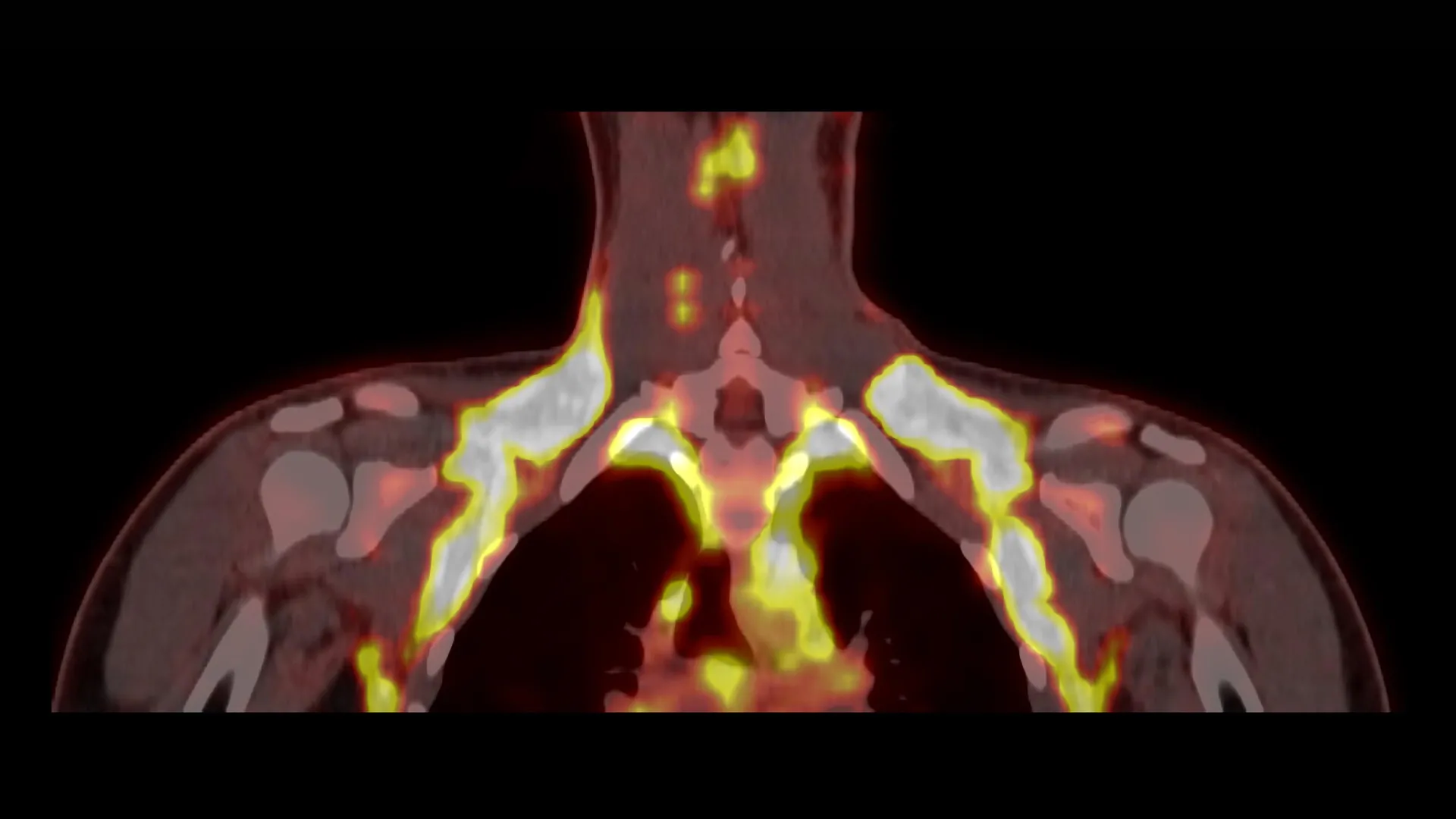
Initially, researchers subjected participants to mild cold exposure. This is the gold standard for BAT activation, as the body’s sympathetic nervous system instinctively signals brown fat to metabolize glucose and lipids to maintain a stable core temperature. During this phase, researchers used PET/CT imaging to establish a baseline of what active brown fat looks like in a functioning human system.
Phase 2: The Pharmacological Intervention
In the second phase, the same participants were administered fenoterol, a drug known to stimulate beta2 adrenergic receptors. The hypothesis was that if the beta2 receptor was the "master switch" for brown fat, fenoterol should mirror the results of the cold exposure. Researchers monitored the participants’ oxygen consumption, carbon dioxide production, and metabolic heat through indirect calorimetry, while simultaneously performing the same high-resolution scans used in the first phase.
Phase 3: Data Reconciliation
Upon comparing the two datasets, the team found that while both the cold and the medication caused a significant spike in energy expenditure, the visual evidence from the scans told different stories. The cold induced a distinct uptake of glucose in the brown fat depots, whereas the fenoterol-induced energy burn occurred without a corresponding surge in BAT activity.
Supporting Data and Technical Observations
The data generated by Professor Betz’s team highlights a significant gap in our current understanding of human physiology.
- Energy Expenditure Discrepancies: While fenoterol was potent enough to elevate the basal metabolic rate, the PET/CT scans demonstrated that brown fat remained relatively dormant or significantly less active compared to the cold-exposed state.
- The Glucose Uptake Factor: One of the key markers of active brown fat is its ability to absorb large amounts of glucose from the bloodstream. During the cold-exposure trials, glucose absorption was elevated. Under the influence of fenoterol, this uptake was absent, suggesting that the "extra" energy being burned was being siphoned off by other organs or tissues.
- Alternative Metabolic Sites: The researchers hypothesize that the increased energy expenditure seen with fenoterol might be occurring in skeletal muscles or even white adipose tissue, rather than the intended target of brown fat. This suggests that the beta2 adrenergic receptor may be a systemic metabolic regulator rather than a specialized "brown fat button."
Official Responses and Expert Perspective
The scientific community has reacted to these findings with a mix of caution and academic curiosity. Professor Matthias Betz, the study’s lead author, expressed surprise at the findings, noting that the biological complexity of the human metabolic system often defies reductionist models.
"We were surprised that energy expenditure increased strongly with fenoterol even though we could not detect a comparable activation of brown fat," Betz stated in an interview following the publication. "Our study shows that an increase in energy expenditure does not automatically mean that brown fat has been activated. We have to be very careful in how we interpret metabolic data in human trials."
Other experts in the field of endocrinology have praised the study for its rigorous methodology. By using PET/CT scans to physically visualize tissue activity rather than relying solely on indirect measurements of oxygen consumption, the team has provided a new standard for future research into adipose tissue.
Implications for Future Weight Loss Drugs
The implications of this study are profound for the pharmaceutical industry, which is currently witnessing a revolution in weight loss treatments, particularly with the rise of GLP-1 receptor agonists.
The Problem of Metabolic Adaptation
Current weight loss drugs, such as semaglutide, work primarily by suppressing appetite. However, a major hurdle in weight loss maintenance is the "starvation response." As an individual loses weight, the body’s metabolic rate often slows down to preserve energy, making it increasingly difficult to continue losing weight or maintain a lower weight.
The Need for Combined Therapies
The research suggests that the ideal future therapy would be a "dual-action" drug: one that suppresses appetite while simultaneously keeping the metabolic rate high. If researchers could successfully identify the mechanism that allows brown fat to burn energy without triggering the body’s compensatory slowdown, it could change the landscape of obesity medicine forever.
The Complexity of Human Biology
The Basel study highlights a critical reality: the human body is designed for survival, not for convenient weight loss. Brown fat appears to be regulated by a redundant, complex network of biological signals rather than a single, easily manipulated receptor. Future drug development will likely need to move away from "magic bullet" approaches—trying to trigger one specific receptor—and toward broader, more nuanced metabolic interventions.
Moving Toward a New Paradigm
The journey to understanding brown fat is far from over. While the beta2 adrenergic receptor may not be the solitary key researchers once hoped for, the study has cleared the path for more focused investigations.
Researchers are now looking toward other potential pathways, including the role of the nervous system in communicating with brown fat and the potential impact of other hormonal triggers. The mystery of where exactly the energy goes when drugs like fenoterol are administered remains a primary focus of upcoming research. Scientists are already planning follow-up studies to determine if skeletal muscle, heart tissue, or white fat "browning" might be the hidden beneficiaries of these pharmacological interventions.
In conclusion, while the dream of a "brown fat pill" has encountered a significant roadblock, the scientific process is working as intended. By debunking the assumption that all calorie-burning interventions operate through the same mechanism, Professor Betz and his team have provided the roadmap for more accurate, effective, and safe obesity treatments. The future of metabolic health will not be found in simple solutions, but in a deeper, more sophisticated understanding of the intricate, interconnected systems that define human energy balance.