








Published November 24, 2026
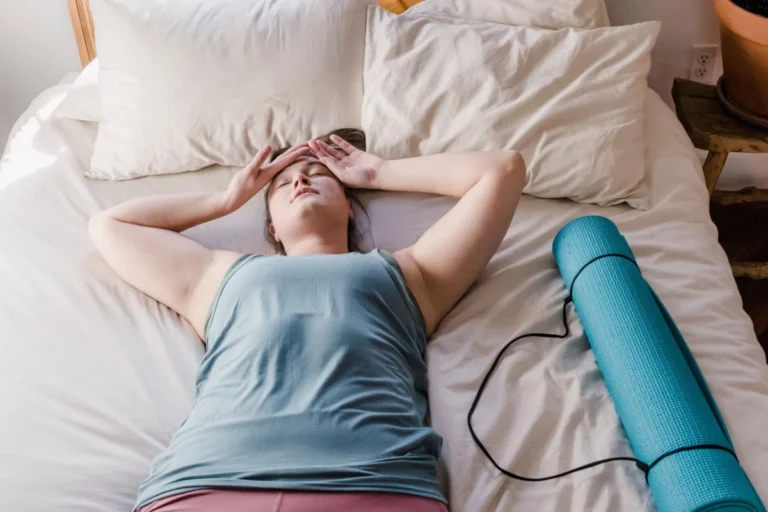
In an era defined by perpetual connectivity and the relentless pace of modern professional life, physical and mental exhaustion has become a universal constant. Many find themselves slumped at their desks by mid-afternoon, navigating the "slump" that follows a long week of cognitive labor. While the restorative "glow" of a yoga class is a familiar sensation to many, the challenge lies in replicating that feeling of alertness without spending an hour in a studio.
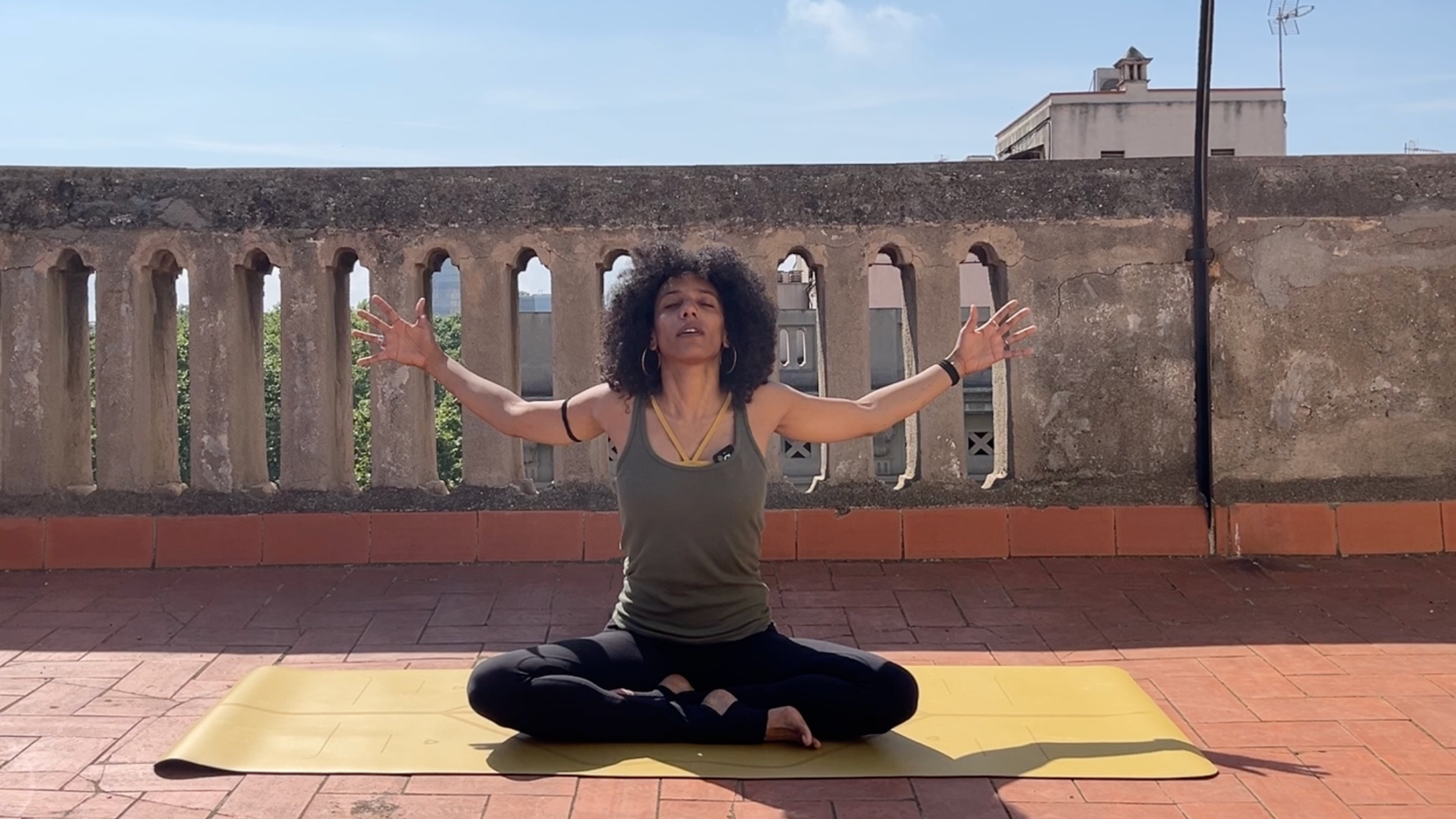
Yoga instructor Laia Bové, a veteran practitioner with over a decade of experience teaching students of all levels, has unveiled a targeted, 14-minute sequence specifically designed to act as an "energy hack." By integrating simple, accessible postures that facilitate better circulation, mental clarity, and physical grounding, Bové’s routine offers a sustainable bridge between exhaustion and engagement.
The Science of Intentional Movement
The efficacy of Bové’s routine lies in its commitment to consistency rather than intensity. Research in exercise physiology has long suggested that even brief bouts of movement can stimulate the central nervous system, boost blood flow to the brain, and release endorphins that counteract feelings of lethargy.
"The goal is not to exhaust yourself, but to re-engage with your physical, mental, and energetic state," Bové notes. By moving through a deliberate, 14-minute progression, practitioners can disrupt the cycle of sedentary fatigue. The sequence is designed to be modular, meaning it can be utilized as a morning jumpstart, a midday reset, or a gentle evening transition, depending on the practitioner’s needs.
Chronology of the 14-Minute Reset
This sequence is structured to move the body through a full range of motion, focusing on spinal health, hip mobility, and cardiovascular awareness.
Phase 1: Grounding and Spinal Awakening
The practice begins in a seated position, emphasizing the importance of alignment.
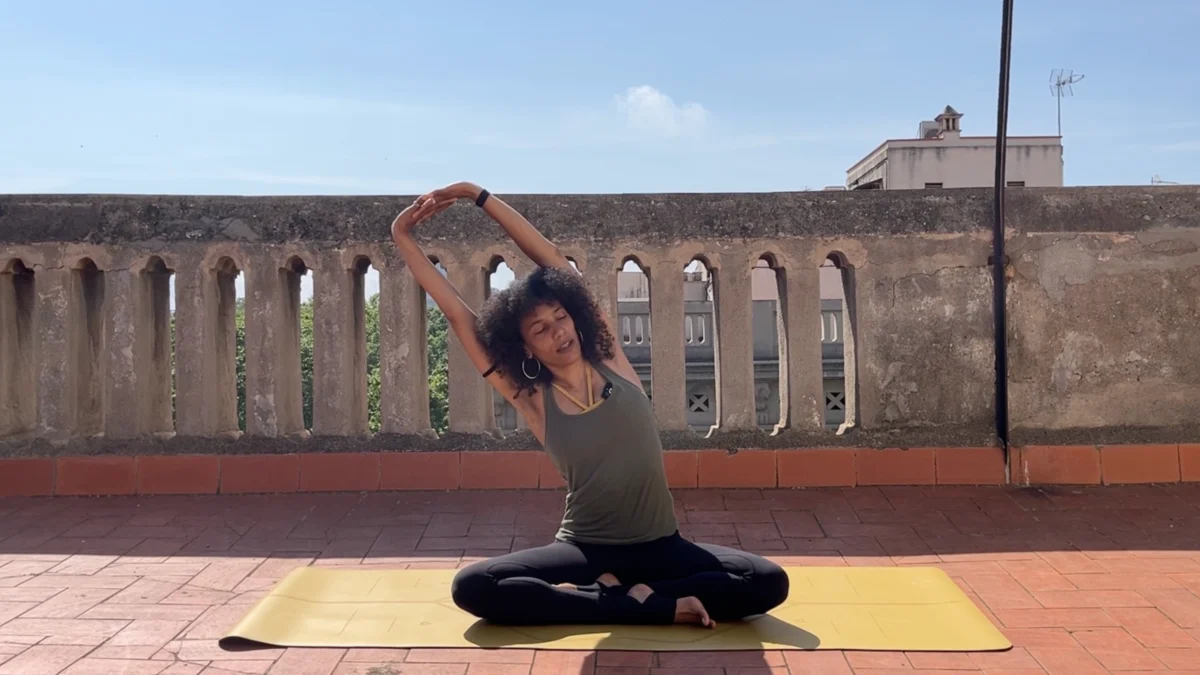
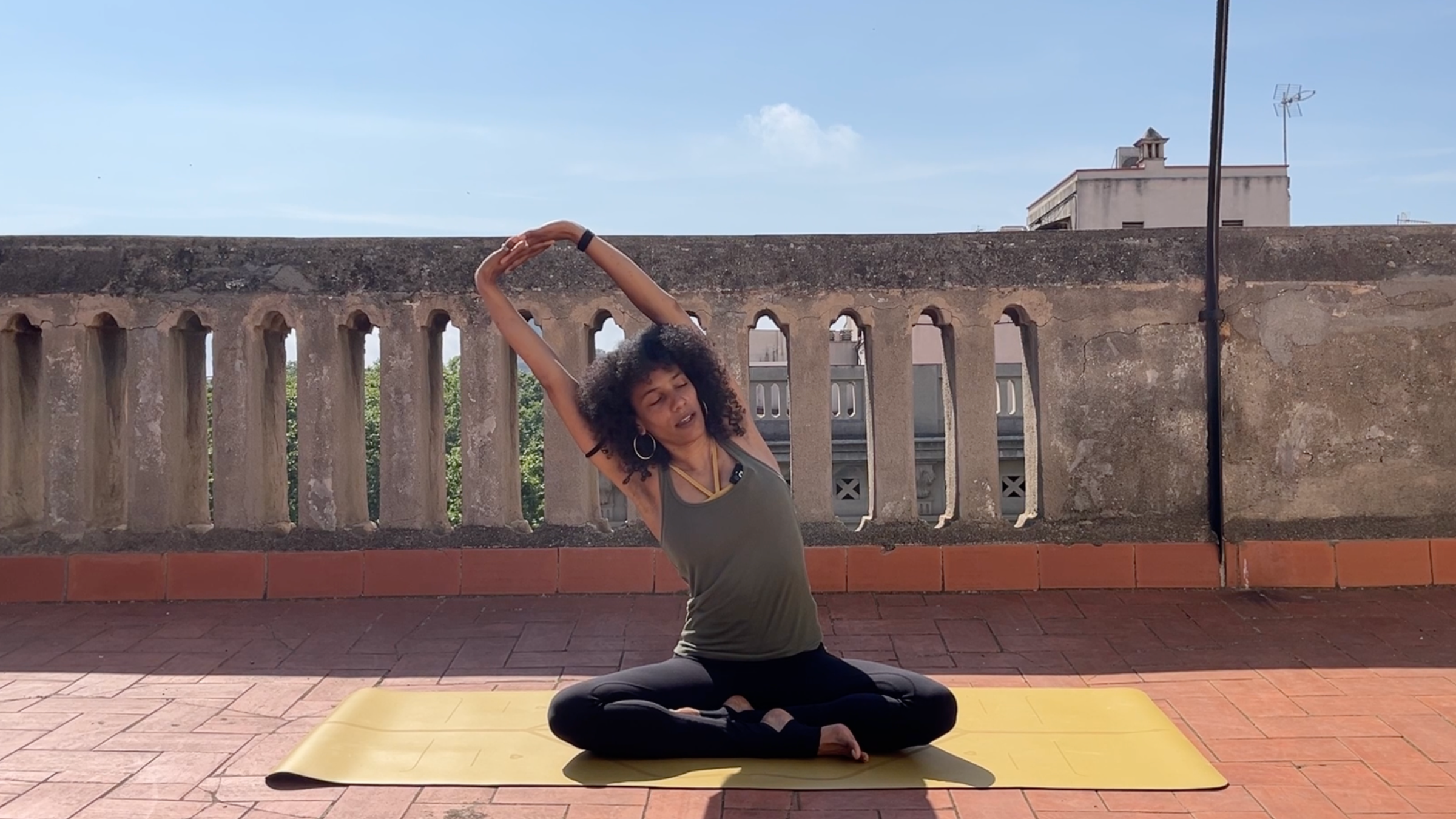
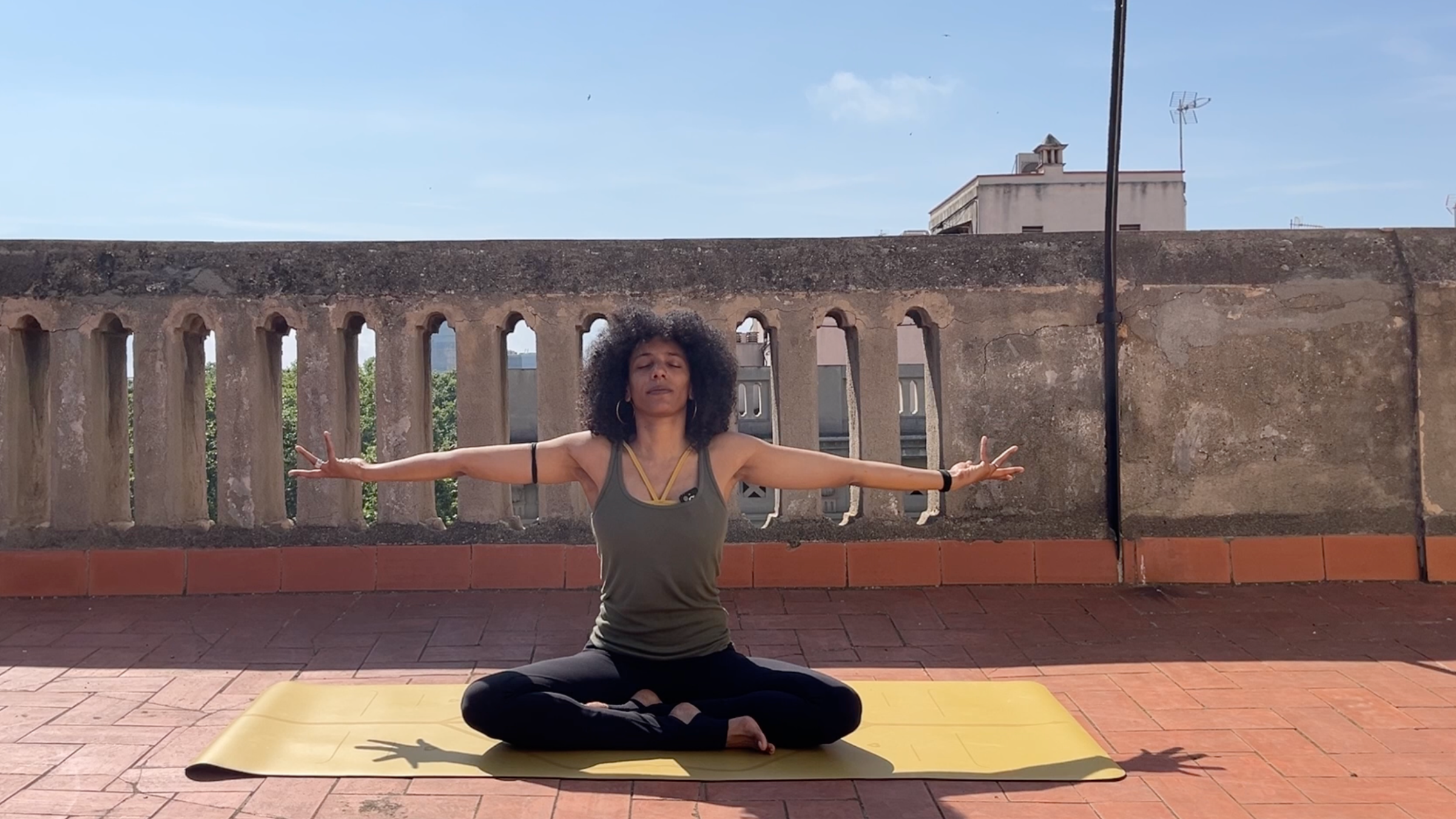
1. Seated Side Stretch: By reaching the arms skyward and leaning laterally, practitioners open the intercostal muscles, which can become constricted during long periods of sitting.
2. Seated Cat-Cow: This dynamic movement engages the spine, promoting fluidity and relieving tension in the lumbar region.
3. Arm Rotations: By focusing on external and internal rotation, Bové targets the shoulders—a primary site for stress-induced tension.
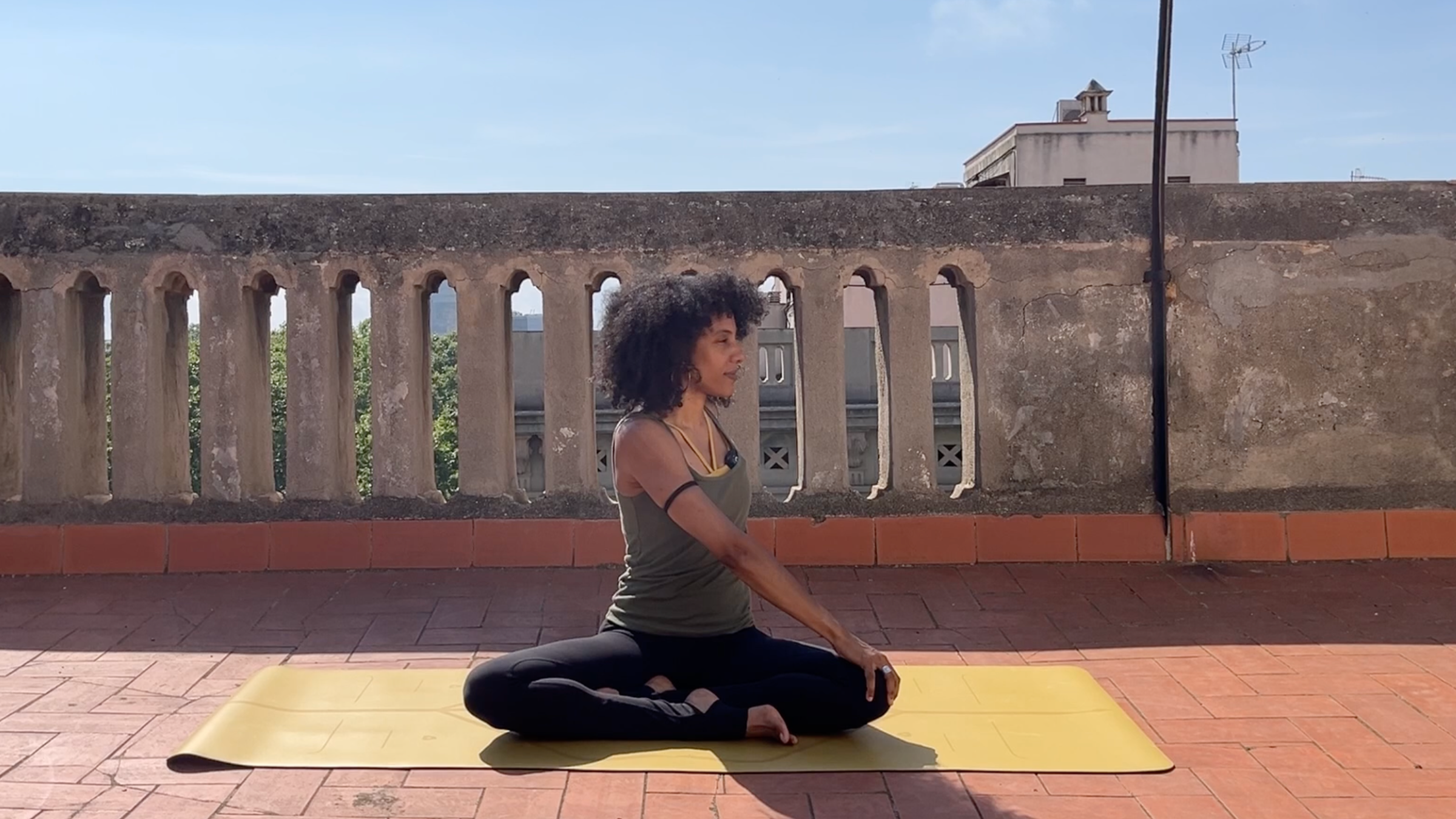
4. Seated Twist: A gentle spinal twist aids in detoxification and improves rotational mobility.
Phase 2: Building Heat and Strength
The middle portion of the routine transitions from seated postures to weight-bearing exercises, designed to wake up the muscles and elevate the heart rate slightly.
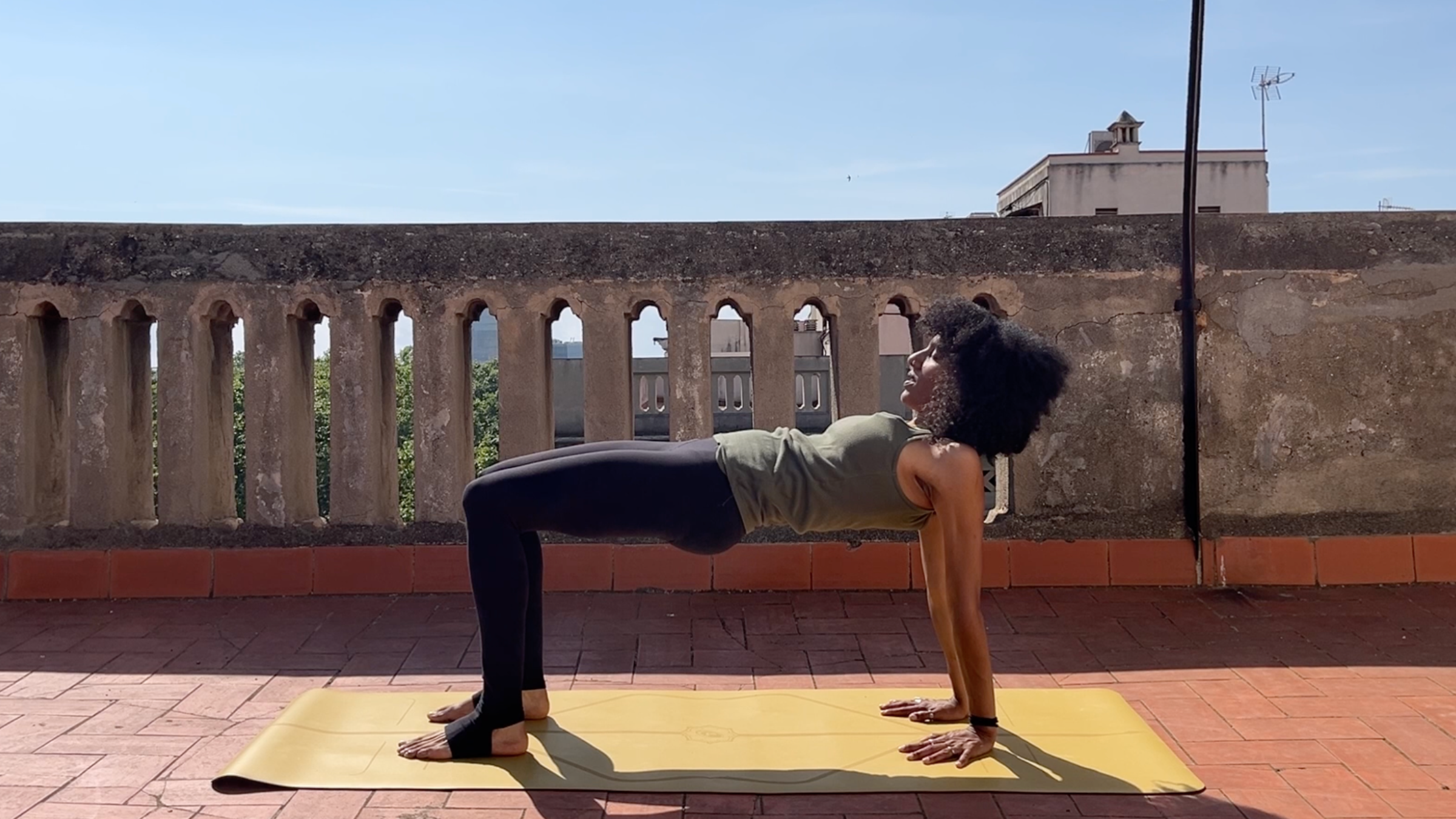
5. Reverse Tabletop: This pose strengthens the posterior chain and opens the chest.
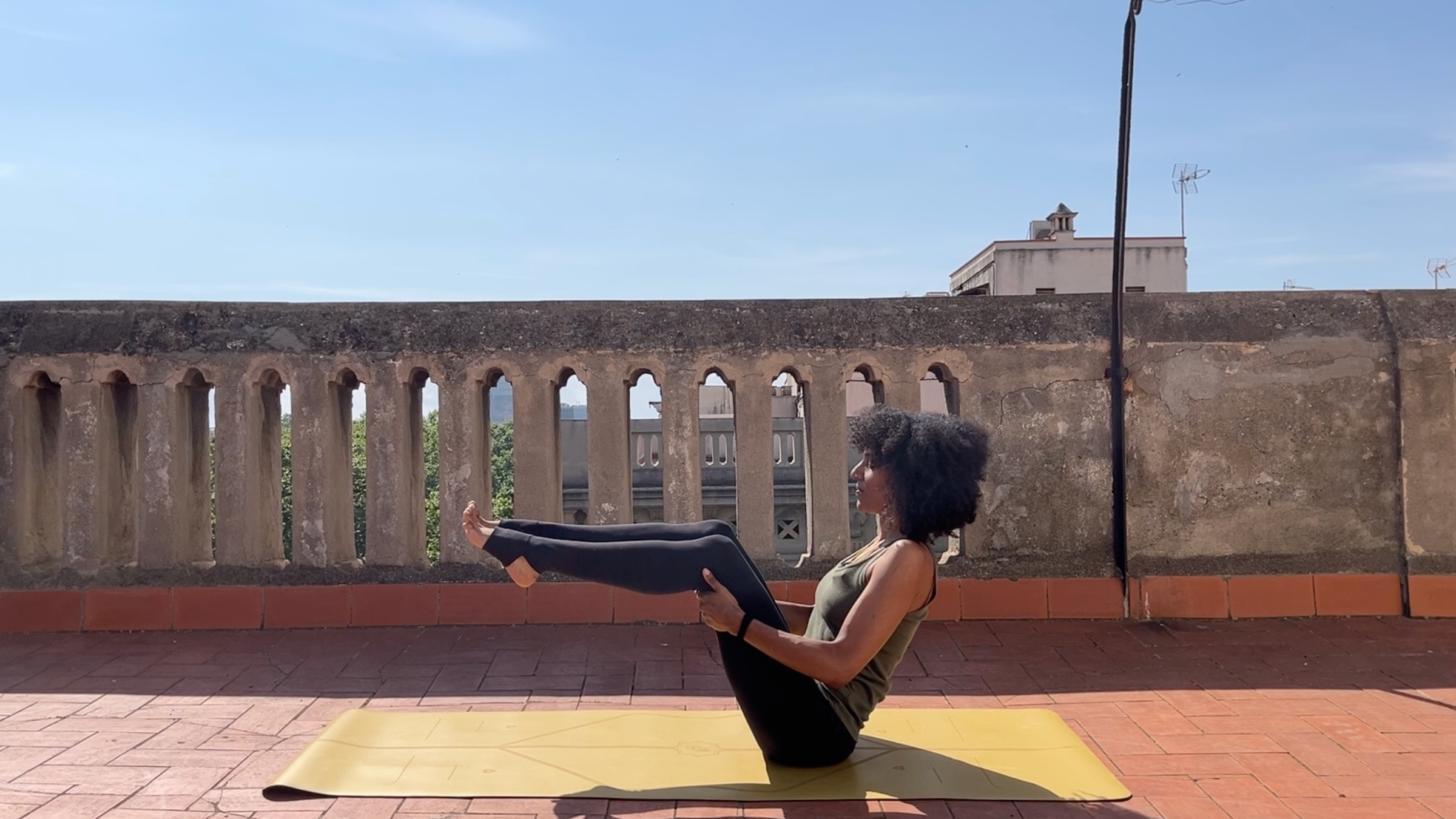
6. Boat Pose Variation: By engaging the core, this posture helps practitioners find their center, both literally and metaphorically.
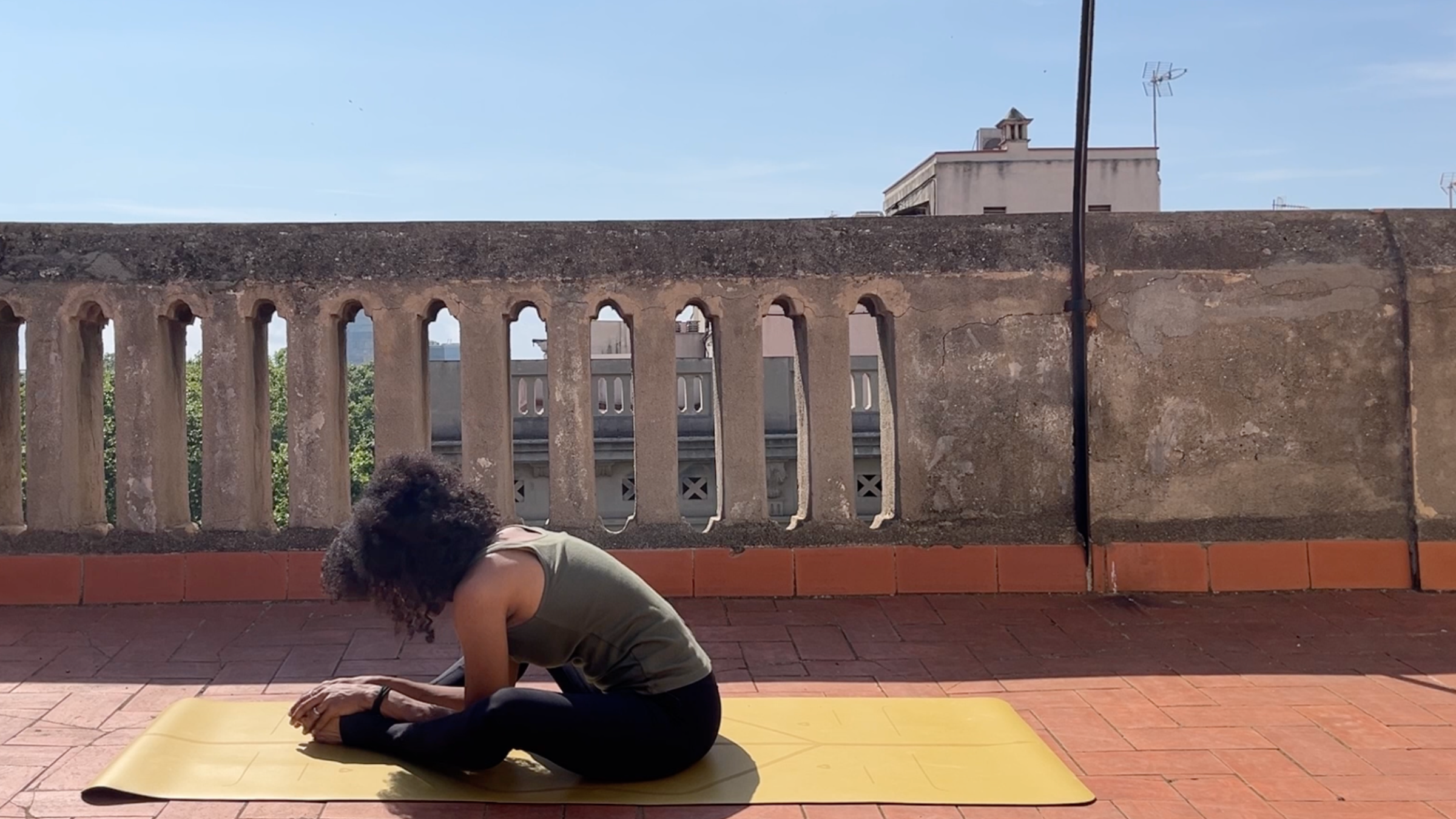
7. Bound Angle Pose: This stretch focuses on the hips, a common repository for emotional and physical stress.
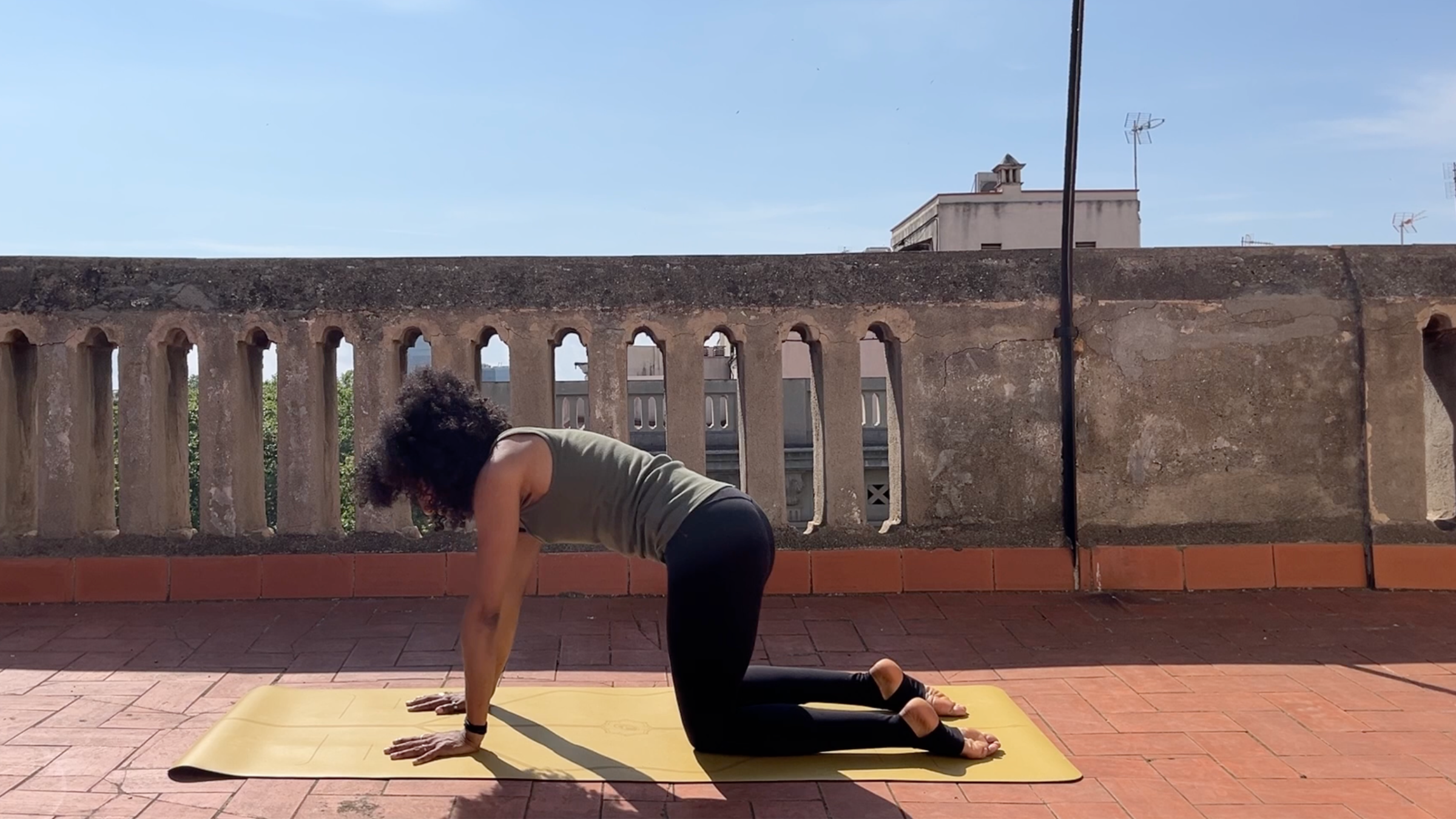
8. Hip Circles: By moving on all fours, the practitioner releases the pelvic floor and lumbar spine.
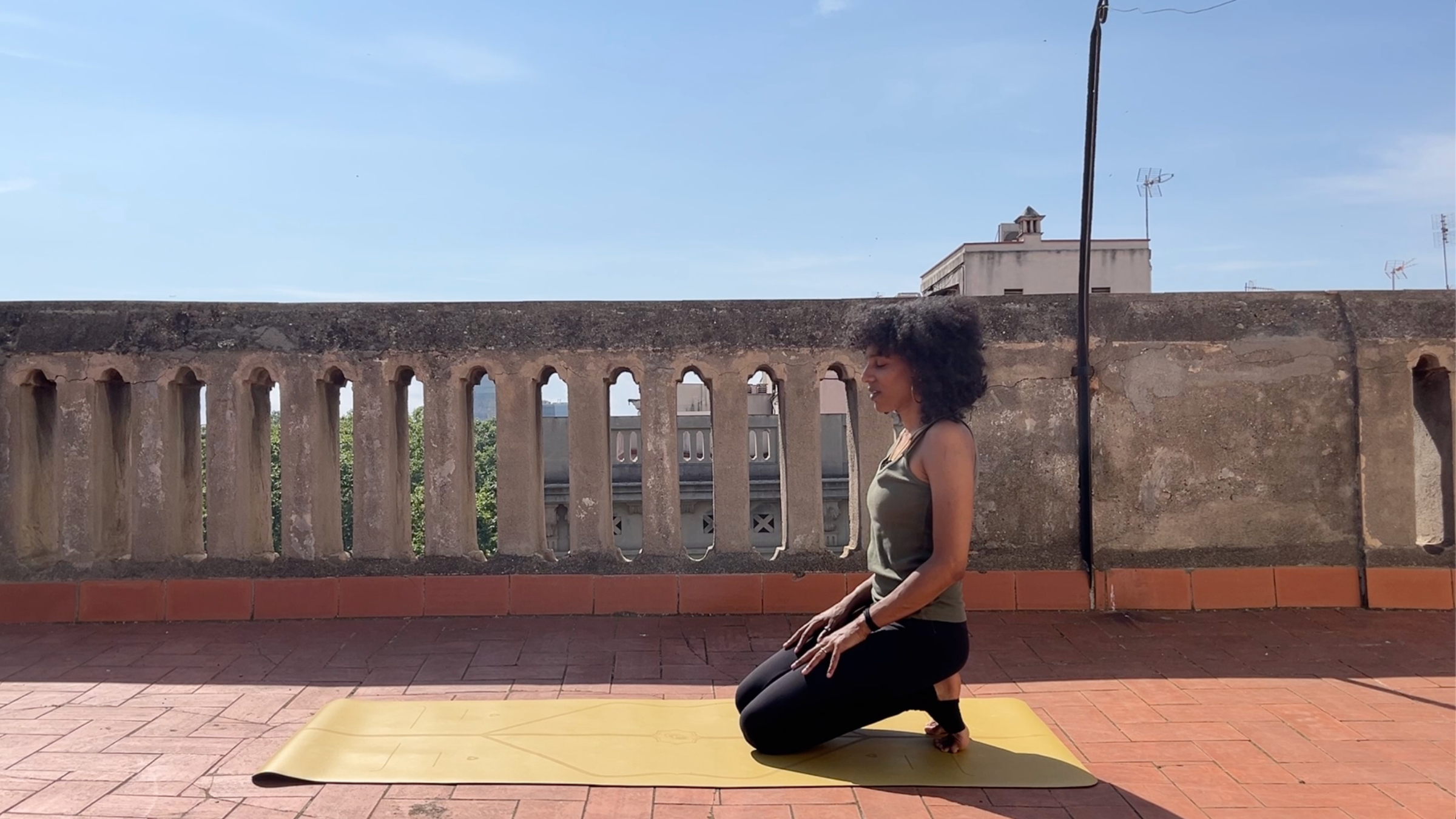
9. Toe Squat: While intense, this stretch targets the fascia in the feet, which is often ignored, helping to ground the practitioner.
Phase 3: Dynamic Flow and Integration
The final phase utilizes traditional Vinyasa-style movements to bring the energy levels to a peak before settling.
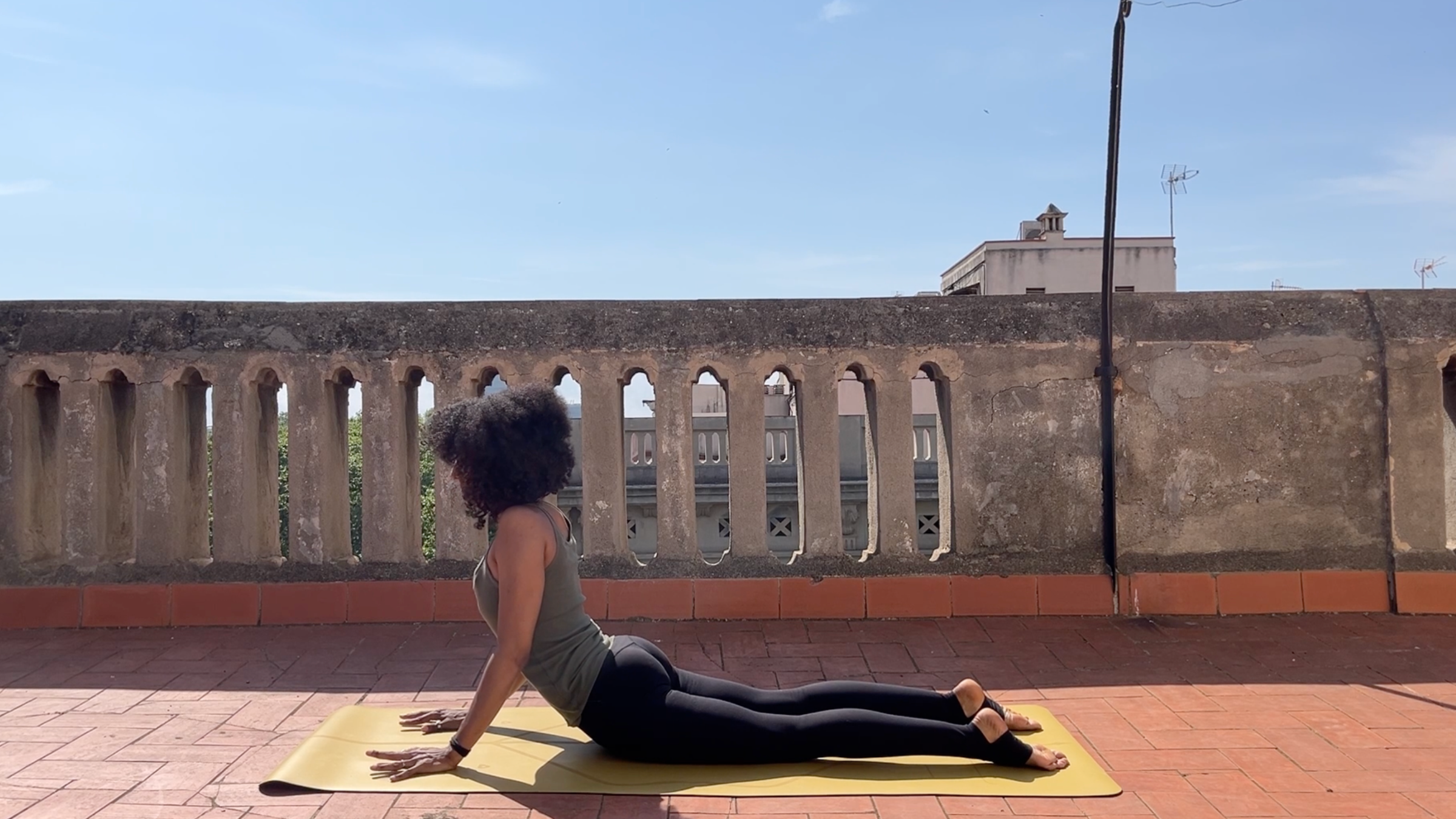
10. Cobra Pose: This backbend is essential for counteracting the "hunched" posture of desk work.
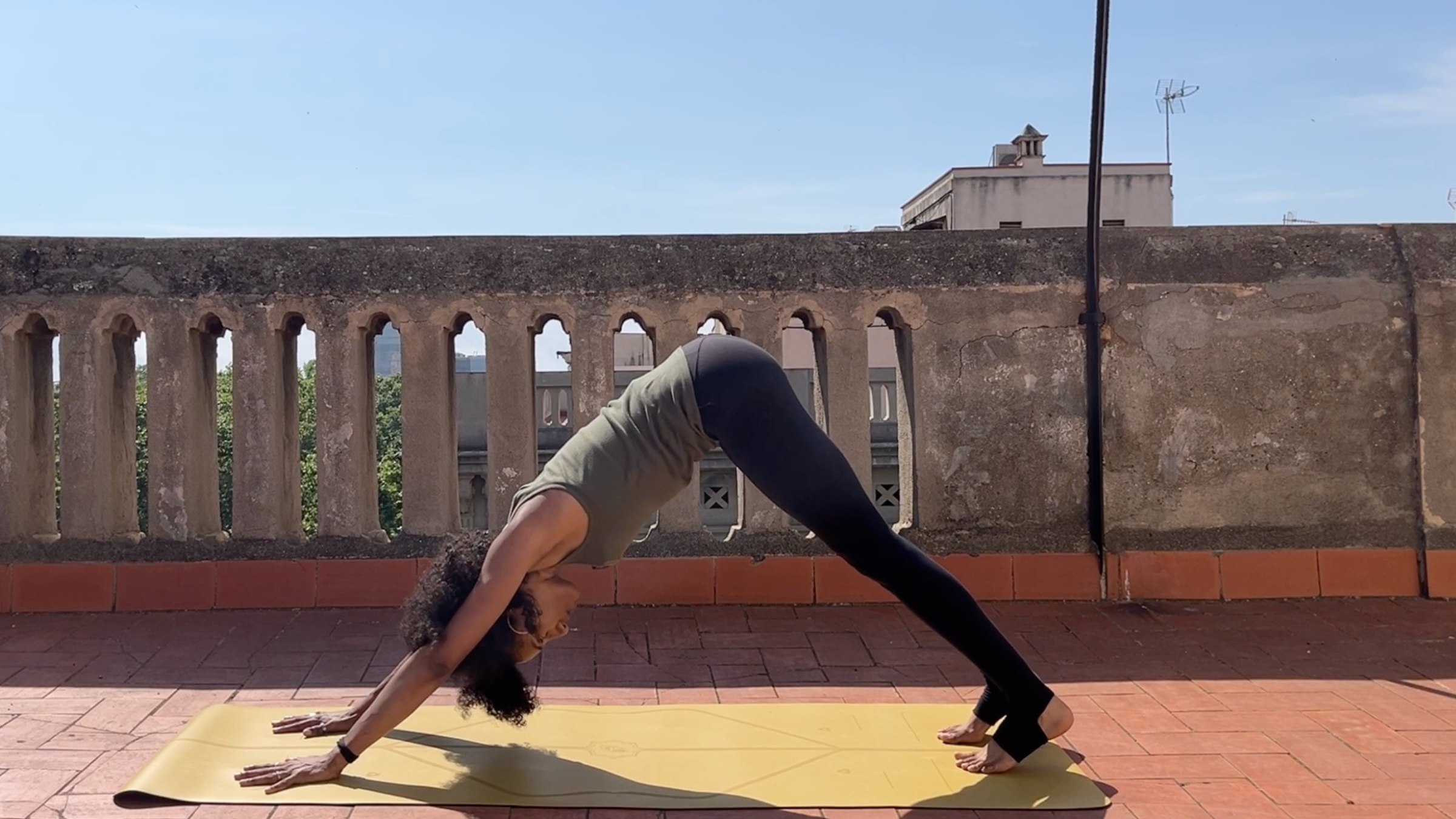
11. Downward-Facing Dog: A cornerstone of yoga, this pose serves as an inversion, increasing blood flow to the head.
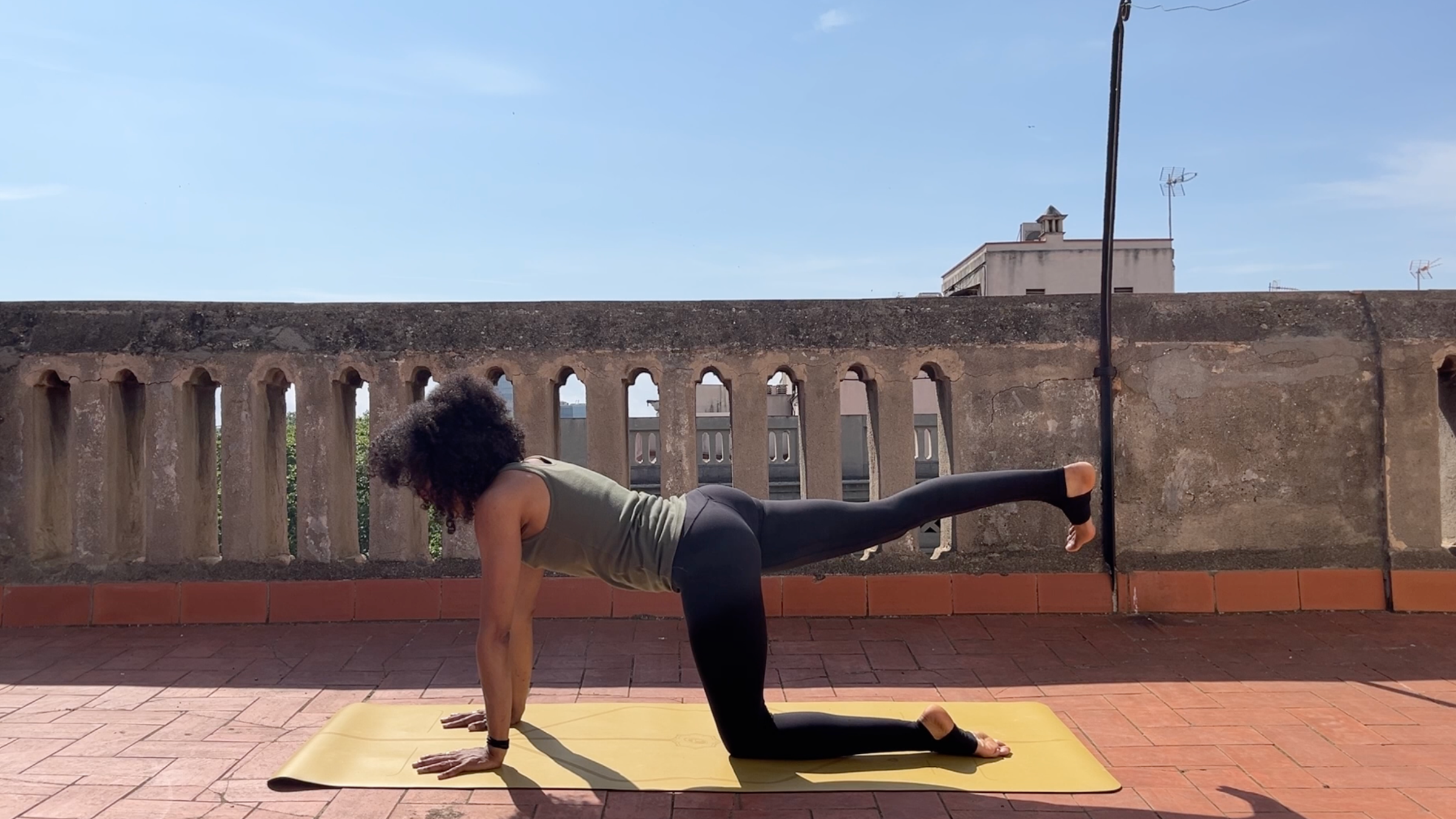
12. Bird Dog Variation: This encourages balance and coordination.
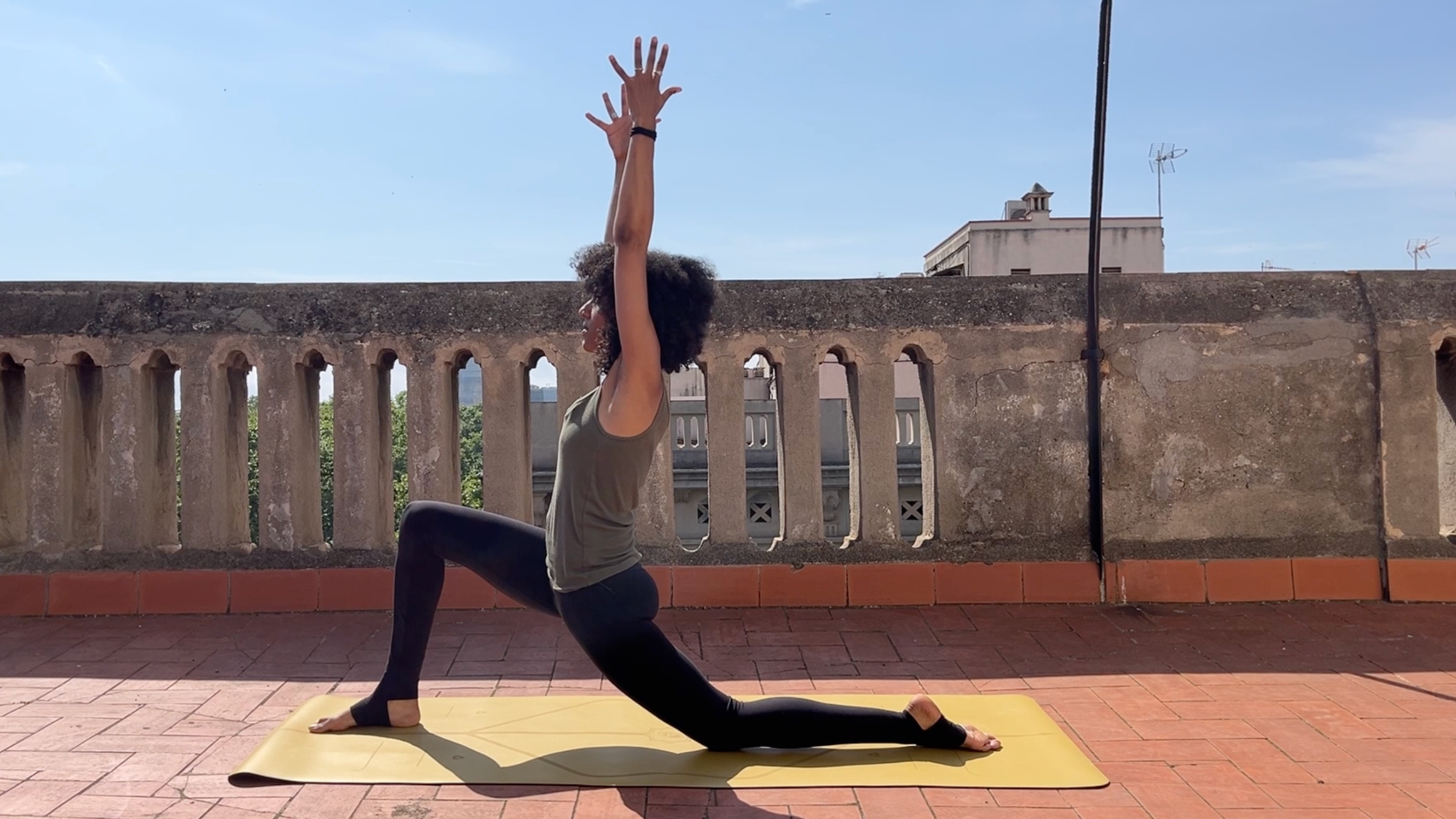
13. Low Lunge: A powerful hip flexor opener that prepares the body for the transition to standing.
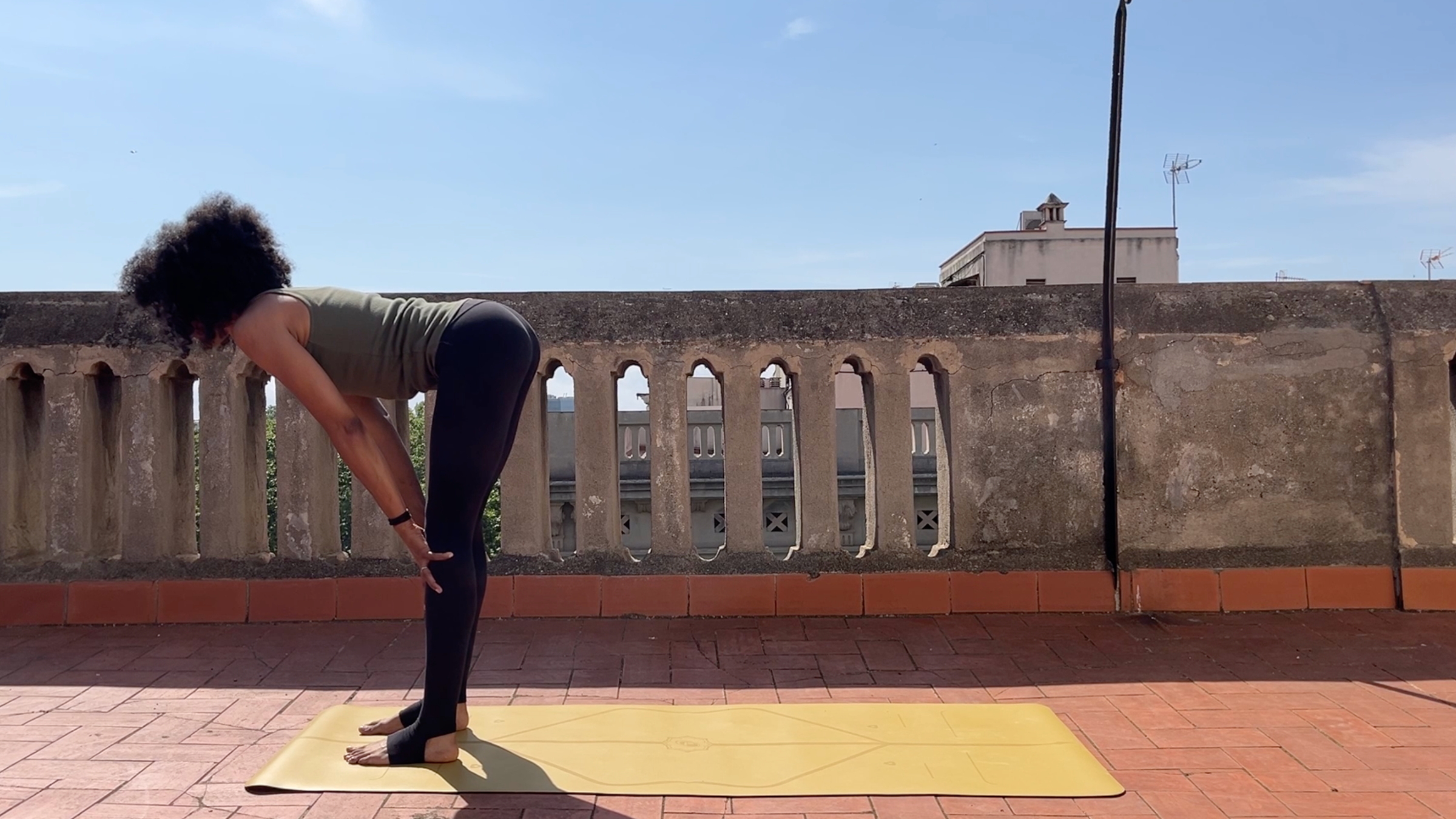
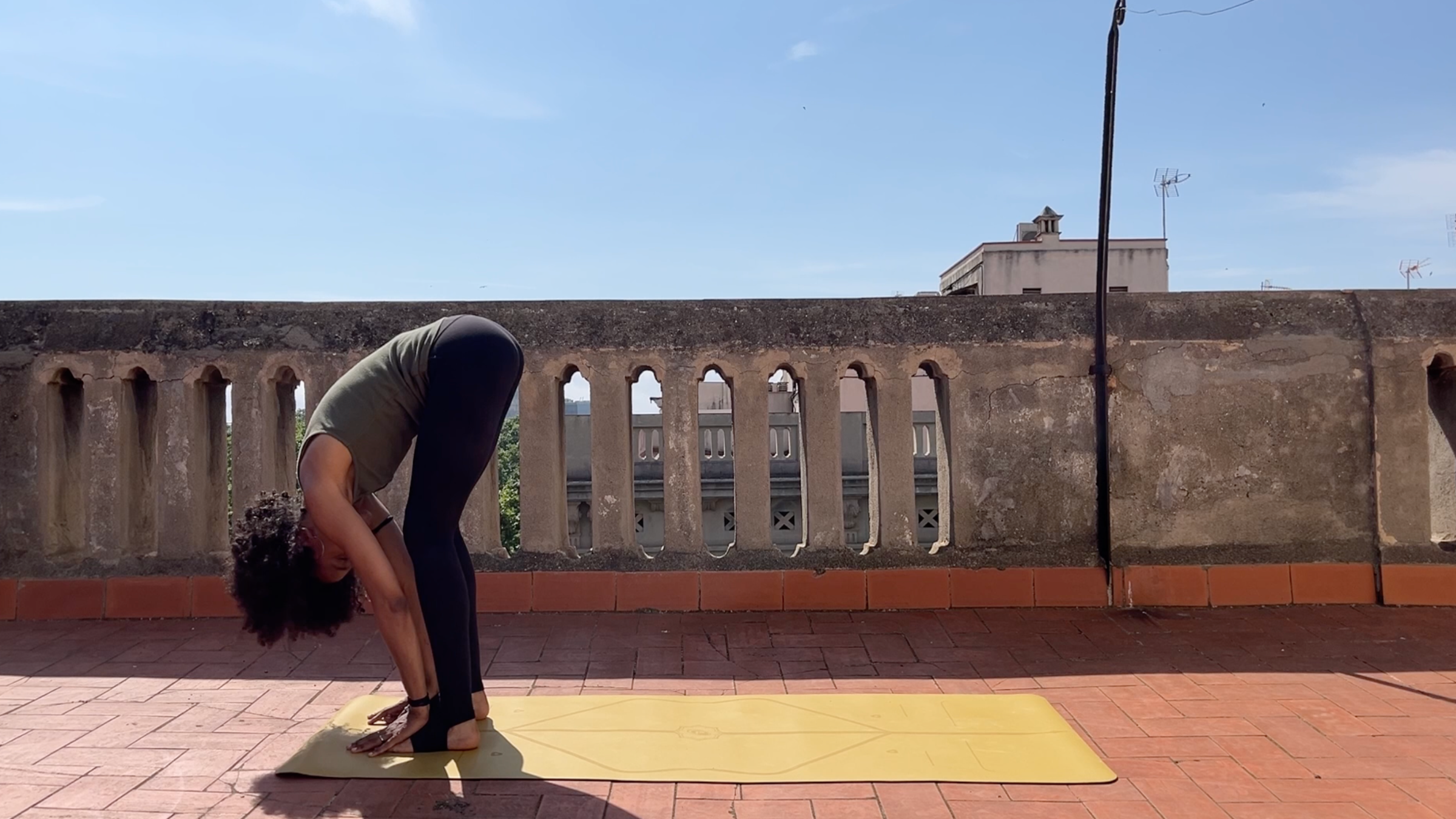
14. Standing Half Forward Bend to Forward Bend: These poses promote blood flow to the brain and allow the nervous system to calm down.
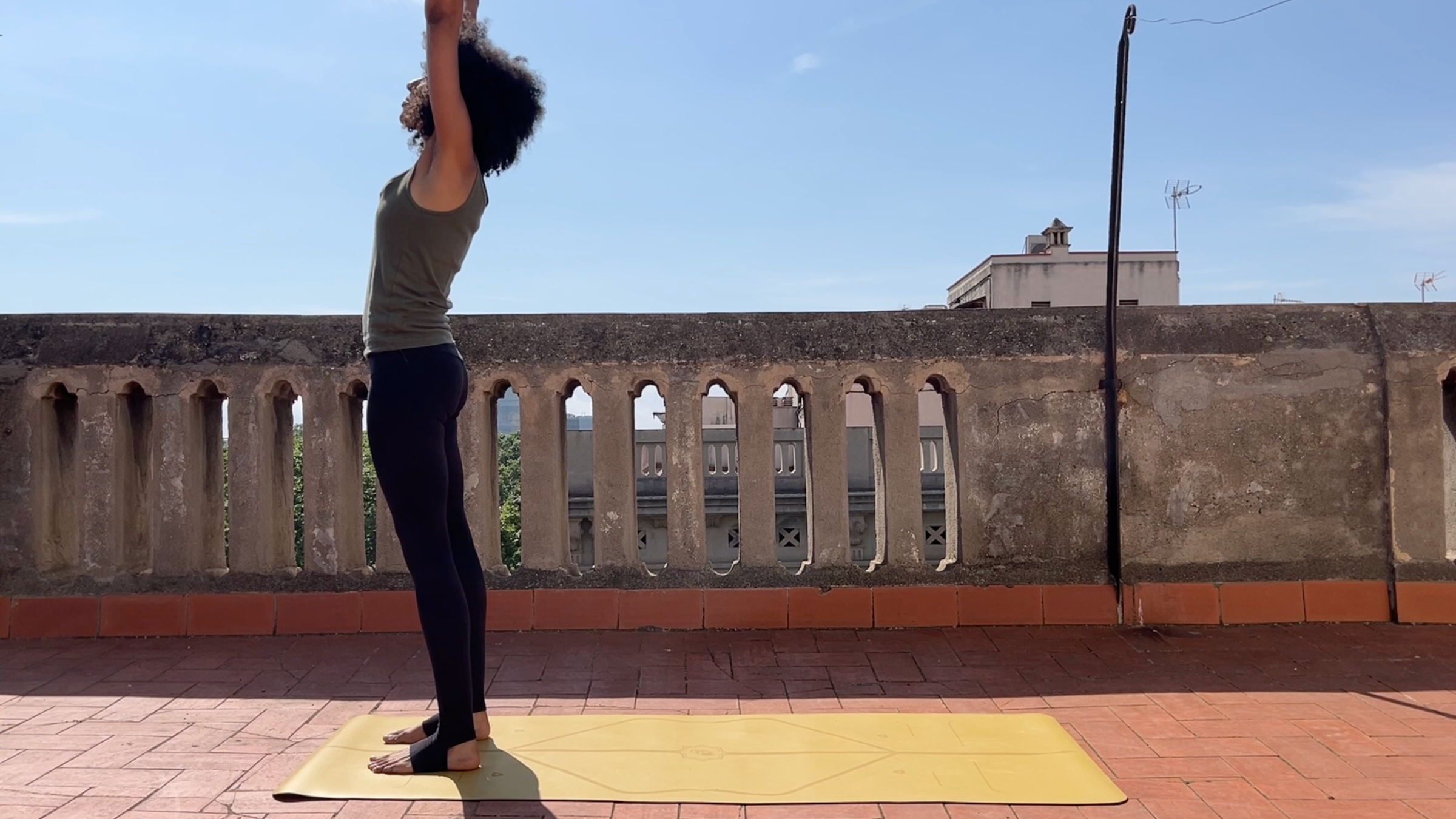
15. Upward Salute: This brings a sense of expansion and upward energy.
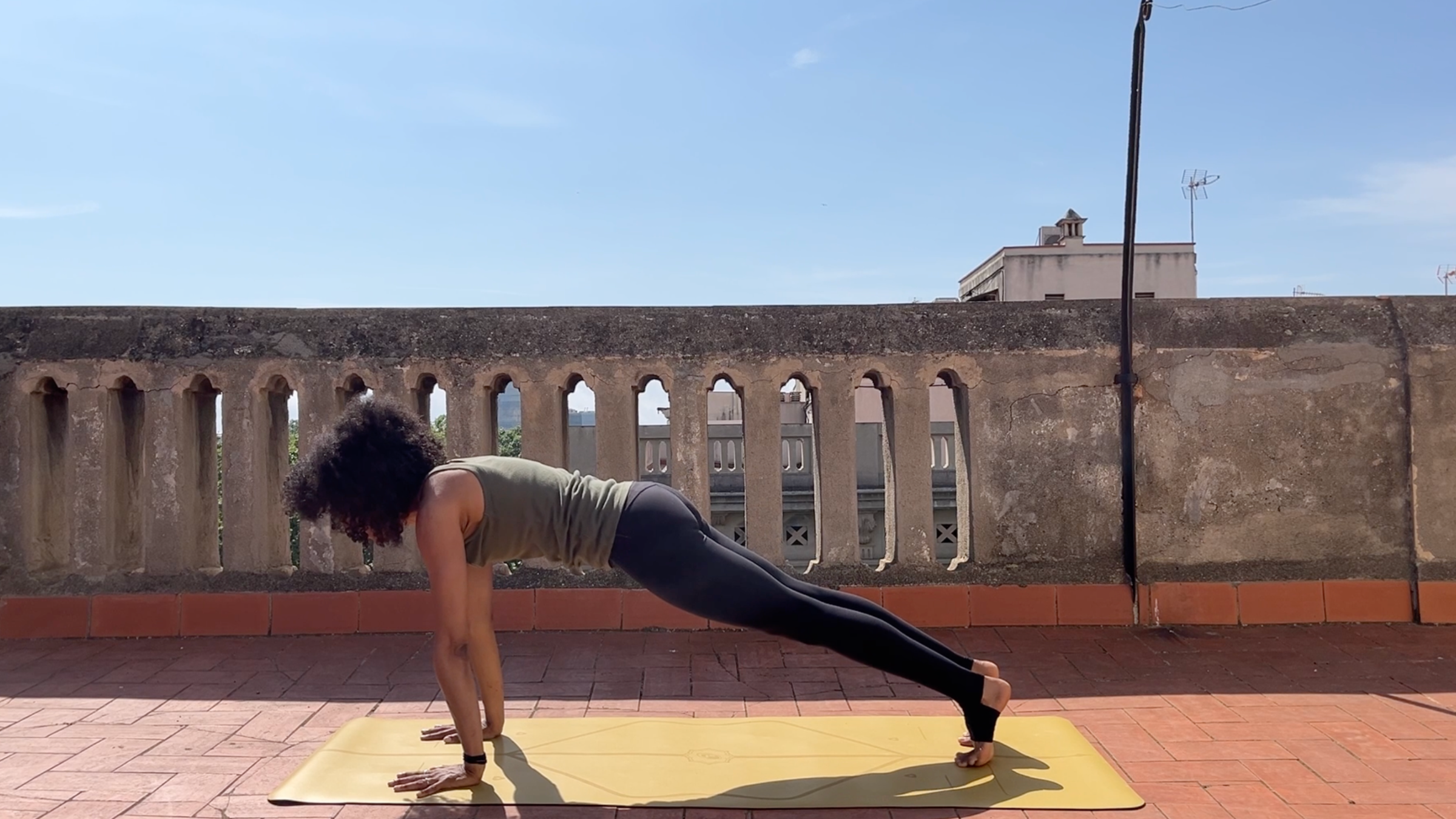
16. Plank Pose: A brief engagement of the entire body reinforces stability.
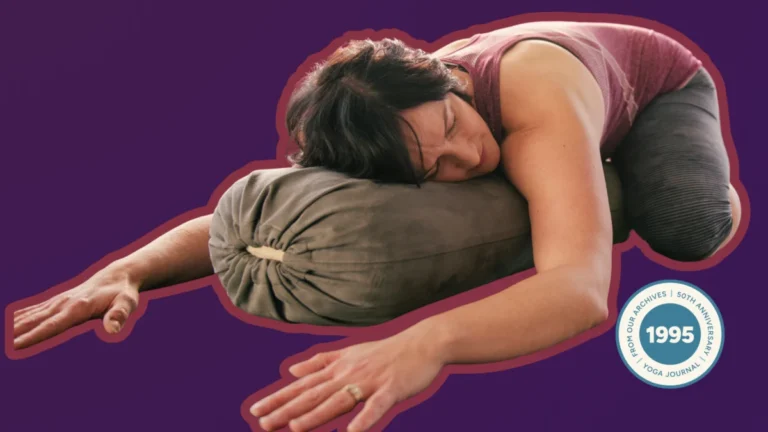
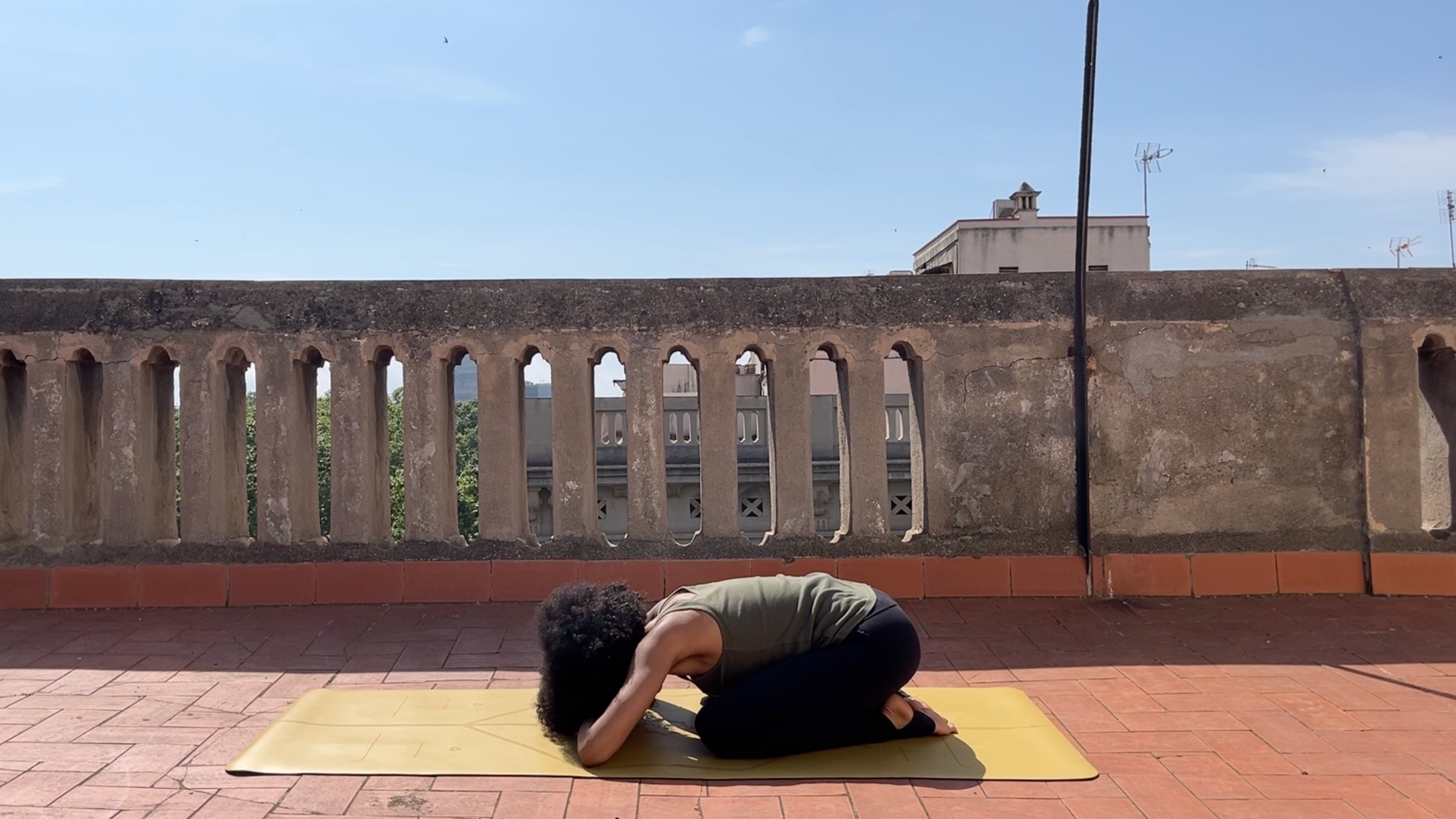
17. Child’s Pose: A moment of introspection and rest.
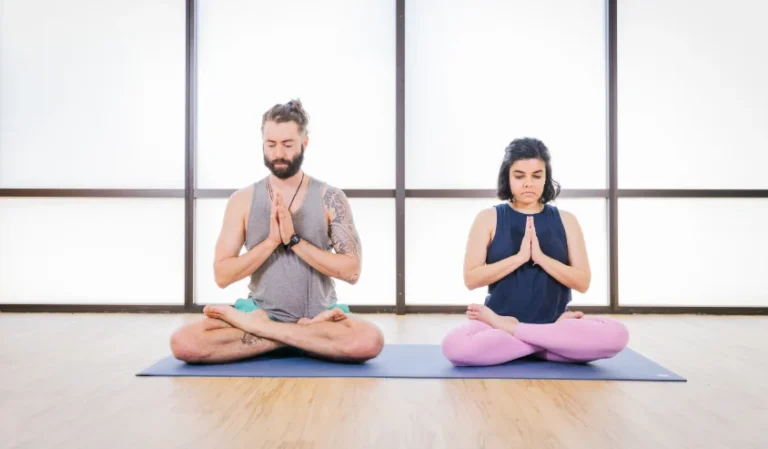
18. Easy Pose: The final seated meditation allows the practitioner to carry the benefits of the 14-minute movement into their next task.
Supporting Data: Why 14 Minutes Matters
The "14-minute threshold" is not arbitrary. Behavioral psychology suggests that the most effective habits are those that are "micro-doseable." When a task feels monumental—such as driving to a gym and working out for an hour—the likelihood of procrastination increases. By condensing the practice into a duration that fits within a standard coffee break, Bové creates a low barrier to entry.
Data on workplace wellness consistently demonstrates that employees who take short, active breaks exhibit higher levels of concentration and lower levels of cortisol (the stress hormone). A 2024 study on office-based physical activity found that just 10 to 15 minutes of guided stretching improved self-reported alertness by 22% among corporate employees.
Professional Perspectives on Mobility
Industry experts have noted that the "sedentary lifestyle crisis" cannot be solved by a weekend workout alone. The body requires movement "snacks" throughout the day. Laia Bové’s sequence is lauded by physical therapists for its focus on the thoracic spine and hips—two areas that are most negatively impacted by modern sedentary habits.
"The beauty of this sequence is the inclusion of the ‘Toe Squat’ and ‘Arm Rotations,’" says one sports medicine consultant. "These movements target the extremities and small stabilizer muscles that are rarely activated in standard gym workouts. By including them in a short, 14-minute window, the practitioner is doing more than just stretching; they are performing ‘maintenance’ on their biomechanical framework."
Implications for Daily Productivity
The implications of adopting such a routine extend far beyond physical health. For the modern professional, the ability to transition from a state of "slump" to "readiness" is a competitive advantage.
- Mental Clarity: By shifting focus from a screen to the body, the brain enters a state of "active rest," which is often when creative problem-solving occurs.
- Postural Correction: Regular practice of the Cobra and Downward Dog poses helps counteract the "tech neck" associated with smartphone and laptop use.
- Emotional Regulation: The rhythmic breathing inherent in the sequence serves as a reset button for the autonomic nervous system, moving the body from a "fight or flight" stress response to a "rest and digest" state.
Conclusion: A Sustainable Habit
Laia Bové emphasizes that this 14-minute sequence is not meant to be a performance. It is a tool for personal maintenance. By treating this time as a non-negotiable appointment with oneself, individuals can build a more sustainable relationship with their energy levels.
In a world that demands constant output, the most radical act of productivity may be to pause, step onto a mat, and move with intention. As Bové demonstrates, you don’t need to change your entire life to feel better; you only need 14 minutes and a willingness to reconnect with the body. Whether you are a seasoned yogi or a complete beginner, this sequence offers a practical, effective path to a more energized, focused, and refreshed version of yourself.