











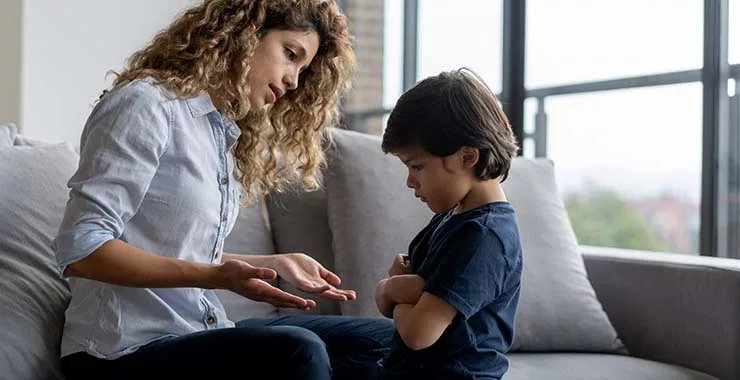
Anxiety is an inseparable facet of the human experience. From the mounting pressures of financial instability and professional uncertainty to the delicate balance of parenting and personal health, worry is a constant companion in the modern world. However, there is a critical distinction between the natural ebb and flow of daily concern and the clinical reality of anxiety disorders. As mental health awareness reaches an all-time high, parents are increasingly asking a sobering question: "Am I passing my anxiety on to my child?"
The answer is complex, rooted in a blend of genetic predisposition and environmental conditioning. While we cannot always control our biological inheritance, experts suggest that we have profound influence over the atmospheric environment in which our children develop. By understanding how anxiety manifests, transmits, and—crucially—how it can be mitigated, parents can move from a place of fear to a position of empowered, resilient guidance.
The Spectrum of Anxiety: Beyond Everyday Worry
To address the transmission of anxiety, we must first define the pathology. Clinical anxiety disorders are characterized by persistent, excessive fear and worry that fundamentally disrupt an individual’s quality of life. Unlike passing stress, these conditions interfere with the daily machinery of living.
In pediatric populations, this disruption often manifests as school avoidance, difficulty forming peer relationships, sleep disturbances, or a sudden, marked inability to focus in the classroom. Among adults, the manifestations are equally debilitating, impacting professional efficacy, the stability of romantic partnerships, social integration, and physical health. Anxiety is not merely a "state of mind"; it is a systemic experience involving physical symptoms, emotional volatility, and ingrained behavioral patterns. When these symptoms cross the threshold into impairment, they fall under the diagnostic umbrella of anxiety disorders.
The Biological Blueprint: Genetics and Heritability
A primary concern for many parents is the degree to which anxiety is "hardwired." Genetic research has provided compelling, albeit sobering, data. Studies into the heritability of anxiety disorders suggest a significant genetic component, with heritability rates estimated between 30% and 67%.
This does not mean that a parent with an anxiety disorder will inevitably produce a child with the same diagnosis. Instead, it suggests that a child born to a relative with an anxiety disorder faces a statistically higher likelihood of experiencing similar challenges throughout their lifetime. Genetics provides the "loading of the gun," but as current research highlights, the environment often provides the "trigger."
Environmental Transmission: The Feedback Loop
If genetics provide the baseline, the home environment acts as the primary laboratory where anxiety is refined and reinforced. A landmark study published in the American Journal of Psychiatry analyzed 900 families with twin parents to isolate the impact of environmental factors. The findings were definitive: anxiety can be passed from parent to child through environmental exposure, independent of shared genetic material.
This creates a bidirectional feedback loop. Children are masterful observers; they learn through social referencing, looking to their caregivers to determine whether a situation is safe or threatening. If a parent consistently models anxious behavior, the child learns that the world is inherently dangerous. Conversely, the child’s own emerging anxious behaviors can exacerbate a parent’s stress, creating a self-perpetuating cycle of apprehension.
Anxious Talk: The Danger of "Overheard" Narratives
Children possess an uncanny ability to tune into conversations they were never intended to hear. While parents often believe they are shielding their children from "adult" topics, the reality is that children are expert at filling in the blanks of fragmented information.
When parents discuss stressors—be it the rising cost of living, political instability, or reports of violence—they often do so with an intensity that children internalize. A child who overhears snippets of a conversation about school shootings may lack the cognitive maturity to contextualize the threat, instead internalizing a narrative that school is a place of imminent danger. This "anxious talk" becomes the background noise of their development, shaping their worldview into one defined by caution and apprehension rather than curiosity and exploration.
Avoidance Patterns: Teaching Fear as a Strategy
One of the most common, yet damaging, responses to anxiety is avoidance. When we feel fear, our survival instinct demands we retreat. If a parent was bitten by a dog in childhood, they may categorize all dogs as unpredictable threats. While this reaction is a natural trauma response, it becomes a pedagogical tool when witnessed by a child.
When a parent avoids a situation, they are implicitly teaching their child that the situation is unmanageable. If a parent crosses the street to avoid a dog, the child learns that the animal is a danger that must be shunned. Over time, these avoidance patterns calcify into phobias.
Breaking this cycle requires a collaborative approach. If one parent recognizes their own phobia, they should partner with another trusted adult—a spouse, relative, or friend—to provide the child with positive, controlled exposure to the trigger. By outsourcing the management of a specific fear, the parent prevents their own anxiety from becoming the child’s limitation.
The Cost of Overprotection
In an attempt to protect their children, many parents inadvertently foster a "risk-averse" mindset. This manifests in behaviors such as constant warnings ("Be careful," "Don’t climb too high," "Stop running"), which send a singular, corrosive message: the world is a dangerous place, and you are not equipped to handle it.
While safety is paramount, there is a vital distinction between calculated risk and unnecessary danger. Children require "calculated risks" to develop executive function and emotional resilience. When we remove all obstacles, we deny children the opportunity to assess their own limits. A child who is never allowed to skin their knee is a child who never learns that they can recover from a minor setback. Overprotection is, paradoxically, a primary driver of long-term anxiety, as it leaves the child with no internal database of successful, independent risk-management.
Proactive Mitigation: Breaking the Cycle
Recognizing the patterns of transmission is the first step toward change. Parents have the power to "rewire" the environment, fostering resilience rather than anxiety.
Identifying the Trigger Map
Parents should begin by keeping an "anxiety log." By recording the timing, circumstances, and internal dialogue surrounding an anxious episode, one can begin to identify recurring triggers. Is it the morning school rush? A specific social setting? Financial review? Once these triggers are identified, they can be addressed through professional support, stress management techniques, or proactive planning.
Encouraging Positive Challenges
Resilience is built through exposure to challenge. Instead of hovering, parents should encourage children to push their boundaries. If a parent feels anxious watching their child on a climbing wall, they should practice self-regulation—perhaps by taking a walk or engaging in a grounding exercise—rather than projecting that anxiety onto the child by forcing them down. The goal is to allow the child to encounter the world on their own terms, providing support from the sidelines rather than shielding them from the experience of challenge.
Modeling Healthy Coping Skills
Children do not learn how to handle stress by hearing lectures on the topic; they learn by watching their parents manage their own stress in real-time. When a parent experiences a stressful day, they can model healthy coping mechanisms:
- Verbalizing the Process: "I am feeling a bit stressed about this project, so I am going to take five minutes to breathe and clear my head before I continue."
- Reframing: Instead of "I can’t handle this," model "This is a difficult situation, but I am taking it one step at a time."
- Physical Regulation: Teaching children basic deep-breathing exercises or mindfulness techniques provides them with a toolkit for when they feel overwhelmed.
Implications: Building a Resilient Future
The goal of parenting is not to create a life free of anxiety—that is an impossible, and perhaps undesirable, standard. Anxiety is a normal signal of the body and mind. The goal is to foster the capacity to navigate that anxiety effectively.
When parents take responsibility for their own emotional health, they do more than just improve their own quality of life; they break the intergenerational chain of fear. By replacing avoidant behaviors with resilient ones, and by replacing overprotection with calculated independence, parents provide their children with the most valuable gift: the belief that they are capable, prepared, and strong enough to handle the challenges of an unpredictable world.
Anxiety may be a part of the human journey, but it need not be the destination. Through awareness, intentional action, and a commitment to emotional growth, parents can ensure that their children move forward not with a shadow of fear, but with the confidence to meet the world head-on.