









From the Yoga Journal Archives: A look back at the timeless wisdom of adapting Surya Namaskar for the modern practitioner.
Sun Salutations, or Surya Namaskar, represent the heartbeat of a yoga practice. They are a rhythmic, cyclical meditation—a graceful interplay of breath and movement that allows the practitioner to slip into a profound flow state. However, as the practice has evolved from its ancient roots into the mainstream fitness landscape, a common misconception has taken hold: that the efficacy of a Sun Salutation is tied to the physical intensity or the "perfection" of the pose.
In this archival feature, originally published in the September-October 1990 issue of Yoga Journal, we revisit the importance of accessibility. Whether you are managing chronic tightness in the hamstrings or simply seeking a way to sustain your practice for decades to come, modifying your flow is not a sign of weakness—it is a mark of a sophisticated, self-aware practitioner.
The Core Philosophy: Why We Modify
At its essence, the Sun Salutation is designed to align the breath with the body, generating internal heat and fostering mental clarity. For many, however, the rigid structure of a standard flow—specifically the transition from high-intensity planks to deep, straight-legged forward folds—can be prohibitive.
Tight hamstrings, lower back sensitivity, or a lack of upper-body strength can often lead to frustration rather than flow. By integrating specific variations, practitioners can bypass the struggle of forcing the body into rigid shapes, allowing the nervous system to remain calm while the musculature safely builds endurance. This approach emphasizes the quality of the movement over the geometry of the pose.
Chronology of the Flow: A Step-by-Step Guide
To understand how to modify the practice, one must look at the progression of the sequence. This variation is designed to be inclusive, prioritizing spinal integrity and joint safety while retaining the cardiovascular benefits of the traditional sequence.
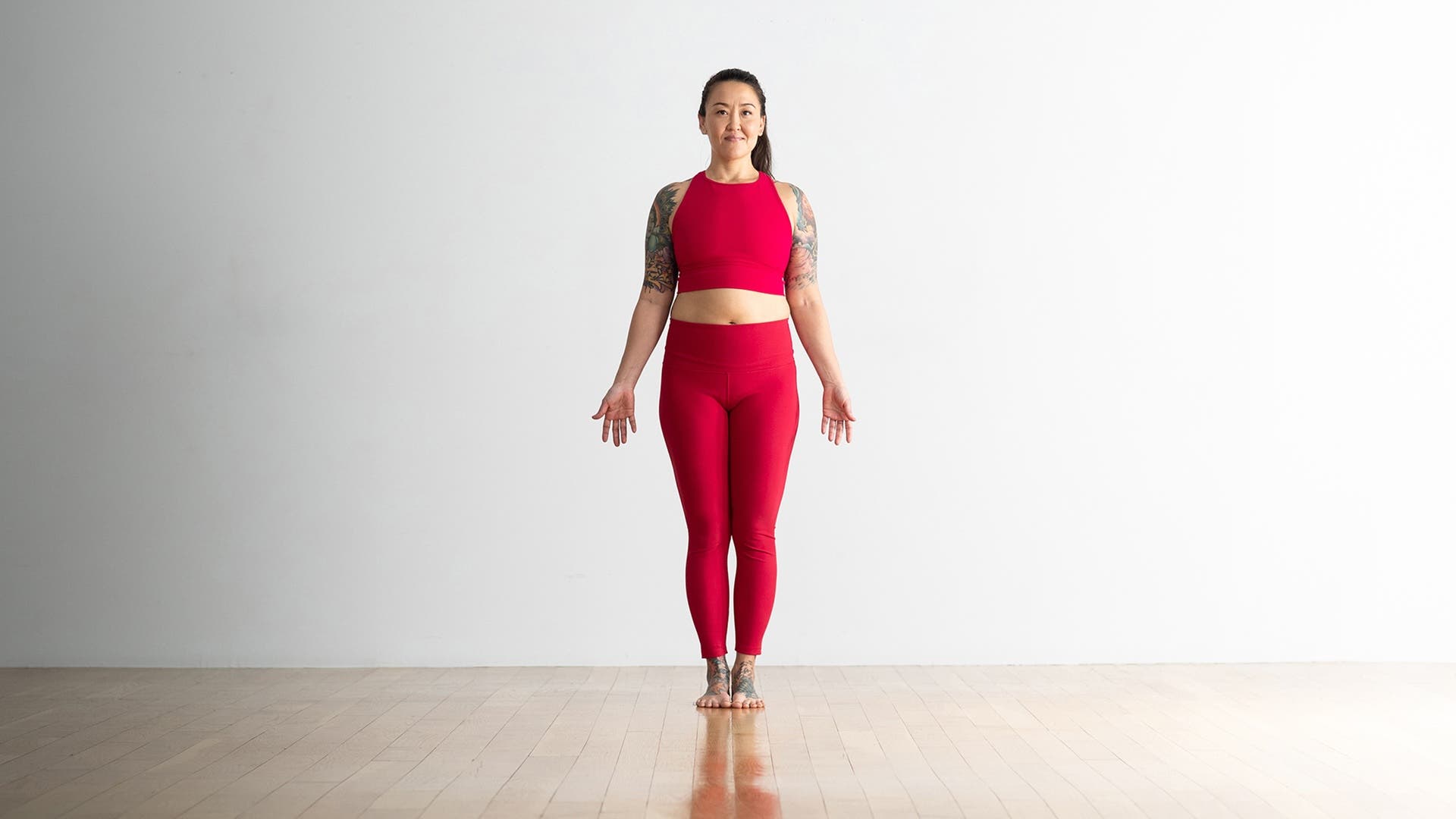
1. Mountain Pose (Tadasana)
The sequence begins in stillness. In Mountain Pose, you establish the foundation of the entire flow. Stand with your feet hip-width apart, rooting down through the soles of your feet. Whether your hands rest by your sides or at your heart, the goal is to cultivate a sense of groundedness. This is the moment to set your intention and regulate your breathing before the physical movement begins.
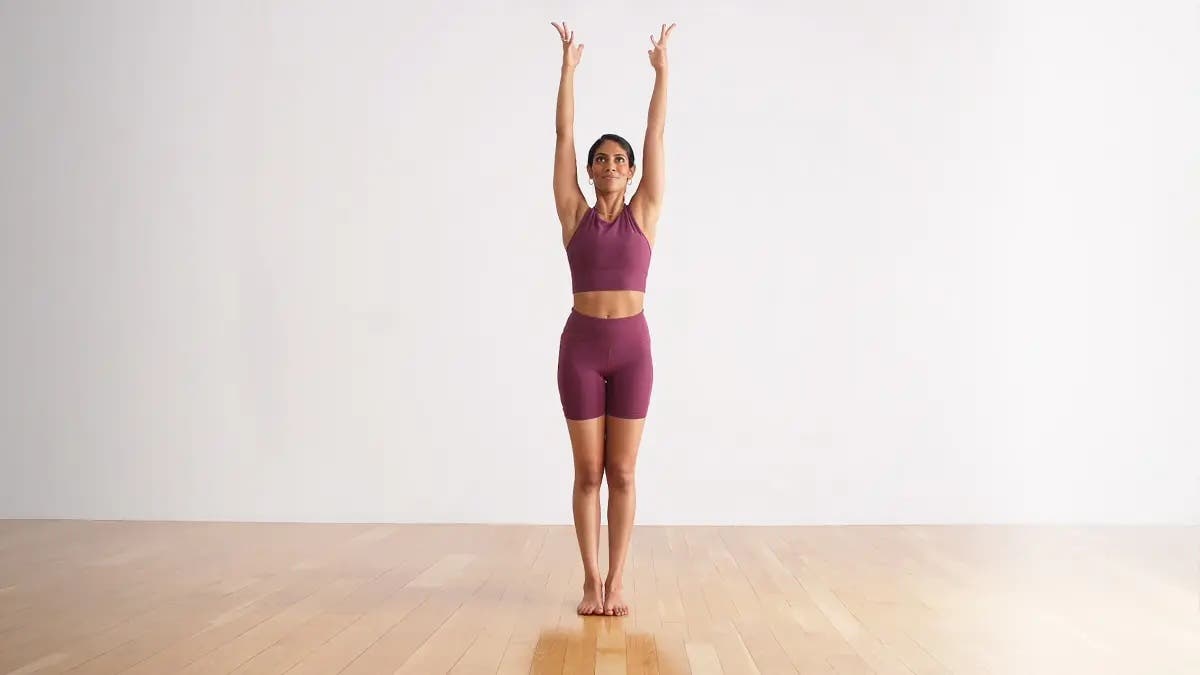
2. Upward Salute (Urdhva Hastasana)
As you inhale, sweep your arms overhead. Reach toward the sky, elongating the spine. If you experience shoulder tension, feel free to keep the arms slightly wider than shoulder-width. The gaze should be soft, directed slightly upward, opening the throat and chest without compressing the neck.
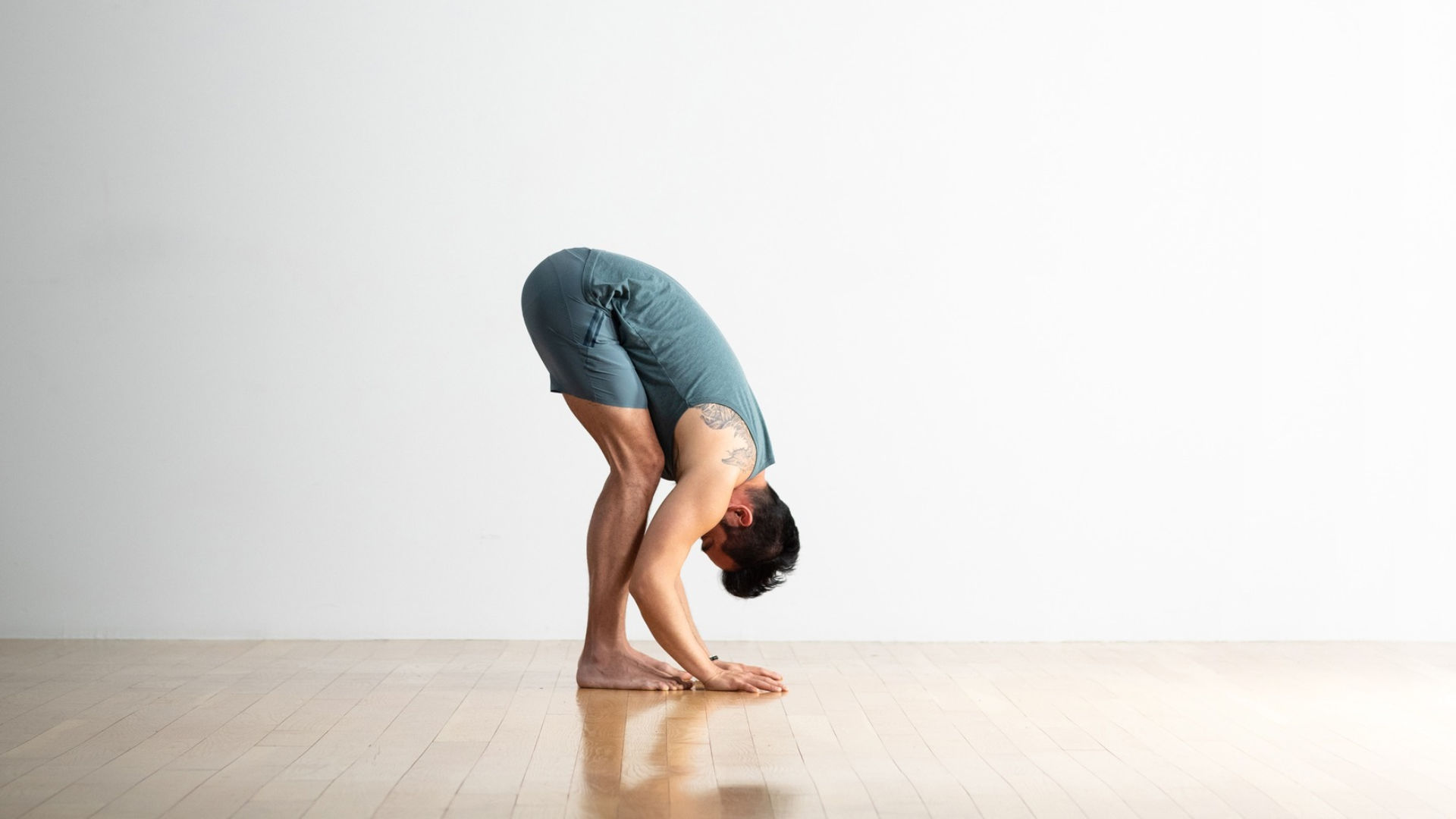
3. Standing Forward Bend (Uttanasana)
This is where many practitioners face the most resistance. If you have "reluctant" hamstrings, do not force the legs to straighten. Keep your knees bent generously as you fold forward.
The key here is to "lift your soft frontal body"—your abdomen and organs—into the "shell of your back body." This imagery helps protect the spinal muscles. As you hold the pose, slowly begin to lengthen the legs, but only to the point where you feel a gentle stretch, never a sharp pain. If the lower back protests, return to a deeper bend in the knees.
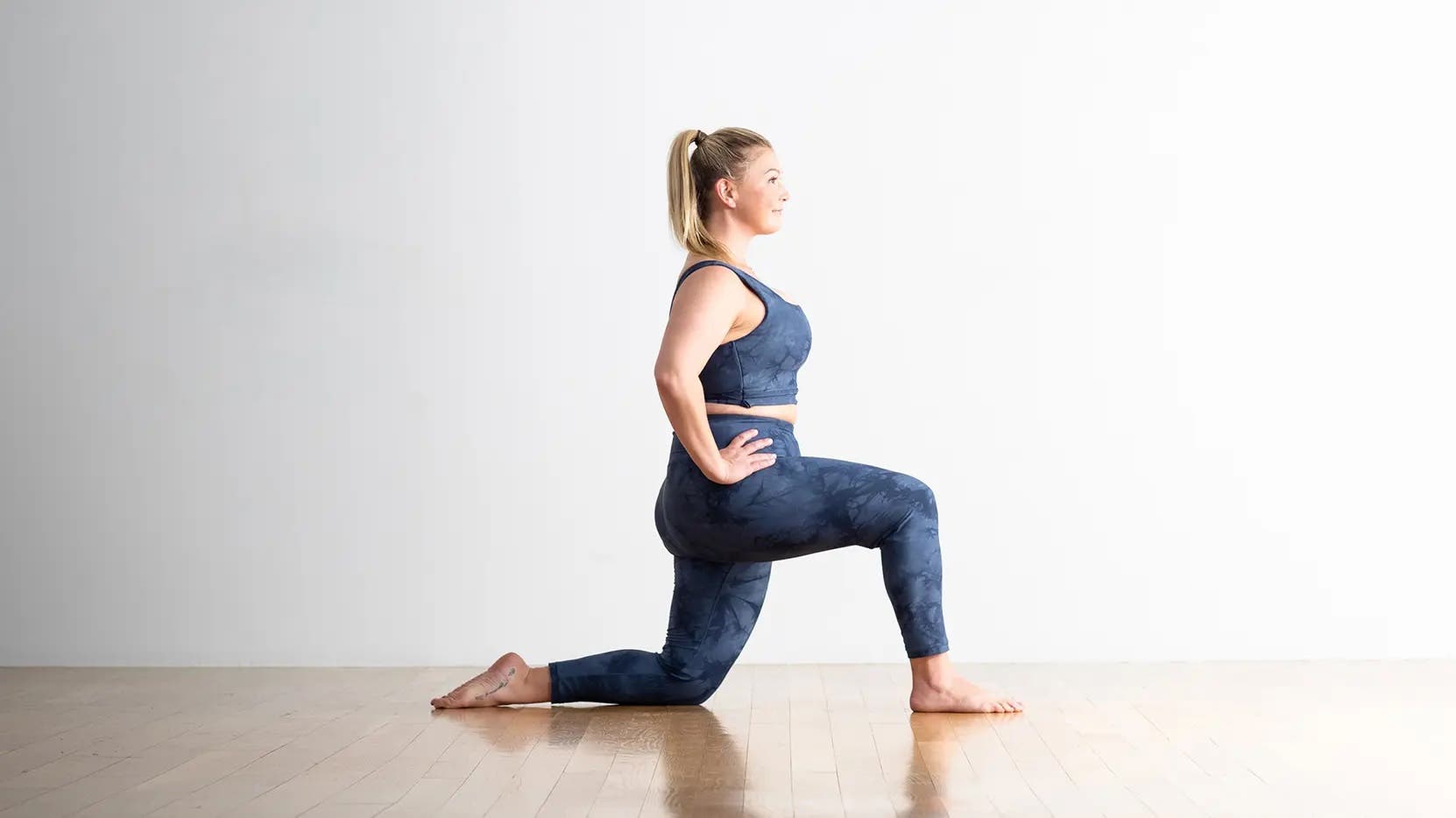
4. Low Lunge (Anjaneyasana)
Step your left leg back, finding a deep, stable lunge. If the hips feel tight, lower the back knee to the floor. The front knee should be stacked directly over the ankle to protect the joint. If you find yourself struggling to reach the floor, place two yoga blocks under your hands. This elevation brings the floor to you, allowing you to focus on the lengthening of the hip flexors rather than the strain in your lower back.
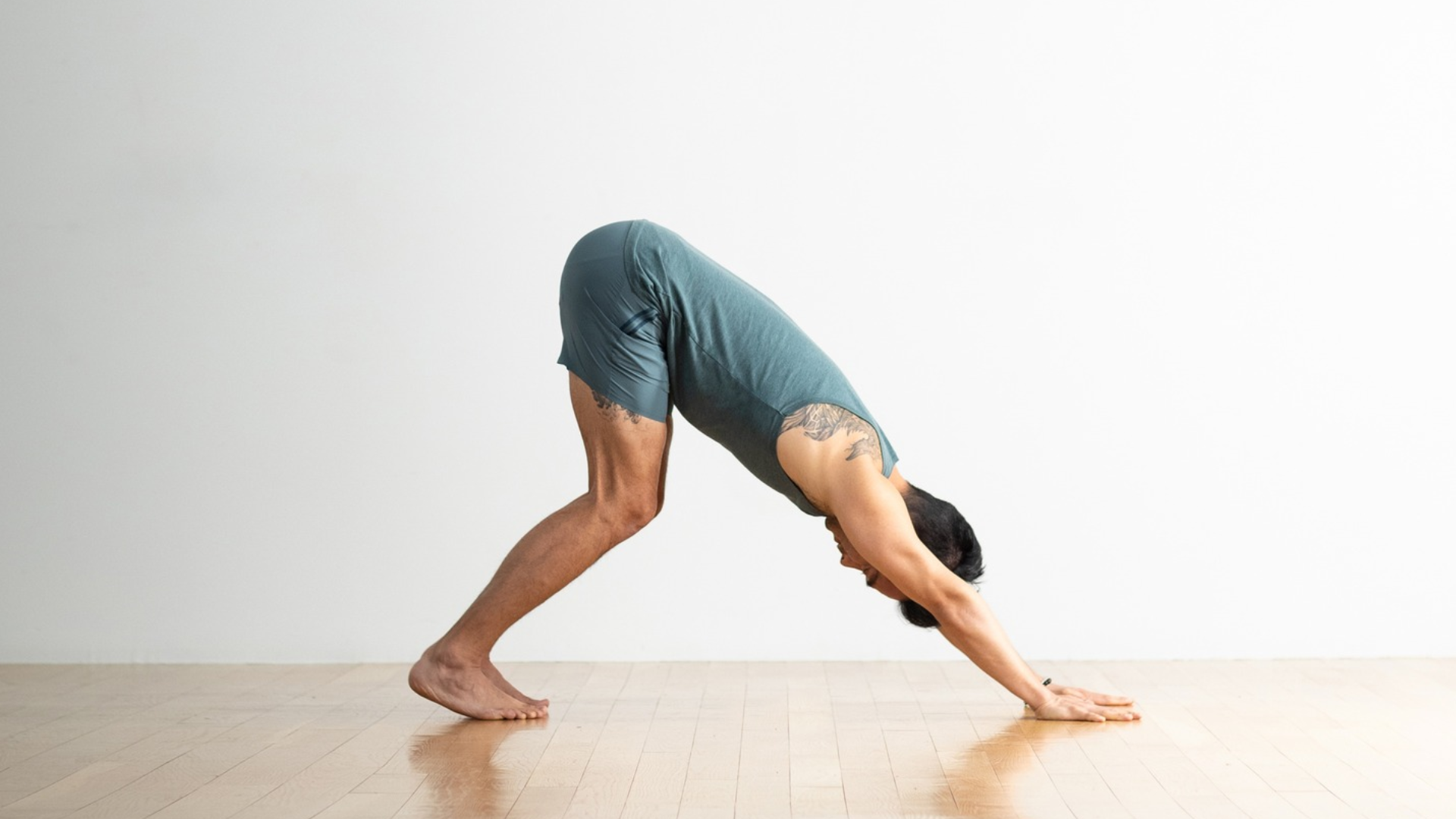
5. Downward-Facing Dog (Adho Mukha Svanasana)
Transitioning to Downward Dog, bring your feet hip-width apart. Many students mistake this for a test of hamstring flexibility; in reality, it is a test of spinal length. Keep the knees bent if needed to maintain a flat, neutral spine. As you lift your sit bones toward the ceiling, push the floor away with your hands. The goal is to create a long line from your wrists to your hips.
6. Chaturanga (Four-Limbed Staff Pose)
Chaturanga is often the most misunderstood pose in the sequence. The common error—shifting the shoulders too far forward while lacking the necessary core and tricep strength—often leads to a "belly-flop" or a collapsed chest.
To perform this safely, lower your knees to the floor first. Shift your chest forward until it sits over your hands, keeping the elbows tucked tight against your rib cage. By keeping the abdomen engaged and lifted toward the spine, you prevent the middle of your back from dipping. If your strength is not yet sufficient to maintain this alignment, reverting to a gentle Plank or a modified push-up is a far superior choice for long-term health.
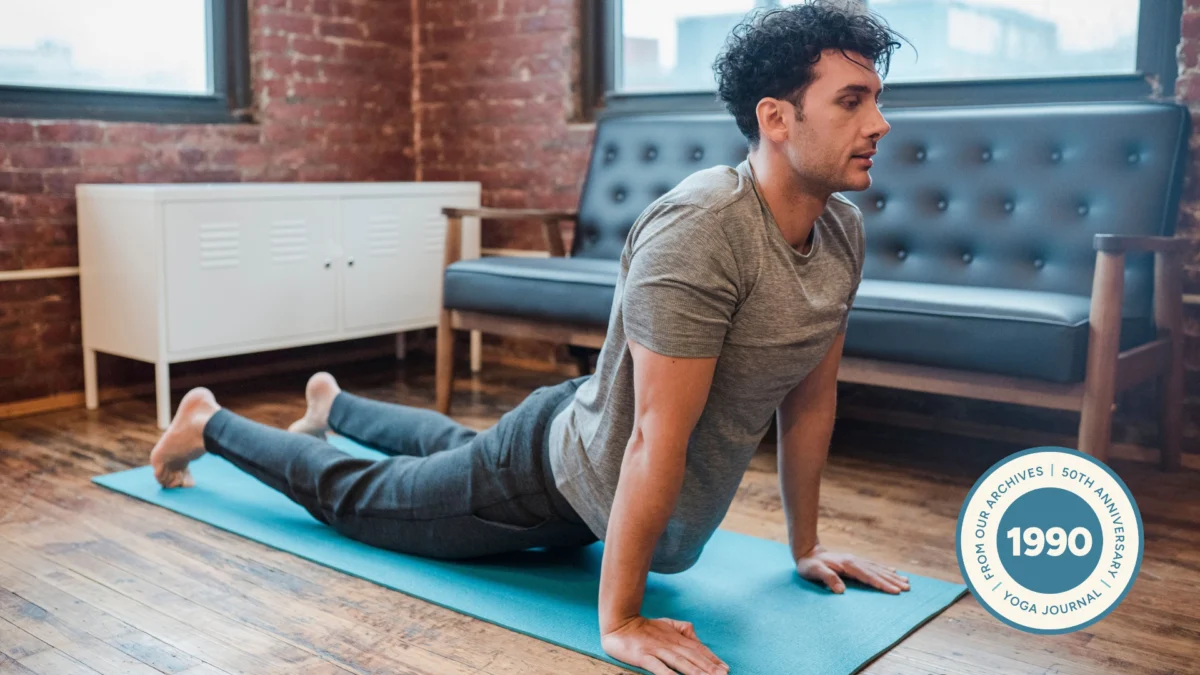
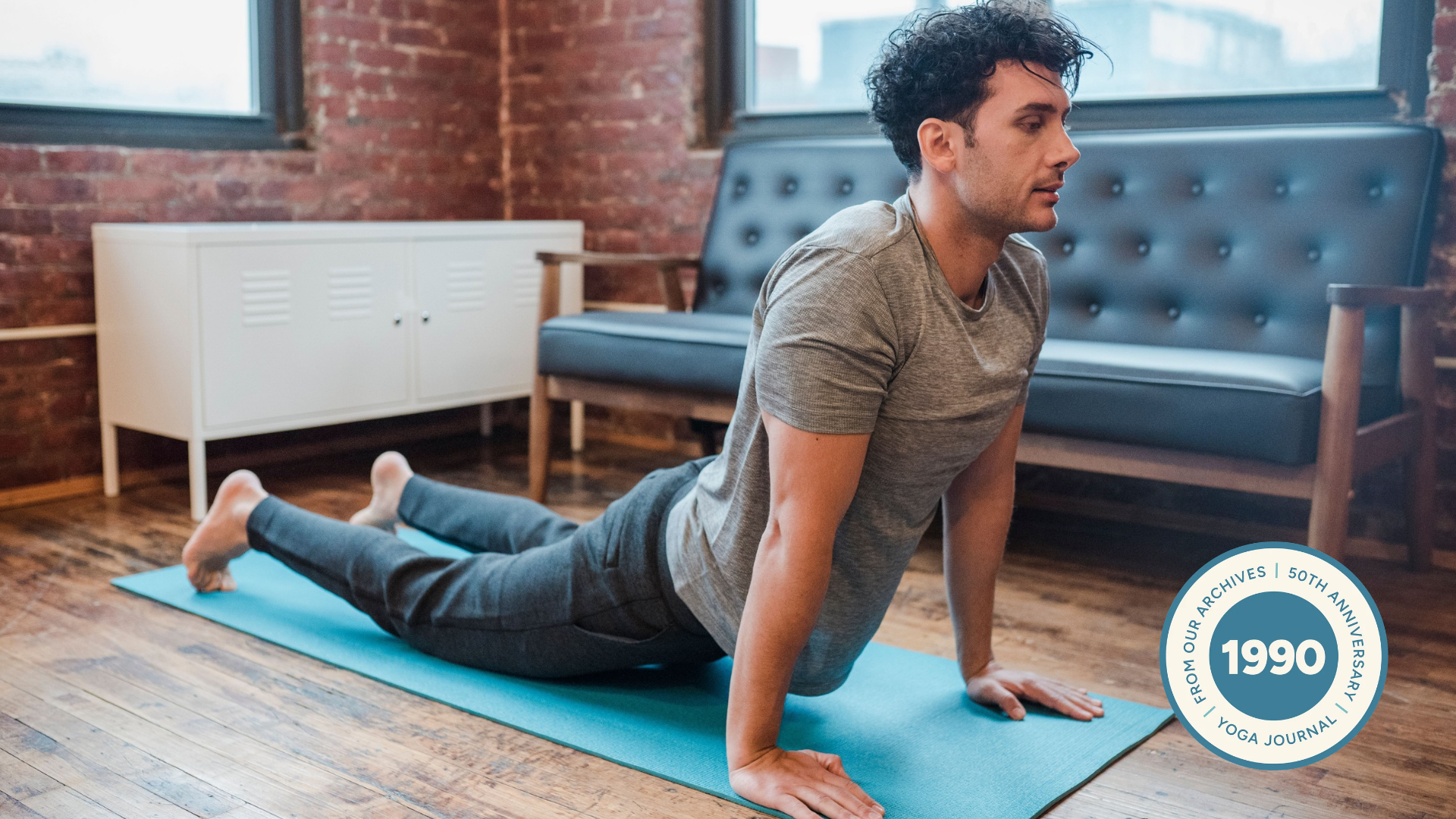
7. Upward-Facing Dog (Urdhva Mukha Svanasana)
Keep your knees on the floor as you transition into this backbend. Press firmly into your palms, broaden your collarbones, and roll the shoulder blades down your back. By keeping the knees down, you create a less extreme, more sustainable curve in the lumbar spine. If at any point the backbend feels too intense, simply lower your chest closer to the floor or transition into a gentle Cobra pose instead.
Supporting Data: The Physiology of Adaptation
Why do these modifications matter? The body is not a static object; it is a dynamic, changing system. Modern sports medicine and kinesiology support the principles established in these older yoga texts:
- Joint Load Management: By keeping knees bent in forward folds, you reduce the mechanical tension on the sciatic nerve and the posterior chain, allowing for a deeper, more therapeutic stretch over time.
- Core Engagement: Modifications like the "knees-down" Chaturanga actually require more core engagement to stabilize the torso, which builds functional strength more effectively than performing a traditional push-up with poor form.
- The Parasympathetic Response: When the body feels safe and supported, the nervous system remains in a parasympathetic (rest and digest) state. Conversely, when a practitioner pushes into a pose that induces pain, the body enters a sympathetic (fight or flight) state, which counteracts the calming, meditative benefits of the Sun Salutation.
Official Perspectives: The Teacher’s Role
In the context of modern yoga, many instructors emphasize that "the pose is a tool, not the goal." Experts in biomechanics argue that the obsession with aesthetic alignment often masks underlying instability. By choosing variations that prioritize the integrity of the spine and the comfort of the joints, the practitioner creates a "sustainable practice." This is the difference between a practitioner who burns out in six months and one who practices well into their eighties.
Implications for Your Practice
The implications of embracing these modifications are profound. When you stop chasing the "ideal" version of a pose, you begin to listen to your body’s specific, daily needs.
- Longevity: You reduce the risk of repetitive strain injuries, particularly in the rotator cuffs, wrists, and lumbar spine.
- Mindfulness: You shift your focus from external performance to internal sensation. This is the very definition of Yoga—the union of mind and body.
- Progression: Ironically, by making the practice "easier," you often progress faster. A body that is not constantly fighting against itself is a body that can safely open, strengthen, and align over time.
As you integrate these variations into your routine, remember that the most "advanced" practitioner is not the one who can jump highest or fold deepest. It is the one who can move with the most awareness, adapting their practice to honor their body’s current state. Whether you are a seasoned yogi or a curious beginner, let these variations serve as a reminder that the path to wellness is paved with patience, modification, and, above all, self-compassion.
Return to the mat tomorrow, breathe, and find the flow that belongs specifically to you.