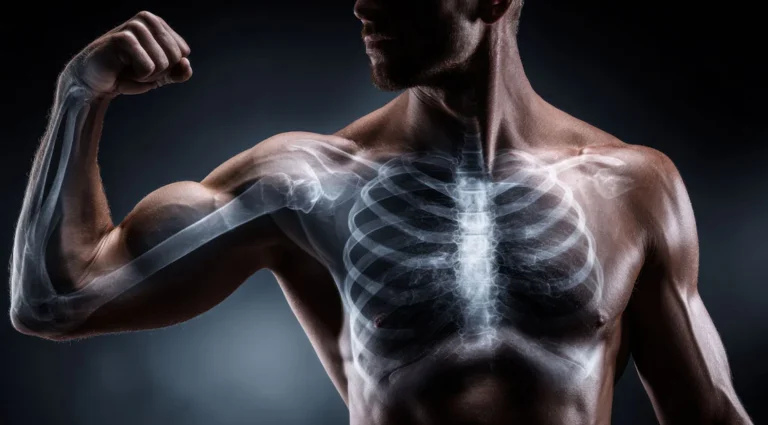












For decades, the medical community has championed exercise as the cornerstone of metabolic health. We have long understood that physical activity lowers blood sugar, improves cardiovascular resilience, and enhances muscle tone. Yet, the precise molecular "language" that muscles use to communicate these systemic benefits to the rest of the body has remained largely enigmatic.
New research led by the University of Leeds has bridged this knowledge gap, identifying a naturally occurring molecule—L-β-aminoisobutyric acid (L-BAIBA)—that acts as a master regulator of muscle adaptation. This discovery not only clarifies how our bodies "learn" to get stronger but also opens a transformative door for treating the debilitating muscle atrophy associated with type 2 diabetes.
The Core Discovery: Deciphering the Exercise Signal
At the heart of the findings, published in the journal Nature Communications, is the revelation that L-BAIBA is not merely a byproduct of metabolism but a vital chemical messenger. When we engage in physical exercise, our muscles release this molecule into the bloodstream, where it orchestrates a cascade of biological changes that improve muscle structure, increase endurance, and heighten resistance to fatigue.
Professor Lee Roberts, Professor of Molecular Physiology and Metabolism at the University of Leeds, describes the molecule as an "exercise-induced signal." In essence, L-BAIBA is the messenger that tells the body it is time to upgrade. It tells the muscle fibers to become more efficient at contracting and more capable of burning energy. Without this signal, the adaptive benefits of a workout—the very gains we seek at the gym—would be significantly blunted.
A Decade of Inquiry: The Chronology of L-BAIBA Research
To understand the significance of this latest breakthrough, one must look at the trajectory of L-BAIBA research over the past decade.
2014: The Metabolic Connection
The scientific community first took notice of L-BAIBA in 2014, when Professor Roberts and his colleagues published a seminal paper identifying the molecule’s role in fat metabolism. That study demonstrated that L-BAIBA could stimulate the "browning" of white adipose tissue—a process that turns fat-storing cells into fat-burning, energy-consuming cells. It was a major finding that positioned L-BAIBA as a promising candidate for obesity management. Since then, the molecule has become commercially available as a dietary supplement, often marketed for its potential to boost metabolic rate.
2015–2022: Expanding the Scope
Following the initial discovery, researchers spent years investigating whether L-BAIBA had systemic effects beyond fat burning. They observed that the molecule levels spiked reliably after endurance training, suggesting it played a role in general physical performance. However, the specific mechanisms governing its interaction with muscle tissue remained elusive until the most recent study.
2024: The Breakthrough
The latest research, funded by Diabetes UK and the Biotechnology and Biological Sciences Research Council (BBSRC), moved the needle from metabolic regulation to structural adaptation. By observing the impact of L-BAIBA on muscle cells, the team confirmed that the molecule is essential for maintaining the integrity of muscle architecture. It protects muscle cells from oxidative stress and damage, ensuring that they can recover and strengthen following the mechanical stress of exercise.
Supporting Data: How Muscles Adapt to Demand
The human body is an adaptive machine, but that adaptation is governed by complex signaling pathways. The research highlights that when muscles are subjected to the stress of exercise, they do not just "get tired"; they initiate a repair and reinforcement process.
- Chemical Signaling: L-BAIBA acts as a bridge between physical exertion and gene expression. It influences the pathways that dictate muscle protein synthesis and mitochondrial biogenesis (the creation of new energy powerhouses within cells).
- Endurance Enhancement: The study found that elevated levels of L-BAIBA correspond with higher mitochondrial density. More mitochondria mean the muscle can generate ATP (energy) more efficiently, delaying the onset of exhaustion during prolonged activity.
- Structural Integrity: Beyond energy, the molecule helps prevent the breakdown of muscle proteins. In scenarios where muscles are prone to atrophy—such as periods of inactivity or chronic disease—the presence of L-BAIBA helps maintain the structural scaffolding of the tissue.
The Diabetes Connection: Protecting Against Muscle Decline
The most profound clinical implication of this research concerns type 2 diabetes. For the millions of people living with this condition, muscle health is not just a fitness goal; it is a clinical necessity.
Type 2 diabetes fundamentally alters how the body processes glucose, leading to systemic inflammation and hyperglycemia. These conditions are toxic to muscle tissue over time, often resulting in "diabetic sarcopenia"—a condition characterized by a loss of muscle mass, strength, and function.
The Vicious Cycle
For patients, this creates a cruel paradox: they are told that exercise is the most effective way to manage their blood sugar, yet the physiological impact of the disease makes exercise physically painful and difficult. Muscle weakness and fatigue become significant barriers to maintaining the very activity needed to stabilize their health.
L-BAIBA as a Therapeutic Shield
The Leeds research suggests that L-BAIBA could potentially disrupt this cycle. By supplementing or enhancing the body’s natural production of this molecule, clinicians might one day be able to protect muscle tissue from the damage induced by diabetes. If a patient can maintain muscle function more easily, they are more likely to remain active, creating a positive feedback loop that aids in glucose control and overall disease management.
Official Responses and Expert Perspective
The medical community has received the findings with cautious optimism, noting that while the potential is vast, the journey to a clinical treatment is just beginning.
Professor Lee Roberts:
"Our research identifies L-BAIBA as an exercise-induced signal that helps muscles adapt, improve their metabolic capacity and ability to contract, and ultimately enhances physical performance. This gives us exciting new insight into how exercise benefits the body and highlights a promising target for future therapies aimed at preserving muscle function in chronic conditions such as diabetes."
Anna Morris, Assistant Director of Research Strategy and Partnership at Diabetes UK:
"Exercise plays an important role in managing type 2 diabetes, but for many people, muscle weakness and fatigue can make staying active a real challenge. This research helps us better understand how muscles adapt to exercise and identifies a potential new target for improving muscle health. While these findings are still at an early stage, they could help shape future approaches that support people with type 2 diabetes to remain active and live healthier, longer lives."
Implications: The Future of Metabolic Medicine
The identification of L-BAIBA as a key physiological regulator poses significant questions for the future of medicine. If a "molecule of exercise" can be harnessed, does this spell the end of the sedentary lifestyle?
The "Exercise Mimetic" Debate
While the idea of an "exercise pill" is a common trope in science fiction, researchers are careful to frame these findings as a supportive therapy rather than a replacement for physical activity. L-BAIBA works in tandem with the mechanical stress of movement. It is unlikely that any supplement could perfectly replicate the cardiovascular and psychological benefits of a brisk walk or a weightlifting session.
However, for populations where exercise is limited by disability, age, or advanced disease, L-BAIBA represents a vital bridge. It offers a path to improving the quality of life for those whose bodies have lost the ability to respond effectively to physical training.
A Shifting Demographic
The urgency of this research is underscored by the changing face of type 2 diabetes. Once considered an "adult-onset" condition affecting those over 40, the disease is seeing a sharp, concerning rise in individuals under 40. This younger demographic faces a lifetime of managing metabolic complications. Finding a way to preserve their muscle mass and metabolic health early in their diagnosis could drastically reduce the long-term burden of heart disease, stroke, and nerve damage.
Conclusion: Bridging the Gap
The work conducted by Professor Roberts and his team at the University of Leeds represents a milestone in molecular physiology. By peeling back the layers of how exercise physically changes us, they have identified a molecule that holds the key to both peak performance and clinical recovery.
As the research moves into its next phase, the scientific community will look to clinical trials to see if the laboratory success of L-BAIBA can be translated into human outcomes. For the millions of people grappling with the fatigue and muscle-wasting effects of type 2 diabetes, this is more than just a discovery about how muscles work—it is a promise of a future where staying active, and staying healthy, is within reach.
While we remain in the early stages, the story of L-BAIBA reminds us that the answers to our most complex health challenges often lie within our own biological processes, waiting to be decoded.