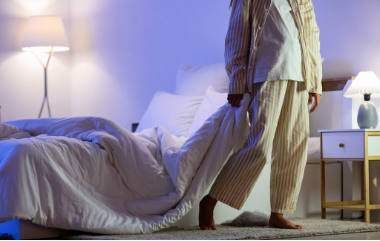










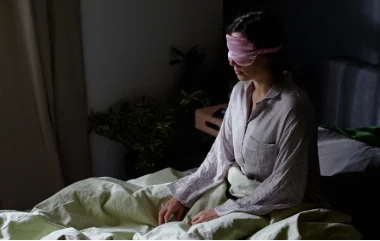
It is a scenario that haunts many households: you are awoken in the dead of night by the sound of footsteps, or perhaps the muffled, frantic cries of a partner or child. You rush into the hallway, only to find them staring blankly into the shadows, walking through the home with their eyes open but their consciousness seemingly elsewhere. You call their name, but there is no recognition. They are trapped in a liminal space between deep slumber and the waking world.
These unsettling experiences are not the stuff of horror films; they are clinical manifestations of non-rapid eye movement (NREM) disorders of arousal. While they often pass as quickly as they begin, these episodes—ranging from simple confusion to full-blown sleepwalking—can be deeply alarming for families. To manage these conditions, it is essential to distinguish between the three primary manifestations: sleepwalking, confusional arousals, and sleep terrors.
Main Facts: Defining the NREM Spectrum
NREM parasomnias are a cluster of sleep disorders characterized by incomplete awakenings from the deepest stages of sleep. Medically, they are categorized as "disorders of arousal." Unlike nightmares, which occur during REM sleep and are often recalled with vivid clarity, NREM disorders occur during the first third of the night, when the brain is locked in "slow-wave sleep."
During these episodes, the body’s autonomic nervous system is active, but the brain’s higher-order cognitive centers—specifically those involved in memory and self-awareness—remain effectively offline. This is why a person can walk, navigate a home, or scream in terror without having any recollection of the event the following morning.
The Three Pillars of Arousal Disorders
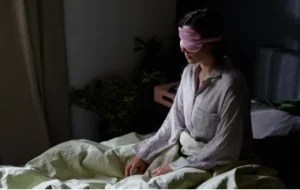
- Confusional Arousals: These are the most benign but often the most confusing for observers. The individual sits up, appears disoriented, and may mutter incoherent phrases. They remain confined to the bed.
- Sleepwalking (Somnambulism): An escalation of a confusional arousal where the individual leaves the bed. Behaviors can range from simple walking to complex, dangerous activities like unlocking doors or attempting to "prepare" food.
- Sleep Terrors: The most visceral of the three. Marked by sudden, intense screaming, physical agitation, and physiological signs of panic—such as tachycardia (racing heart) and heavy sweating—the individual appears to be in mortal peril, though they are usually in a state of profound, non-conscious distress.
Chronology: The Architecture of an Episode
To understand why these events happen, one must look at the architecture of the sleep cycle. The human brain cycles through stages roughly every 90 minutes. NREM sleep is divided into three stages (N1, N2, and N3). N3, often called "slow-wave sleep" or "deep sleep," is the restorative phase where physical repair occurs.
The Trigger Window:
Most NREM arousals occur during the transition between deep N3 sleep and a lighter state. Because the body is attempting to shift states but failing to reach full consciousness, the brain becomes "stuck."
The Progression:
- Initial Phase (0-2 minutes): A sudden shift from deep sleep to a state of partial arousal. The eyes may be open, but the pupils are often dilated, and the person lacks the "dull" focus of a waking individual.
- The Mid-Episode (2-15 minutes): The person engages in behaviors. If it is a sleep terror, the sympathetic nervous system floods the body with adrenaline. If it is sleepwalking, the motor cortex is engaged, allowing for physical movement, while the prefrontal cortex—the seat of executive function—remains dormant.
- Resolution: The individual typically returns to sleep, often lying back down abruptly. Because the hippocampus (responsible for memory consolidation) is largely inactive during these episodes, the morning brings a total void of memory regarding the night’s events.
Supporting Data: Why Do We Sleep-Walk?
Clinical research suggests that these disorders are often hereditary. If a parent suffered from sleepwalking as a child, their offspring are significantly more likely to experience it. However, genetics only set the stage; external factors—the "triggers"—pull the curtain.
Common Provocateurs
- Sleep Deprivation: The most significant risk factor. When the body is chronically sleep-deprived, it spends more time in deep sleep (rebound effect), which increases the likelihood of an incomplete arousal.
- Fever and Illness: High body temperatures can disrupt sleep cycles, causing the brain to "trip" during the transition between sleep stages.
- Medications: Certain sedatives, antihistamines, and psychiatric medications are known to alter sleep architecture, increasing the prevalence of parasomnias.
- Stress and Anxiety: Psychological pressure can keep the brain in a state of high alert, making the transition out of deep sleep more volatile.
- Environment: Disruptive noises or light can trigger a partial arousal in a brain that is struggling to stay in deep sleep.
Data indicates that these disorders are most prevalent in children, with prevalence rates estimated between 10% and 30% for occasional sleepwalking. Most children "outgrow" these behaviors as their nervous systems mature and sleep cycles stabilize by puberty. When they persist into adulthood, however, they are often linked to underlying sleep apnea, restless leg syndrome, or chronic sleep deprivation.
Official Responses and Clinical Perspectives
The medical community emphasizes that while these disorders are usually benign, they represent a "red flag" for the overall quality of sleep. According to organizations such as the American Academy of Sleep Medicine (AASM), the priority for a physician is not necessarily "curing" the behavior, but ensuring the patient’s safety and investigating potential underlying sleep pathologies.
Diagnostic Approaches
When a patient presents with these symptoms, a doctor will typically look for the following:
- Sleep History: A detailed account of the frequency, duration, and specific behaviors.
- Polysomnography (Sleep Study): In complex cases, a patient may be monitored in a lab to rule out seizures or other nocturnal disturbances that mimic parasomnias.
- Safety Audit: Physicians often provide a "safety checklist" for the home, emphasizing the removal of trip hazards, locking exterior doors, and, in severe cases, using bed alarms.
The Expert View:
Medical professionals, including neurologists and sleep specialists, caution against the common myth that "you shouldn’t wake a sleepwalker." While it is true that waking someone from a deep sleep can cause them to be disoriented, agitated, or even aggressive due to "sleep inertia," it is generally safer to guide them gently back to bed rather than let them continue to wander in a state where they are prone to accidents.
Implications: When to Seek Help
The decision to seek professional medical intervention is generally based on three criteria: Frequency, Safety, and Quality of Life.
- Safety: This is the non-negotiable threshold. If the individual has left the house, attempted to drive, or engaged in self-harming behavior during an episode, immediate medical evaluation is required.
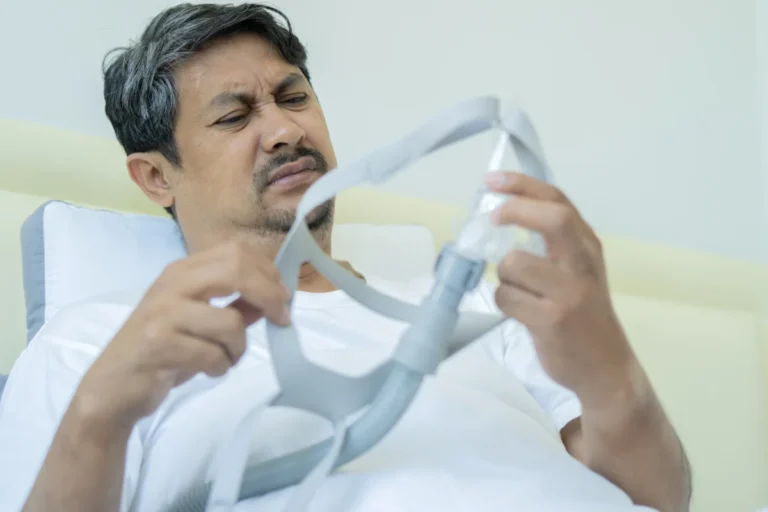
- Frequency: If episodes occur several times a week, it may indicate a chronic sleep debt or a primary sleep disorder like obstructive sleep apnea (OSA). Treating the OSA often resolves the parasomnia entirely.
- Psychosocial Impact: If the behavior is causing significant distress to the individual or their family, or if it leads to excessive daytime sleepiness, it warrants clinical attention.
Strategies for Management
Before resorting to medication, clinicians often recommend "scheduled awakenings." By waking the patient 15 to 30 minutes before the typical time an episode occurs, the sleep cycle is interrupted and reset, effectively preventing the "stuck" state that leads to the arousal. Improving sleep hygiene—maintaining a cool room, consistent sleep times, and limiting alcohol, which is a potent trigger for NREM parasomnias—is also foundational.
Conclusion: The Path Forward
NREM disorders of arousal remind us that sleep is not a passive state, but an active, complex physiological process. While the sight of a loved one wandering in the dark or screaming in fear is undoubtedly harrowing, it is important to remember that these events are rarely indicative of psychiatric illness.
By viewing these episodes as "misfires" in the transition between sleep stages, we can replace fear with practical management. Whether it is through optimizing sleep schedules, securing the home environment, or consulting a specialist to rule out obstructive sleep apnea, there are clear, evidence-based paths to reclaiming a quiet and safe night’s rest. If you are a witness to these events, observe, document, and support—but remember that the most effective intervention often begins with a simple conversation with a doctor.