







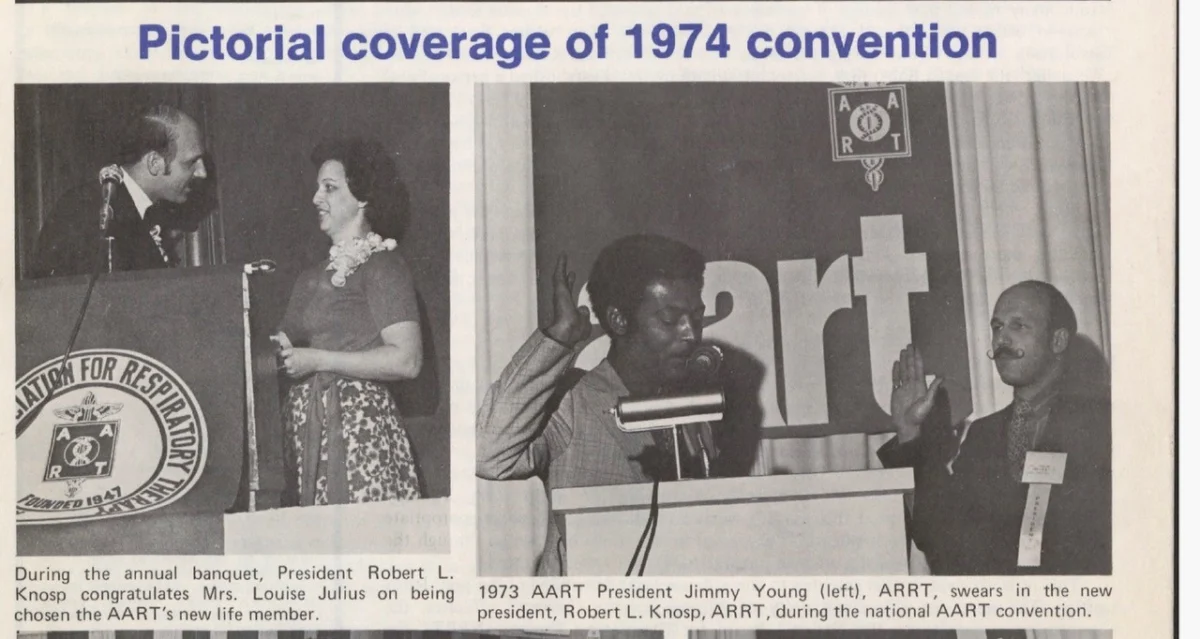
The Jimmy A. Young Award stands as the singular, most prestigious distinction within the respiratory care profession. Named in honor of the late AARC president—a man whose life was synonymous with the advancement of clinical excellence—the award serves as a lifetime achievement recognition for individuals who have fundamentally altered the trajectory of respiratory therapy.
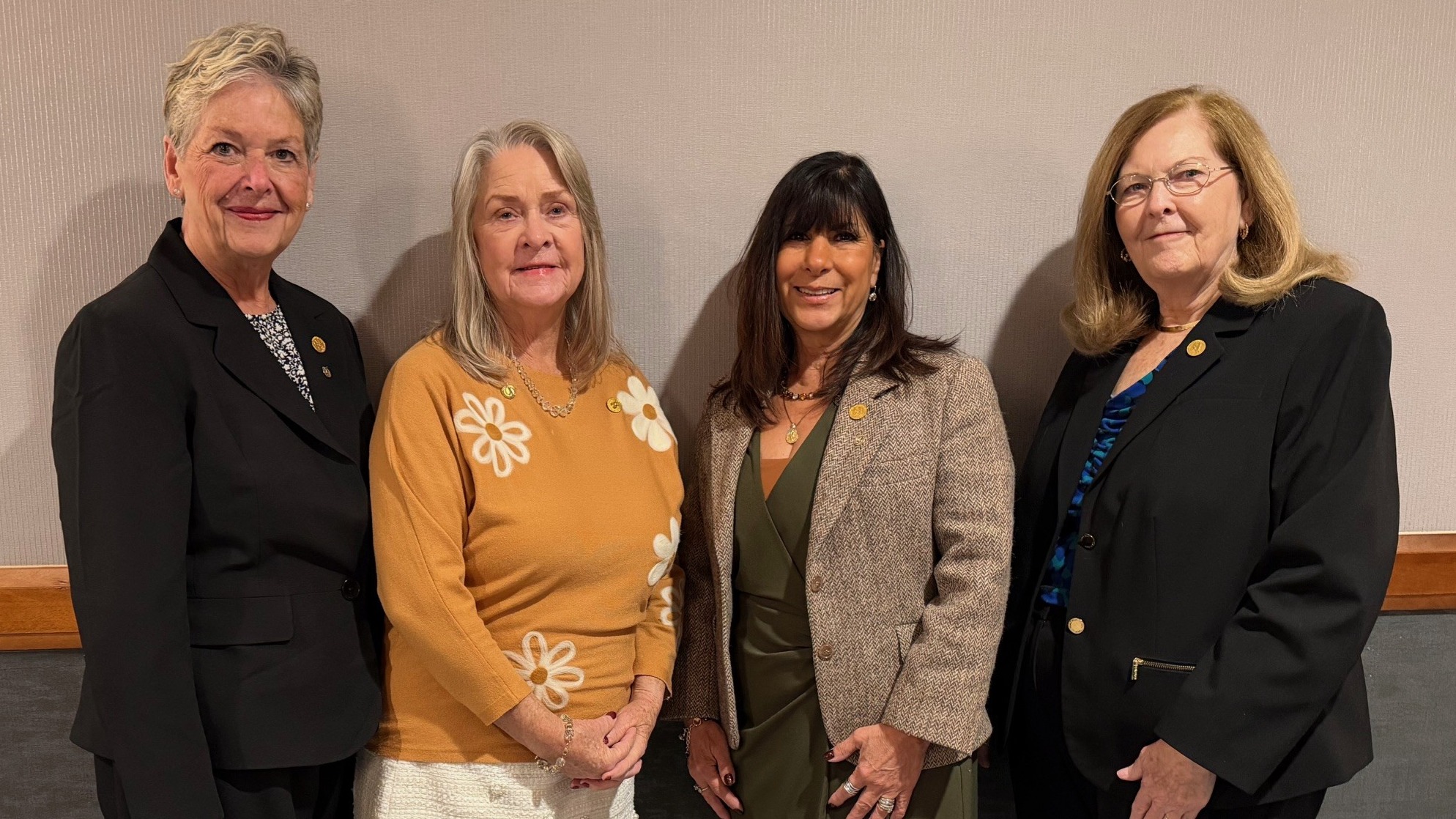
In a powerful, reflective retrospective facilitated by Lisa Weisenberger, AARC Director of Content and Communications, four of the five women who have received this honor—Dianne Lewis (2025), Trudy Watson (2018), Margaret Traband (2011), and Teresa Volsko (2020)—gathered to discuss the evolution of their field. Their conversation serves not merely as a look back at a legacy, but as a blueprint for the future of respiratory medicine.
The Legacy of the Jimmy A. Young Award
The Jimmy A. Young Award is rarely given and always earned. It represents a career of sustained, lasting contributions that have helped shape the modern landscape of respiratory care. While the honor has historically been dominated by male recipients, the inclusion of these five women—including the 1988 co-recipient Louise Julius—marks a critical shift in the recognition of leadership, innovation, and advocacy.
For these women, the journey to the podium was never about the award itself. It was about the grueling, often invisible work of standardizing care, pushing for legislative change, and creating infrastructure for a profession that was once in its infancy.
Chronology: From Bedside to Boardroom
The careers of these four laureates span the transition of respiratory therapy from a trade to a high-stakes, evidence-based medical discipline.
1970s: The Foundations of Advocacy
Margaret Traband, who entered the AARC in 1972, recalls an era where professional development was hyper-local. "We began with our state societies," she explains. In those early years, the work was defined by "Journal Clubs," where therapists would gather to debate the latest research, ensuring their clinical practice was backed by data rather than tradition.
1980s: Standardization and Representation
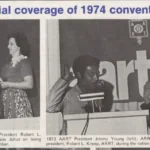
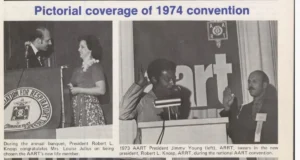
The 1980s saw a shift toward formalization. During this decade, the field began to grapple with its own identity. Louise Julius (1988) became a trailblazer, sharing the award with her husband, marking a rare moment of dual recognition that highlighted the collaborative nature of the field.
1990s – 2010s: Navigating the System
As the profession grew, the need for formal Clinical Practice Guidelines (CPGs) became paramount. Dianne Lewis, the 2025 recipient, was at the forefront of this movement. As a key member of the Clinical Practice Guidelines Steering Committee, Lewis helped lead the charge in codifying what constitutes "standard of care." Her work transitioned the profession from individual experience-based practice to a nationwide, uniform methodology.
2020 and Beyond: The New Era of Leadership
Teresa Volsko (2020) and Dianne Lewis (2025) represent the modern standard of the award, where leadership is defined by mentorship and policy influence. They operate in a world where the respiratory therapist is an essential pillar of the ICU, the emergency room, and the legislative hearing room.
Supporting Data: The Changing Face of the Profession
Historically, the upper echelons of respiratory care leadership were closed to women. The transition from the 1970s to the present day has been seismic, though challenges remain.
The Evolution of the Workforce
While data indicates that women comprise a significant majority of the current respiratory therapy workforce, the "glass ceiling" was a reality for decades. In the late 1970s and early 1980s, the environment was explicitly competitive, not because of a lack of skill, but because of a lack of opportunity.
Mentorship as a Catalyst
Teresa Volsko notes that in 1979, the environment was scarcity-based. "If you were invited to the table, you didn’t dare bring another woman up with you because there was only one or two seats," Volsko explains. This scarcity mindset has been systematically dismantled by the current generation of leaders. The shift has moved from individual survival to collective elevation. Today, the focus is on creating a pipeline of female leaders who can navigate the complexities of hospital administration and policy-making.
Official Perspectives: Reflections on Leadership
The roundtable discussion yielded profound insights into what it takes to thrive in a high-stakes, high-stress medical environment.
Dianne Lewis on Institutional Impact
Lewis emphasizes that the most significant contributions often happen in the "boring" parts of the job—the committees, the policy drafting, and the steering groups. "My group wrote and published the first clinical practice guideline for the association," Lewis said. This was not a glamorous task, but it was one that saved lives by ensuring consistency across the country.
Trudy Watson on Visibility
Watson, the 2018 recipient, argues that reputation is a currency. She advises new therapists to be known for their excellence both within their facility and in external organizations like the American Lung Association. "Get involved so your name is known and you are trusted," she notes. Trust is the prerequisite for the influence required to make systemic changes.
Implications: The Future of Respiratory Care
The profession stands at a critical juncture. The post-pandemic era has left many in the field grappling with burnout, yet the demand for respiratory therapists is projected to grow significantly over the next decade.
Addressing the Talent Gap
Trudy Watson identifies a major obstacle: "finding the students to fill the seats." While job opportunities are abundant, the education pipeline must be revitalized to meet the massive demand for care. This requires not just recruitment, but a culture shift that highlights the long-term career satisfaction and impact of the role.
Sustaining the Human Connection
The most poignant advice came from Margaret Traband, who addressed the emotional toll of the profession. As therapists move into administrative roles, they drift away from the patient, which can lead to a sense of detachment. She urges those feeling the strain of burnout to remember the fundamental nature of their work: "Steep in that moment [of having helped a patient]. Know that you’ve alleviated breathlessness and calmed patients."
A Call for "Bedside Leadership"
Teresa Volsko’s message to the next generation is clear: Do not wait for a title to act. Leadership is not something bestowed by a promotion; it is an action taken at the bedside. Whether it is teaching a new skill to a colleague, advocating for a better protocol, or ensuring a patient is treated with dignity, every therapist has the capacity to lead.
Conclusion: A Legacy of Courage
The Jimmy A. Young Award is far more than a decorative trophy. It is an artifact of a life dedicated to the relentless pursuit of better patient outcomes. For Dianne Lewis, Trudy Watson, Margaret Traband, and Teresa Volsko, the award validates a lifetime of service.
As the profession moves forward, it does so on the shoulders of these women. They have proven that the future of respiratory care is not just about clinical expertise, but about the courage to claim a seat at the table and the wisdom to pull a chair up for someone else. By fostering a culture of mentorship, mastering the art of professional networking, and never losing sight of the patient experience, the next generation of respiratory therapists will be well-equipped to handle the challenges of a rapidly evolving medical landscape.
The legacy of Jimmy A. Young lives on, not just in the award, but in the thousands of clinicians who, inspired by these leaders, continue to ensure that every patient can breathe a little easier.