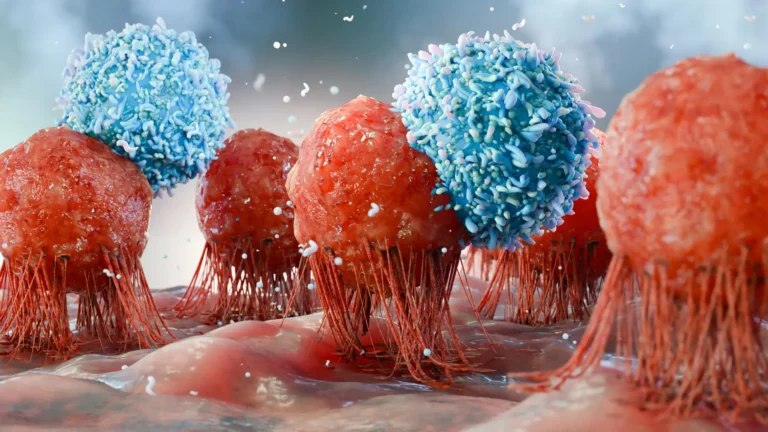









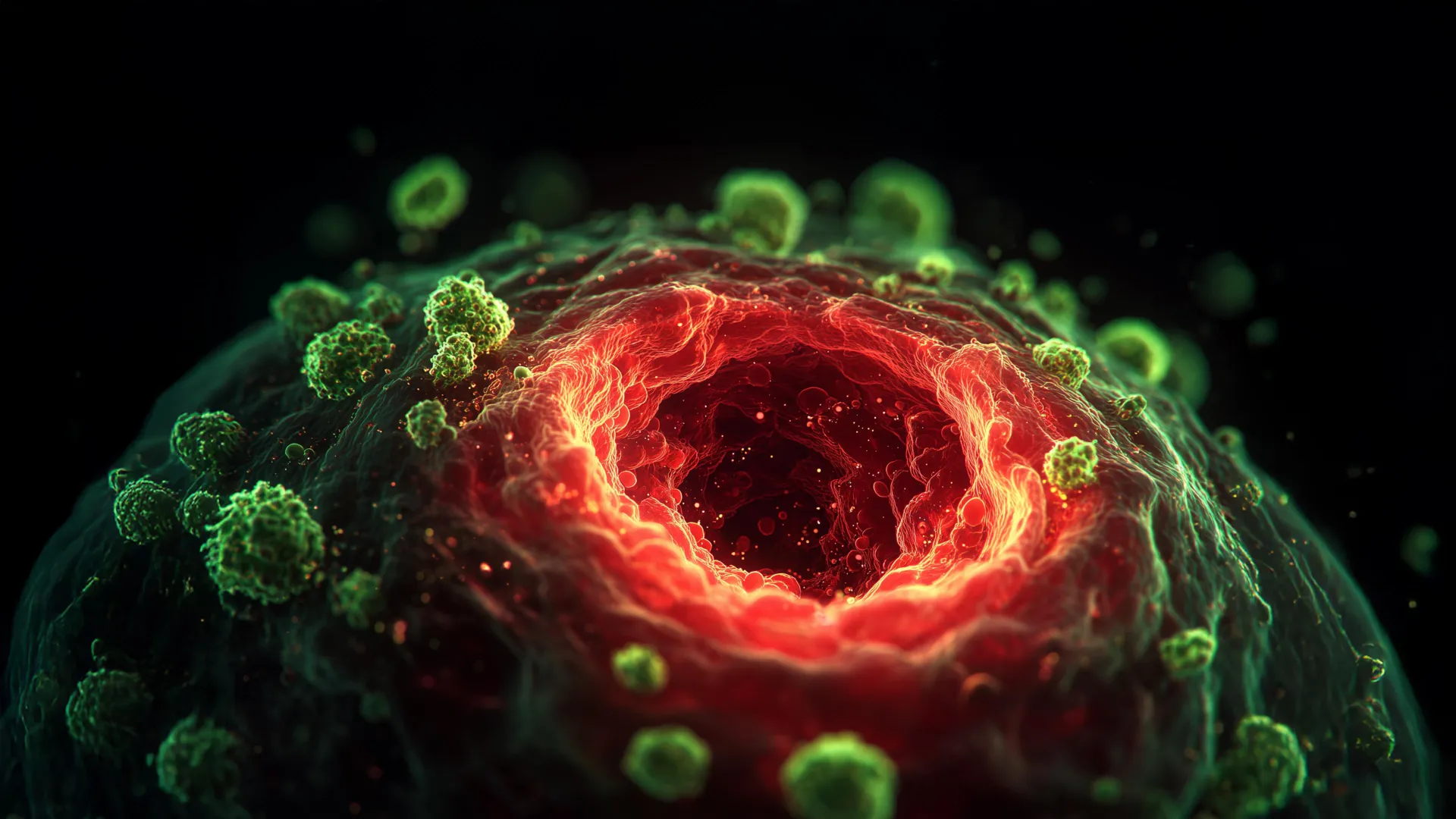
For decades, the promise of immunotherapy has been one of the most compelling narratives in modern oncology. By training the body’s own immune system to identify and eradicate malignant cells, treatments like checkpoint inhibitors have saved thousands of lives. Yet, for a significant majority of patients—particularly those with "solid" tumors like pancreatic, lung, and breast cancer—the immune system remains effectively locked out. These tumors have evolved a sophisticated defensive architecture, surrounding themselves in dense, scar-like tissue that acts as a physical and chemical barrier against T cells.
Now, an international team of researchers, led by Dr. Seong-Jin Kim of MedPacto, Inc., and Dr. John J. Letterio of Case Western Reserve University, has unveiled an experimental drug designed to dismantle these defenses from the inside out. By targeting the molecular "architect" of these tumor fortresses, the researchers have successfully reprogrammed the tumor microenvironment, leading to long-lasting immune responses in animal models. The study, published in Cancer Cell, marks a potential paradigm shift in how we approach treatment-resistant cancers.
The Molecular Architect: Understanding TGF-β
To understand the magnitude of this discovery, one must first understand the culprit. At the heart of the tumor’s protective shield is a signaling molecule called TGF-β (Transforming Growth Factor-beta). While TGF-β performs essential regulatory functions in healthy tissue, tumors hijack this molecule to ensure their own survival.
When released in high concentrations within the tumor microenvironment, TGF-β serves two critical functions for the cancer. First, it acts as a construction foreman, instructing nearby support cells to secrete dense, fibrous proteins that form a physical wall. This wall is impenetrable to T cells, the "soldiers" of the immune system. Second, TGF-β acts as a chemical dampener, actively suppressing the immune cells that might otherwise infiltrate the tumor.
Historically, medical science has struggled to address this. Previous attempts to inhibit TGF-β using systemic drugs resulted in a paradox: at low doses, the drugs were ineffective against the tumor, but at higher doses, they interfered with the essential functions TGF-β plays in healthy organs, leading to dangerous side effects. The challenge has always been one of delivery: how do you stop the tumor from using TGF-β without damaging the rest of the body?
The Innovation: A Molecular "Guided Missile"
The breakthrough arrived in the form of a targeted molecule known as FEBP-sTβRII. Rather than flooding the patient’s entire system with a TGF-β inhibitor, the researchers engineered a drug that functions like a precision-guided missile.
The experimental drug is equipped with a specialized molecular "tag" designed to bind exclusively to a specific form of fibronectin—a protein that is highly concentrated within the dense architecture of solid tumors but is virtually absent in healthy adult tissues.
Chronology of the Discovery
- Initial Hypothesis: Researchers hypothesized that the failure of past TGF-β inhibitors was due to a lack of spatial specificity, rather than a flaw in the concept itself.
- Target Identification: The team identified a unique fibronectin variant common to a broad spectrum of solid tumors, including breast, colon, lung, liver, prostate, pancreatic, and brain cancers, as well as melanoma.
- Drug Engineering: The FEBP-sTβRII molecule was synthesized, incorporating the fibronectin-targeting tag.
- In Vivo Testing: Mouse models demonstrated that the drug accumulated specifically within tumor sites, remaining there for days, while leaving healthy tissue largely untouched.
- Validation: Compared to untargeted inhibitors, which altered the genetic expression of nearly 700 genes in the blood, the targeted drug affected only 25, suggesting a dramatically improved safety profile.
This targeted approach ensures that the "dismantling" of the tumor’s defense occurs exactly where it is needed, sparing the patient the systemic toxicity that has hampered earlier research.
Turning the Tide: Reprogramming the Tumor Environment
Perhaps the most remarkable finding of the study is not just that the barrier is dismantled, but what happens immediately afterward. Once the FEBP-sTβRII clears the way, the tumor’s internal environment undergoes a violent, beneficial transformation.
As T cells gain access to the tumor, they release a signaling protein called interferon-gamma. This protein effectively "flips" the switch on the tumor’s support cells. Instead of protecting the cancer, these reprogrammed cells begin to present fragments of the cancer cells to the immune system. This creates a self-reinforcing cycle of recognition and attack.
Dr. John J. Letterio, a co-author of the study and Director of the Angie Fowler Adolescent and Young Adult Cancer Institute at University Hospitals Rainbow Babies & Children’s Hospital, describes this as a form of "immune education."
"By delivering the blocker directly to the tumor, we don’t just open the door to T cells," Dr. Letterio explained. "We appear to be teaching the immune system lessons it remembers long after the tumor is gone, and in some cases, those lessons protect against other cancers." In the study, animals treated with the drug not only fought off their primary tumors but also showed a lasting "memory" that helped them resist entirely different types of subsequent tumors.
Official Responses and Scientific Implications
The medical community has received the findings with cautious optimism. Dr. Seong-Jin Kim, senior author of the study and founder of MedPacto, emphasized that the location of the inhibition is the key to the entire strategy. "This study shows that where you block TGF-β matters as much as whether you block it," he noted.
The implications for clinical practice are vast. Currently, many patients are deemed "non-responders" to immunotherapy because their tumors are "cold"—meaning the immune system simply cannot reach them. By turning these "cold" tumors "hot" through the disruption of the fibrous barrier, FEBP-sTβRII could potentially make immunotherapy effective for a much larger demographic of cancer patients.
Furthermore, the drug is designed to be versatile. It could function as a standalone treatment, but researchers believe its true power lies in its ability to act as a "primer" for existing immunotherapies. By clearing the path, the drug allows traditional checkpoint inhibitors to finally reach their target.
Looking Ahead: The Road to 2027
While the results in animal models have been nothing short of transformative—with complete elimination of aggressive pancreatic tumors and the prevention of breast cancer metastasis—the transition to human medicine is a rigorous one.
The biological complexity of human tumors often presents hurdles that mouse models cannot fully replicate. To address this, the research team is currently moving into the next phase of development. A human-grade version of the drug has already entered rigorous safety testing protocols.
The current roadmap is as follows:
- Safety and Pharmacokinetics: Ongoing studies are evaluating the drug’s behavior in human cellular environments to ensure that the targeted binding mechanism remains as precise as it was in the laboratory.
- Clinical Trial Design: Researchers are developing a strategy to identify patients whose tumors express the specific fibronectin marker, ensuring that those most likely to benefit are prioritized for the initial trials.
- Human Trials (2027): Formal clinical trials are scheduled for 2027. These trials will specifically recruit patients with solid tumors that have failed to respond to standard-of-care treatments, providing a critical test of whether the "dismantling" strategy holds up in the human body.
A New Chapter in Oncology
If successful, this approach could bridge the gap between current immunotherapy successes and the high mortality rates associated with solid tumors. By targeting the tumor’s own defensive infrastructure, scientists are moving away from brute-force chemotherapy and toward a more elegant, biological intervention.
The vision of a future where even the most aggressive, shielded cancers can be "taught" to the immune system is closer than ever. For patients and clinicians alike, the 2027 trials represent a beacon of hope in the ongoing battle against some of medicine’s most stubborn adversaries.